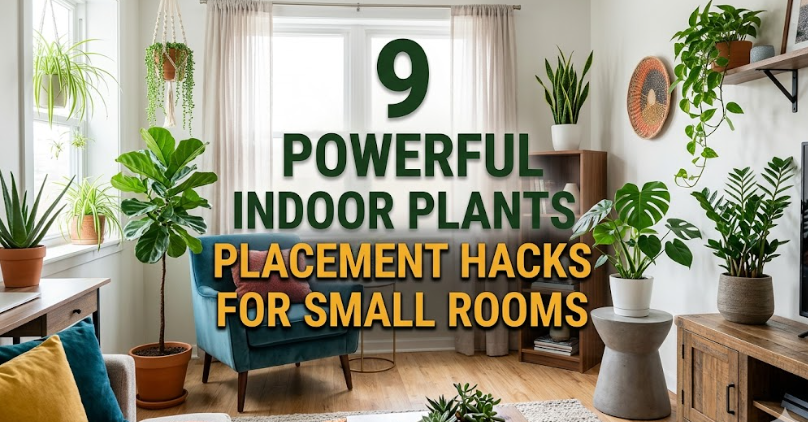
9 Powerful Indoor Plants Placement Hacks for Small Rooms
Small rooms can feel cozy, but they can also feel cramped, dark, and lifeless when decorated poorly. Indoor plants change that instantly. They soften hard edges, clean the visual palette, and bring movement into still spaces. But here’s the truth many people learn the hard way: in small rooms, plant placement matters more than the plant itself.
Over the years, I experimented in tiny apartments, cramped dorms, narrow hallways, and box-shaped bedrooms. I killed plants, revived them, moved them, and rearranged them hundreds of times. Eventually, I discovered placement strategies that make even the smallest room feel open, bright, and stylish.
This guide isn’t about buying rare plants or spending a fortune. It’s about smart positioning — the kind that transforms tight spaces without cluttering them.
Why Plant Placement Matters More in Small Rooms
In large spaces, plants fill emptiness.
In small rooms, plants create illusion.
They can:
- Make ceilings feel higher
- Make corners feel softer
- Create depth where none exists
- Improve light distribution visually
- Reduce the “boxed-in” feeling
But poor placement can do the opposite:
- Block light
- Crowd walkways
- Shrink visual space
- Make rooms feel messy
Before we jump into the hacks, remember one golden rule:
In small rooms, every plant must earn its place.
Quick Visual Cheat Sheet: The Small Room Placement Formula
| Area | Best Plant Style | Placement Goal |
|---|---|---|
| Corners | Tall, vertical plants | Add height & depth |
| Windows | Hanging or trailing | Save floor space |
| Shelves | Small clustered plants | Create layers |
| Walls | Mounted planters | Use vertical space |
| Furniture edges | Slim plants | Soften hard lines |
| Doorways | Hanging plants | Frame transitions |
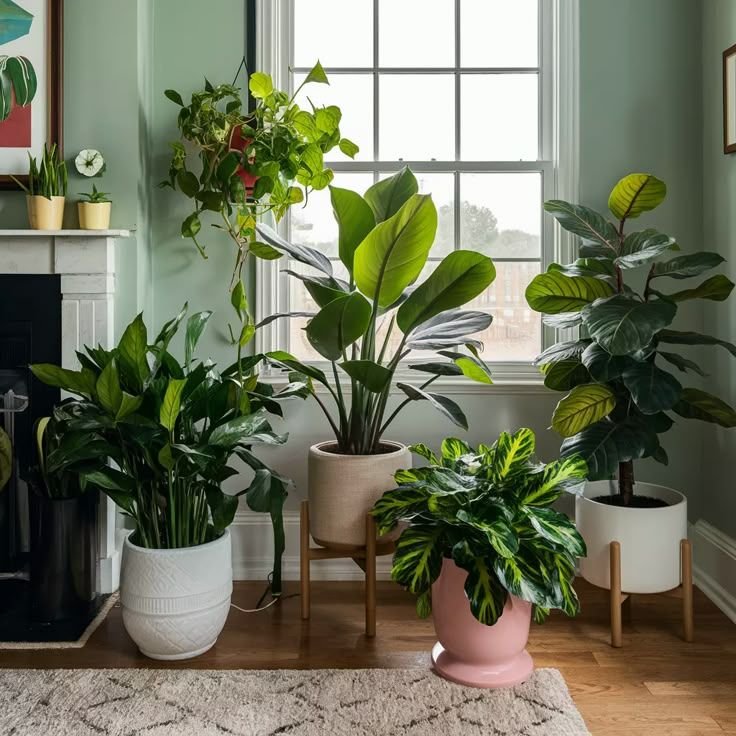
Hack 1: Use Corners as Vertical Green Towers
Corners are the most underused spaces in small rooms.
Most people leave them empty or stuff random furniture into them. But corners are perfect for plants because they naturally create vertical depth without blocking movement.
Why this works
Corners are visually “dead zones.” Adding height there tricks the brain into perceiving a taller room.
How to do it
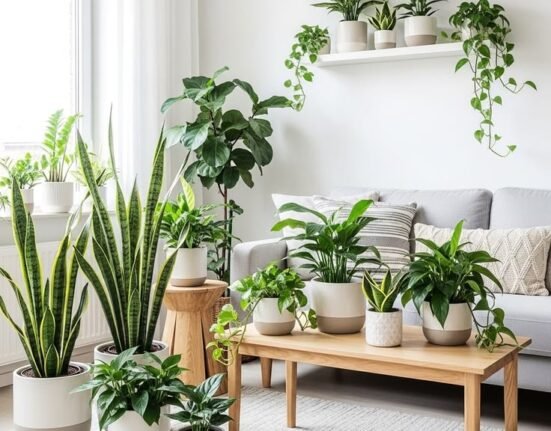
Create a 3-level plant tower in a corner:
- Tall floor plant
- Medium plant on stool
- Small plant on shelf or wall
Example Setup
| Level | Plant Size | Suggested Height |
|---|---|---|
| Top | Hanging or wall plant | 5–6 ft |
| Middle | Medium leafy plant | 3–4 ft |
| Bottom | Tall statement plant | 4–6 ft |
This layered height creates a natural upward visual movement.
Pro tip
Never place only one small plant in a corner.
It will look lonely and emphasize emptiness.
Hack 2: Hang Plants Near Windows Instead of Filling the Sill
This was a game-changer.
Most beginners pack window sills with plants. It blocks light and makes windows feel smaller.
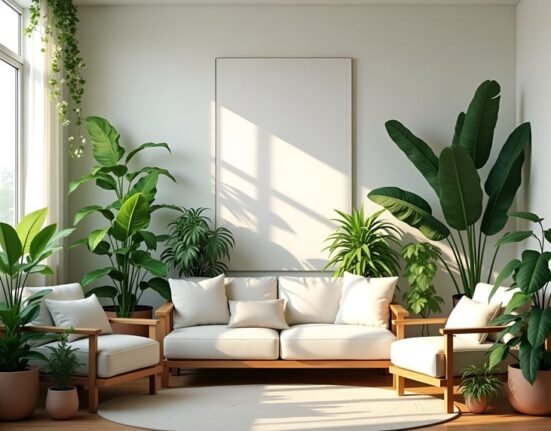
Instead, hang plants beside or above the window.
Benefits
- Keeps sunlight flowing into the room
- Makes windows look bigger
- Creates soft natural curtains
Ideal Hanging Positions
| Position | Effect |
|---|---|
| Above window frame | Raises ceiling visually |
| Side of window | Frames natural light |
| Corner near window | Blends with sunlight shadows |
Think of hanging plants as living curtains.
Hack 3: The Rule of Three for Small Spaces
In small rooms, random plants look messy.
Odd-number groupings look intentional.
The magic number? Three.
Why three works
Our brains love asymmetry. Three objects create balance without symmetry.
Mini Clustering Formula
| Plant | Height | Purpose |
|---|---|---|
| Tall | Anchor | Adds structure |
| Medium | Filler | Adds volume |
| Small | Detail | Adds interest |
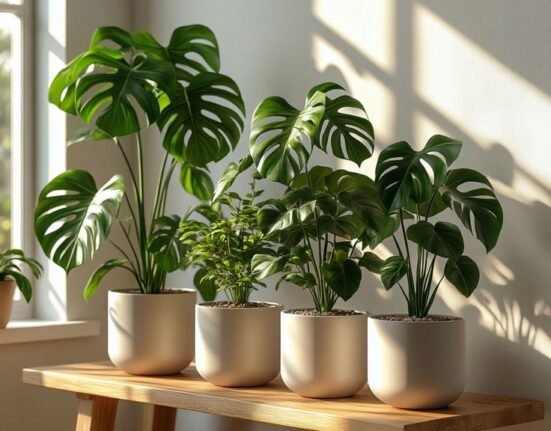
Cluster plants on:
- Nightstands
- Side tables
- Floating shelves
- Dressers
Never scatter plants randomly around the room.
Cluster them intentionally.
Hack 4: Float Plants Off the Floor
Floor space is sacred in small rooms.
Every plant on the floor reduces perceived walking space. The solution? Lift plants off the ground.
Floating Placement Ideas
- Wall shelves
- Hanging planters
- Window rods
- Wall hooks
- Ladder shelves
Space Saving Comparison
| Placement | Floor Space Used | Visual Space |
|---|---|---|
| Floor pot | High | Heavy |
| Wall planter | None | Light |
| Hanging pot | None | Airy |
The more plants you float, the larger your room feels.
Hack 5: Frame Furniture with Slim Plants
Furniture edges often look harsh in small rooms. Plants soften these edges beautifully.
Place slim plants:
- Beside couches
- Next to desks
- Near bed corners
- By TV units
What this achieves
- Breaks boxy shapes
- Adds organic curves
- Blends furniture into the room
Best Plant Shape for This Trick
- Narrow
- Upright
- Minimal spread
Avoid wide bushy plants here — they crowd pathways.
Hack 6: Turn Empty Walls into Living Plant Galleries
If you’re not using your walls, you’re losing space.
Wall plants are the ultimate small-room trick.
Living Wall Layout Example
      ●
   ●     ●
      ●
   ●     ●
Create staggered placement rather than straight lines.
Wall Plant Layout Rules
| Rule | Reason |
|---|---|
| Avoid straight rows | Looks rigid |
| Stagger heights | Creates flow |
| Leave gaps | Prevents clutter |
| Mix trailing & upright | Adds movement |
Your wall becomes art — not clutter.
Hack 7: Use Doorways as Green Frames
This hack is rarely talked about.
Doorways are transition zones. Adding plants here creates flow between spaces.
Placement Ideas
- Hanging plant above doorway
- Slim plant beside door
- Small shelf plant near frame
This creates a natural entry arch effect.
It makes rooms feel connected and intentional.
Hack 8: Place Plants Where Light Naturally Travels
Instead of placing plants where you want them, place them where light already moves.
Observe your room:
- Where do shadows fall?
- Where does sunlight travel during the day?
- Which wall gets reflected light?
Follow light patterns, not furniture layout.
Light Movement Zones
| Zone | Light Type |
|---|---|
| Window edge | Bright direct |
| Opposite wall | Reflected bright |
| Upper wall corners | Soft indirect |
| Room center | Low light |
Placing plants in light paths makes the room feel brighter.
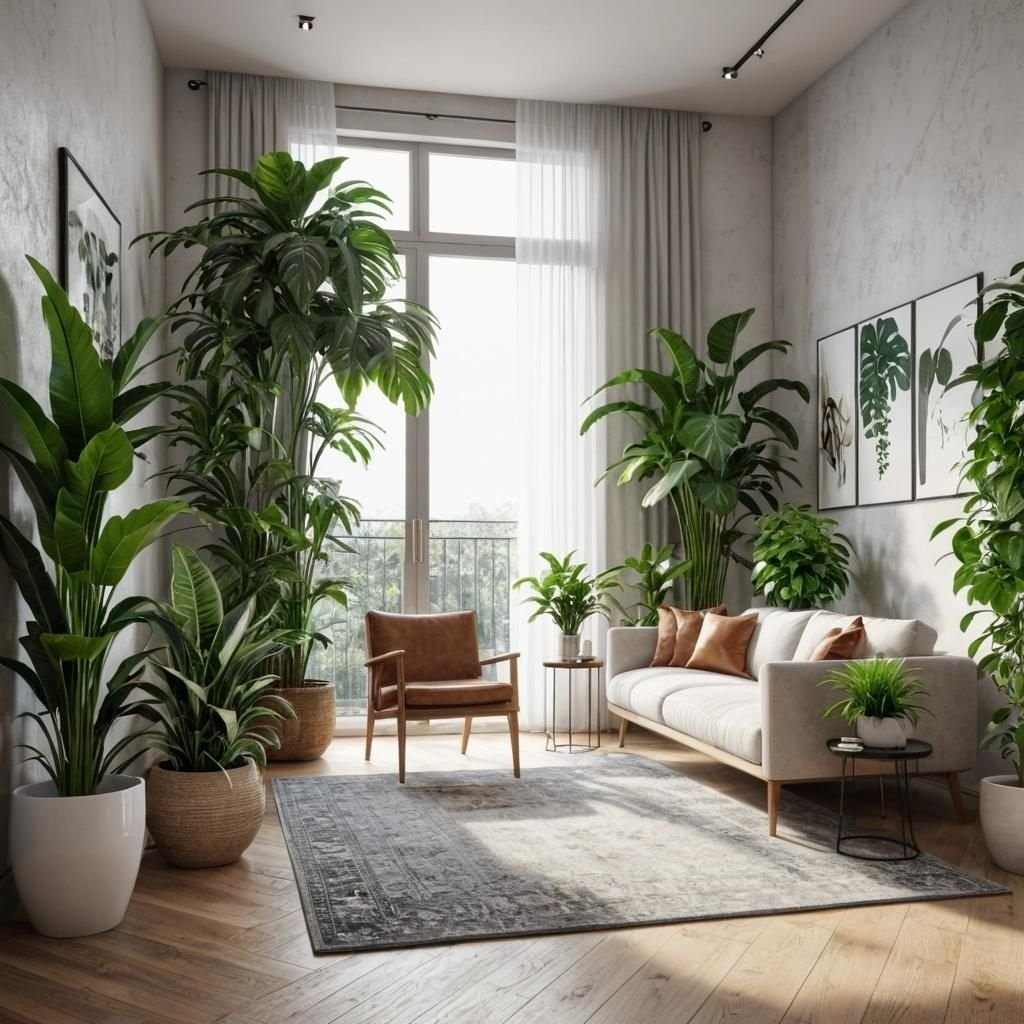
Hack 9: Create One “Statement Plant Moment”
Every small room needs one star.
Without a focal plant, many small plants feel cluttered.
The Statement Plant Rule
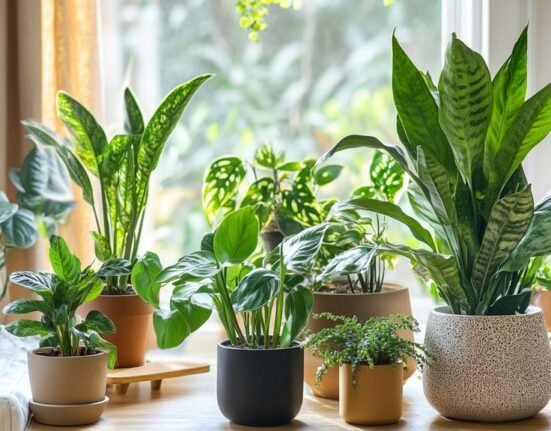
- One big plant
- Several small supporting plants
Visual Hierarchy Example
| Role | Quantity | Size |
|---|---|---|
| Statement | 1 | Large |
| Support | 3–5 | Small |
| Accent | 2–3 | Hanging |
This creates a visual story instead of chaos.
Small Room Plant Placement Mistakes to Avoid
| Mistake | Why It Hurts the Room |
|---|---|
| Blocking windows | Reduces brightness |
| Too many floor plants | Shrinks space |
| Symmetrical rows | Feels rigid |
| Large plants everywhere | Overwhelming |
| Random placement | Looks messy |
Mini Placement Worksheet
Answer these before rearranging plants:
- Where is the brightest spot in the room?
- Which corner is empty?
- Which wall is unused?
- Where is the room’s focal point?
- Which furniture edges look harsh?
Your answers tell you where plants should go.
Before & After Layout Example
Before
- Plants on window sill
- Plants scattered randomly
- Empty corners
- Bare walls
After
- Hanging plants by window
- Corner plant tower
- Wall plant gallery
- One statement plant
The room feels:
- Taller
- Brighter
- Bigger
- Calmer
Final Thoughts
Small rooms don’t need fewer plants.
They need smarter placement.
Plants are not clutter.
Poor placement is.
When used correctly, plants:
- Expand visual space
- Improve mood
- Increase brightness
- Add depth and flow
Start with one hack. Rearrange slowly. Observe the changes.
You’ll be surprised how much bigger your small room feels.
FAQs
1. How many plants are too many for a small room?
There’s no fixed number. Instead of counting plants, focus on floor space. If the floor looks crowded, move plants upward onto walls and shelves.
2. Should I avoid large plants in small rooms?
No. One large statement plant actually makes a room feel bigger by creating a focal point and adding vertical depth.
3. What is the best place to put plants in a bedroom?
Corners, window sides, floating shelves, and bedside tables are ideal. Avoid blocking natural light or walkways.
4. Can plants make a dark room feel brighter?
Yes. When placed near light paths and reflective walls, plants amplify brightness and create visual movement.
5. Is it better to cluster plants or spread them out?
Cluster in groups of three. Random spreading makes the room feel cluttered, while clusters look intentional and styled.
6. What’s the easiest placement change that makes the biggest difference?
Move plants off the floor and onto walls or hanging planters. This instantly makes a small room feel more spacious.
If you rearrange your plants using these placement hacks, you won’t just change your decor — you’ll change how your room feels. And in small spaces, that makes all the difference. 🌿