8 Smart Indoor Plants Care Mistakes to Avoid (And What to Do Instead)
Indoor plants have a way of transforming a space—not just visually, but emotionally. A room with greenery feels alive, calmer, and more inviting. Yet, for many people, the journey into indoor gardening starts with excitement and ends with disappointment. Leaves turn yellow, stems droop, and before long, once-vibrant plants become silent reminders of what went wrong.
The truth is, most indoor plant failures don’t come from neglect alone—they come from well-intentioned mistakes. Overwatering out of care. Moving plants constantly for better light. Feeding too much fertilizer in hopes of faster growth.
This guide isn’t just a list of mistakes. It’s a deep dive into the subtle habits that quietly harm your plants—and how to replace them with smarter, more intuitive care. Whether you’re a beginner or someone who’s struggled to keep plants alive, these insights can change the way you approach indoor gardening.
1. Overwatering: The Most Common Silent Killer
If there’s one mistake that tops every indoor plant care list, it’s overwatering. It’s ironic, really—plants die not because they lack care, but because they receive too much of it.
When you water excessively, the soil remains constantly wet. Roots, which need oxygen as much as water, begin to suffocate. Over time, this leads to root rot—a condition that is often irreversible if not caught early.
Why It Happens
Many people assume plants need frequent watering, especially if the surface soil looks dry. But the top inch can dry out quickly while the lower layers remain soaked.
What to Do Instead
- Check soil moisture by inserting your finger 1–2 inches deep.
- Water only when the soil feels dry at that depth.
- Use pots with drainage holes to prevent water accumulation.
A Real-Life Tip
Think of watering like feeding someone—not everyone eats the same amount at the same time. Your plant’s needs vary depending on light, temperature, and season.
2. Ignoring Light Requirements
Light is food for plants. Without enough of it, they can’t photosynthesize effectively, leading to weak growth, pale leaves, and eventual decline.
The Mistake
Placing plants wherever they “look good” instead of where they can actually thrive.
Common Signs of Poor Lighting
- Leggy stems stretching toward windows
- Faded or smaller leaves
- Slow or no growth
Smart Fix
- Understand your plant type: low-light, medium-light, or bright indirect light.
- Observe how sunlight moves in your home throughout the day.
- Rotate plants occasionally to ensure even growth.
Insight
A plant near a window isn’t always getting enough light—curtains, buildings, or even tinted glass can reduce intensity more than you think.
3. Using the Wrong Type of Soil
Soil is more than just a base—it’s the ecosystem that supports your plant’s roots.
The Mistake
Using generic garden soil for all indoor plants.
Why It’s a Problem
Different plants have different drainage needs. For example:
- Succulents need fast-draining soil
- Tropical plants prefer moisture-retentive mixes
Better Approach
- Use specialized potting mixes tailored to plant types.
- Add materials like perlite or sand to improve drainage.
- Avoid compacted soil that restricts airflow.
Think of Soil Like Clothing
You wouldn’t wear a winter coat in summer. Similarly, plants need the right “environment” for their roots.
4. Over-Fertilizing in the Name of Growth
Fertilizer is often misunderstood as a growth booster—but too much can harm more than help.
The Mistake
Applying fertilizer too frequently or in high concentrations.
Consequences
- Burnt roots
- Salt buildup in soil
- Leaf discoloration
Smarter Strategy
- Fertilize during the growing season (spring and summer).
- Use diluted solutions rather than full strength.
- Flush soil occasionally to remove excess salts.
Key Insight
Plants don’t grow faster just because you feed them more. Growth depends on light, temperature, and natural cycles—not just nutrients.
5. Neglecting Humidity Levels
Indoor environments, especially with air conditioning or heating, can be extremely dry. Many popular houseplants originate from tropical regions where humidity is much higher.
The Mistake
Ignoring the air moisture around plants.
Signs of Low Humidity
- Brown leaf edges
- Crispy tips
- Curling leaves
What Works
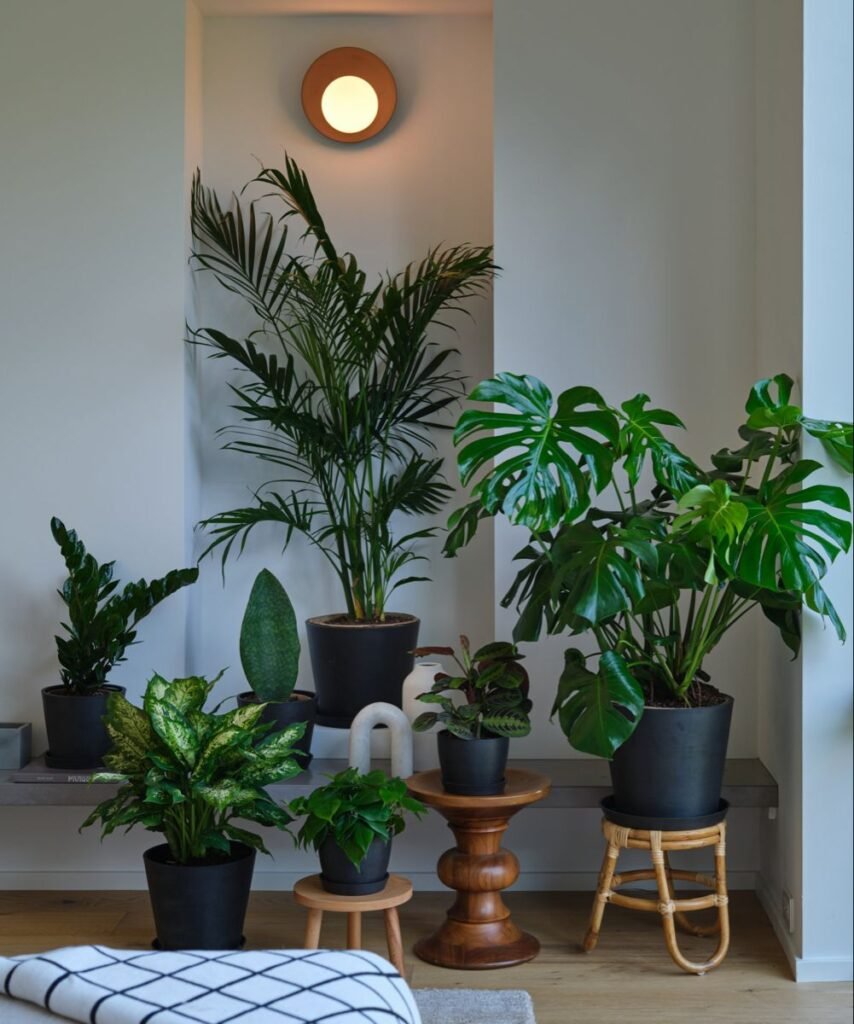
- Group plants together to create a microclimate.
- Use a humidity tray with water and pebbles.
- Mist occasionally (but don’t rely solely on it).
A Helpful Analogy
Imagine living in a desert when you’re used to a rainforest—that’s how your plant feels in dry indoor air.
6. Choosing the Wrong Pot Size
Pot size directly impacts root development and water retention.
The Mistake
Using pots that are too large or too small.
Why It Matters
- Large pots hold excess moisture, increasing rot risk.
- Small pots restrict root growth and dry out quickly.
Better Practice
- Choose a pot 1–2 inches larger than the root ball.
- Repot gradually as the plant grows.
- Always ensure proper drainage.
Pro Tip
When repotting, resist the urge to “size up” too quickly. Plants prefer gradual transitions.
7. Constantly Moving Your Plants
Plants are surprisingly sensitive to changes in their environment.
The Mistake
Relocating plants frequently in search of better aesthetics or light.
Impact
- Stress and shock
- Dropping leaves
- Slowed growth
Solution
- Find a suitable spot and allow the plant to adapt.
- Avoid sudden changes in light or temperature.
- Move only when necessary—and do it gradually.
Perspective
Plants don’t have the ability to adjust quickly like humans. Stability is key to their well-being.
8. Ignoring Early Warning Signs
Plants communicate through their appearance. Ignoring subtle changes often leads to bigger problems.
The Mistake
Waiting until the plant is visibly dying before taking action.
Early Signs to Watch
- Slight yellowing of leaves
- Minor drooping
- Spots or discoloration
What to Do
- Act immediately when you notice changes.
- Identify the cause—watering, light, pests, or nutrients.
- Adjust care accordingly.
Important Reminder
Small issues are easy to fix. Big ones are often not.
Beyond Mistakes: Building a Healthy Plant Routine
Avoiding mistakes is only half the equation. Developing a consistent care routine is what truly helps plants thrive.
Create a Weekly Check-In
Spend a few minutes observing:
- Soil moisture
- Leaf condition
- Growth patterns
Understand Seasonal Changes
Plants grow actively in warmer months and slow down in winter. Adjust watering and feeding accordingly.
Keep Learning
Every plant is different. What works for one may not work for another. Experience is your best teacher.
A Short Reflection: Learning from Failure
Every plant owner has lost a plant at some point. It’s not a sign of failure—it’s part of the learning process. Each mistake teaches you something new about balance, observation, and patience.
Indoor gardening isn’t about perfection. It’s about connection—understanding living things and responding to their needs over time.
Frequently Asked Questions (FAQs)
1. How often should I water my indoor plants?
There’s no fixed schedule. It depends on the plant type, pot size, and environment. Always check the soil before watering.
2. Why are my plant’s leaves turning yellow?
Yellowing can result from overwatering, poor drainage, or lack of nutrients. Assess all conditions before making changes.
3. Do indoor plants need direct sunlight?
Not all. Many thrive in bright, indirect light. Direct sunlight can even burn some plants.
4. Is misting enough to increase humidity?
Misting helps temporarily but isn’t sufficient on its own. Consider grouping plants or using a humidity tray.
5. When should I repot my plant?
Repot when roots outgrow the pot, usually every 1–2 years. Signs include roots emerging from drainage holes.
6. Can I use tap water for my plants?
Yes, but let it sit for 24 hours to allow chlorine to dissipate. Some sensitive plants prefer filtered water.
Final Thoughts
Caring for indoor plants is a journey filled with small discoveries. The difference between thriving plants and struggling ones often lies in avoiding simple yet impactful mistakes. By paying attention, staying consistent, and learning from experience, you can create a home filled with healthy, vibrant greenery.
Remember—plants don’t need perfection. They need understanding.