5 Proven Indoor Plants Light Secrets I Discovered Late
Indoor plants have a strange way of teaching patience. You water them, rotate them, talk to them, and sometimes still watch them struggle. For years, I thought indoor plant success depended mostly on watering schedules and fertilizer. I blamed bad soil, cheap pots, or even the plant species itself.
But eventually, after too many droopy leaves and disappointing growth spurts, I realized something humbling: light was the real missing piece.
This article is a deep dive into the five light secrets that completely changed how my indoor plants grow, look, and survive. These lessons came from trial, mistakes, and finally understanding how light actually works inside homes.
This is not a quick tips post. It’s a practical, experience-driven guide packed with diagrams, tables, mini experiments, and real-world examples you can apply immediately.
Why Indoor Plant Light Is So Misunderstood
Before we jump into the secrets, let’s talk about why lighting confuses so many plant owners.
Most plant labels say things like:
- Bright indirect light
- Medium light
- Low light
These phrases sound helpful… but they’re actually vague and misleading.
Indoor light is affected by:
- Window direction
- Season
- Time of day
- Curtains
- Wall color
- Floor reflections
- Weather patterns
Two homes in the same city can have wildly different lighting conditions.
Understanding this is the foundation for everything that follows.
Secret #1 — “Bright Indirect Light” Is a Location, Not a Window
This was the biggest breakthrough I discovered — and embarrassingly late.
For years, I believed placing plants near a window meant they were getting bright indirect light.
Not true.
A plant can sit next to a window and still live in low light.
The Reality of Light Drop-Off
Light intensity drops dramatically as you move away from a window.
Here’s a simple visualization:
| Distance From Window | Light Remaining |
|---|---|
| On the windowsill | 100% |
| 1 meter away | 50% |
| 2 meters away | 25% |
| 3 meters away | 10% |
| Opposite wall | 5% |
This explains why plants in room corners slowly decline.
They aren’t dying suddenly — they’re starving slowly.
The Bright Indirect Zone
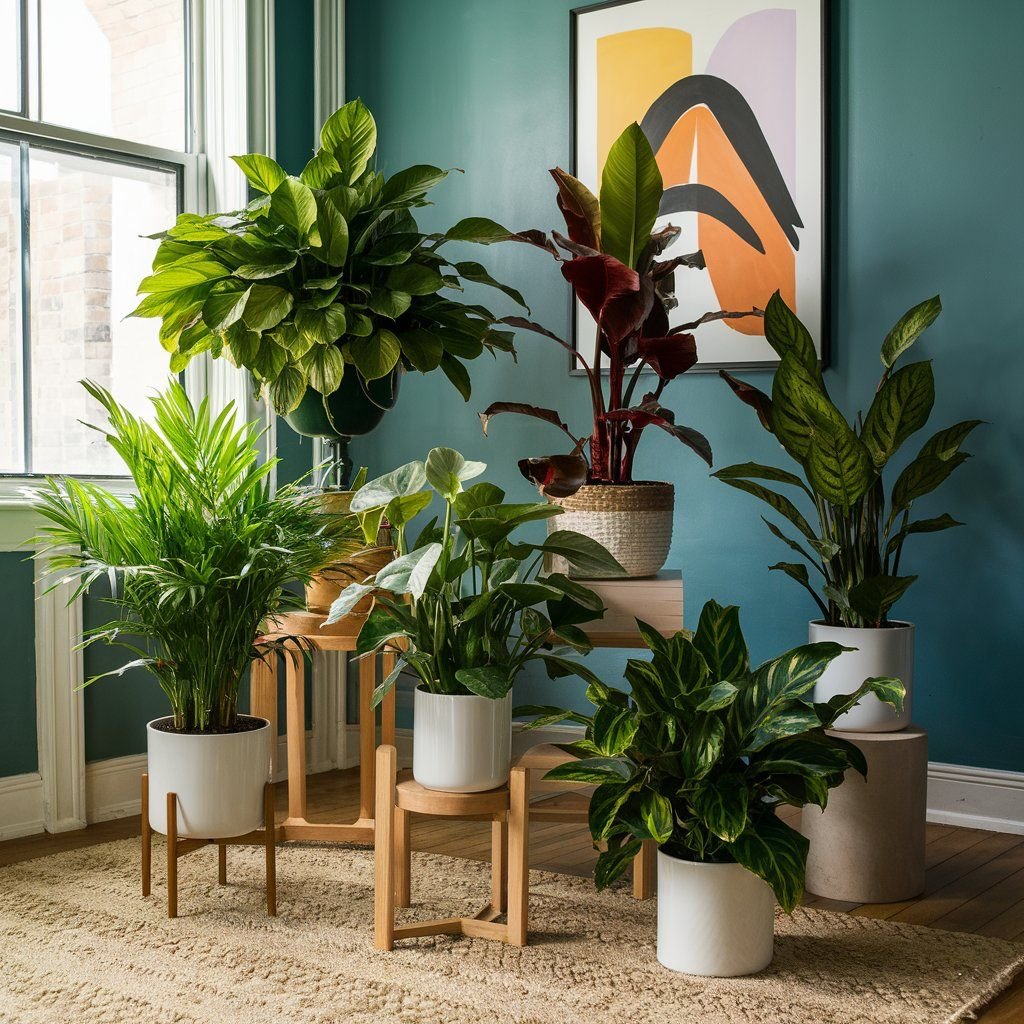
The real bright indirect zone is typically:
- Within 1 meter of a window
- Not in direct sun beams
- Able to see the sky clearly from plant position
Simple test:
Sit where your plant sits. If you can’t see the sky, the plant can’t either.
This single realization instantly fixed growth issues in multiple plants.
Secret #2 — Window Direction Matters More Than You Think
Not all windows are equal. This sounds obvious, but the difference is enormous.
Window Light Comparison
| Window Direction | Light Strength | Duration | Plant Friendliness |
|---|---|---|---|
| South-facing | Very strong | All day | Excellent |
| East-facing | Gentle morning | 4–6 hours | Ideal |
| West-facing | Harsh afternoon | 4–6 hours | Good with care |
| North-facing | Soft & weak | All day | Low-light only |
For years, I placed plants randomly across windows, assuming glass = good.
But a north-facing window can deliver 10x less light than a south-facing one.
Why East Windows Are Secretly Amazing
Morning sun is:
- Cooler
- Gentler
- Less drying
- Less scorching
Many plants thrive best in east windows because they receive enough light without stress.
After moving most of my collection to east-facing windows, growth doubled within weeks.
Secret #3 — The Room Brightness Lie
Here’s something that shocked me:
A room that looks bright to humans can still be too dark for plants.
Human eyes adapt incredibly well to low light. Plants cannot.
Human Vision vs Plant Needs
| Situation | Humans | Plants |
|---|---|---|
| Overcast day | Bright enough | Weak light |
| Living room lighting | Comfortable | Very low light |
| Hallway lighting | Visible | Near darkness |
Plants need 10–20x more light than we do for daily living.
That means your cozy living room might feel bright but function like twilight for plants.
The Phone Shadow Test
Try this simple test:
Hold your hand above the plant and look at the shadow.
| Shadow Type | Light Level |
|---|---|
| Sharp, dark shadow | Bright light |
| Soft shadow | Medium light |
| Barely visible shadow | Low light |
This tiny trick saved me from guessing.
Secret #4 — Seasons Change Everything Indoors
This was a painful discovery.
Plants that thrived in summer suddenly declined in winter — even though they never moved.
What changed? Sun angle.
Seasonal Light Shift
In winter:
- Sun sits lower in the sky
- Days are shorter
- Light intensity drops by up to 60%
Your plant’s bright spot in June can become a low-light zone in December.
Seasonal Light Adjustment Plan
| Season | Action |
|---|---|
| Spring | Resume normal placement |
| Summer | Protect from harsh sun |
| Autumn | Move plants closer to windows |
| Winter | Move plants to brightest spots |
I now do a “seasonal plant shuffle” twice a year.
This alone stopped winter leaf drop across my collection.
Secret #5 — Light Direction Shapes Plant Growth
Plants don’t just need light — they chase light.
This explains:
- Leaning stems
- Uneven growth
- Sparse leaves
Plants grow toward the strongest light source.
Why Plants Lean
Light hits from one side → growth hormones shift → plant bends toward light.
This is called phototropism.
The Rotation Rule
Rotate plants every 7–10 days.
Benefits:
- Balanced growth
- Fuller shape
- Stronger stems
- Even leaf distribution
This simple habit transformed the appearance of my plants more than any fertilizer ever did.
Real Placement Examples From My Home
Here are real setups that worked after applying the five secrets.
Living Room Layout Fix
Before:
- Plants on coffee table (3m from window)
- Slow growth, yellow leaves
After:
- Moved to window side table (1m away)
- Growth resumed within 3 weeks
Bedroom Plant Rescue
Before:
- Snake plant in dark corner
- No new growth for months
After:
- Moved beside east window
- New shoots in 30 days
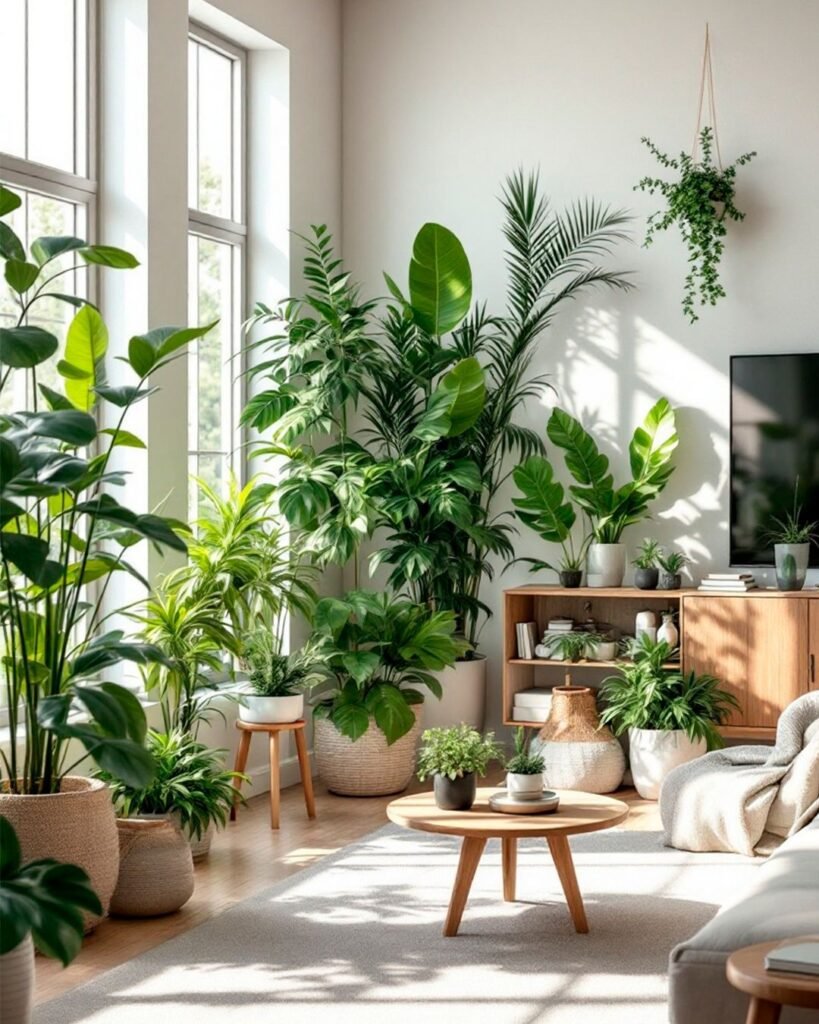
Light Placement Cheat Sheet
| Plant Type | Ideal Window | Distance |
|---|---|---|
| Snake Plant | North / East | 0.5–1.5 m |
| Pothos | East / South | 0.5–1 m |
| Monstera | East / South | 1 m |
| Succulents | South | Windowsill |
| Peace Lily | North / East | 0.5–1 m |
Common Lighting Mistakes (And Fixes)
Mistake 1: Trusting Plant Tags Blindly
Fix: Observe plant behavior.
Mistake 2: Ignoring Seasonal Changes
Fix: Move plants twice yearly.
Mistake 3: Decorating Instead of Positioning
Fix: Prioritize light first, aesthetics second.
Mistake 4: Believing Artificial Room Lights Are Enough
Fix: They rarely replace sunlight.
Mini Experiment You Can Try This Week
Move one struggling plant closer to a window for 2 weeks.
Watch for:
- New leaf growth
- Richer color
- Faster soil drying
You’ll likely see changes quickly.
How Light Affects Plant Behavior
Better light results in:
- Bigger leaves
- Shorter gaps between leaves
- Stronger stems
- Faster growth
- Less watering issues
Light indirectly fixes many plant problems.
When to Consider Grow Lights
If your home has:
- Only north-facing windows
- Heavy curtains
- Deep rooms
Grow lights can help — but placement and duration matter.
Daily Light Needs by Category
| Plant Category | Hours Needed |
|---|---|
| Low-light plants | 4–6 hours |
| Medium-light plants | 6–8 hours |
| Bright-light plants | 8–12 hours |
The Emotional Side of Lighting
Plants thriving changes how a home feels.
Healthier plants create:
- Movement
- Color
- Calm
- Satisfaction
Lighting isn’t just a technical detail — it shapes the entire indoor environment.
Final Thoughts
These five light secrets changed everything for me:
- Bright indirect light is about distance, not windows.
- Window direction determines plant success.
- Human brightness ≠ plant brightness.
- Seasons reshape indoor light dramatically.
- Plants grow toward light — rotate them regularly.
Once you understand light, indoor plants stop feeling unpredictable.
They finally start feeling easy.
FAQs
1. How do I know if my plant isn’t getting enough light?
Common signs include slow growth, smaller leaves, yellowing leaves, and leaning stems. If growth stops for months, lighting is often the issue.
2. Can indoor lights replace sunlight?
Most regular home lights cannot fully replace sunlight. Dedicated grow lights can help, especially in darker homes or winter months.
3. How often should I rotate my plants?
Every 7–10 days is ideal to keep growth balanced and prevent leaning.
4. Is direct sunlight always bad for indoor plants?
No. Some plants like succulents and cacti thrive in direct sun. The key is matching plant type with window direction.
5. Why do my plants struggle in winter?
Winter brings shorter days and weaker sunlight. Moving plants closer to windows usually solves the issue.
6. What’s the easiest window for beginners?
East-facing windows are the safest and most forgiving for most indoor plants.
If there’s one lesson to remember, it’s this:
Indoor plant success begins with light. Once that’s right, everything else becomes easier. 🌿