11 Ultimate Indoor Plants Care Guide for Lush Plants
There’s something quietly transformative about bringing indoor plants into your space. At first, it feels like decoration—a splash of green against neutral walls, a living accent on a shelf. But over time, plants become more than that. They respond, they change, they thrive—or struggle—depending on how you care for them. And in that process, you learn patience, observation, and the subtle art of nurturing life.
This guide isn’t just a checklist. It’s a collection of lessons, habits, and small realizations that turn ordinary plant care into something meaningful. Whether you’re new to indoor gardening or you’ve kept plants for years, these 11 ultimate care principles will help you grow healthier, fuller, and more vibrant plants.
1. Understand Light Like a Plant Does
Light is the single most important factor in indoor plant care, yet it’s often misunderstood. Many people assume “bright room” equals “bright light,” but plants don’t see rooms—they experience intensity at leaf level.
Spend a day observing how sunlight moves across your space. Morning light tends to be softer and cooler, while afternoon sun can be intense and harsh. A plant placed two feet away from a window receives significantly less light than one directly on the sill.
Instead of guessing, notice your plant’s response:
- Leggy growth? It’s stretching for more light.
- Pale leaves? Possibly too much direct sun.
- Slow growth? Light may be insufficient.
Rotate your plants every week or two to ensure even growth. Over time, you’ll develop a sense of where each plant feels “at home.”
2. Watering Is About Rhythm, Not Routine
One of the most common mistakes is watering on a fixed schedule. Plants don’t follow calendars—they respond to environment.
A plant in a warm, bright room may need water twice a week. The same plant in a cooler, shaded corner might only need water every 10 days.
Instead of sticking to a schedule, check the soil:
- Insert your finger about an inch deep.
- If it feels dry, it’s time to water.
- If it’s still moist, wait.
When you do water, do it thoroughly. Let water run through the drainage holes, ensuring the entire root system gets hydrated. Then allow the excess to drain completely—plants dislike sitting in soggy soil.
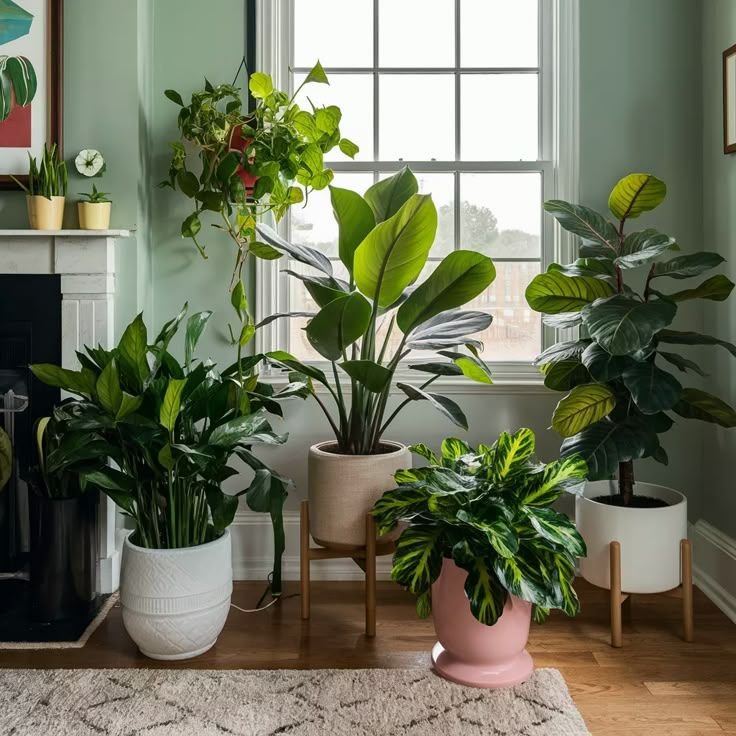
3. Choose the Right Soil, Not Just Any Soil
Soil is more than dirt—it’s the environment where roots live. Using the wrong mix can suffocate roots or leave them too dry.
Indoor plants generally prefer well-draining soil. You can improve standard potting mix by adding:
- Perlite for aeration
- Coco coir for moisture balance
- Sand for drainage
Think of soil as a balance between holding moisture and allowing airflow. Roots need both water and oxygen, and the right mix provides that harmony.
4. Pot Selection Matters More Than You Think
The pot isn’t just a container—it affects how water behaves around your plant.
Clay pots are porous, allowing moisture to evaporate quickly. They’re great for plants that prefer drier conditions. Plastic pots retain moisture longer, making them suitable for plants that enjoy consistent hydration.
Always ensure your pot has drainage holes. Without them, water accumulates at the bottom, leading to root rot—a silent killer of indoor plants.
Repotting is equally important. When roots outgrow their container, they become cramped, limiting growth. Signs it’s time to repot include roots circling the pot or water draining too quickly.
5. Humidity: The Invisible Factor
Indoor air, especially with fans or air conditioning, tends to be dry. Many houseplants originate from tropical environments where humidity is naturally high.
If you notice:
- Brown leaf edges
- Curling leaves
- Crispy tips
…it might not be a watering issue—it could be low humidity.
Simple ways to increase humidity:
- Group plants together
- Place a tray of water nearby
- Mist occasionally (though not excessively)
For more sensitive plants, a small humidifier can make a noticeable difference.
6. Feeding Your Plants: Less Is More
Plants need nutrients, but over-fertilizing can do more harm than good. Think of fertilizer as a supplement, not a meal.
During active growth (spring and summer), feed your plants lightly every few weeks. In colder months, reduce or stop feeding altogether—most plants enter a slower growth phase.
Watch for signs:
- Yellowing leaves may indicate nutrient deficiency
- Burnt leaf tips can signal over-fertilization
When in doubt, dilute your fertilizer more than recommended. Plants recover faster from underfeeding than overfeeding.
7. Pruning for Growth and Shape
Pruning isn’t just about removing dead leaves—it encourages healthier, fuller growth.
By trimming leggy stems, you redirect energy into new shoots. Regular pruning helps maintain shape and prevents plants from becoming sparse or uneven.
Use clean, sharp scissors and cut just above a leaf node (the point where leaves emerge). This is where new growth will appear.
Don’t be afraid to prune. It may feel harsh at first, but plants often respond with renewed vigor.
8. Clean Leaves, Healthy Plants
Dust doesn’t just dull the appearance of leaves—it blocks sunlight and reduces photosynthesis.
Every few weeks, gently wipe leaves with a damp cloth. For smaller plants, a quick rinse under lukewarm water works well.
Clean leaves breathe better, absorb more light, and simply look more alive.
9. Watch for Pests Early
Indoor plants are not immune to pests. Tiny insects like spider mites, aphids, or fungus gnats can appear without warning.
Early signs include:
- Sticky residue on leaves
- Fine webbing
- Tiny moving dots
Check your plants regularly, especially the undersides of leaves. If you spot pests, act quickly:
- Rinse the plant
- Remove affected leaves
- Use mild natural treatments if needed
Consistency matters more than intensity. Regular checks prevent small issues from becoming major problems.
10. Temperature Stability Is Key
Plants prefer consistency. Sudden temperature changes can stress them, even if the average temperature seems fine.
Avoid placing plants:
- Near air vents
- Next to heaters
- In drafty areas
Most indoor plants thrive in temperatures comfortable for humans. If you feel comfortable, your plants likely do too.
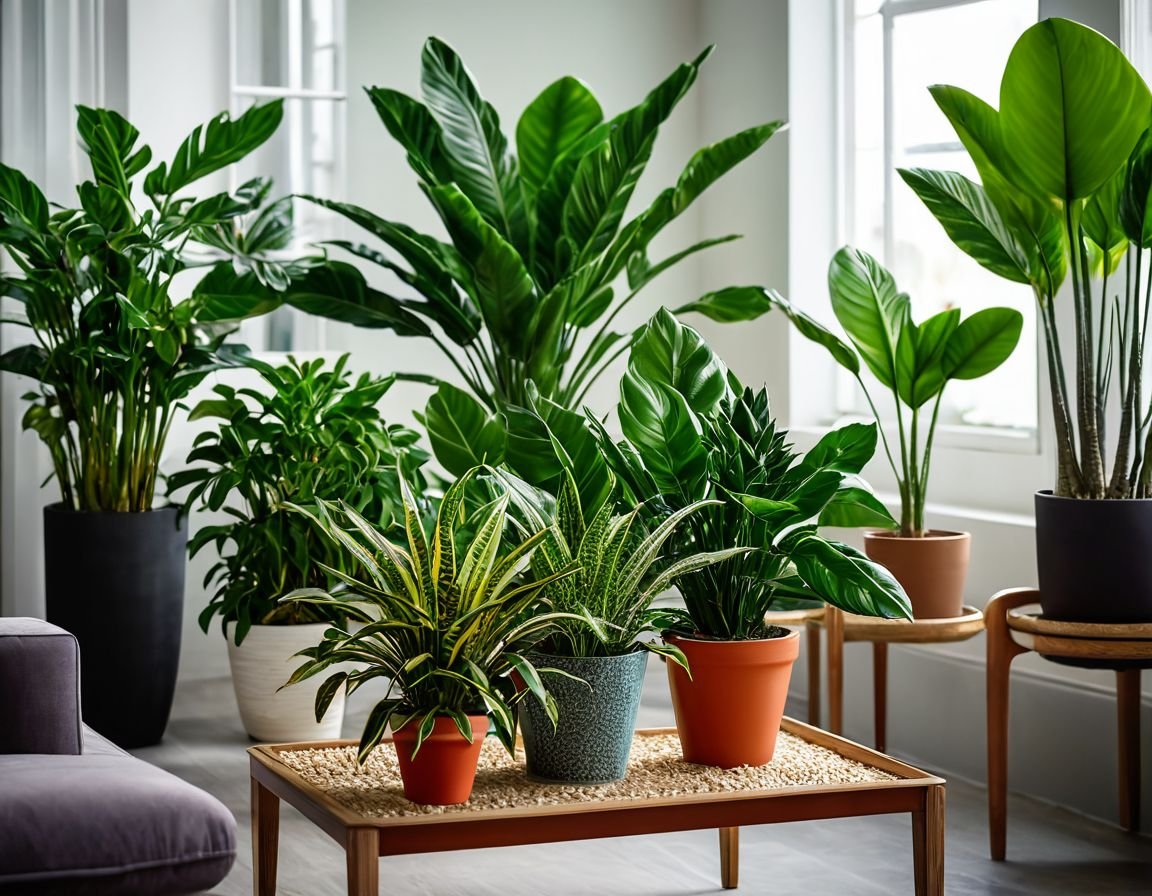
11. Learn Each Plant’s Personality
No two plants are exactly alike. Even within the same species, individual plants may respond differently based on their environment.
Pay attention to how your plant behaves:
- How quickly does it dry out?
- Where does it grow best?
- How does it respond to changes?
Over time, you’ll develop an intuitive understanding. Plant care becomes less about rules and more about relationship.
Creating a Living Space, Not Just a Collection
Caring for indoor plants isn’t about perfection—it’s about attention. Some leaves will yellow. Some plants may struggle. That’s part of the process.
What matters is how you respond, adjust, and learn.
As your plants grow, so does your awareness. You begin to notice subtle changes in light, moisture, and temperature. You become more present, more observant.
And in return, your plants reward you—not just with lush leaves, but with a sense of calm and connection that’s hard to find elsewhere.
FAQs About Indoor Plant Care
1. How often should I water my indoor plants?
It depends on the plant, light, and environment. Always check the soil instead of following a strict schedule. Most plants prefer slightly dry soil before watering again.
2. Why are my plant leaves turning yellow?
Yellow leaves can result from overwatering, poor drainage, or lack of nutrients. Check the soil moisture and adjust your care routine accordingly.
3. Do indoor plants really need fertilizer?
Yes, but only in small amounts. Feed during the growing season and avoid over-fertilizing, which can damage roots.
4. Can indoor plants survive without sunlight?
All plants need light, but some tolerate low-light conditions. If natural light is limited, consider repositioning plants closer to windows.
5. How do I increase humidity for my plants?
You can group plants, mist them occasionally, or place a water tray nearby. A humidifier is also an effective option for dry environments.
6. When should I repot my plant?
Repot when roots outgrow the container, typically every 1–2 years. Signs include roots circling the pot or water draining too quickly.
Taking care of indoor plants isn’t about mastering everything at once. It’s about showing up, paying attention, and improving a little each day. With these 11 ultimate care principles, you’re not just growing plants—you’re creating a thriving indoor ecosystem that evolves with you.