8 Indoor Plants Styling Ideas That Changed My Living Room
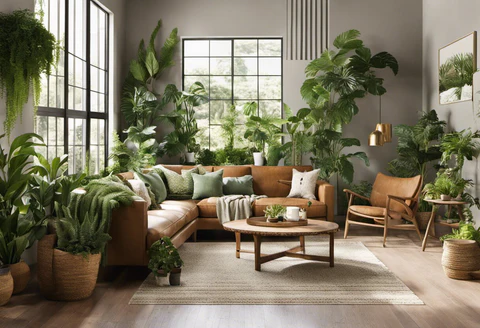
There was a time when my living room felt unfinished no matter how many cushions I arranged or how many wall prints I hung. The space looked tidy, but it lacked warmth and personality. Everything changed the moment I started experimenting with indoor plants—not just placing them randomly, but styling them intentionally.
What surprised me most wasn’t how expensive or complicated the transformation was. It was how small, thoughtful changes created a layered, vibrant space that felt alive. Over time, I discovered styling approaches that didn’t just decorate the room—they reshaped the mood, flow, and even how I spent time there.
This article is a deep dive into the eight indoor plant styling ideas that completely transformed my living room. You’ll find practical guidance, visual tables, mini charts, and real-life lessons so you can recreate (or improve on) the transformation in your own space.
Why Plants Change a Room More Than Furniture
Before diving into the ideas, it helps to understand why plants have such a powerful effect.
Plants introduce three elements most homes lack:
- Organic shapes
- Natural color gradients
- Living movement
Furniture is static. Plants evolve. Leaves grow, light shifts, shadows move, and suddenly your room feels dynamic rather than staged.
The Psychological Effect of Indoor Plants
| Benefit | What It Means for Your Living Room |
|---|---|
| Visual softness | Breaks harsh lines of furniture and walls |
| Depth & layering | Adds foreground, midground, and background |
| Mood boost | Green tones reduce visual fatigue |
| Texture diversity | Glossy, matte, fuzzy, spiky contrasts |
| Air freshness perception | Makes space feel cleaner and calmer |
Think of plants as living décor rather than accessories.
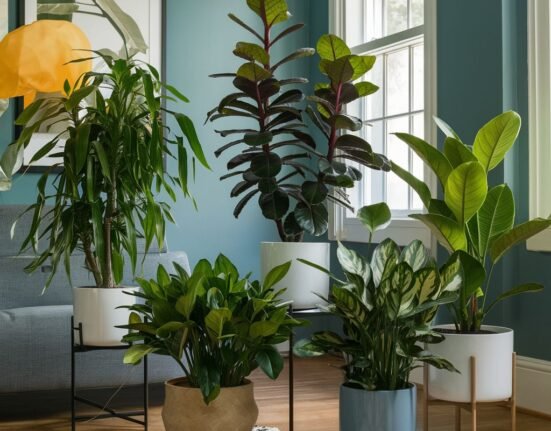
Idea 1 — The Statement Corner Tree
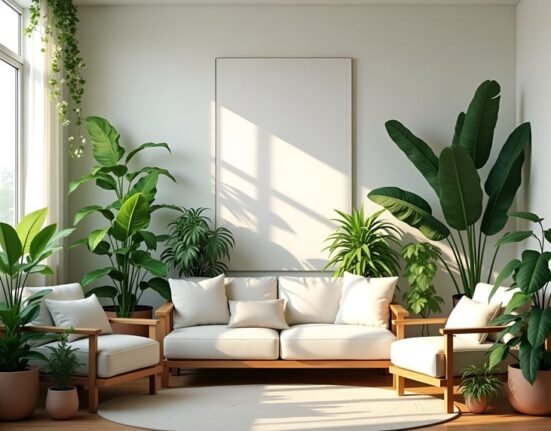
The first change I made was bold: I stopped using empty corners as storage spaces and turned one into a “plant anchor.”
A large plant acts like a vertical sculpture. It draws the eye upward and balances furniture height.
How I Styled It
I chose a tall plant and paired it with:
- A woven basket planter
- A small floor lamp behind it
- A neutral rug underneath
This created a cozy micro-zone inside the room.
Ideal Plants for Statement Corners
| Plant Type | Height Potential | Light Needs | Difficulty |
|---|---|---|---|
| Fiddle leaf fig | 5–8 ft | Bright indirect | Medium |
| Rubber plant | 4–6 ft | Medium–bright | Easy |
| Kentia palm | 6–10 ft | Low–medium | Easy |
| Bird of paradise | 5–7 ft | Bright | Medium |
Visual Height Balance Chart
Before Plants:
Sofa Height     ████
Cabinet Height  █████
Wall Height     ███████████

After Corner Plant:
Sofa Height     ████
Cabinet Height  █████
Plant Height    ████████
Wall Height     ███████████
The room instantly felt taller.
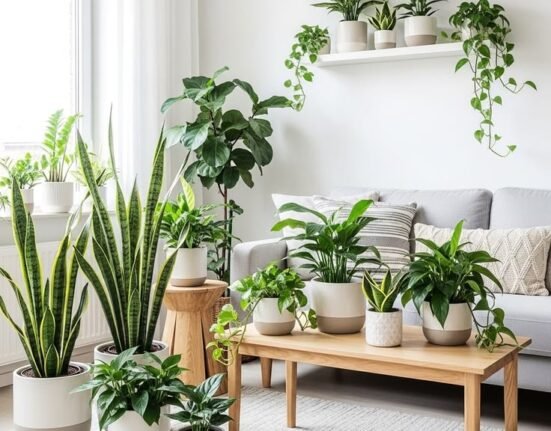
Idea 2 — The Coffee Table Mini Garden
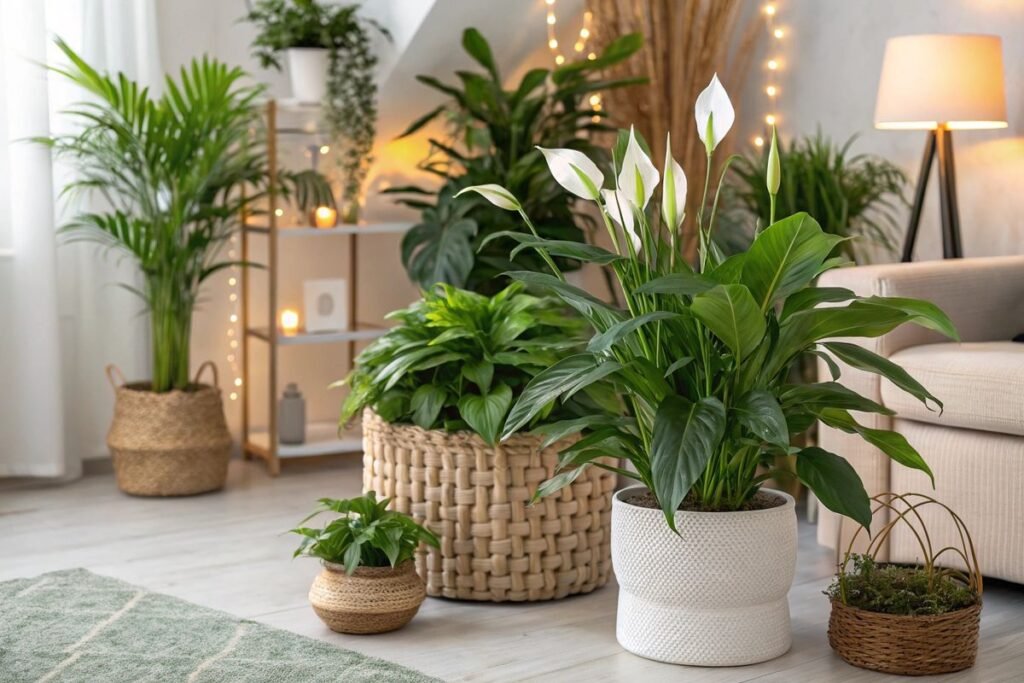
Instead of using a single plant centerpiece, I created a small plant cluster.
The trick is using odd numbers and varying heights.
My Coffee Table Formula
I grouped:
- One trailing plant
- One upright plant
- One small sculptural plant
Perfect Coffee Table Trio
| Plant Role | Example Types | Why It Works |
|---|---|---|
| Trailing | Pothos, string of pearls | Adds movement |
| Upright | Snake plant, ZZ plant | Adds structure |
| Accent | Succulent, cactus | Adds detail |
Arrangement Diagram
Top View Layout:

   (Trailing)
       ○
  ○         ○
(Upright) (Accent)
This small change made the coffee table feel curated instead of cluttered.
Idea 3 — The Floating Shelf Jungle
Wall shelves were previously filled with books and candles. Adding plants made them feel layered and alive.
Shelf Styling Rule: 60–30–10
| Element | Percentage |
|---|---|
| Books & decor | 60% |
| Plants | 30% |
| Empty space | 10% |
Empty space is crucial—it prevents visual overwhelm.
Best Shelf Plants
| Plant | Shelf Benefit |
|---|---|
| Pothos | Trails beautifully downward |
| Philodendron | Softens shelf edges |
| Spider plant | Creates fountain shape |
| Small ferns | Adds fluffiness |
Shelf Balance Chart
Too Empty:      ███
Balanced:       █████████
Overcrowded:    ███████████████
Aim for the middle.
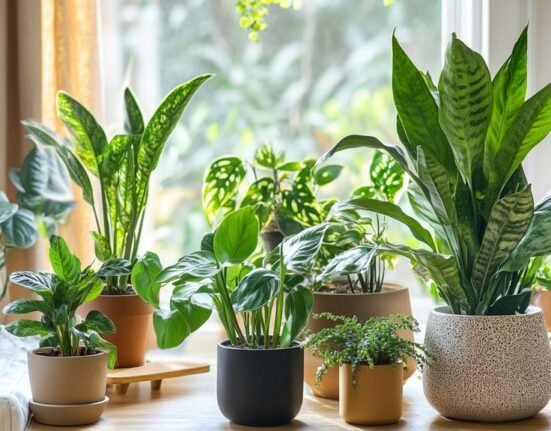
Idea 4 — The Window Layering Effect
Windows are prime plant real estate, but most people line plants in a straight row. I learned layering creates depth.
The 3-Layer Window Formula
| Layer | Placement | Plant Type |
|---|---|---|
| Back | Floor | Tall plants |
| Middle | Window sill | Medium plants |
| Front | Hanging | Trailing plants |
Depth Illustration
Wall
| Tall Plant |
| Medium Plant |
| Hanging Plant |
Room
This created a lush, greenhouse-like feeling without crowding the room.
Idea 5 — The Plant Ladder Display
A plant ladder became the most complimented item in my living room.
It uses vertical space while keeping floor space free.
Why Ladders Work
| Benefit | Result |
|---|---|
| Vertical layering | Adds height variation |
| Easy rearrangement | Flexible styling |
| Compact footprint | Great for small rooms |
Ladder Plant Placement Strategy
| Shelf Level | Ideal Plant Size |
|---|---|
| Top | Small plants |
| Middle | Medium plants |
| Bottom | Larger pots |
Visual Height Gradient
Top Shelf      ●
Middle Shelf   ●●
Bottom Shelf   ●●●
A visual “pyramid” feels balanced.
Idea 6 — The Plant + Lighting Combo
Plants look dramatically different at night. Adding warm lighting changed everything.
Lighting Types That Work Best
| Light Type | Effect |
|---|---|
| Floor lamp behind plant | Creates shadow art |
| Fairy lights | Cozy atmosphere |
| Spotlights | Dramatic focal point |
Mood Impact Chart
No Lighting        😐
Overhead Only      🙂
Plant Lighting     😍
Plants became nighttime décor too.
Idea 7 — Mixing Planter Textures
At first, all my pots matched. It looked neat… but boring.
Mixing textures created richness.
Texture Mix Guide
| Texture | Example |
|---|---|
| Woven | Rattan baskets |
| Matte | Ceramic pots |
| Metallic | Brass planters |
| Natural | Clay terracotta |
Texture Balance Ratio
| Texture Type | Ideal Percentage |
|---|---|
| Neutral ceramics | 40% |
| Natural materials | 30% |
| Statement pots | 20% |
| Metallic accents | 10% |
This made the plants feel part of the décor, not separate from it.
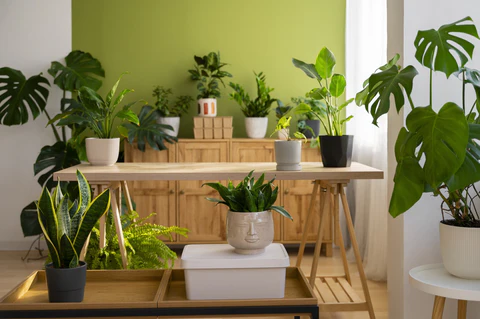
Idea 8 — Creating Micro Plant Zones
Instead of scattering plants randomly, I created mini plant zones.
My Living Room Plant Zones
| Zone | Purpose |
|---|---|
| Reading corner | Calm and cozy |
| TV area | Softens electronics |
| Window zone | Bright and fresh |
| Coffee table | Social focal point |
This zoning made the room feel intentional and designed.
Before vs After Transformation Summary
| Element | Before | After |
|---|---|---|
| Visual height | Flat | Layered |
| Mood | Neutral | Cozy & vibrant |
| Focal points | Few | Multiple |
| Texture | Limited | Rich & varied |
| Lighting | Basic | Atmospheric |
Budget Breakdown
You don’t need a big budget to transform your space.
| Item | Average Cost Range |
|---|---|
| Large statement plant | $25–60 |
| Small plants | $5–15 |
| Plant ladder | $30–70 |
| Planters | $5–25 |
| Lighting | $10–30 |
A complete transformation can happen under a modest budget.
Weekly Maintenance Schedule
| Day | Task |
|---|---|
| Monday | Check soil moisture |
| Wednesday | Rotate plants |
| Friday | Wipe leaves |
| Sunday | Light pruning |
Consistency keeps plants looking styled, not messy.
Final Thoughts
Styling plants isn’t about filling a room with greenery. It’s about placing life where life feels missing.
The biggest lesson? Plants work best when treated as design elements—just like furniture, lighting, and art.
When styled thoughtfully, they don’t just decorate a room.
They change how the room feels.
FAQs
1. How many plants should a living room have?
There’s no fixed number, but a good starting range is 5–12 plants depending on room size. Focus on height variation rather than quantity.
2. What are the easiest plants for beginners?
Snake plant, pothos, ZZ plant, and spider plant are extremely forgiving and ideal for first-time plant styling.
3. How do I keep my living room from looking cluttered?
Use the 60–30–10 rule (decor–plants–empty space) and create plant zones instead of scattering plants randomly.
4. Can plants work in low-light living rooms?
Yes. Choose low-light plants like snake plant, ZZ plant, or pothos and place them near windows whenever possible.
5. Should planters match or be different?
A mix works best. Too much matching feels flat; too much variety feels chaotic. Aim for a balanced texture mix.
6. How often should I rearrange my plants?
Every 2–3 months. Seasonal rearranging keeps the room feeling fresh and helps plants grow evenly.
If there’s one takeaway from this entire journey, it’s this:
You don’t need a new sofa or expensive décor to reinvent your living room.
Sometimes, all it takes is a few well‑placed plants—and the willingness to experiment. 🌿