5 Smart Indoor Plants Decor Tips for Budget-Friendly Homes
A practical, lived-in guide to styling greenery without overspending
Indoor plants have quietly become the most affordable luxury in modern homes. A single leafy corner can soften harsh lines, brighten dull walls, and make even rented apartments feel intentional. But here’s the reality most décor articles skip: many plant styling ideas online assume unlimited budgets, oversized homes, and constant access to expensive planters and décor pieces.
This article is different.
Instead of aspirational perfection, this guide focuses on smart plant styling for real homes with real budgets. The goal is simple: make your home feel richer, calmer, and more alive without draining your wallet.
By the end of this long-form guide, you’ll know how to:
- Choose plants that give maximum visual impact for minimal cost
- Style plants using items you already own
- Create designer-looking arrangements without designer price tags
- Avoid common budget mistakes
- Build a plant décor system that grows slowly over time
We’ll also include tables, charts, and actionable systems you can actually follow.
Let’s begin.
Why Indoor Plants Are the Perfect Budget Decor
Before diving into the tips, it helps to understand why plants are uniquely powerful in budget décor.
Most décor items are static. Once you buy them, they remain the same forever. Plants are different.
Plants grow. They evolve. They multiply. They fill space over time.
This means your décor investment appreciates visually rather than depreciating.
The Budget Decor Comparison Table
| Decor Item | Average Cost | Lifespan | Visual Growth Over Time | Mood Impact |
|---|---|---|---|---|
| Wall Art | Medium–High | Permanent | None | Moderate |
| Rugs | Medium–High | 3–5 years | None | Moderate |
| Decorative Objects | Medium | Permanent | None | Low |
| Indoor Plants | Low–Medium | Years | High | Very High |
Plants win in almost every category.
They are living décor.
And living décor feels luxurious.
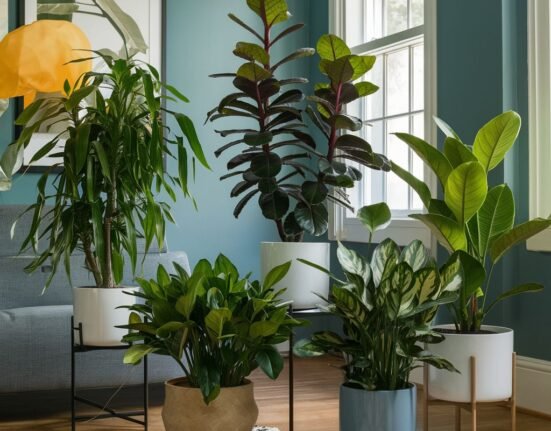
Tip 1 — Start With “Statement Plants”, Not Many Plants
Most beginners make the same mistake: they buy many small plants instead of a few impactful ones.
It feels cheaper in the moment — but visually, it often looks cluttered rather than curated.
Designers use a simple rule:
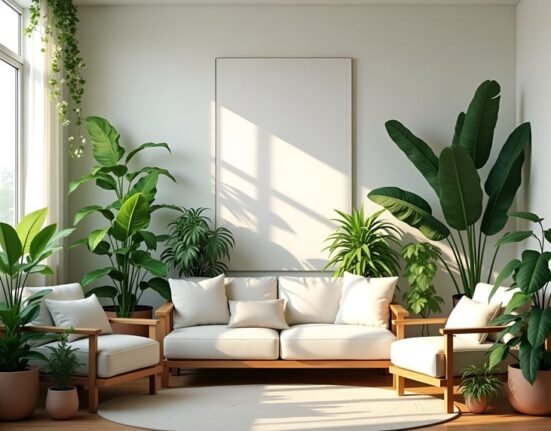
One large plant can replace ten small décor items.
Why Statement Plants Save Money
A single tall plant:
- Fills empty vertical space
- Adds texture and movement
- Anchors a room visually
- Reduces need for extra décor
Buying ten small plants:
- Requires more pots
- Needs more care
- Creates visual chaos
Budget Impact Chart
Visual Impact vs Cost

High Impact |            Statement Plant
            |
Medium      |     3–4 Medium Plants
            |
Low         |  Many Small Plants
            +---------------------------
             Low      Medium      High Cost
The sweet spot is clear: one or two statement plants per room.
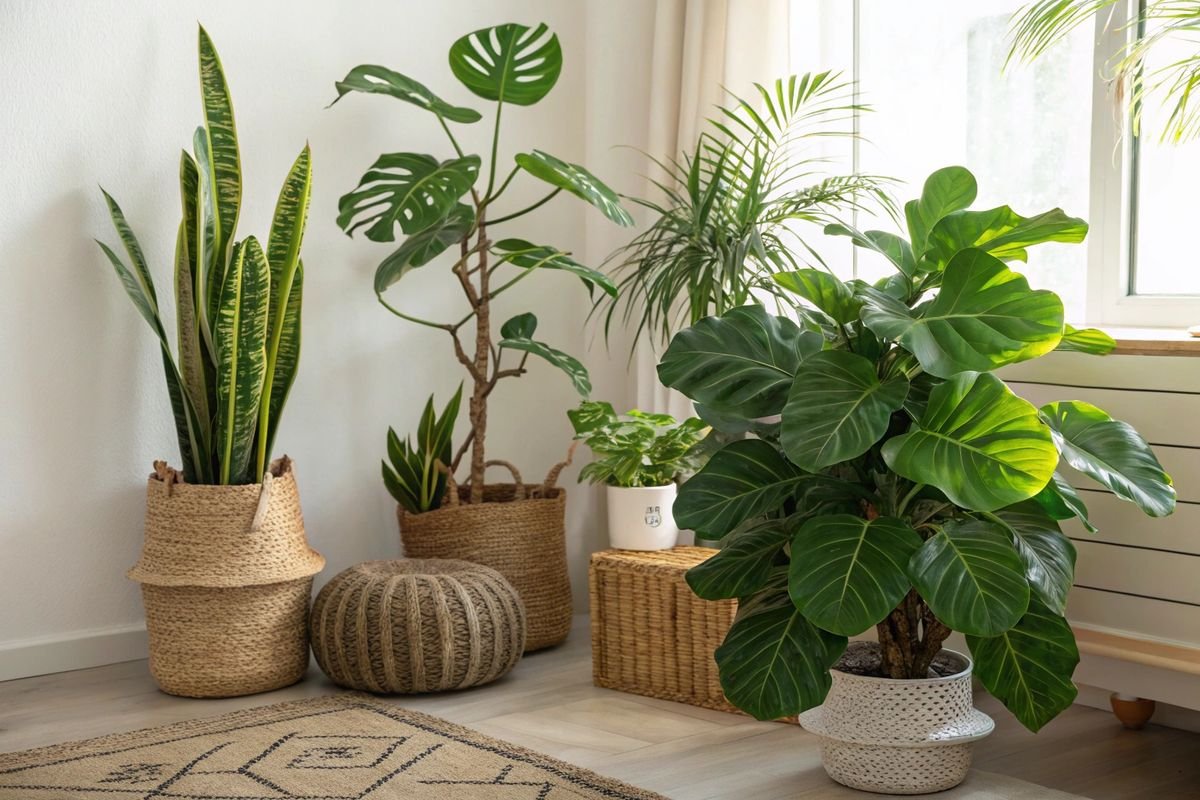
Best Budget Statement Plants
| Plant | Why It Works | Average Cost | Growth Speed |
|---|---|---|---|
| Rubber Plant | Thick leaves, bold look | Low | Medium |
| Areca Palm | Feels luxurious instantly | Medium | Fast |
| Snake Plant | Sculptural and modern | Low | Slow |
| Dracaena | Tall and architectural | Medium | Medium |
Styling Trick
Place statement plants in:
- Empty corners
- Beside sofas
- Next to TV units
- Near entryways
These spots naturally need height.
Tip 2 — Use Height Layers Instead of Buying More Decor
This tip alone can change how your home looks overnight.
Professional stylists rarely rely on expensive objects. Instead, they create height layers.
Height layering = placing plants at different levels to create depth.
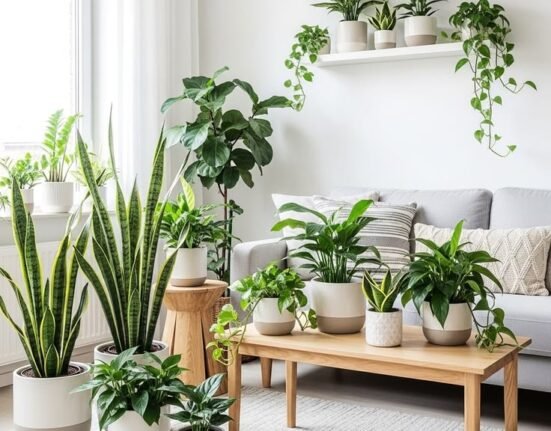
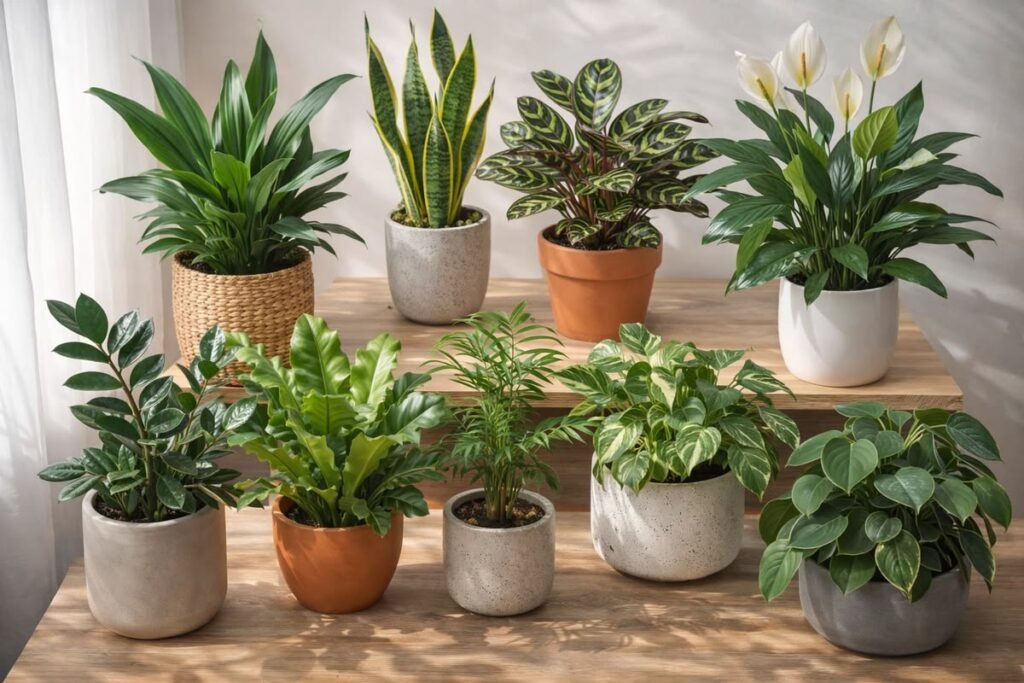
The 3-Level Plant Styling Formula
Every styled plant corner should include:
| Layer | Height Range | Examples |
|---|---|---|
| Floor Layer | 60–150 cm | Tall plants |
| Mid Layer | 30–60 cm | Stools / crates |
| Shelf Layer | 10–30 cm | Small pots |
When you use layers, your brain sees a designed composition, not random plants.
Visual Diagram
     Small Plant (Shelf)
        🪴
    Medium Plant (Stool)
      🌿
Tall Statement Plant (Floor)
      🌴
Budget Layer Ideas Using Household Items
You don’t need expensive plant stands.
Use what you already own:
| Household Item | Use As |
|---|---|
| Old stools | Plant stands |
| Wooden crates | Plant risers |
| Stacked books | Mini plant platform |
| Side tables | Plant display zones |
| Shoe racks | Plant shelves |
This trick alone can save a huge amount of money.
Tip 3 — Upgrade Pots Without Buying New Ones
Here’s a secret most plant owners discover late:
Pots are often more expensive than plants.
A simple plant may cost $5–10, while a stylish planter can cost $30–50.
The solution? Upgrade cheap pots instead of replacing them.
DIY Pot Upgrade Methods
1. Basket Method
Place cheap plastic pots inside baskets.
Why it works:
- Adds texture
- Hides unattractive pots
- Looks warm and natural
2. Paint Method
A small paint sample can transform many pots.
Popular budget finishes:
- Matte white
- Terracotta wash
- Soft beige
- Charcoal grey
Cost Comparison Table
| Option | Cost Per Pot | Visual Quality |
|---|---|---|
| Designer Planter | High | High |
| Painted Pot | Very Low | High |
| Basket Cover | Low | High |
| Plain Plastic | Very Low | Low |
Mini Budget Plan
Spend:
- 1 paint sample
- 2 baskets
Upgrade 8–10 pots easily.
That’s a huge décor upgrade for minimal cost.
Tip 4 — Multiply Plants Instead of Buying More
This is where indoor plants become truly budget-friendly.
Many houseplants can be propagated.
Propagation = growing new plants from existing ones.
It’s basically free décor expansion.
Plants That Multiply Easily
| Plant | Method | Difficulty |
|---|---|---|
| Pothos | Water cuttings | Very Easy |
| Spider Plant | Baby plantlets | Very Easy |
| Mint | Stem cuttings | Easy |
| ZZ Plant | Leaf cuttings | Medium |
| Succulents | Leaf propagation | Easy |
Propagation Growth Timeline
Week 1–2   Roots begin
Week 3–5   Strong roots
Week 6–8   Ready for soil
Month 3+   New full plant
Within a year, one plant can become many.
That’s why experienced plant lovers rarely buy plants after the first year.
Tip 5 — Create “Plant Zones” Instead of Scattering Plants
Scattered plants feel random.
Grouped plants feel intentional.
This concept is called plant zoning.
What Is a Plant Zone?
A plant zone is a small area dedicated to greenery.
Examples:
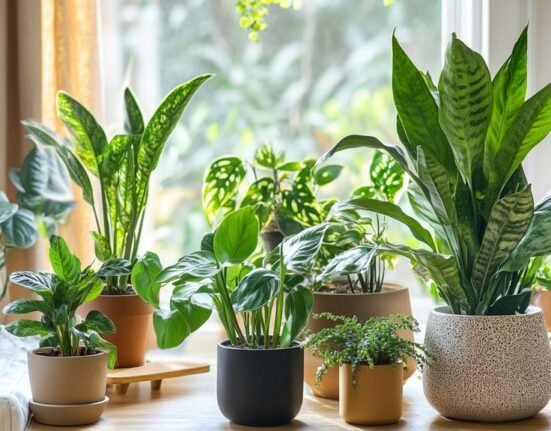
- Window ledge garden
- Coffee table trio
- Bathroom shelf garden
- Bedroom nightstand plant corner
Grouping plants creates visual weight and impact.
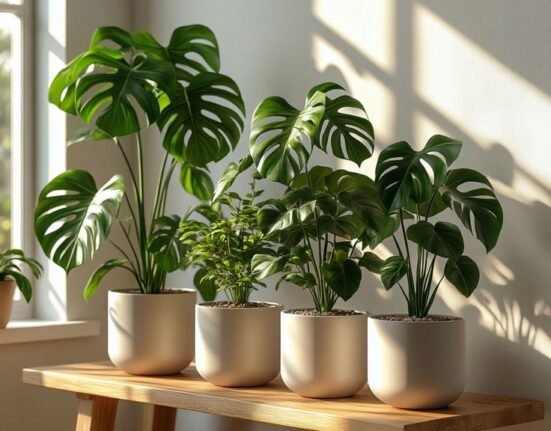
The Rule of 3
Plants look best in odd numbers.
| Group Size | Visual Effect |
|---|---|
| 1 | Minimalist |
| 3 | Balanced |
| 5 | Lush |
| 7+ | Jungle vibe |
Start with groups of three.
Budget Planning Guide for Plant Decor
Let’s build a realistic plant décor budget.
Starter Budget Plan
| Item | Quantity | Budget |
|---|---|---|
| Statement Plant | 2 | Medium |
| Small Plants | 4 | Low |
| Paint/Baskets | — | Low |
| Propagation Supplies | — | Very Low |
Total cost: Surprisingly low compared to furniture upgrades.
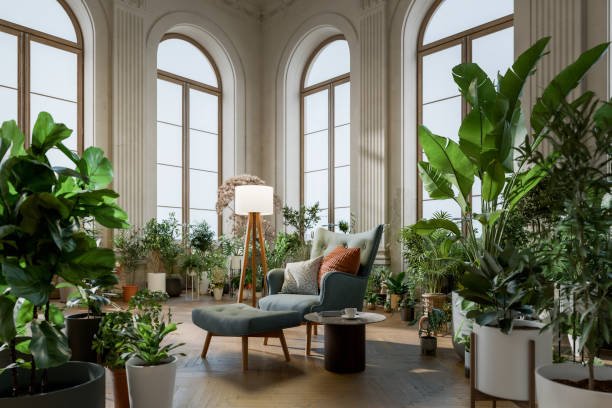
Monthly Plant Decor Growth Plan
Instead of buying everything at once, grow your plant collection monthly.
| Month | Action |
|---|---|
| Month 1 | Buy 1 statement plant |
| Month 2 | Add 2 small plants |
| Month 3 | Start propagation |
| Month 4 | Upgrade pots |
| Month 5 | Add shelves or risers |
| Month 6 | Expand plant zones |
By month six, your home feels completely transformed.
Common Budget Mistakes to Avoid
Mistake 1: Buying Decorative Pots First
Plants should come first. Pots can be upgraded later.
Mistake 2: Ignoring Lighting
Dead plants = wasted money.
Match plants to light conditions.
Mistake 3: Buying Too Many Tiny Plants
They look cluttered and disappear visually.
Mistake 4: Overwatering Expensive Plants
Start with hardy plants first.
Lighting Guide for Budget Homes
| Light Type | Ideal Plants |
|---|---|
| Bright Direct | Succulents, cacti |
| Bright Indirect | Pothos, rubber plant |
| Medium Light | Snake plant, dracaena |
| Low Light | ZZ plant, peace lily |
Choosing the right plant saves money long-term.
Psychological Benefits of Plant Decor
Indoor plants are not just aesthetic.
They:
- Reduce stress
- Improve focus
- Increase comfort perception
- Make homes feel “complete”
Even a small plant corner can change how a room feels emotionally.
Putting It All Together — The Budget Plant Decor Formula
- Buy 1–2 statement plants
- Create height layers
- Upgrade pots cheaply
- Propagate new plants
- Build plant zones gradually
This system works in any home, at any budget.
Final Thoughts
A beautiful home doesn’t come from expensive purchases.
It comes from intentional styling, slow growth, and smart choices.
Indoor plants offer something rare in décor:
They make your home feel alive while staying kind to your wallet.
Start small. Grow slowly. Let your space evolve.
Frequently Asked Questions
1. How many plants should a beginner start with?
Start with 3–5 plants total. This prevents overwhelm and helps you learn care routines before expanding.
2. What is the cheapest plant for beginners?
Pothos, snake plants, and spider plants are affordable, hardy, and easy to propagate.
3. Do plants really make a home look luxurious?
Yes. Greenery adds texture, height, and organic contrast — all key elements of luxury interior styling.
4. How can I decorate plants in a small apartment?
Use vertical space: shelves, wall hooks, window ledges, and plant stands made from stools or crates.
5. Is it cheaper to buy small or large plants?
Small plants are cheaper initially, but one large plant provides more visual impact and may reduce the need for extra décor.
6. How fast can a home transform with plant decor?
Within 3–6 months if you follow a gradual monthly plan and propagate plants.