11 Ultimate Indoor Plants Light Guide for Beginners
Indoor plants look effortless in photos. A sunlit corner, glossy leaves, a peaceful vibe. But anyone who has brought home a plant knows the truth: light makes or breaks everything.
Most beginners believe watering is the biggest challenge. It isn’t. Light is the silent deal-breaker.
Too much light burns leaves. Too little light kills growth slowly. Wrong direction? Wrong distance? Wrong timing? Your plant quietly declines until one day you’re googling “why is my plant dying?”
This guide exists to prevent that moment.
Think of this as your complete indoor plant lighting handbook — simple, practical, and beginner-friendly.
Why Light Matters More Than Water
Plants don’t “eat” soil. They eat light.
Water is transportation. Soil is storage.
But light is food production.
Through photosynthesis, plants convert light into sugars that fuel growth, repair cells, and produce new leaves.
Without enough light:
• Growth stops
• Leaves shrink
• Color fades
• Roots weaken
• Pests attack easier
Watering a plant without enough light is like giving food to someone who cannot breathe. It doesn’t solve the real problem.
Quick Beginner Cheat Sheet (Save This!)
| Light Type | Description | Distance From Window | Ideal Plants |
|---|---|---|---|
| Bright Direct | Sun rays hit leaves | 0–2 ft | Succulents, cactus |
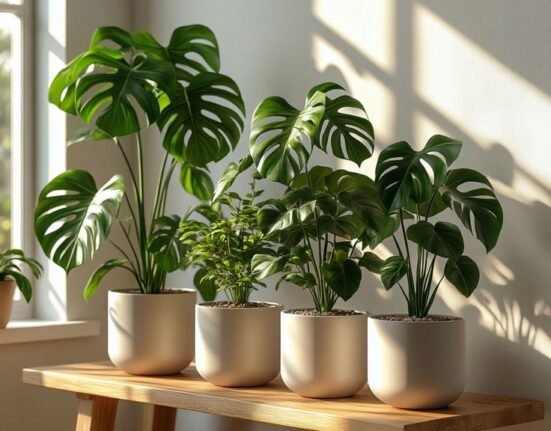
| Bright Indirect | Strong light, no harsh sun | 2–5 ft | Monstera, Fiddle leaf fig |
| Medium Light | Gentle ambient light | 5–8 ft | Pothos, Philodendron |
| Low Light | Dim rooms | 8–12 ft | Snake plant, ZZ plant |
| Very Low | No windows | Needs grow lights | Artificial help required |
Keep this table bookmarked. You’ll return to it often.
1. Understanding the Four Window Directions
Not all windows are equal. A plant near one window may thrive, while the same plant dies near another.
South Facing Windows – The Powerhouse
Most sunlight all day.
Perfect for:
• Succulents
• Cacti
• Rubber plants
• Bird of paradise
Warning: Summer heat can scorch leaves.
East Facing Windows – Gentle Morning Light
Soft sunrise light. Perfect beginner location.
Ideal for:
• Pothos
• Calathea
• Peace lily
• Ferns
This is the safest light for most homes.
West Facing Windows – Hot Afternoon Sun
Strong but short sunlight window.
Great for:
• Aloe
• Jade plants
• Crotons
But delicate plants may burn.
North Facing Windows – Low Light Zone
Soft, indirect, consistent light.
Best for:
• Snake plant
• ZZ plant
• Cast iron plant
These windows rarely provide enough light for fast growers.
2. Direct vs Indirect Light (The Most Confusing Topic)
Beginners hear these terms constantly.
Here’s the simplest way to understand:
Direct Light Test
Stand at your window at noon.
If sunlight hits your face directly → direct light.
Indirect Light Test
If the room is bright but no sun rays hit you → indirect light.
Shadow Test
Place your hand in sunlight.
| Shadow Type | Light Level |
|---|---|
| Sharp shadow | Direct sun |
| Soft shadow | Bright indirect |
| Barely visible | Medium |
| No shadow | Low light |
This trick alone saves beginners years of mistakes.
3. How Distance Changes Light Intensity
This surprises most people:
Moving a plant just 3 feet away can reduce light by 50%.
Light weakens dramatically with distance.
| Distance from Window | Light Strength |
|---|---|
| 1 ft | 100% |
| 3 ft | 50% |
| 6 ft | 25% |
| 10 ft | 10% |
That “bright living room corner” might actually be low light.
4. The Biggest Beginner Mistake: Trusting Your Eyes
Human eyes adapt to darkness easily. Plants don’t.
A room that looks bright to you might be dim to a plant.
This explains why:
• Plants grow toward windows
• Leaves become smaller
• Growth slows indoors
Plants evolved outdoors. Indoors is already a compromise.
5. Signs Your Plant Gets Too Much Light
Overexposure looks like:
• Bleached patches
• Brown crispy edges
• Curled leaves
• Soil drying too fast
Plants can get sunburned.
If this happens:
Move plant 2–3 feet away or add sheer curtains.
6. Signs Your Plant Needs More Light
Underexposure symptoms:
• Long leggy stems
• Small new leaves
• Pale or yellow leaves
• No new growth for months
Plants stretch toward light like people stretch toward warmth.
7. Seasonal Light Changes (Huge but Ignored)
Winter reduces sunlight by 30–50%.
That perfect summer plant spot becomes a winter danger zone.
Winter tips:
• Move plants closer to windows
• Clean windows for more light
• Reduce watering frequency
Most plant deaths happen in winter.
8. Artificial Grow Lights Made Simple
Grow lights sound technical but are beginner-friendly.
Best types:
• LED grow lights
• Full spectrum bulbs
Basic setup:
• 12–14 hours daily
• 12–24 inches above plant
• Use timer for consistency
Grow lights are lifesavers for windowless homes.
9. Best Beginner Plants for Each Light Level
Bright Direct
• Succulents
• Cactus
• Aloe
• Jade
Bright Indirect
• Monstera
• Fiddle leaf fig
• Rubber plant
• Philodendron
Medium Light
• Pothos
• Spider plant
• Dracaena
Low Light
• Snake plant
• ZZ plant
• Cast iron plant
Choosing the right plant for your light saves frustration.
10. The Weekly Light Rotation Trick
Plants lean toward sunlight.
Rotate plants ¼ turn weekly for even growth.
Without rotation:
Plants grow lopsided and weak.
This tiny habit changes plant shape dramatically.
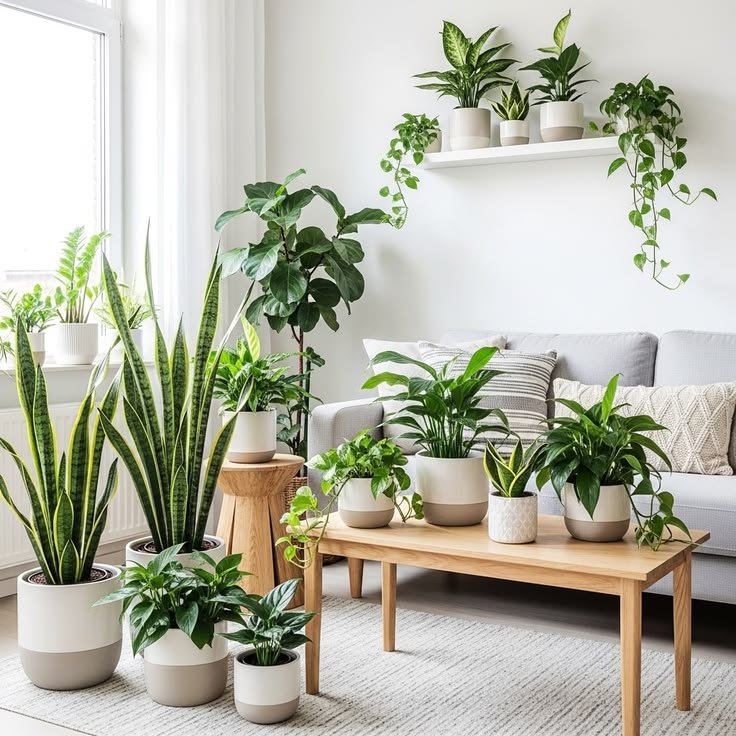
11. Creating Light Zones in Your Home
Divide your home into plant zones:
| Zone | Location | Plant Type |
|---|---|---|
| Zone A | Window sill | Succulents |
| Zone B | Near window | Tropical plants |
| Zone C | Room corners | Low light plants |
| Zone D | No windows | Grow light zone |
This system makes plant care effortless.
Beginner Light Setup Example (Real Room Plan)
Imagine a small living room:
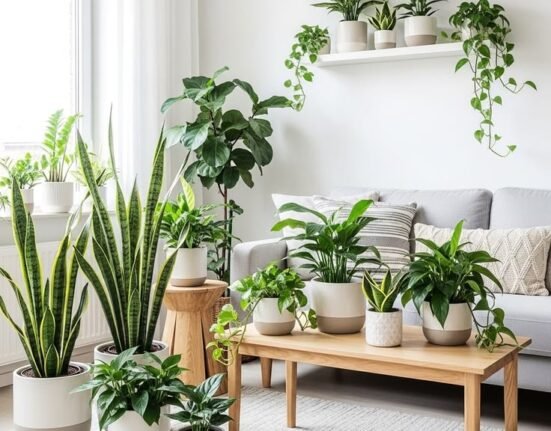
• Window sill → Aloe & cactus
• Coffee table → Pothos
• Bookshelf → Snake plant
• Desk → Grow light + herb plant
Balanced, realistic, achievable.
Daily, Weekly, Monthly Light Checklist
Daily
☐ Observe leaf posture
☐ Check soil dryness
Weekly
☐ Rotate plants
☐ Dust leaves
Monthly
☐ Reevaluate light positions
☐ Adjust for seasonal changes
Consistency beats perfection.
Common Beginner Myths
Myth: Low light plants need no light
Truth: They tolerate low light, not darkness.
Myth: More sun = better growth
Truth: Too much sun burns leaves.
Myth: Artificial lights don’t work
Truth: Grow lights are extremely effective.
Final Thoughts
Learning plant lighting is like learning to read weather. At first it feels confusing, but once you notice patterns, everything clicks.
Light is not complicated. It’s observational.
Watch your plants. They communicate constantly through growth, color, and posture.
Once you understand light, plant care becomes easy.
FAQs
1. How do I know if my room has enough light for plants?
Use the shadow test. If your hand casts a soft shadow during the day, most houseplants will survive there.
2. Can plants survive only on artificial light?
Yes. Many indoor gardens rely entirely on LED grow lights.
3. How many hours of light do indoor plants need?
Most houseplants need 10–14 hours of light daily.
4. Should I move plants seasonally?
Yes. Move plants closer to windows in winter and slightly away in summer.
5. Why are my plant leaves turning yellow?
Often caused by insufficient light combined with overwatering.
6. What is the best window for beginners?
East-facing windows provide gentle and safe morning light.
You now understand what most beginners struggle with for years.
Master light, and indoor plants become easy. 🌿