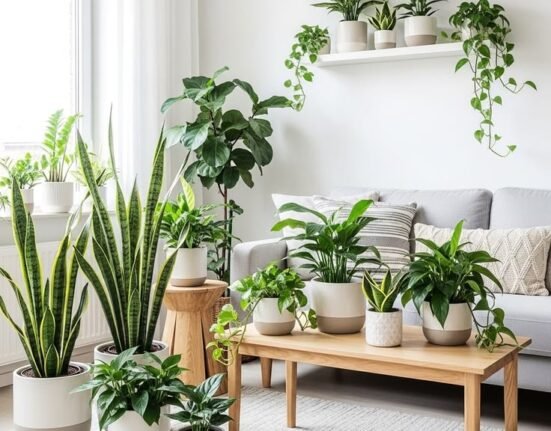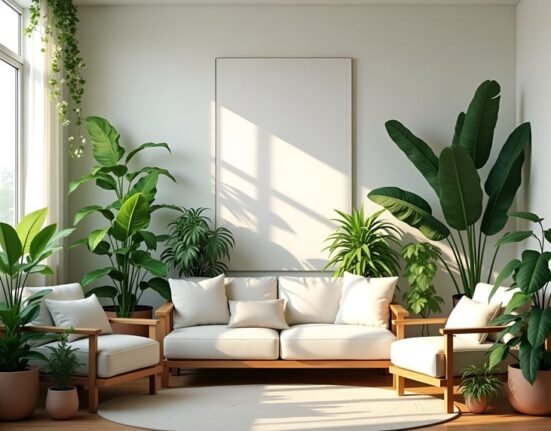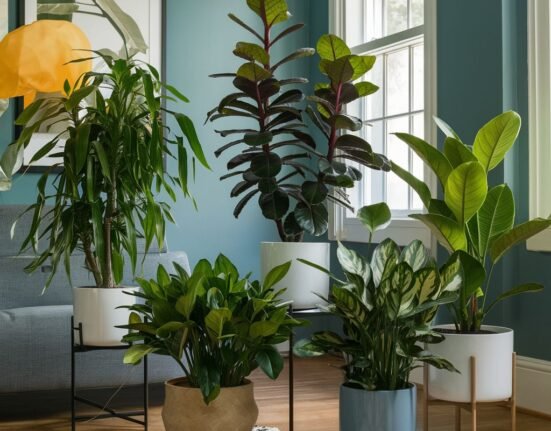
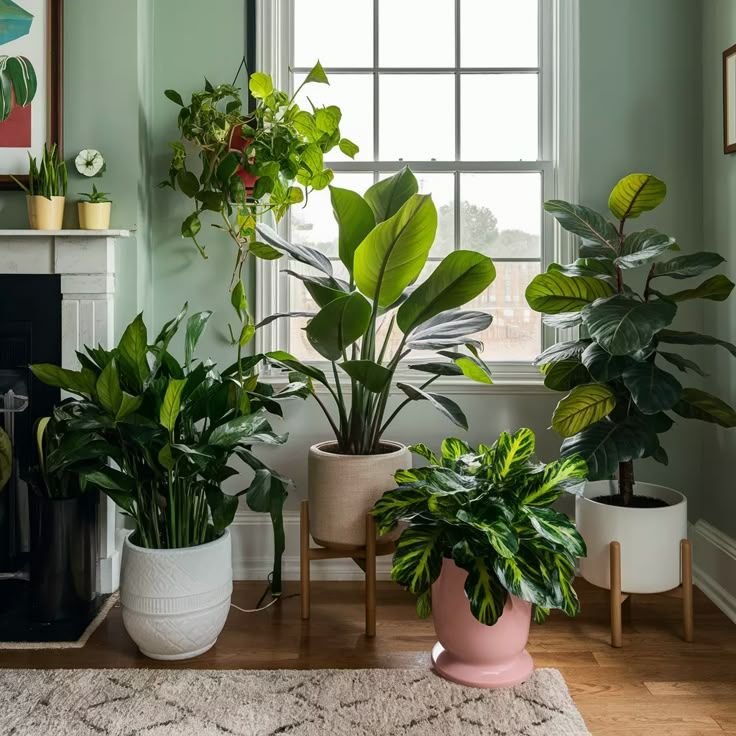
7 Indoor Plants Placement Lessons from My Failures
Indoor plants changed the way my home feels, smells, and even sounds. But if you walked into my apartment during my early plant-parent era, you would have seen something very different: droopy leaves, yellowing stems, and pots quietly heading toward the compost pile.
I didn’t fail because I didn’t care. I failed because I believed indoor plants were decor first and biology second. I bought what looked beautiful, placed it where it matched my furniture, and expected it to thrive simply because I wanted it to.
Spoiler: plants don’t care about your interior design aesthetic.
Over the years, after many casualties and a lot of trial-and-error, I learned placement lessons that completely changed my success rate. This article isn’t a perfect guide from a perfect plant parent — it’s a collection of real mistakes that taught me what truly matters.
This is not just a list of tips. It’s a collection of stories, checklists, mini-guides, comparison tables, and real-life lessons you can apply immediately.
Let’s begin with the failures that changed everything.
Lesson 1: The Bright Window Lie
The Failure Story
My first major mistake began with a sentence I read everywhere:
“Place your plant in bright light.”
So I did.
I placed nearly every plant I owned right in front of a south-facing window.
Within weeks:
- Leaves bleached
- Soil dried within hours
- Plants wilted despite daily watering
I thought they were thirsty.
They were actually sunburned.
What I misunderstood
Bright light ≠ direct sunlight.
Indoor light categories are misunderstood more than almost anything in plant care.
Understanding Real Indoor Light
| Light Type | Real Meaning | Distance from Window |
|---|---|---|
| Direct Sun | Sun rays hit leaves | 0–2 ft |
| Bright Indirect | Bright room, no harsh rays | 2–6 ft |
| Medium Light | Moderate daylight | 6–10 ft |
| Low Light | Dim but visible room | 10+ ft |
Most houseplants evolved under forest canopies, not in open deserts.
They want filtered light, not punishment.
Placement Checklist
Before placing a plant near a window, ask:
- Does sunlight hit the leaves directly?
- Is the window south or west facing?
- Does the room heat up during midday?
- Do shadows appear sharp or soft?
If shadows look sharp → light is too strong for most foliage plants.
The Lesson
Plants don’t want the window.
They want the room the window creates.
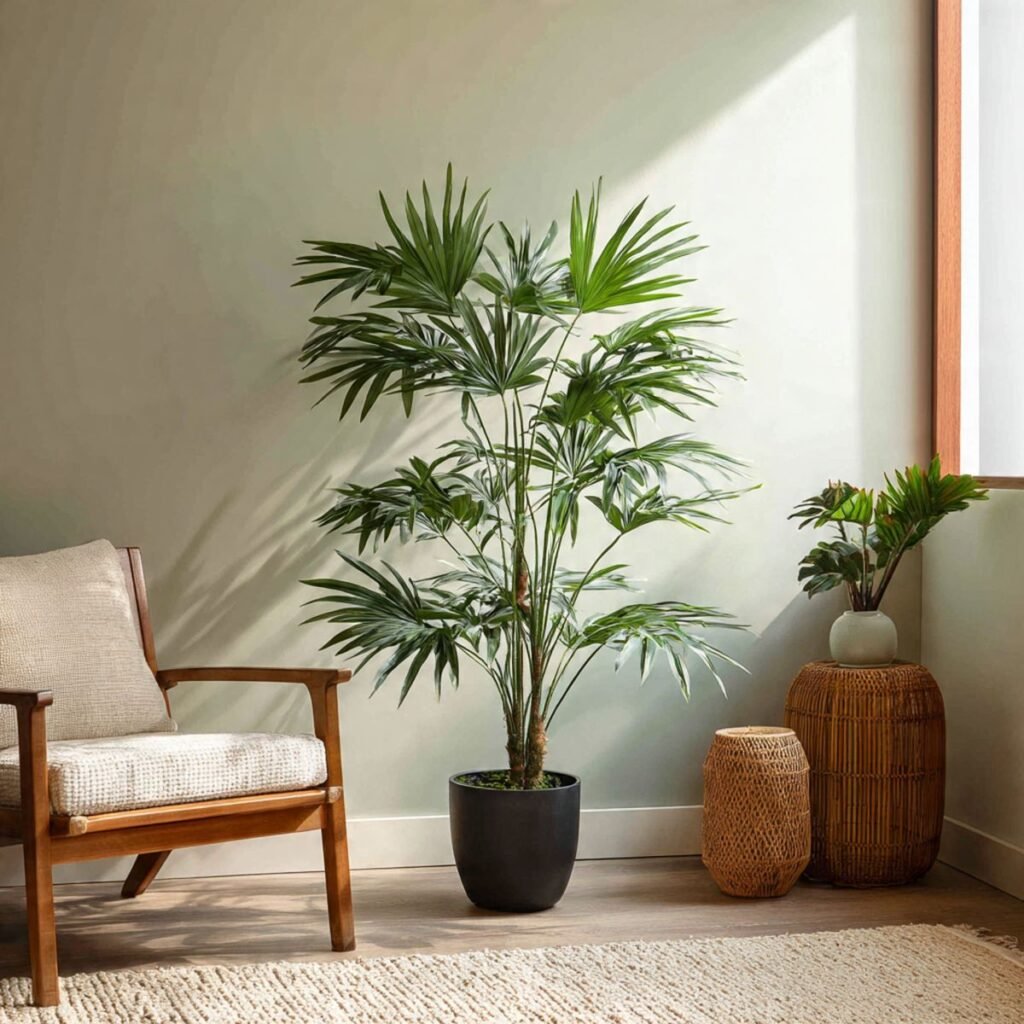
Lesson 2: Corners Are Decoration Traps
The Failure Story
I love cozy corners.
So naturally, I turned every empty corner into a plant corner.
I created beautiful plant clusters that looked incredible in photos.
Reality?
- Growth stopped completely
- Leaves got smaller
- Some plants slowly dropped leaves
I thought they were adjusting.
They were slowly starving.
Why Corners Kill Growth
Corners are usually the darkest zones in a room.
Light doesn’t travel in straight lines indoors — it diffuses and weakens rapidly.
Distance matters more than direction.
Light Intensity Drop Example
| Distance From Window | Light Remaining |
|---|---|
| 1 meter | 50% |
| 2 meters | 25% |
| 3 meters | 10% |
That beautiful corner?
It was a slow-motion blackout.
The “Corner Rescue Rule”
If you want plants in corners, you must:
- Use grow lights
- Choose true low-light species
- Rotate plants weekly
The Lesson
Corners are for survivors, not sun lovers.
Lesson 3: The Shelf Illusion
The Failure Story
Floating shelves filled with trailing plants looked amazing online.
I copied the aesthetic exactly:
- Plants high on wall shelves
- Trailing vines cascading down
Within months:
- Top leaves thrived
- Bottom vines thinned out
- Growth became leggy and sparse
What went wrong?
The Light Gradient Problem
Light weakens as it travels downward.
Plants on shelves receive light from above only, not from the sides.
Trailing plants grow long searching for light → becoming leggy.
Shelf Placement Fix Formula
| Shelf Height | Ideal Plant Type |
|---|---|
| Eye level | Bushy plants |
| Above eye level | Trailing plants |
| Near ceiling | Only with grow lights |
Shelf Lighting Upgrade Checklist
Add:
- Clip-on grow lights
- Reflective wall paint
- Weekly plant rotation
The Lesson
If plants are above your eyes, they need artificial light.
Lesson 4: The AC and Heater Disaster
The Failure Story
One winter, my healthiest plant suddenly began dropping leaves daily.
I checked:
- Water ✔
- Light ✔
- Soil ✔
Then I noticed something:
It sat directly beside a heater.
I moved it away — and the leaf drop stopped within days.
Airflow: The Invisible Plant Killer
Plants hate:
- Hot dry air
- Cold drafts
- Sudden temperature swings
Air vents create microclimates.
Danger Zones to Avoid
Never place plants:
- Next to AC vents
- Near heaters
- Beside drafty windows
- Behind constantly opened doors
Temperature Stability Chart
| Condition | Plant Reaction |
|---|---|
| Stable temp | Healthy growth |
| Hot airflow | Dry leaves |
| Cold drafts | Leaf drop |
| Sudden change | Shock |
The Lesson
Plants prefer boring, stable environments.
Lesson 5: The Bathroom Jungle Fantasy
The Failure Story
I dreamed of a lush bathroom jungle.
I filled my bathroom with plants — no windows, just a small exhaust fan.
Within months:
- Mold appeared on soil
- Plants grew weak
- Growth slowed dramatically
Humidity alone is not enough.
Plants need light + humidity.
The Humidity Myth
High humidity without light = slow decline.
Plants can survive low light.
They can survive low humidity.
They cannot survive low light + high moisture for long.
Bathroom Placement Rules
A bathroom is suitable only if it has:
- A window
- Bright artificial lighting
- Air circulation
Best Bathroom Setup Formula
| Feature | Required? |
|---|---|
| Window | Yes |
| Fan/ventilation | Yes |
| Weekly drying cycle | Yes |
The Lesson
Humidity is a bonus, not a substitute for light.
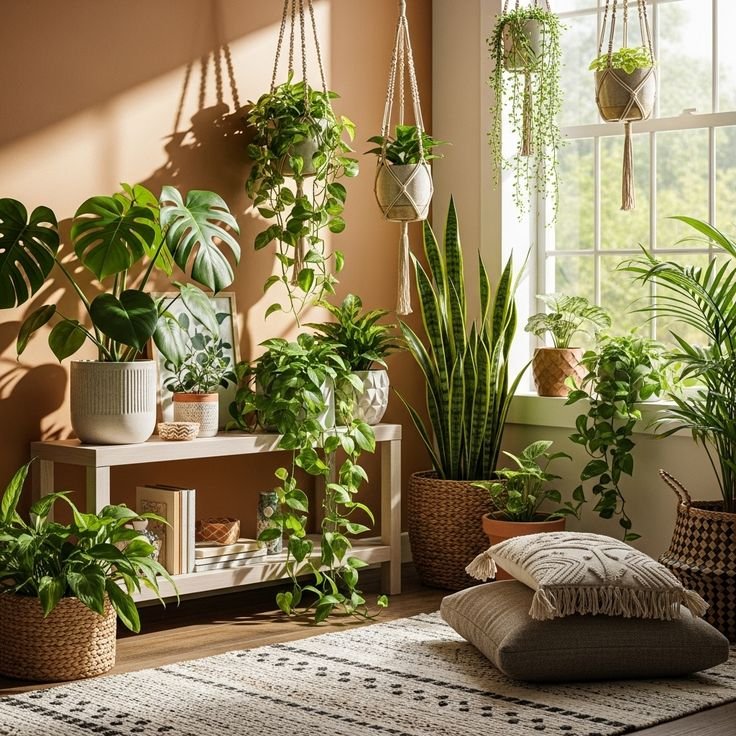
Lesson 6: Overcrowding the Plant Corner
The Failure Story
I loved grouping plants together.
Soon my plant area looked like a mini jungle.
Problems began:
- Fungus gnats
- Mold
- Poor airflow
- Yellow leaves
Plants need breathing space.
Air Circulation Matters
Crowded plants create:
- Trapped moisture
- Pest breeding zones
- Reduced evaporation
Proper Plant Spacing Guide
| Plant Size | Space Between Pots |
|---|---|
| Small | 5–10 cm |
| Medium | 10–20 cm |
| Large | 20–40 cm |
The Lesson
Plants love neighbors — not crowds.
Lesson 7: Ignoring Daily Movement of Light
The Failure Story
I assumed light stays consistent all day.
It doesn’t.
Morning light ≠ afternoon light.
Plants placed in morning sun often receive harsh afternoon sun later.
Sun Movement Map
| Time | Window Direction | Light Type |
|---|---|---|
| Morning | East | Gentle |
| Midday | South | Strong |
| Afternoon | West | Harsh |
| Evening | North | Soft |
The Rotation Habit That Changed Everything
I now rotate plants every 1–2 weeks.
Benefits:
- Even growth
- Balanced leaves
- Strong stems
The Lesson
Light moves. Plants can’t. So you must.
My Indoor Placement Cheat Sheet
The Perfect Placement Formula
- Find brightest window
- Move plant 2–6 ft away
- Avoid airflow vents
- Ensure spacing
- Rotate regularly
- Observe weekly
- Adjust seasonally
Seasonal Placement Calendar
| Season | Action |
|---|---|
| Spring | Move plants closer to windows |
| Summer | Pull plants slightly back |
| Autumn | Increase light exposure |
| Winter | Use grow lights |
Biggest Placement Mindset Shift
Plants are not decorations you place once.
They are living roommates whose needs change with seasons, weather, and your home’s airflow.
Once I stopped decorating with plants and started living with plants, everything changed.
Final Thoughts
Every thriving indoor jungle is built on past failures.
Dead plants taught me:
- Light matters more than watering
- Airflow matters more than humidity
- Space matters more than aesthetics
- Observation matters more than rules
You don’t need a perfect home.
You need a flexible mindset.
And maybe a little patience.
Frequently Asked Questions
1. How far should plants be from windows?
Most indoor plants thrive 2–6 feet from bright windows. Direct sun lovers can be closer, while shade plants prefer further distance.
2. Can plants live in rooms without windows?
Yes, but only with grow lights. Without artificial lighting, plants eventually decline.
3. Should I rotate my plants?
Yes. Rotate every 1–2 weeks to ensure balanced growth and prevent leaning.
4. Why do plants struggle in corners?
Corners receive very little light. Light intensity drops dramatically with distance from windows.
5. Is grouping plants together good?
Yes — but avoid overcrowding. Plants need air circulation to prevent pests and mold.
6. What is the biggest placement mistake beginners make?
Placing plants based on decor instead of light.
If my failures can save even one plant from slow decline, every lost leaf was worth it. 🌿