5 Indoor Plants Problem Fixes That Revived My Dying Plants
There’s a very specific kind of disappointment that comes with watching a once-thriving indoor plant slowly fade away. Leaves droop, colors dull, growth stalls—and no matter how much you water, move, or whisper encouragement, nothing seems to work. I’ve been there more times than I’d like to admit.
What changed everything for me wasn’t buying expensive tools or rare fertilizers. It was understanding the real problems behind what my plants were going through—and fixing them in simple, practical ways. Over time, I learned that most plant issues are signals, not mysteries. Once you decode them, revival becomes possible.
This isn’t just a list of tips. It’s a collection of real fixes I used to bring struggling plants back from the brink. Some of them surprised me. Some of them contradicted what I thought I knew. But all of them worked.
1. Fixing Overwatering: Learning to Do Less, Not More
If there’s one mistake that nearly killed all my plants at some point, it was overwatering. It feels counterintuitive—after all, plants need water, right? But too much of it suffocates roots and creates a perfect environment for rot.
I used to water on a schedule. Every Sunday, without fail. It felt responsible. In reality, it was harming my plants more than helping them.
The turning point came when I pulled a plant out of its pot and noticed the smell—earthy, sour, unmistakably unhealthy. The roots were mushy instead of firm. That’s when I realized watering should depend on the plant’s condition, not the calendar.
What I changed:
- I started checking soil moisture with my fingers before watering.
- I switched to pots with drainage holes.
- I reduced watering frequency significantly during cooler months.
One small habit made a huge difference: lifting the pot. A dry pot feels lighter than a wet one. Over time, I learned to recognize when my plants actually needed water.
Within weeks, new growth appeared. Leaves became firmer. It felt like the plants were breathing again.
2. Fixing Light Issues: Moving Plants Changed Everything
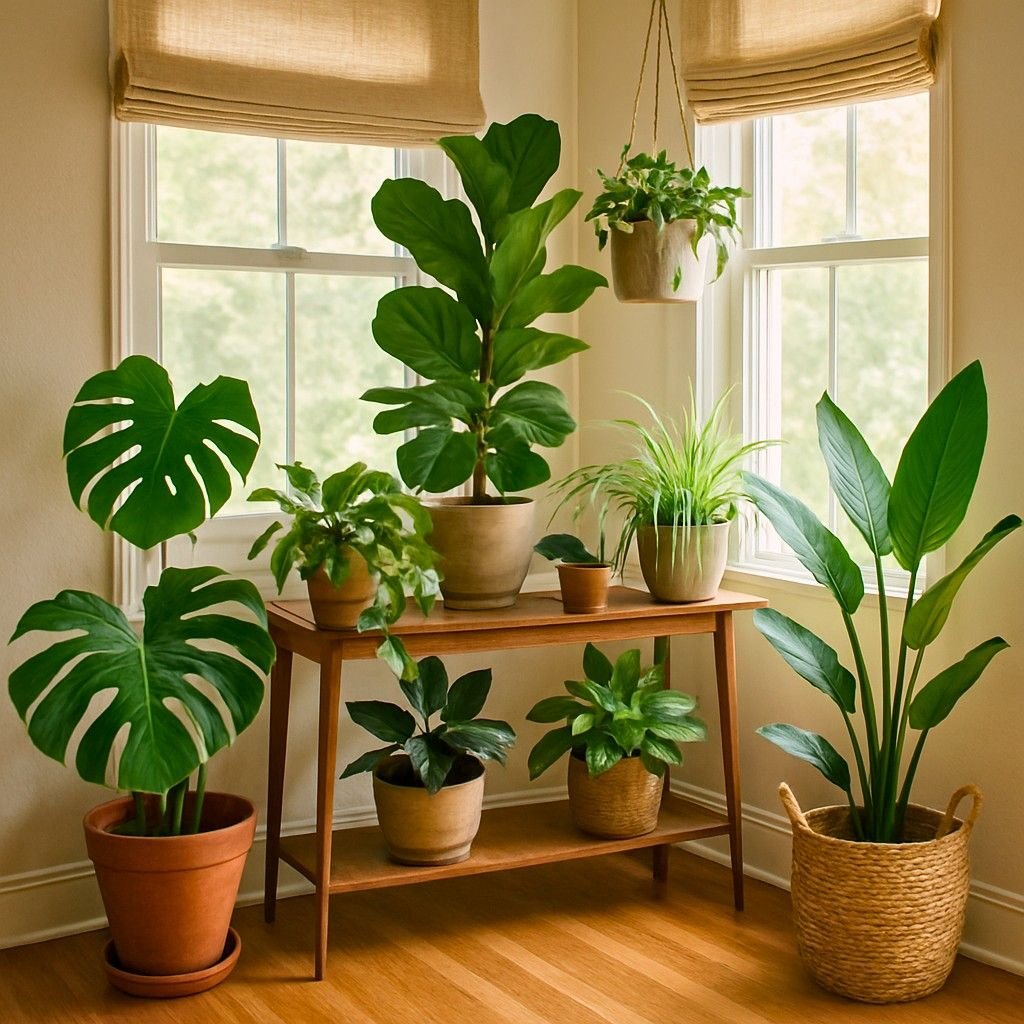
For a long time, I thought placing plants near a window was enough. It turns out, “near” isn’t a useful measure. Light intensity varies dramatically depending on direction, distance, and obstacles.
Some of my plants were stretching awkwardly, with long stems and sparse leaves. Others had scorched patches. I didn’t connect these signs to light at first.
Then I began experimenting.
I moved one plant closer to a bright window—but not directly in harsh sunlight. Another one I shifted away from intense rays that were burning its leaves. Within days, the difference was visible.
What I learned:
- Bright indirect light is ideal for most indoor plants.
- Direct sunlight can be too harsh for many species.
- Low light doesn’t mean no light.
I also started rotating my plants every week. This helped them grow evenly instead of leaning toward one side.
The biggest lesson? Light is energy. Without enough of it, plants struggle silently. With the right amount, they flourish.
3. Fixing Soil Problems: The Hidden Root of Everything
I used to think soil was just… soil. Something you buy once and forget about. But poor soil was quietly causing several of my plants to decline.
Compacted soil was the worst offender. Water would sit on top instead of draining properly. Roots couldn’t breathe, and nutrients weren’t reaching where they were needed.
The fix was surprisingly simple but incredibly effective: repotting.
I carefully removed the plant, loosened the roots, and replaced the old soil with a fresh, well-draining mix. In some cases, I added perlite or sand to improve aeration.
What changed after repotting:
- Water started draining properly.
- Roots began growing healthier and stronger.
- Leaves regained their vibrancy.
It felt like giving the plant a fresh start—because that’s exactly what it was.
4. Fixing Humidity Issues: The Invisible Factor
Humidity was something I completely overlooked in the beginning. I assumed indoor air was fine for plants. But many houseplants come from tropical environments, where humidity levels are much higher.
The signs were subtle at first:
- Brown tips on leaves
- Curling edges
- Slow growth despite good care
I tried misting occasionally, but it didn’t make a lasting difference. Then I experimented with grouping plants together and placing a tray of water nearby.
Eventually, I invested in a small humidifier—and that’s when things changed dramatically.
What helped:
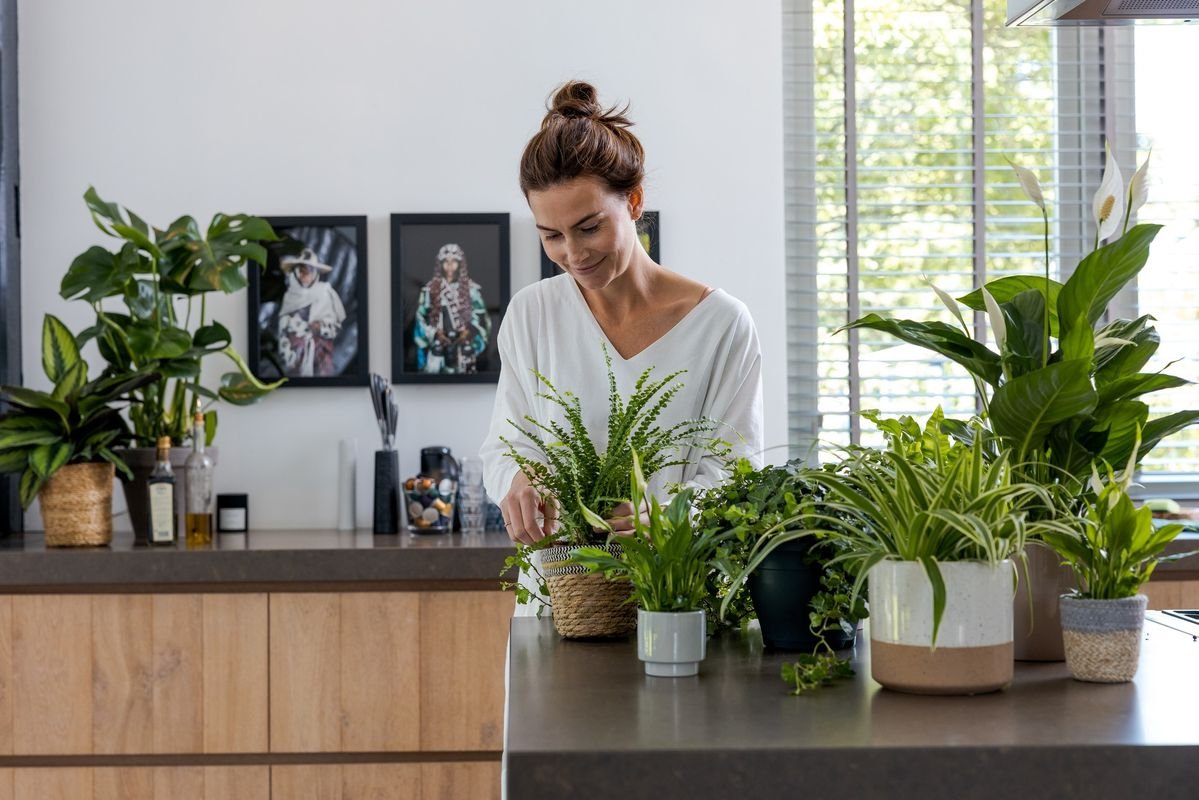
- Grouping plants to create a micro-humidity environment
- Using a pebble tray with water
- Running a humidifier during dry periods
The leaves became softer, greener, and more resilient. It was like the plants finally felt at home.
5. Fixing Nutrient Deficiency: Feeding Plants the Right Way
At one point, my plants looked… tired. Not dying, but not thriving either. Growth had slowed, and leaves lacked their usual richness.
I realized I hadn’t been feeding them properly.
Plants in pots rely entirely on the nutrients available in their soil. Over time, those nutrients get depleted. Without replenishment, plants struggle to maintain healthy growth.
I started using a balanced liquid fertilizer—but carefully. Too much can be just as harmful as too little.
What worked best:
- Feeding during the growing season (spring and summer)
- Diluting fertilizer to avoid burning roots
- Reducing feeding during dormant months
The results weren’t instant, but they were noticeable. New leaves emerged, brighter and stronger than before.
Moments That Taught Me the Most
Beyond these fixes, there were moments—small realizations—that changed how I approached plant care.
Like noticing how a plant responds differently after being moved just a few feet. Or realizing that a drooping leaf isn’t always a sign of thirst—it can mean the opposite.
I also learned patience. Plants don’t recover overnight. They respond gradually, often quietly. You have to watch closely, adjust gently, and give them time.
A Simple Plant Revival Checklist
When a plant starts struggling, I now go through a quick mental checklist:
- Is the soil too wet or too dry?
- Is the light too strong or too weak?
- Has the plant outgrown its pot?
- Is the air too dry?
- Does it need nutrients?
Answering these questions usually reveals the problem—and the solution.
Why Most Plants Don’t Die—They Just Need Adjustment
One of the biggest shifts in my mindset was realizing that most plants aren’t fragile. They’re adaptable. They just need the right conditions.
What looks like decline is often a response to imbalance. Fix the imbalance, and the plant can recover.
I’ve seen plants go from nearly lifeless to thriving again—not because I did something extraordinary, but because I corrected something simple.
Final Thoughts
Reviving dying plants isn’t about luck. It’s about observation, understanding, and small, consistent changes.
Each plant teaches something new. Each mistake becomes a lesson. And over time, you start to recognize patterns—what works, what doesn’t, and why.
If you have a struggling plant right now, don’t give up on it. Look closer. Adjust one thing at a time. Give it a chance to respond.
You might be surprised at how resilient it really is.
FAQs
1. How do I know if my plant is overwatered or underwatered?
Check the soil. If it’s soggy and smells unpleasant, it’s likely overwatered. If it’s dry and pulling away from the pot edges, it’s underwatered. Leaf behavior also helps—yellowing often indicates overwatering, while crisp dryness suggests underwatering.
2. Can a plant recover from root rot?
Yes, but it requires quick action. Remove the plant from the soil, cut away damaged roots, and repot in fresh, well-draining soil. Reduce watering afterward to allow recovery.
3. How often should I fertilize indoor plants?
During the growing season, once every 2–4 weeks is usually enough. In colder months, reduce or stop fertilizing as plant growth slows down.
4. What’s the best way to increase humidity indoors?
Using a humidifier is the most effective method. You can also group plants together or use pebble trays filled with water to create localized humidity.
5. Why are my plant’s leaves turning brown at the tips?
This is often caused by low humidity, inconsistent watering, or salt buildup from fertilizers. Adjusting these factors usually solves the issue.
6. Should I repot my plant regularly?
Yes, but not too frequently. Most plants benefit from repotting every 1–2 years or when they outgrow their current container.
In the end, plant care becomes less about rules and more about relationships. You learn to read subtle signals, respond thoughtfully, and adapt along the way. And when a plant you once thought was beyond saving begins to grow again, there’s a quiet satisfaction that makes every effort worthwhile.