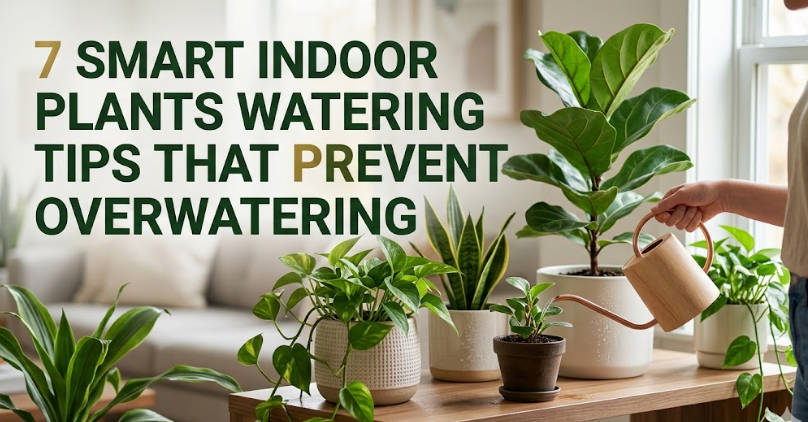
7 Smart Indoor Plants Watering Tips That Prevent Overwatering
Indoor plants have a quiet way of transforming spaces. They soften sharp corners, purify the air, and bring a sense of calm that few decorative elements can match. Yet, despite their resilience, many houseplants don’t thrive—not because of neglect, but because of too much care. Overwatering remains one of the most common reasons indoor plants struggle or die.
Water seems harmless, even beneficial. After all, plants need it to survive. But the truth is more nuanced: the wrong amount of water, delivered at the wrong time, can suffocate roots, invite disease, and ultimately weaken or kill a plant. Preventing overwatering is less about strict schedules and more about understanding how plants interact with their environment.
This article dives deep into seven smart watering tips that go beyond surface-level advice. These strategies combine observation, technique, and a bit of intuition—helping you develop a healthier relationship with your indoor garden.
1. Understand Your Plant’s Natural Habitat
Before you even think about watering frequency, take a moment to consider where your plant comes from. This single step can dramatically change how you care for it.
Plants evolved in diverse environments—some in humid rainforests, others in dry deserts. A fern growing under a rainforest canopy expects consistent moisture, while a succulent adapted to arid regions stores water and thrives on neglect.
When you water all plants the same way, you override their natural survival mechanisms.
What to do instead:
- Research the origin of your plant.
- Group plants with similar needs together.
- Adjust watering based on their native conditions.
For example:
- Tropical plants prefer evenly moist soil.
- Succulents and cacti require drying out between waterings.
- Mediterranean herbs like rosemary enjoy slightly drier conditions.
Understanding habitat shifts your mindset from “watering regularly” to “watering appropriately.”
2. Use the Finger Test (But Do It Properly)
You’ve probably heard of the finger test—sticking your finger into the soil to check moisture. It’s simple, but many people do it incorrectly.
Touching just the surface of the soil doesn’t give you useful information. The top layer dries out quickly, especially indoors, while deeper layers may still be saturated.
How to do it right:
- Insert your finger 1–2 inches into the soil.
- If it feels dry at that depth, it’s time to water.
- If it still feels damp or cool, wait.
This method works well for most plants because it reflects what roots are actually experiencing.
Why it matters:
Overwatering often happens when people water based on appearance rather than soil condition. The finger test helps you respond to the plant’s real needs, not assumptions.
3. Choose the Right Pot and Drainage System
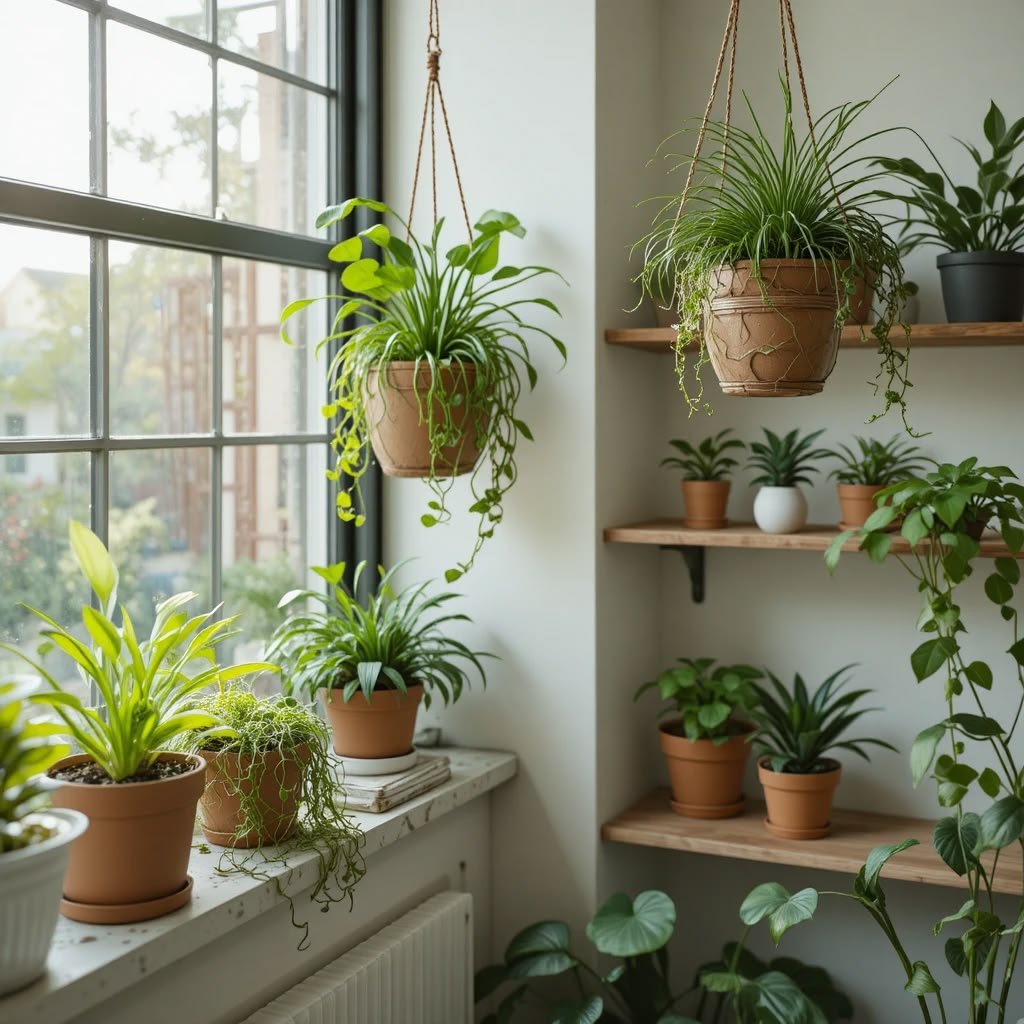
No watering habit can compensate for poor drainage. Even if you water carefully, a pot without proper drainage traps excess moisture, creating a breeding ground for root rot.
Roots need oxygen just as much as they need water. When soil stays waterlogged, air pockets disappear, and roots begin to suffocate.
Key considerations:
- Always use pots with drainage holes.
- Add a saucer to catch excess water.
- Avoid letting plants sit in standing water.
Bonus tip:
If you love decorative pots without holes, use them as outer containers. Keep your plant in a plastic nursery pot inside, so you can remove it for watering and allow proper drainage.
Soil also matters:
- Use well-draining potting mixes.
- Add perlite or sand for better aeration.
- Avoid compacted soil that holds too much water.
Good drainage acts as a safety net, protecting your plant even if you occasionally overwater.
4. Water Deeply, But Less Frequently
Many plant owners fall into the habit of giving small amounts of water frequently. While this may seem gentle, it can actually encourage shallow root growth and inconsistent moisture levels.
Instead, aim for deep watering sessions spaced out over time.
What deep watering means:
- Water thoroughly until excess drains from the bottom.
- Allow the soil to dry out partially before watering again.
Benefits:
- Encourages roots to grow deeper and stronger.
- Prevents constant dampness at the surface.
- Mimics natural rainfall patterns.
A simple analogy:
Think of it like soaking a sponge. A quick splash doesn’t hydrate it fully, but a deep soak ensures even distribution.
This method reduces the risk of overwatering because you’re not constantly reintroducing moisture before the plant has used what it already has.
5. Adjust Watering Based on Light and Season
Plants don’t use water at a constant rate. Their needs change depending on light exposure, temperature, and time of year.
During active growth periods—usually spring and summer—plants consume more water. In contrast, growth slows down in fall and winter, reducing their water requirements.
Factors to consider:
- Light: More light = faster evaporation and growth.
- Temperature: Warmer conditions increase water use.
- Humidity: Dry air speeds up moisture loss.
Practical adjustments:
- Water more frequently in bright, warm conditions.
- Reduce watering in low light or cooler months.
- Observe changes rather than sticking to a fixed schedule.
Ignoring seasonal changes is a common cause of overwatering, especially in winter when plants need significantly less moisture.
6. Learn the Weight Trick
This is one of the most underrated yet effective watering techniques.
By simply lifting your pot, you can gauge how much water it contains.
How it works:
- Lift the pot right after watering—it will feel heavy.
- Lift it again when dry—it will feel noticeably lighter.
- Over time, you’ll develop an intuitive sense of when watering is needed.
Why it’s effective:
Unlike visual cues, weight reflects the actual moisture content throughout the soil.
This method is especially useful for:
- Medium-sized pots
- Hanging plants
- Plants with dense foliage that hides soil
With practice, you won’t even need to check the soil—you’ll just “know” based on weight.
7. Watch for Early Signs of Overwatering
Plants communicate distress in subtle ways. Learning to recognize these signals early can save your plant before serious damage occurs.
Common signs of overwatering:
- Yellowing leaves
- Wilting despite moist soil
- Mushy stems or roots
- Fungus gnats hovering around soil
- Mold or algae on the surface
It’s important to note that overwatering and underwatering can look similar at first glance. The key difference lies in the soil condition.
What to do if you suspect overwatering:
- Stop watering immediately.
- Check drainage and soil condition.
- Repot if roots show signs of rot.
- Allow the soil to dry out before resuming care.
Catching these signs early can make the difference between recovery and loss.
Going Beyond Tips: Developing a Watering Mindset
While these seven tips are practical, the real transformation happens when you shift your perspective.
Watering is not a routine—it’s a response.
Instead of asking:
“Should I water today?”
Ask:
“Does my plant need water today?”
This subtle shift encourages observation, patience, and adaptability.
Over time, you’ll notice patterns:
- How quickly soil dries in different rooms
- Which plants are more sensitive
- How weather affects indoor conditions
Caring for plants becomes less about rules and more about relationships.
Common Mistakes That Lead to Overwatering
Even experienced plant owners make mistakes. Here are a few habits to watch out for:
- Watering on a fixed schedule without checking soil
- Using pots without drainage
- Ignoring seasonal changes
- Overcompensating after forgetting to water
- Mistaking leaf drop as a sign of thirst
Avoiding these pitfalls is just as important as following good practices.
The Role of Technology in Smart Watering
Modern tools can help take the guesswork out of watering.
Options include:
- Moisture meters
- Self-watering pots
- Smart irrigation systems
While not essential, these tools can be helpful for beginners or people with large plant collections.
However, they should complement—not replace—your understanding of plant care.
Final Thoughts
Preventing overwatering isn’t about perfection. It’s about awareness, consistency, and a willingness to learn from your plants.
Each plant is unique. Each home environment is different. What works in one setting may not work in another.
By applying these seven smart watering tips, you create conditions where your plants can thrive—not just survive.
And perhaps more importantly, you build a deeper connection with the living things you care for.
FAQs About Preventing Overwatering
1. How often should I water my indoor plants?
There is no universal schedule. Most plants prefer watering only when the top 1–2 inches of soil are dry. Frequency depends on light, temperature, and plant type.
2. Can overwatered plants recover?
Yes, if caught early. Remove excess water, improve drainage, and allow the soil to dry. Severe root rot may require repotting and trimming damaged roots.
3. Is it better to underwater or overwater?
Underwatering is generally less harmful. Plants can recover more easily from dryness than from root rot caused by excess moisture.
4. Do all plants need drainage holes?
Ideally, yes. Drainage holes prevent water from accumulating at the bottom, reducing the risk of overwatering.
5. Why are my plant leaves turning yellow?
Yellow leaves can indicate overwatering, especially if the soil is consistently moist. Check drainage and reduce watering frequency.
6. Should I mist my plants instead of watering them?
Misting increases humidity but does not replace proper watering. Plants still need water delivered to their roots.
By adopting these smarter watering habits, you not only protect your plants from overwatering but also create an environment where they can truly flourish.