10 Indoor Plants Pest Control Methods That Work Naturally
There’s a quiet kind of heartbreak that only plant lovers understand. It’s the moment you notice tiny specks moving along a leaf you’ve nurtured for months—or worse, the sticky residue left behind by unseen invaders. Indoor plants, for all their calming beauty, are not immune to pests. In fact, the controlled environment of your home can sometimes make it easier for infestations to go unnoticed until they’ve taken hold.
I’ve learned this the hard way. Over time, I realized that the solution isn’t always in chemical sprays or expensive treatments. Nature, as it turns out, offers its own toolkit—one that’s effective, safer, and surprisingly simple.
This guide goes beyond surface-level advice. It dives into real experiences, small habits, overlooked details, and natural remedies that actually work. If you’re willing to observe, experiment, and stay consistent, you’ll find that pest control doesn’t have to feel like a battle—it can become part of your plant care rhythm.
Understanding the Enemy: Why Indoor Plants Get Pests
Before jumping into solutions, it helps to understand why pests show up in the first place. Most indoor infestations aren’t random. They happen because of imbalances—too much moisture, poor airflow, or stressed plants.
Common culprits include:
- Overwatering, which invites fungus gnats
- Dry air, which attracts spider mites
- Weak plants, which are easier for pests to attack
- Bringing in new plants without checking them
The truth is, pests are often a symptom—not the root problem.
1. Neem Oil: The Classic Natural Defender
Neem oil has earned its reputation for a reason. Extracted from the neem tree, it works as both a repellent and a disruptor. It doesn’t just kill pests—it interferes with their ability to reproduce.
How to use it effectively:
- Mix a few drops with water and a little mild soap
- Spray thoroughly, especially under leaves
- Apply in the evening to avoid leaf burn
Consistency matters more than strength. A gentle, regular application works better than occasional heavy spraying.
2. Soap Spray: Simple but Powerful
Sometimes, the simplest solutions are the most reliable. A diluted soap spray breaks down the outer layer of soft-bodied insects like aphids and mealybugs.
What makes it work:
- It’s safe for most plants when diluted properly
- It targets pests without lingering chemicals
- It’s inexpensive and easy to make
Quick recipe:
- 1 liter of water
- 1 teaspoon of mild liquid soap
Spray directly onto pests and rinse lightly after a few hours.
3. Introduce Beneficial Insects (Yes, Really)
This method might sound strange at first—bringing insects inside to deal with other insects. But it’s one of the most natural forms of pest control.
Ladybugs and predatory mites feed on harmful pests without damaging your plants.
While this method is more common in greenhouses, it can work in enclosed indoor spaces if managed carefully.
4. Garlic Spray: Nature’s Strong Repellent
Garlic isn’t just for cooking—it’s a powerful natural deterrent. Its strong smell keeps many pests away, especially aphids and spider mites.
How to prepare it:
- Crush a few cloves of garlic
- Soak in water overnight
- Strain and spray on affected plants
It’s not the most pleasant-smelling solution, but it works surprisingly well.
5. Sticky Traps: Silent Pest Catchers
Bright yellow sticky traps are incredibly effective for flying insects like fungus gnats and whiteflies.
What I like about them is their simplicity. You place them in the soil, and they quietly do their job.
They also serve as an early warning system. If you start seeing insects stuck to them, you know it’s time to act.
6. Cinnamon: The Unexpected Fungus Fighter
Cinnamon isn’t just a spice—it’s a natural antifungal agent. Sprinkling it on the soil can help prevent mold and fungus that attract pests.
It’s especially useful for:
- Seedlings
- Damp soil conditions
- Preventing fungus gnats
A light dusting goes a long way.
7. Proper Watering: The Most Overlooked Solution
If there’s one habit that solves more problems than any spray, it’s proper watering.
Overwatering creates a perfect environment for pests. Letting the soil dry slightly between waterings can drastically reduce infestations.
Simple check:
Stick your finger about an inch into the soil. If it feels moist, wait.
This one habit alone can prevent many pest problems before they start.
8. Pruning and Cleaning: Physical Control Works
Sometimes, the best solution is also the most direct.
- Remove heavily infested leaves
- Wipe leaves with a damp cloth
- Clean dust regularly
Pests thrive in neglected spaces. Keeping your plants clean makes them less inviting.
9. Essential Oil Sprays: Gentle but Effective
Certain essential oils—like peppermint, eucalyptus, and tea tree—can repel pests when diluted properly.
Basic blend:
- Water
- A few drops of essential oil
- A small amount of soap
Spray lightly and observe how your plant reacts before regular use.
10. Quarantine New Plants: Prevention Over Cure
This is one lesson I wish I had learned earlier.
Every new plant should be kept separate for at least a week or two. This gives you time to observe any hidden pests before introducing it to your collection.
It’s a simple step, but it can save you from a full-blown infestation.
A Practical Weekly Routine (That Actually Works)
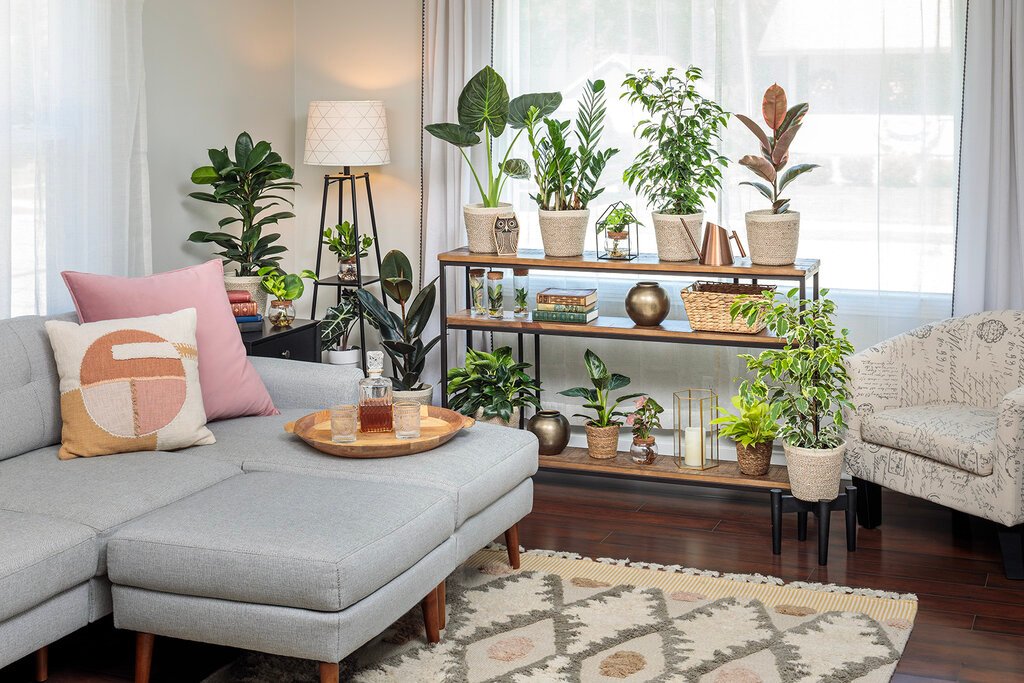
Instead of reacting to pests, create a simple routine:
- Inspect leaves (top and bottom)
- Check soil moisture
- Wipe dust from leaves
- Rotate plants for even light
- Use a mild preventive spray if needed
Think of it as maintenance rather than treatment.
Real-Life Lessons You Don’t Hear Often
Over time, I’ve noticed a few patterns:
- Healthy plants rarely attract serious infestations
- Most pest problems start small—don’t ignore early signs
- Over-treating can harm plants more than pests do
- Patience is part of the process
There’s no instant fix. Natural pest control is slower—but it’s also more sustainable.
When Natural Methods Need a Boost
There are times when infestations get out of control. If that happens:
- Combine methods (e.g., neem oil + pruning)
- Increase frequency of treatment
- Temporarily isolate affected plants
Natural doesn’t mean weak—it just requires consistency.
FAQs About Natural Indoor Plant Pest Control
1. How long does it take for natural pest control methods to work?
Natural methods usually take a few days to a couple of weeks. Unlike chemical treatments, they rely on gradual control rather than instant results.
2. Can I combine different natural methods?
Yes, combining methods often works better. For example, pruning affected areas and using neem oil together can speed up recovery.
3. Are natural sprays safe for all plants?
Most are safe, but it’s always best to test on a small leaf first. Some sensitive plants may react differently.
4. Why do pests keep coming back?
Recurring pests usually mean an underlying issue like overwatering, poor airflow, or weak plant health. Fixing the root cause is key.
5. How often should I apply natural treatments?
Typically once a week for prevention, and every few days during active infestations.
6. Do indoor plants always get pests?
Not always, but it’s common. With proper care and monitoring, you can minimize or completely avoid infestations.
Final Thoughts
Natural pest control isn’t just about getting rid of bugs—it’s about building a healthier environment for your plants. When you pay attention to the small details—light, water, airflow—you create conditions where pests struggle to survive.
It’s less about fighting and more about balance.
And once you get the hang of it, you’ll realize something surprising: pest control doesn’t feel like a chore anymore. It becomes just another quiet, satisfying part of caring for something alive.