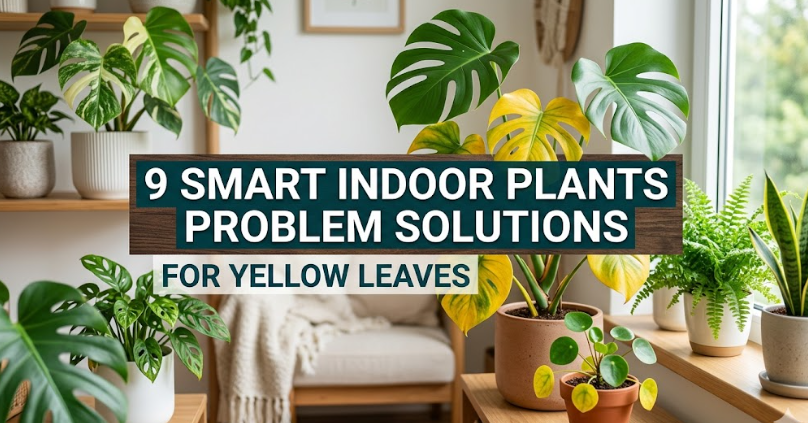
9 Smart Indoor Plants Problem Solutions for Yellow Leaves
Indoor plants have a quiet way of becoming part of your life. They sit by the window, on your desk, or in that empty corner that suddenly feels alive once a leaf unfurls. But nothing disrupts that calm more than seeing those once-vibrant green leaves slowly turning yellow. It feels like a silent signal—a plant trying to say something, but not quite loudly enough for you to immediately understand.
Yellow leaves aren’t just a cosmetic issue. They are a message. Sometimes it’s a cry for help; sometimes it’s just a natural process. The trick lies in knowing the difference.
This guide isn’t just a checklist of fixes. It’s a deeper look into why yellowing happens and how to respond intelligently—so you’re not just reacting, but actually understanding your plants.
Understanding Why Leaves Turn Yellow
Before jumping into solutions, it helps to know what’s happening beneath the surface.
Leaves contain chlorophyll, the pigment responsible for their green color and their ability to photosynthesize. When a plant is stressed—whether from too much water, too little light, or nutrient imbalances—chlorophyll begins to break down. What remains are yellow pigments that were always there, just hidden beneath the green.
So when leaves turn yellow, it’s not random. It’s biology.
And each cause leaves its own subtle fingerprint.
1. Smart Watering: Fixing Overwatering and Underwatering
Watering is the most common reason indoor plants develop yellow leaves—and also the most misunderstood.
Too much water suffocates roots. Too little water starves them.
The tricky part? Both problems can look the same at first glance.
If your plant’s leaves are turning yellow and feel soft or mushy, overwatering is likely the issue. The soil may smell slightly sour, and roots might be sitting in stagnant moisture.
On the other hand, if the leaves are dry, brittle, and curling, underwatering is probably the culprit.
Smart solution:
Instead of watering on a schedule, water based on soil condition. Stick your finger about an inch into the soil. If it feels dry, water thoroughly. If it still feels damp, wait.
Also, ensure your pot has proper drainage. No plant thrives in standing water.
2. Light Adjustment: Matching Plants with the Right Brightness
Light is energy for plants. Too little, and they can’t produce enough food. Too much, and their leaves burn.
Yellow leaves caused by low light often appear pale and weak, sometimes accompanied by slow growth. In contrast, too much direct sunlight can cause yellow patches or scorched spots.
Smart solution:
Observe your plant’s natural habitat. A tropical plant used to filtered forest light won’t enjoy harsh afternoon sun. Move plants gradually—never abruptly—from low to high light.
A small shift in placement, like moving a plant closer to a window or adding sheer curtains, can make a noticeable difference.
3. Nutrient Balance: Feeding Without Overfeeding
Plants need nutrients like nitrogen, potassium, and iron to maintain healthy leaves. A deficiency—especially nitrogen—often shows up as yellowing, starting with older leaves.
But over-fertilizing can be just as harmful. Excess salts build up in the soil, damaging roots and causing yellow or brown leaf edges.
Smart solution:
Feed your plants lightly during their growing season (spring and summer). Use a balanced fertilizer, diluted to half strength.
Every few months, flush the soil with clean water to remove any buildup. It’s a simple reset that many plant owners overlook.
4. Temperature Stability: Avoiding Sudden Changes
Indoor plants are more sensitive to temperature than we often realize.
Cold drafts from windows, blasts from air conditioners, or sudden heat spikes can stress plants, leading to yellowing leaves.
You might notice this especially in winter when leaves near windows start discoloring.
Smart solution:
Keep plants in stable environments. Avoid placing them directly in front of vents, heaters, or drafty windows.
Consistency matters more than perfection. A steady environment helps plants regulate themselves.
5. Humidity Control: Recreating Natural Conditions
Many indoor plants originate from tropical regions where humidity is high. In dry indoor environments, especially during winter, they struggle.
Low humidity often causes leaves to yellow at the edges or develop brown tips.
Smart solution:
Increase humidity in simple ways:
- Group plants together
- Use a pebble tray with water
- Occasionally mist leaves (though not excessively)
For more sensitive plants, a small humidifier can make a dramatic difference.
6. Soil Health: When the Problem Lies Beneath
Soil isn’t just something that holds a plant upright. It’s an ecosystem.
Over time, soil can become compacted, losing its ability to drain properly. This leads to root stress and eventually yellow leaves.
Old soil may also lose nutrients or develop imbalances.
Smart solution:
Repot plants every 1–2 years, depending on growth. Use fresh, well-draining potting mix suited to your plant type.
Loosening compacted soil or upgrading to a better mix can revive a struggling plant faster than expected.
7. Root Inspection: Catching Problems Early
Sometimes the issue is hidden entirely underground.
Root rot, caused by prolonged moisture, prevents roots from absorbing nutrients. The result? Yellow leaves above the surface.
Healthy roots are white and firm. Rotten roots are dark, mushy, and often have an unpleasant smell.
Smart solution:
If you suspect root issues, gently remove the plant from its pot and inspect the roots.
Trim away any damaged parts with clean scissors, then repot in fresh soil. Water lightly and allow the plant time to recover.
8. Pest Management: Tiny Invaders, Big Impact
Not all yellow leaves are caused by care mistakes. Sometimes pests are the hidden problem.
Common indoor pests like spider mites, aphids, and mealybugs feed on plant sap, weakening leaves and causing discoloration.
You might notice tiny dots, webbing, or sticky residue.
Smart solution:
Inspect leaves regularly, especially the undersides.
Wipe leaves with a damp cloth or use a mild insecticidal soap. Early intervention is key—pests spread quickly if ignored.
9. Natural Aging: Knowing When It’s Normal
Not every yellow leaf signals a problem.
Plants naturally shed older leaves as they grow. These leaves often turn yellow gradually and fall off without affecting the rest of the plant.
Smart solution:
Observe the pattern. If only a few older leaves are yellowing while new growth looks healthy, there’s likely no cause for concern.
Simply remove the yellow leaves to keep the plant tidy and allow it to focus energy on new growth.
A Simple Diagnostic Approach
When faced with yellow leaves, it’s tempting to try everything at once. But that often makes things worse.
Instead, pause and observe:
- Check the soil moisture
- Look at light exposure
- Inspect the roots if needed
- Examine leaves for pests
Think like a detective, not a firefighter. Solve the cause, not just the symptom.
Building a Relationship with Your Plants
The truth is, plants don’t follow strict rules. Two identical plants in the same room can behave differently.
That’s because plant care isn’t just about instructions—it’s about observation.
Over time, you’ll begin to notice subtle changes:
- The way leaves droop before watering
- The slight dullness before yellowing begins
- The difference between stress and natural aging
This awareness is what turns plant care from a task into a skill.
Preventing Yellow Leaves Before They Start
Prevention is always easier than cure.
Here are a few habits that make a lasting difference:
- Rotate plants occasionally for even light exposure
- Clean leaves to improve photosynthesis
- Avoid drastic changes in environment
- Use pots with drainage holes
- Learn each plant’s specific needs
Small, consistent care goes further than occasional overcorrection.
Final Thoughts
Yellow leaves are not failures—they’re feedback.
Each one is a signal, a clue, a moment to learn something new about your plant. When you respond thoughtfully rather than react impulsively, you create a healthier environment not just for your plants, but for yourself as well.
Because in the end, caring for plants is less about perfection and more about attention.
Frequently Asked Questions (FAQs)
1. Should I remove yellow leaves from my plant?
Yes, in most cases. Removing yellow leaves helps the plant redirect energy to healthier growth. Just make sure the cause of yellowing has been addressed.
2. Can yellow leaves turn green again?
Generally, no. Once a leaf has turned yellow, the process is irreversible. Focus on preventing further yellowing and supporting new growth.
3. How often should I water indoor plants to avoid yellow leaves?
There’s no fixed schedule. Always check the soil first. Water only when the top layer feels dry.
4. Do all plants need fertilizer to stay green?
Most indoor plants benefit from occasional feeding, especially during their growing season. However, too much fertilizer can cause more harm than good.
5. Is tap water safe for indoor plants?
In many cases, yes. But if your water contains high levels of chlorine or minerals, it can contribute to leaf issues over time. Letting water sit overnight can help reduce chlorine.
6. Why are only the lower leaves turning yellow?
This is often natural aging, especially if the rest of the plant looks healthy. However, it can also indicate a mild nutrient deficiency.