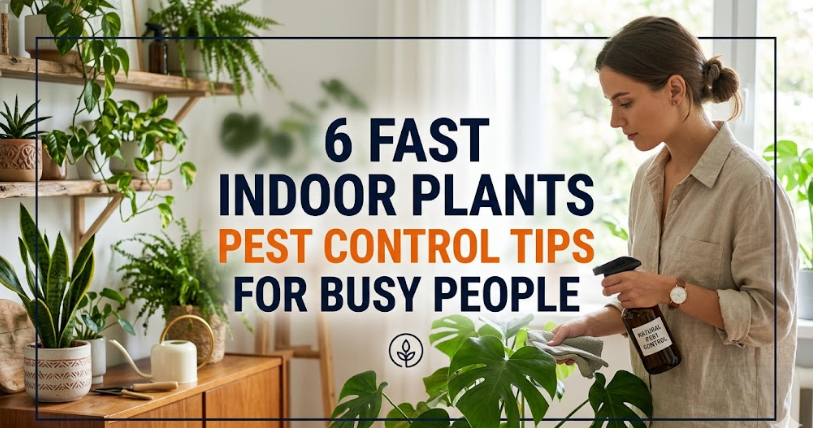
6 Fast Indoor Plants Pest Control Tips for Busy People
Indoor plants bring life, calm, and a touch of nature into our homes. But along with lush greenery comes an occasional—and often frustrating—problem: pests. If you’re someone juggling work, family, and everything in between, you probably don’t have hours to dedicate to plant care. The good news? You don’t need to.
This guide is designed for busy people who want effective, time-saving pest control solutions that actually work. These are not complicated routines or expensive treatments—just practical, proven tips you can implement quickly without disrupting your day.
Why Indoor Plant Pests Are Hard to Ignore
Before diving into solutions, it’s important to understand why pests appear in the first place. Indoor plants, despite being sheltered, create a perfect microenvironment for bugs like aphids, spider mites, fungus gnats, and mealybugs. Warm temperatures, consistent watering, and limited airflow make it easy for these pests to thrive.
But here’s the key point: pests don’t appear overnight. They build up gradually. If you act early—and smart—you can eliminate them in minutes rather than hours.
Tip 1: The 30-Second Leaf Inspection Routine
If you only adopt one habit, make it this one.
Take 30 seconds while watering your plants to quickly inspect the leaves—especially the undersides. Most pests hide there because it’s shaded and protected.
What to Look For:
- Tiny white or black dots
- Sticky residue (honeydew)
- Webbing (a sign of spider mites)
- Yellow or curling leaves
Why This Works:
Catching pests early prevents infestation. Instead of dealing with hundreds of bugs later, you stop them when there are just a few.
Quick Action:
If you spot anything unusual, wipe the leaf immediately with a damp cloth. That alone can remove many pests before they spread.
Tip 2: Use a Simple Soap Spray (DIY in 2 Minutes)
You don’t need fancy chemicals. A basic soap spray is one of the fastest and most effective pest control methods.
How to Make It:
- 1 liter of water
- 1–2 teaspoons of mild liquid soap
Mix it in a spray bottle, shake gently, and you’re ready.
How to Use:
- Spray directly on affected areas
- Focus on leaf undersides and stems
- Leave it for a few hours, then rinse lightly
Why It Works:
Soap breaks down the protective coating of soft-bodied pests like aphids and mealybugs, killing them almost instantly.
Time Investment:
Less than 5 minutes per plant.
Tip 3: Sticky Traps for Hands-Free Control
If you’re too busy to constantly monitor your plants, let traps do the work.
What Are Sticky Traps?
Bright yellow cards coated with adhesive that attract flying insects like fungus gnats and whiteflies.
How to Use:
- Place one trap near each plant
- Replace every 2–3 weeks
Benefits:
- Works 24/7 without effort
- Helps monitor pest levels
- Prevents breeding cycles
Pro Tip:
This is especially useful if you tend to overwater, which attracts gnats.
Tip 4: Quick Isolation Strategy (The “Plant Quarantine” Rule)
One infected plant can quickly spread pests to others. That’s why isolation is crucial—and it takes almost no time.
What to Do:
- Move the affected plant away immediately
- Place it in a separate room or corner
- Treat it before returning it to the group
Why It Works:
Pests travel fast, especially crawling and flying insects. Isolation stops the spread instantly.
Time Required:
1 minute to move the plant. That’s it.
Tip 5: The Weekly Shower Method
This is one of the easiest and most satisfying methods.
How It Works:
Take your plant to the sink or shower and gently rinse it with lukewarm water.
What It Does:
- Removes dust
- Washes away pests and eggs
- Improves overall plant health
Best For:
- Spider mites
- Aphids
- General maintenance
Frequency:
Once a week or even once every two weeks is enough.
Bonus:
Your plants will look fresher and healthier almost instantly.
Tip 6: Cinnamon and Neem Oil – Natural Power Combo
For those who prefer natural remedies, this combination is powerful and quick.
Cinnamon:
Sprinkle a small amount on the soil surface to prevent fungus and gnats.
Neem Oil Spray:
Mix neem oil with water and spray lightly on leaves.
Why It Works:
- Cinnamon acts as a natural antifungal agent
- Neem oil disrupts pest feeding and reproduction
Time Required:
5 minutes per session.
Important Note:
Use neem oil in the evening or indirect light to avoid leaf burn.
A Simple Weekly Pest Control Routine (For Busy People)
You don’t need a complicated schedule. Here’s a quick weekly plan:
| Day | Task | Time Needed |
|---|---|---|
| Monday | Quick leaf inspection | 2–3 minutes |
| Wednesday | Spray soap solution if needed | 5 minutes |
| Friday | Check sticky traps | 1 minute |
| Weekend | Shower plants + neem spray | 10 minutes |
Total weekly time: Around 15–20 minutes.
Common Mistakes Busy People Make (And How to Avoid Them)
Even with the best intentions, a few mistakes can make pest problems worse.
Overwatering
Too much moisture invites fungus gnats.
Fix: Let the top inch of soil dry before watering.
Ignoring Early Signs
Waiting too long turns a small issue into a major infestation.
Fix: Stick to the 30-second inspection rule.
Using Harsh Chemicals
Strong pesticides can damage indoor plants and affect air quality.
Fix: Start with natural or mild solutions like soap spray.
Skipping Isolation
Keeping an infected plant with healthy ones spreads pests quickly.
Fix: Always isolate immediately.
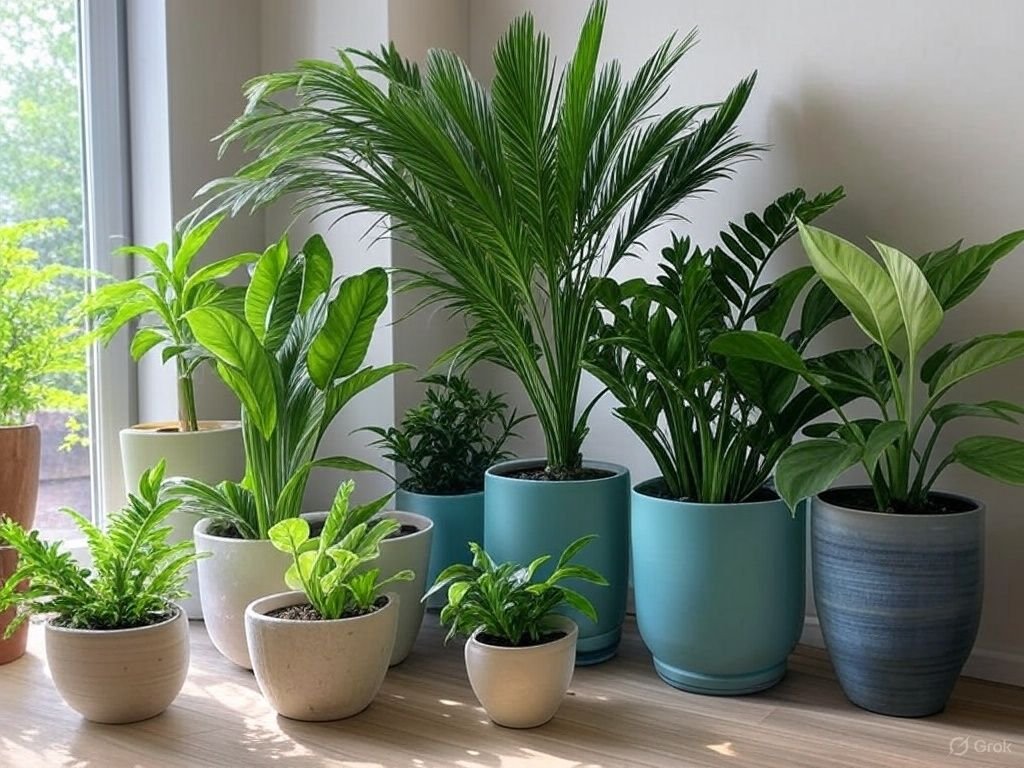
Low-Maintenance Plants That Resist Pests
If you’re extremely busy, consider plants that naturally resist pests:
- Snake Plant
- ZZ Plant
- Pothos
- Rubber Plant
These plants are hardy and less prone to infestations, making them perfect for low-maintenance care.
The Psychology of Fast Plant Care
One reason people struggle with plant care is the belief that it requires a lot of time. But in reality, consistency matters more than duration.
A few minutes of attention regularly is far more effective than hours of occasional effort.
Think of pest control like brushing your teeth—it’s quick, routine, and prevents bigger problems.
When to Take It Seriously
While most pest problems are manageable, some situations require extra attention:
- Rapid leaf drop
- Visible clusters of insects
- Persistent infestation despite treatment
In these cases, you may need to repeat treatments more frequently or consider repotting the plant.
Final Thoughts
Indoor plant pest control doesn’t have to be overwhelming or time-consuming. With the right approach, you can keep your plants healthy and pest-free in just a few minutes each week.
The key is simplicity:
- Inspect regularly
- Act quickly
- Use easy, effective methods
Even the busiest person can maintain thriving indoor plants with these fast and practical tips.
FAQs
1. How often should I check my indoor plants for pests?
Ideally, once or twice a week. A quick 30-second inspection during watering is usually enough to catch early signs.
2. Can I use dish soap for pest control?
Yes, but make sure it’s mild and free from harsh chemicals or strong fragrances. Always dilute it properly.
3. What is the fastest way to get rid of pests?
A combination of wiping leaves and using a soap spray is one of the quickest and most effective methods.
4. Are natural remedies like neem oil really effective?
Yes, neem oil works well for many common pests. It’s especially useful as a preventive treatment.
5. Why do my plants keep getting fungus gnats?
Overwatering is the most common cause. Let the soil dry out slightly between waterings and use sticky traps.
6. Should I throw away heavily infested plants?
Not necessarily. Try isolating and treating them first. If the infestation is severe and persistent, then disposal may be the last option.