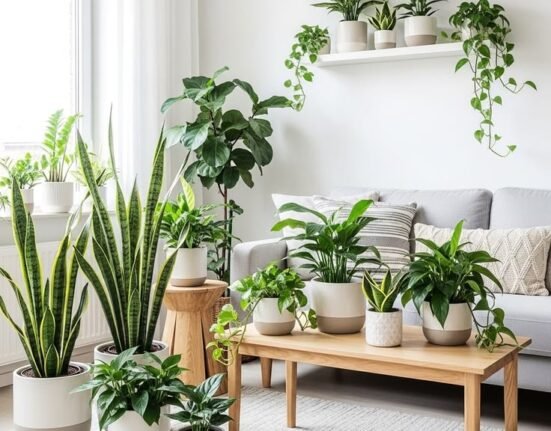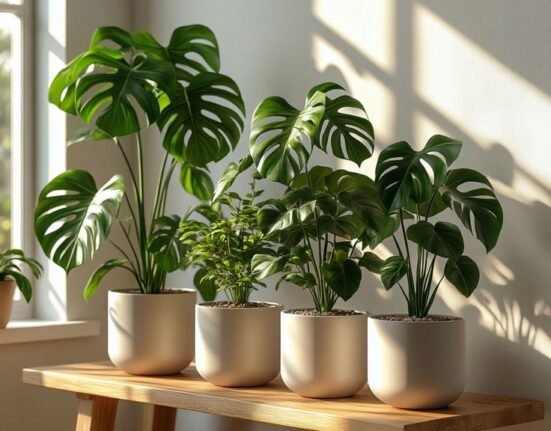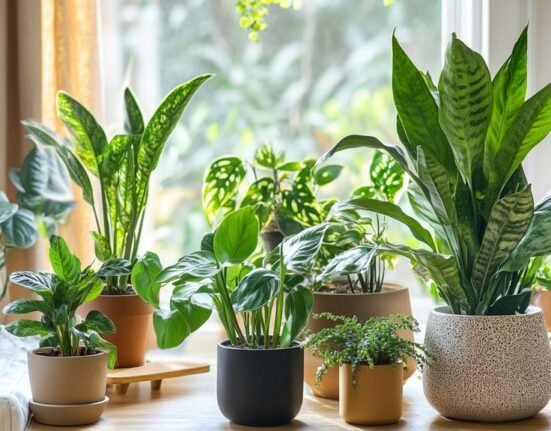
9 Powerful Indoor Plants Care Tips for Healthy Growth
Indoor plants have a quiet way of transforming a space. They don’t just sit in corners looking pretty—they breathe life into rooms, soften harsh lines, and create a sense of calm that’s hard to replicate with décor alone. But if you’ve ever brought a plant home only to watch it slowly decline, you already know that keeping indoor plants healthy is not always as simple as watering them once in a while.
Caring for indoor plants is part science, part observation, and part patience. Over time, I’ve learned that thriving plants aren’t about luck—they’re the result of small, consistent habits and a deeper understanding of what plants actually need.
In this guide, you’ll discover 9 powerful indoor plant care tips that go beyond the basics. These are practical, experience-driven insights designed to help your plants not just survive, but truly thrive.
1. Understand Light Like a Plant Would
Light is the foundation of plant health. Without it, even the best watering routine or fertilizer won’t save your plants.
Most people make the mistake of thinking “bright room” equals “bright light.” But plants experience light differently than we do.
- A room may look bright to your eyes but still be low-light for a plant.
- Distance from the window matters more than the room’s overall brightness.
- Direction of the window (north, south, east, west) changes light intensity dramatically.
How to get it right:
- Place sun-loving plants (like succulents) near south or west-facing windows.
- Use sheer curtains to diffuse harsh sunlight.
- Rotate plants every week so all sides get equal exposure.
Simple observation trick:
If your plant leans toward the window, it’s asking for more light.
2. Watering Is About Timing, Not Routine
If there’s one thing that kills indoor plants faster than anything else, it’s overwatering.
Many beginners water on a fixed schedule: every day, every other day, or once a week. But plants don’t follow calendars—they respond to conditions.
Key idea:
Water when the plant needs it, not when the clock says so.
How to check:
- Stick your finger 1–2 inches into the soil.
- If it feels dry, it’s time to water.
- If it’s still moist, wait.
Signs of overwatering:
- Yellow leaves
- Mushy stems
- Fungus gnats
Signs of underwatering:
- Dry, crispy leaves
- Drooping plant
- Soil pulling away from the pot edges
Golden rule:
It’s easier to recover a thirsty plant than a drowned one.
3. Choose the Right Soil, Not Just Any Soil
Soil is more than just dirt—it’s your plant’s entire living environment.
Using the wrong soil mix can suffocate roots, trap too much water, or drain too quickly.
Different plants need different soil:
- Succulents need fast-draining sandy soil
- Tropical plants prefer moisture-retaining mixes
- Orchids require airy bark-based mediums
Upgrade tip:
Mix your own soil blend using:
- Potting soil
- Perlite (for drainage)
- Coco coir or peat (for moisture retention)
This small change alone can dramatically improve plant health.
4. Don’t Ignore Humidity (It Matters More Than You Think)
Most indoor plants come from tropical environments where humidity is naturally high. But indoor air—especially with fans, heaters, or air conditioners—is usually dry.
Low humidity can cause:
- Brown leaf edges
- Curling leaves
- Slowed growth
Ways to increase humidity:
- Group plants together (they create a microclimate)
- Use a humidity tray (water + pebbles)
- Mist occasionally (but not excessively)
- Place a bowl of water near plants
If you have multiple plants, investing in a humidifier can make a huge difference.
5. Feed Your Plants, But Don’t Overdo It
Plants need nutrients to grow—but too much fertilizer can do more harm than good.
Think of fertilizer as a supplement, not a primary food source.
Best practices:
- Use a balanced liquid fertilizer
- Feed once every 2–4 weeks during growing season (spring and summer)
- Reduce or stop feeding in winter
Warning signs of over-fertilizing:
- Burnt leaf tips
- White crust on soil
- Stunted growth
Less is often more when it comes to feeding plants.
6. Repotting Isn’t Optional—It’s Essential
Plants don’t outgrow their pots overnight, but eventually, they do.
When roots become crowded, your plant struggles to absorb water and nutrients.
Signs it’s time to repot:
- Roots growing out of drainage holes
- Soil dries out too quickly
- Growth has slowed significantly
How to repot properly:
- Choose a pot 1–2 inches larger than the current one
- Refresh the soil completely
- Gently loosen the root ball
Repotting gives your plant a fresh start and room to grow.
7. Clean Your Plant Leaves Regularly
Dust doesn’t just sit on furniture—it settles on plant leaves too.
Dirty leaves block sunlight and reduce photosynthesis.
What to do:
- Wipe leaves with a damp cloth every couple of weeks
- For smaller leaves, rinse gently under water
This simple habit improves both plant health and appearance.
8. Watch for Pests Before They Spread
Indoor plants are not immune to pests. In fact, indoor conditions can sometimes make infestations worse because there are no natural predators.
Common pests include:
- Spider mites
- Mealybugs
- Aphids
Early warning signs:
- Sticky residue on leaves
- Tiny moving dots
- White cotton-like patches
What to do:
- Isolate affected plants immediately
- Use neem oil or mild soapy water
- Inspect nearby plants
The earlier you act, the easier it is to control the problem.
9. Learn to Read Your Plant’s Signals
Plants may not speak, but they communicate clearly if you know what to look for.
Every leaf, color change, and growth pattern tells a story.
Examples:
- Yellow leaves → Overwatering or poor drainage
- Brown edges → Low humidity or inconsistent watering
- Leggy growth → Not enough light
- Drooping → Water stress (too much or too little)
The more time you spend observing your plants, the better you’ll understand their needs.
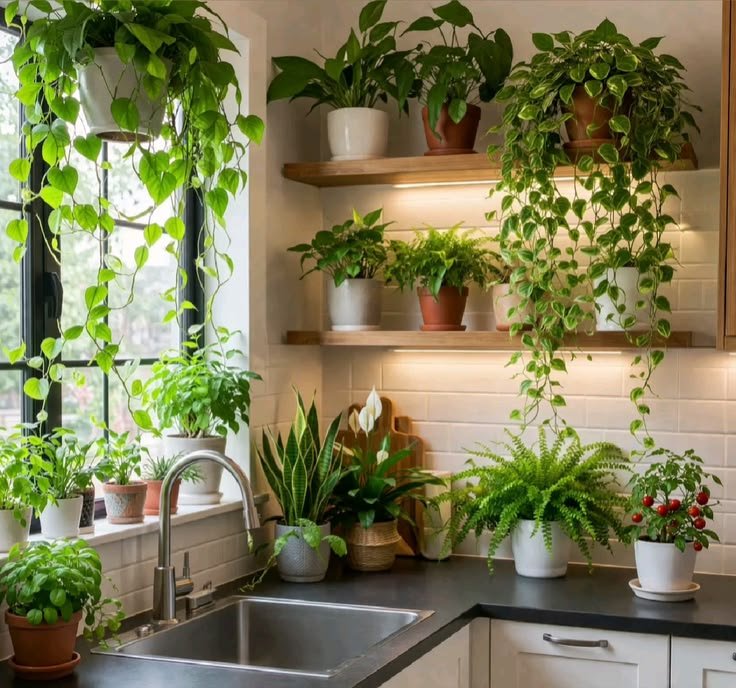
A Small Reflection: Plants Teach Patience
One of the most surprising things about caring for indoor plants is how much they change you.
You start paying attention to small details.
You learn to slow down.
You begin to appreciate gradual progress.
Plants don’t grow overnight, and neither does your skill as a plant parent. But with consistency, even the most struggling plant can bounce back.
Frequently Asked Questions (FAQs)
1. How often should I water indoor plants?
There’s no fixed schedule. Always check the soil first. Most plants prefer watering when the top 1–2 inches of soil are dry.
2. Can indoor plants survive without sunlight?
All plants need light to survive. Some tolerate low light, but no plant can thrive in complete darkness.
3. Why are my plant leaves turning yellow?
Yellow leaves are usually caused by overwatering, poor drainage, or lack of light. Check soil moisture and adjust your care routine.
4. Is misting plants necessary?
Misting can help slightly with humidity, but it’s not a complete solution. For long-term results, use humidity trays or a humidifier.
5. When should I repot my indoor plants?
Repot when roots outgrow the pot, soil dries too fast, or growth slows down. Typically, once every 1–2 years is enough.
6. What is the easiest indoor plant for beginners?
Plants like snake plants, pothos, and ZZ plants are very forgiving and perfect for beginners.
Final Thoughts
Caring for indoor plants isn’t about perfection—it’s about attention and adaptation.
You’ll make mistakes. Leaves will fall. Some plants might not make it. But every experience teaches you something valuable.
Stick with these 9 powerful care tips, stay observant, and over time, you’ll create a space filled with healthy, vibrant plants that reflect the care you’ve invested.
And perhaps, without even realizing it, you’ll grow right alongside them. 🌿