10 Indoor Plants Care Hacks That Actually Work
There’s something quietly transformative about living with indoor plants. They sit there, often unnoticed, turning light into life, making rooms feel calmer, softer, more alive. But if you’ve ever watched a once-thriving plant slowly droop, yellow, or just… give up, you know how frustrating plant care can be.
I didn’t learn plant care from a book or a perfect system. I learned it the messy way—overwatering a snake plant, forgetting a fern for weeks, moving pots around like furniture, hoping something would “click.” Eventually, it did.
What follows are not textbook rules. These are real, practical hacks—the kind you stumble upon after trial, error, and a bit of stubborn curiosity. They’re simple, flexible, and most importantly, they actually work.
1. Stop Following Watering Schedules—Start Listening to the Soil
One of the biggest mistakes beginners make is watering on a strict schedule. Every Sunday. Every three days. Like clockwork.
Plants don’t live by your calendar.
A plant near a sunny window drinks faster than one in a shady corner. A plant in winter needs less than in summer. A large pot holds moisture longer than a small one. So when you water by schedule, you often end up drowning or starving your plant without realizing it.
The hack: Use your finger as your guide.
Push your finger about an inch into the soil:
- If it feels dry → water
- If it feels damp → wait
It’s that simple.
Over time, you’ll start to recognize subtle signs:
- Slight drooping = thirsty
- Yellowing leaves + wet soil = overwatering
This shift—from routine to observation—is where real plant care begins.
2. The “Drench and Drain” Method Works Better Than Frequent Sips
Many people water plants like they’re giving them tiny sips—just a little water on top.
That’s not how roots work.
Roots grow deep. When you only wet the surface, the lower roots stay dry, and the plant becomes weak and shallow-rooted.
The hack: Water thoroughly, then let it drain completely.
Take your plant to a sink or watering area:
- Water slowly until it runs out of the bottom
- Let it drain fully
- Put it back
This encourages strong root growth and prevents salt buildup in the soil.
It feels like “more water,” but in reality, it’s healthier and less frequent.
3. Rotate Your Plants Like You Rotate Your Mattress
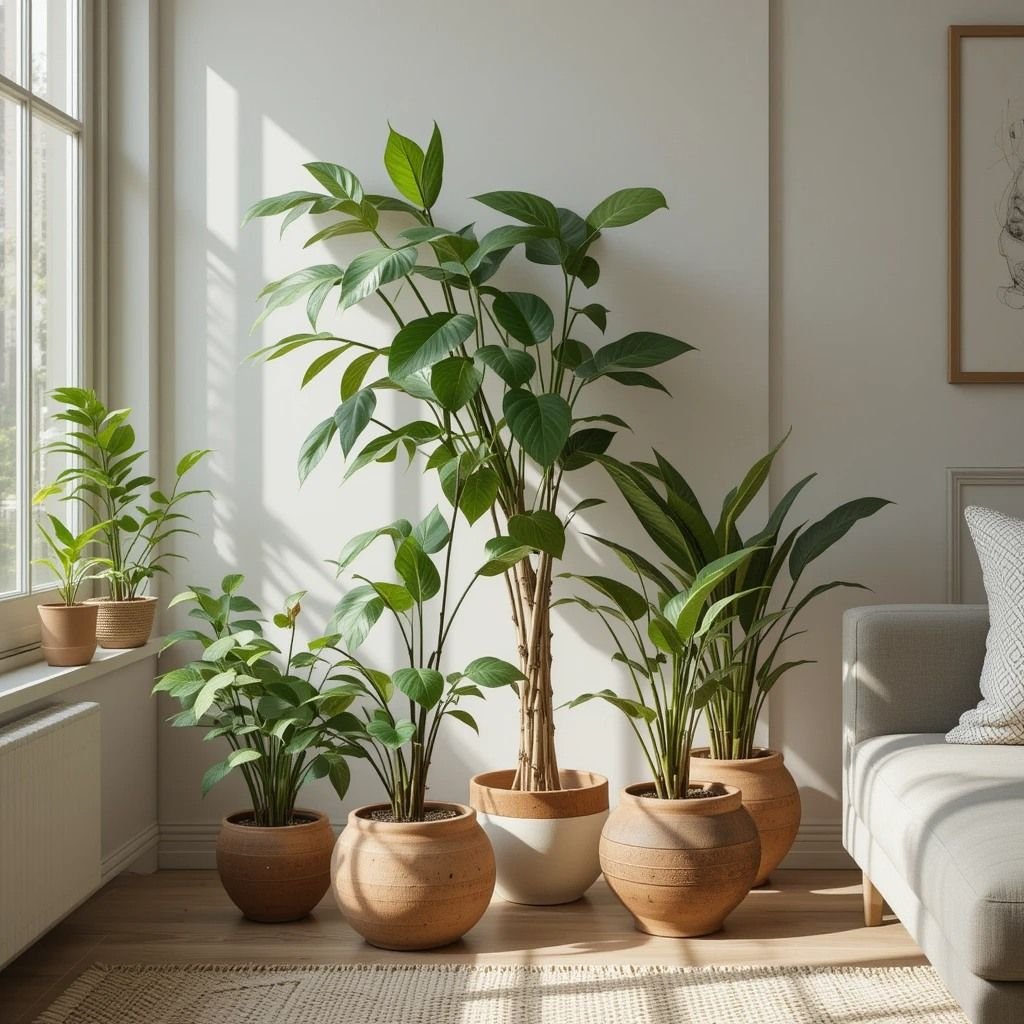
Ever noticed your plant leaning toward the window?
That’s phototropism—plants growing toward light.
If you leave it like that, your plant becomes uneven, lopsided, and sometimes even unstable.
The hack: Rotate your plant every week or two.
Just a small turn—about 90 degrees—is enough.
This keeps growth balanced and prevents:
- One-sided foliage
- Weak stems
- Awkward shapes
It’s a tiny habit, but it makes a huge visual difference over time.
4. Use the “Wrong” Spots—Some Plants Prefer Imperfect Light
We often assume plants need bright, direct sunlight. But many indoor plants actually suffer in harsh light.
Think of plants like:
- Snake plants
- ZZ plants
- Pothos
They’re naturally adapted to low-light environments.
The hack: Use less obvious spots.
Try placing plants:
- A few feet away from windows
- In corners with indirect light
- On shelves instead of windowsills
Sometimes, the “less ideal” spot is actually perfect.
Watch how your plant responds. If it’s growing slowly but steadily and staying green, you’ve found the sweet spot.
5. Clean the Leaves—Dust Is a Silent Killer
Dust doesn’t just make plants look dull—it blocks sunlight and clogs tiny pores on leaves.
That means less photosynthesis and weaker growth.
The hack: Wipe leaves gently every couple of weeks.
Use:
- A damp cloth
- Or even a soft sponge
For smaller plants, you can rinse them lightly in the shower.
It’s one of those things people forget, but once you start doing it, you’ll notice:
- Shinier leaves
- Better growth
- Healthier appearance overall
6. Don’t Repot Too Often—Plants Like Being Slightly Root-Bound
There’s a common belief that plants need frequent repotting. In reality, many plants thrive when their roots are slightly crowded.
Too much space can lead to:
- Excess moisture retention
- Root rot
- Slower growth
The hack: Repot only when necessary.
Look for signs like:
- Roots coming out of drainage holes
- Soil drying out unusually fast
- Stunted growth
If your plant looks happy, leave it alone.
Sometimes, doing less is the best care.
7. Use Household Items for Natural Boosts
You don’t need fancy fertilizers to keep plants healthy.
Some simple household items can give plants a gentle boost.
The hack: Try these natural options (in moderation):
- Banana peel water (for potassium)
- Rice water (for mild nutrients)
- Crushed eggshells (for calcium)
Important: Don’t overdo it. These are supplements, not replacements.
Used occasionally, they can improve soil health and plant vitality.
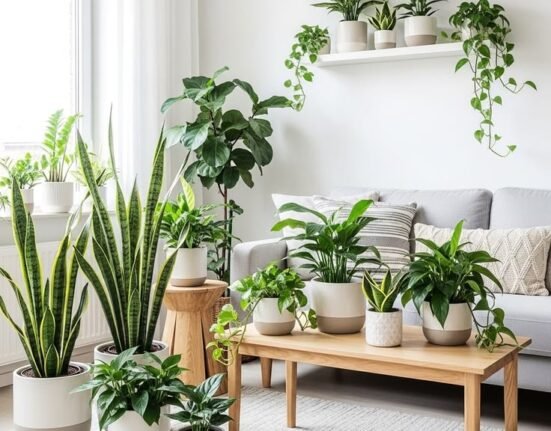
8. Group Plants Together to Create a Micro-Climate
Plants release moisture into the air through transpiration. When grouped together, they create a slightly more humid environment.
This is especially helpful for tropical plants like ferns or calatheas.
The hack: Create plant clusters.
Instead of scattering plants around your home:
- Group them on a shelf
- Place them on a plant stand together
- Create a small “plant corner”
You’ll notice:
- Less dryness
- Happier leaves
- Better growth overall
It also makes your space look more lush and intentional.
9. Learn to Read Leaves—They Tell You Everything
Plants don’t speak, but they communicate clearly if you pay attention.
Leaves are the language.
The hack: Decode common signals.
- Yellow leaves → often overwatering
- Brown crispy edges → low humidity or underwatering
- Drooping → either too dry or too wet
- Pale leaves → not enough light
Instead of guessing, use these signs as clues.
Once you start “reading” your plants, care becomes intuitive rather than confusing.
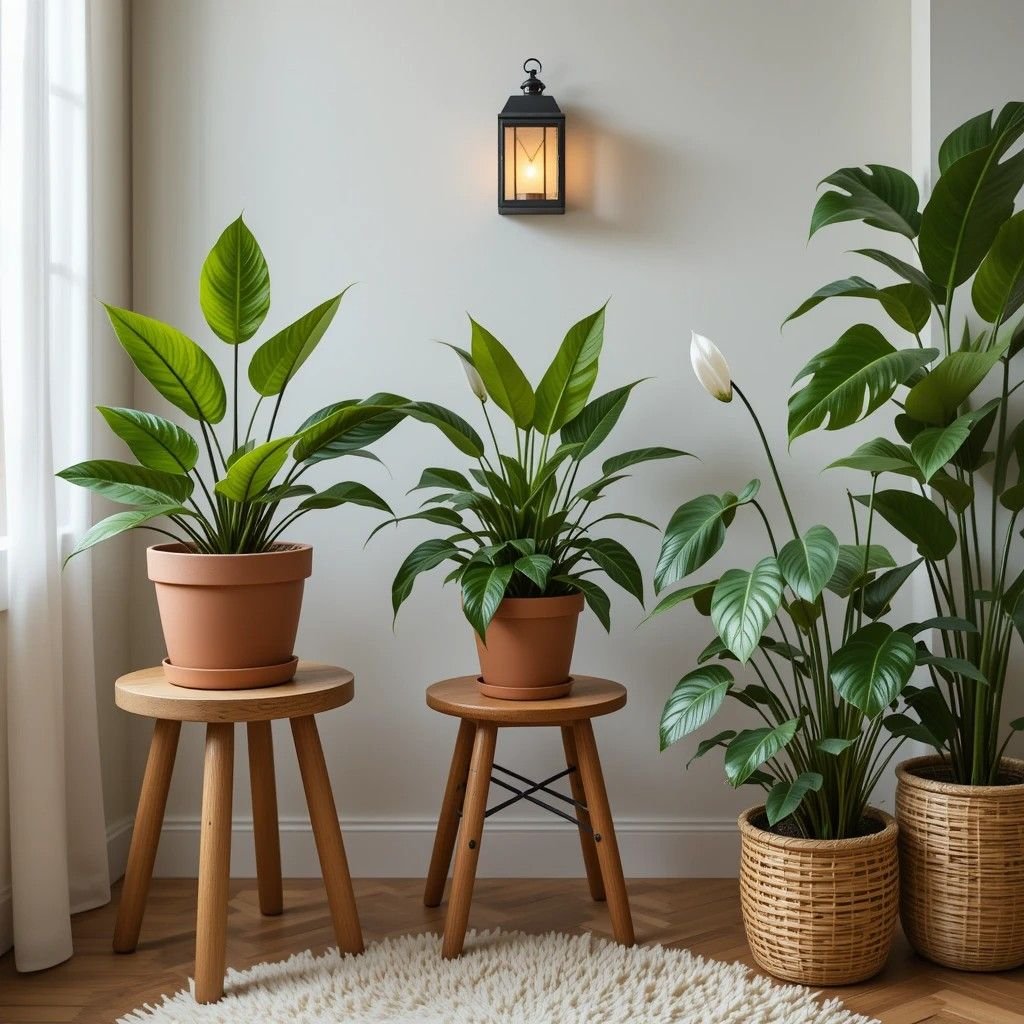
10. Accept That Some Leaves Will Die—And That’s Okay
This might be the most important lesson.
Not every yellow leaf means failure.
Plants shed old leaves. They adapt. They go through phases.
The hack: Don’t panic over small changes.
Instead:
- Remove dead leaves
- Observe patterns, not one-time events
- Focus on overall health
A plant with one yellow leaf can still be perfectly healthy.
Perfection isn’t the goal—consistency is.
A Quiet Shift: From Control to Connection
At some point, plant care stops being about rules and starts becoming something else entirely.
You notice things:
- The way a leaf unfurls slowly
- The slight tilt toward light
- The subtle change in color after watering
You stop reacting and start understanding.
And that’s really what all these hacks lead to—not perfect plants, but a better relationship with them.
FAQs About Indoor Plant Care Hacks
1. How often should I water my indoor plants?
There’s no universal schedule. Always check the soil first. Most plants prefer drying out slightly between watering rather than staying constantly wet.
2. Can I use tap water for my plants?
Yes, in most cases. If your water is heavily chlorinated, letting it sit overnight before use can help. Some sensitive plants prefer filtered water.
3. Why are my plant leaves turning yellow?
The most common reason is overwatering. Check if the soil is staying wet for too long and adjust your watering habits accordingly.
4. Do indoor plants really need fertilizer?
They benefit from it, but not constantly. During growing seasons (spring and summer), occasional feeding helps. In winter, most plants need little to none.
5. Is direct sunlight necessary for all plants?
No. Many indoor plants thrive in indirect or low light. Too much direct sunlight can actually burn leaves in some species.
6. How do I know when to repot my plant?
Look for roots growing out of drainage holes, soil drying too quickly, or slowed growth. If none of these signs appear, your plant is likely fine where it is.
If you take anything from this, let it be this: plants aren’t as complicated as they seem. They just require attention, patience, and a willingness to learn from small mistakes.
And once you get the hang of it, they don’t just survive—they quietly transform your space, and maybe even your routine, in ways you didn’t expect.