7 Indoor Plants Care Lessons That Changed My Routine
There was a time when my indoor plants were more of a hopeful decoration than a thriving part of my home. Leaves yellowed faster than they grew, soil stayed soggy or bone dry, and I constantly questioned whether I had a “green thumb” at all. What changed everything wasn’t a miracle fertilizer or expensive tools—it was a shift in how I understood plant care.
These seven lessons didn’t just improve my plants; they reshaped my daily routine, my patience, and even how I observe the world around me. If you’ve ever struggled with indoor plants or simply want to elevate your care game, these insights may do the same for you.
Lesson 1: Watering Is About Observation, Not Schedule
For the longest time, I followed rigid watering schedules. Every Sunday, without fail, I watered all my plants. It felt organized and responsible—but it was also the root of many problems.
Plants don’t live by calendars. They respond to their environment: temperature, humidity, light, and even the size of their pot.
What I learned:
- Soil moisture matters more than timing.
- Different plants have vastly different water needs.
- Overwatering is often worse than underwatering.
Now, instead of watering on autopilot, I check the soil with my fingers. If the top inch feels dry, I water. If it’s still moist, I wait. This small habit change transformed my plants’ health almost overnight.
Routine Shift:
I replaced a weekly “watering day” with a daily 2-minute plant check. It’s quicker, more mindful, and far more effective.
Lesson 2: Light Is the Real Lifeline
I used to think watering was the most important part of plant care. It isn’t—light is.
Once I started paying attention to where my plants actually lived in relation to windows, everything changed. A plant struggling in a dark corner suddenly thrived when moved closer to indirect sunlight.
Key realizations:
- Not all “bright” rooms are bright for plants.
- Direction of windows (north, south, east, west) matters.
- Light intensity changes throughout the year.
I began rotating plants, experimenting with placement, and even observing how sunlight moved across my room during the day.
Routine Shift:
Every few weeks, I reassess plant placement instead of leaving them in fixed spots. My home became more dynamic—and so did my plants.
Lesson 3: Less Fuss, More Consistency
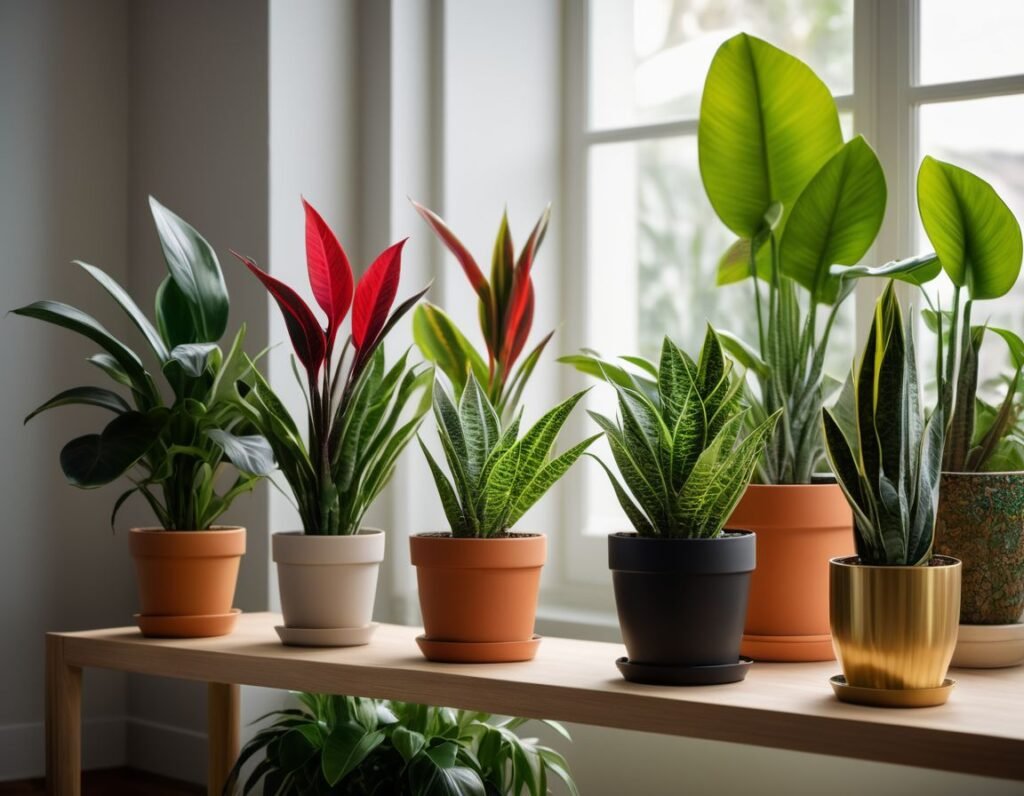
At one point, I tried everything—misting daily, fertilizing frequently, wiping leaves constantly. Ironically, the more I “cared,” the worse my plants seemed to do.
Plants don’t need constant interference. They need stability.
What works better:
- Consistent watering habits
- Occasional feeding, not overfeeding
- Minimal disturbance
Plants thrive when their environment is predictable. Too many changes—even well-intentioned ones—can stress them.
Routine Shift:
I simplified everything. Fewer actions, done consistently, replaced my overcomplicated care routine.
Lesson 4: Soil Isn’t Just Dirt—It’s a System
I used to grab any generic potting mix and call it a day. But soil plays a massive role in plant health.
Different plants require different soil structures:
- Some need fast-draining soil
- Others prefer moisture retention
- Aeration is crucial for root health
Once I started customizing soil mixes—adding perlite, sand, or organic matter—I noticed stronger roots and healthier growth.
Routine Shift:
Repotting became intentional rather than reactive. I now think about soil as a foundation, not an afterthought.
Lesson 5: Pots and Drainage Change Everything
A beautiful pot without drainage holes used to feel like a design win. In reality, it often led to root rot.
Drainage is non-negotiable.
Important insights:
- Excess water must escape
- Roots need oxygen, not just moisture
- Pot size affects watering frequency
Switching to pots with proper drainage—and using trays to catch excess water—made a noticeable difference.
Routine Shift:
Before buying or using any pot, I check for drainage first. Aesthetic comes second.
Lesson 6: Plants Communicate—If You Learn Their Language
Yellow leaves, drooping stems, crispy edges—these aren’t random. They’re messages.
Once I stopped guessing and started observing patterns, plant care became intuitive.
Common signals:
- Yellow leaves: often overwatering
- Brown tips: low humidity or inconsistent watering
- Drooping: thirst or root issues
Instead of reacting emotionally (“My plant is dying!”), I now respond analytically.
Routine Shift:
I spend time observing changes rather than immediately trying to fix them. Understanding comes before action.
Lesson 7: Patience Is the Most Important Skill
Perhaps the most transformative lesson wasn’t technical—it was emotional.
Plants grow slowly. They don’t respond instantly to care changes. And sometimes, despite your best efforts, they struggle.
Patience taught me:
- Growth takes time
- Not every problem has an immediate solution
- Small improvements matter
Caring for plants became less about control and more about partnership.
Routine Shift:
I stopped expecting quick results. Instead, I track gradual progress—and appreciate it.
How These Lessons Reshaped My Daily Life
What surprised me most is how these lessons extended beyond plants.
- I became more observant.
- I developed patience.
- I embraced consistency over intensity.
Plant care turned into a quiet ritual—a moment of calm in otherwise busy days.
A Simple Weekly Indoor Plant Care Rhythm
Here’s the routine I follow now:
Daily (2–5 minutes):
- Check soil moisture
- Observe leaves and stems
Weekly:
- Rotate plants for even light
- Light cleaning of leaves (if needed)
Monthly:
- Fertilize (during growing season)
- Inspect roots and growth patterns
Occasionally:
- Repot when necessary
- Adjust placement based on seasons
It’s simple, flexible, and sustainable.
Common Mistakes I No Longer Make
- Watering all plants at once
- Ignoring light conditions
- Using decorative pots without drainage
- Over-fertilizing
- Panicking at the first sign of stress
Each mistake taught me something valuable—and helped refine my approach.
The Emotional Side of Plant Care
Indoor plants aren’t just decorative. They bring a subtle sense of life into your space.
Caring for them:
- Encourages mindfulness
- Creates routine
- Builds a sense of responsibility
There’s something deeply satisfying about seeing new leaves unfurl or a once-struggling plant recover.
FAQs About Indoor Plant Care
1. How often should I water my indoor plants?
There’s no universal schedule. Always check the soil first. Most plants prefer the top inch of soil to dry out before watering again.
2. What is the best light for indoor plants?
Bright, indirect light works for most plants. However, some tolerate low light, while others need direct sunlight. Understanding your plant’s specific needs is key.
3. Why are my plant’s leaves turning yellow?
Yellow leaves are often a sign of overwatering, but they can also result from poor drainage, low light, or nutrient deficiencies.
4. Do indoor plants need fertilizer?
Yes, but not excessively. During the growing season (spring and summer), feeding once a month is usually enough for most plants.
5. How do I know when to repot a plant?
Signs include roots growing out of drainage holes, soil drying too quickly, or stunted growth. Typically, plants need repotting every 1–2 years.
6. Is misting necessary for indoor plants?
Misting can help with humidity, but it’s not essential for most plants. Consistent watering and proper placement are more important.
Final Thoughts
These seven lessons didn’t just improve my plants—they simplified my life. Instead of chasing perfection, I learned to observe, adapt, and stay consistent.
Indoor plant care isn’t about doing more. It’s about doing the right things, at the right time, with patience.
And once that clicks, everything changes. 🌿