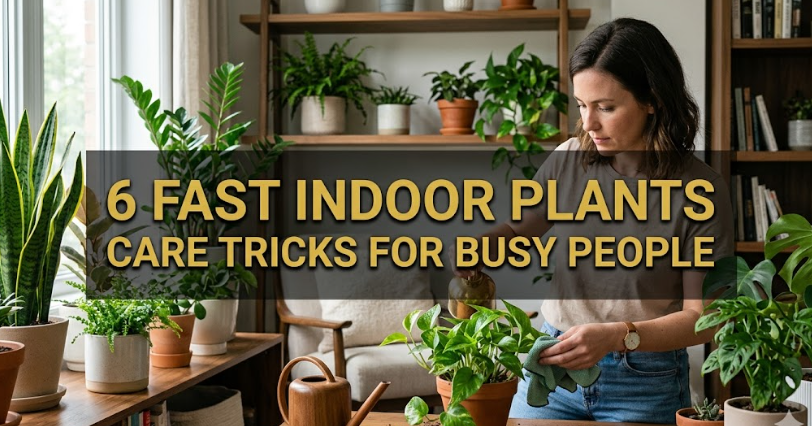
6 Fast Indoor Plants Care Tricks for Busy People
Introduction: When Life Gets Busy but Plants Still Matter
There’s a quiet kind of joy that comes from sharing your space with indoor plants. They soften harsh corners, bring life into dull rooms, and—if you’ve ever noticed—have a way of subtly lifting your mood even after a long, exhausting day. But here’s the catch: not everyone has the luxury of time.
Between work deadlines, family responsibilities, social commitments, and the occasional need to simply rest, caring for indoor plants can start to feel like another task on an already overloaded to-do list. Leaves begin to droop, soil dries out unnoticed, and before you know it, your once-thriving green companions start looking… tired.
But what if plant care didn’t have to be time-consuming?
What if, instead of adding stress, your plants became the easiest part of your day?
This guide is built exactly for that purpose. It’s not about turning you into a plant expert overnight or expecting you to memorize complex horticultural techniques. Instead, it focuses on six fast, practical, and effective indoor plant care tricks designed specifically for busy people—people who love plants but don’t have hours to spare.
Let’s simplify plant care—without sacrificing plant health.
1. Choose Low-Maintenance Plants (The Smart Shortcut Most People Ignore)
If you’re always short on time, the most powerful trick isn’t how you care for plants—it’s which plants you choose in the first place.
Some plants practically thrive on neglect. Others demand constant attention. The difference between success and frustration often comes down to this initial choice.
Why Plant Selection Matters
Think of plants like personalities. Some are independent—they don’t mind if you forget to water them for a few days. Others are sensitive and require precise care. If your lifestyle is busy, choosing high-maintenance plants is like setting yourself up for stress.
Best Traits to Look For
- Drought tolerance
- Slow growth rate
- Adaptability to low light
- Resistance to pests
Examples of Easy-Care Indoor Plants
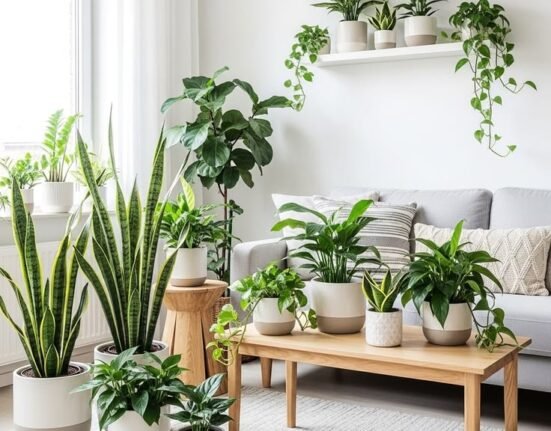
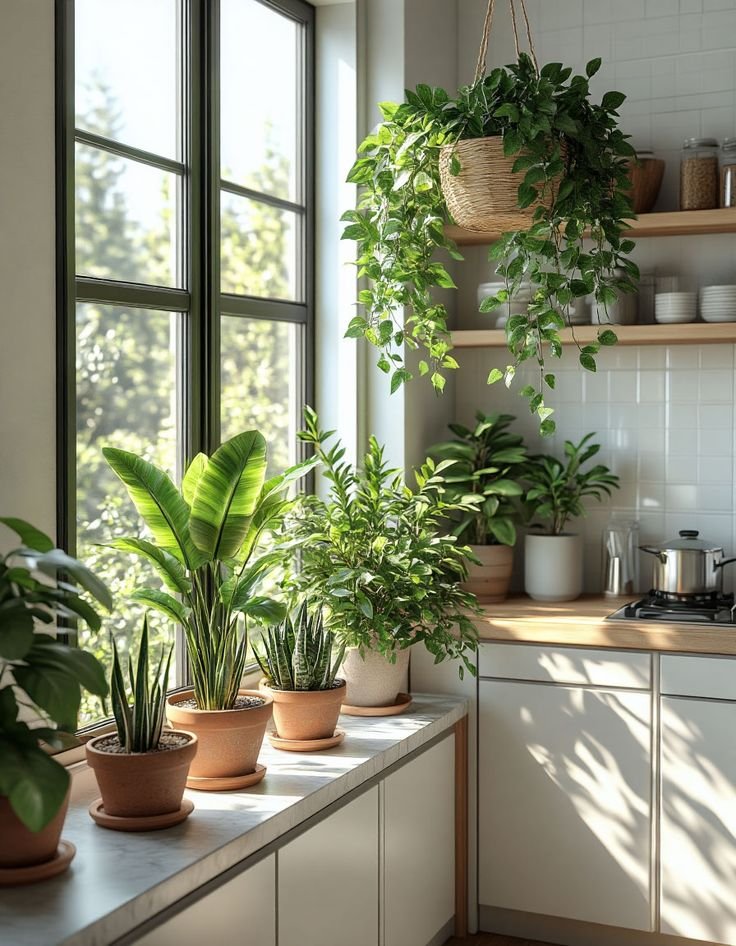
- Snake Plant (can go weeks without water)
- ZZ Plant (thrives in neglect)
- Pothos (forgiving and fast-growing)
- Peace Lily (signals when it needs water)
Quick Tip
When buying plants, ask yourself: “Will this plant survive if I forget about it for a few days?” If the answer is yes, you’re on the right track.
2. Master the “Set and Forget” Watering Routine
Watering is where most people go wrong—not because they don’t care, but because they either overdo it or forget entirely.
The solution? Create a simple, repeatable system that doesn’t require daily attention.
The Problem with Guesswork
Random watering leads to:
- Root rot (from overwatering)
- Dry, crispy leaves (from underwatering)
The Fast Trick: Scheduled Watering
Instead of checking plants every day, assign them a fixed watering schedule:
- Once a week for most plants
- Every 10–14 days for drought-tolerant ones
Make It Even Easier
- Use phone reminders
- Water all plants at once
- Keep a watering can in sight
Pro Insight
Stick your finger into the soil. If it feels dry about an inch deep, it’s time to water. If it’s still moist, wait.
This tiny habit takes seconds—but saves plants.
3. Use Self-Watering Pots (Let the System Do the Work)
If remembering to water plants feels like too much, automation is your best friend.
What Are Self-Watering Pots?
They come with a built-in reservoir that allows plants to absorb water as needed. Instead of watering frequently, you simply refill the base occasionally.
Why They’re Perfect for Busy People
- Reduce watering frequency
- Prevent overwatering
- Maintain consistent moisture
How to Use Them Effectively
- Fill the reservoir once every 1–2 weeks
- Avoid overfilling
- Use well-draining soil
Real-Life Benefit
You can go on short trips or handle busy weeks without worrying about your plants drying out.
4. Optimize Light Once—Stop Adjusting Forever
Light is essential, but constantly moving plants around your home to “find the perfect spot” wastes time.
The Fast Trick: Match Plant to Location
Instead of adjusting the plant, choose the right plant for the available light.
Common Light Zones
- Bright light: Near windows
- Medium light: A few feet from windows
- Low light: Corners or shaded rooms
Time-Saving Strategy
- Place plants once
- Observe for a week
- Adjust only if necessary
Signs You Got It Right
- Steady growth
- Vibrant leaves
- No yellowing or stretching
Signs You Didn’t
- Pale leaves
- Slow growth
- Leaning toward light
Fix it once—and you’re done.
5. Simplify Feeding with Occasional Boosts
Fertilizing sounds complicated, but it doesn’t have to be.
The Truth About Plant Food
Most indoor plants don’t need frequent feeding. In fact, too much fertilizer can harm them.
The Fast Trick
Feed your plants:
- Once a month during growing season
- Not at all during winter
Easy Options
- Liquid fertilizer (quick and simple)
- Slow-release pellets (apply once, forget for months)
Time-Saving Tip
Mix fertilizer into your watering routine—no extra step required.
6. Build a 5-Minute Weekly Plant Check Routine
Instead of reacting to problems, prevent them with a quick weekly check.
Why This Works
Small issues become big problems only when ignored. A few minutes can save your plant.
Your 5-Minute Routine
- Look for yellow leaves
- Check soil moisture
- Remove dead leaves
- Scan for pests
Keep It Simple
Do this once a week—same day, same time.
The Result
Healthy plants with minimal effort.
Beyond the Basics: Making Plant Care Fit Your Life
Plant care doesn’t have to be perfect. It just needs to be consistent and realistic.
Here are a few mindset shifts that make everything easier:
1. Imperfection is Okay
Plants don’t need perfect care—just decent care.
2. Less is Often More
Overwatering and over-fertilizing cause more harm than neglect.
3. Routine Beats Motivation
You won’t always feel like caring for plants—but routines keep them alive.
Common Mistakes Busy People Make (and How to Avoid Them)
Overwatering
The most common mistake. Always check soil first.
Ignoring Light Needs
Even low-maintenance plants need proper lighting.
Doing Too Much at Once
Keep it simple—plants thrive on consistency, not complexity.
Creating a Stress-Free Plant Corner
Design your plant setup to reduce effort:
- Group plants together
- Keep tools nearby
- Use trays to avoid mess
The easier it is, the more likely you’ll stick with it.
Conclusion: Simple Systems, Healthy Plants
You don’t need hours, expensive tools, or expert knowledge to keep indoor plants alive and thriving.
You just need:
- Smart plant choices
- Simple routines
- A few time-saving tricks
These six strategies aren’t about doing more—they’re about doing less, but better.
Because at the end of the day, plants should bring peace into your life—not pressure.
FAQs: Fast Indoor Plant Care for Busy People
1. How often should I water indoor plants if I’m very busy?
Most indoor plants do well with watering once a week. Some drought-tolerant plants can go even longer. Always check soil moisture before watering.
2. What are the best indoor plants for people with no time?
Snake plants, ZZ plants, and pothos are excellent choices because they tolerate neglect and adapt easily to different conditions.
3. Can plants survive if I forget to water them occasionally?
Yes, many indoor plants can recover from occasional neglect. Overwatering is actually more dangerous than underwatering.
4. Are self-watering pots really effective?
Yes, they are very helpful for maintaining consistent moisture and reducing the frequency of watering, especially for busy individuals.
5. Do indoor plants need fertilizer regularly?
Not frequently. Once a month during the growing season is enough for most plants. Over-fertilizing can damage them.
6. What’s the quickest way to check if my plant is healthy?
Look at the leaves. Healthy plants have firm, vibrant leaves. Yellowing, drooping, or spots may indicate a problem.
With these simple, time-saving tricks, even the busiest person can enjoy a thriving indoor garden—without the stress.
vv