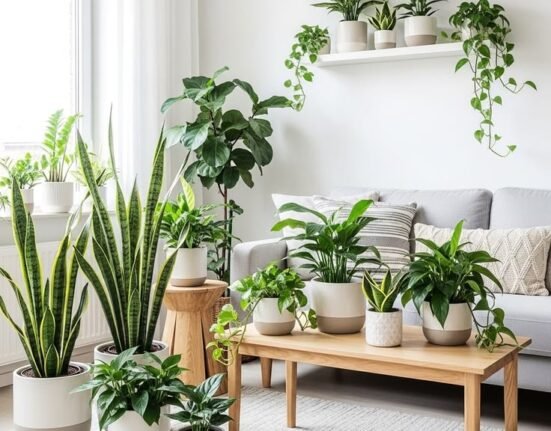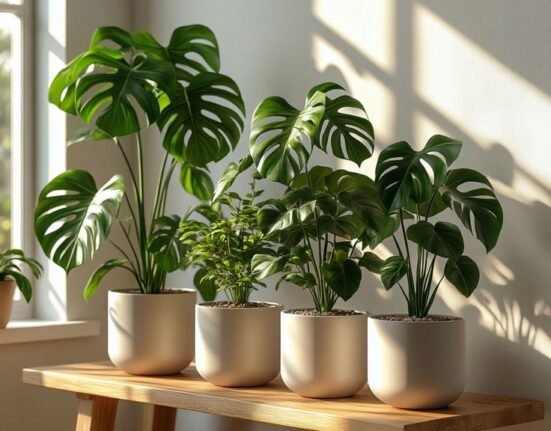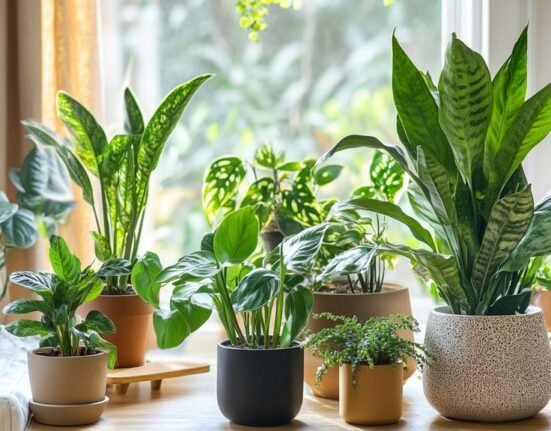
10 Easy Indoor Plants Care Hacks That Save Time
There’s something quietly magical about indoor plants. They sit in corners, on shelves, by windows—asking for little, yet giving so much in return. A touch of green softens a room, freshens the air, and somehow makes even the busiest days feel calmer. But if you’ve ever owned more than a couple of plants, you know the truth: keeping them alive (let alone thriving) can feel like a full-time job.
Between watering schedules, light requirements, soil types, pests, and pruning routines, plant care can quickly turn overwhelming—especially for beginners or busy individuals.
But here’s the good news: it doesn’t have to be complicated.
Over time, many plant lovers discover small, practical shortcuts—simple habits that save time while keeping plants healthy and happy. These aren’t shortcuts that cut corners; they’re smarter ways to work with nature instead of against it.
In this article, we’ll explore 10 easy indoor plant care hacks that can simplify your routine, reduce stress, and help your plants flourish—even if your schedule is packed.
1. Use Self-Watering Pots for Effortless Hydration
One of the biggest struggles in plant care is getting watering right. Too much water can suffocate roots, while too little leaves plants dry and lifeless. Finding that perfect balance can take time—and mistakes.
Self-watering pots offer a clever solution.
These pots come with a built-in reservoir that allows plants to absorb water as needed through capillary action. Instead of watering every few days, you simply refill the reservoir occasionally.
Why it saves time:
- Reduces frequent watering
- Prevents overwatering or underwatering
- Keeps soil moisture consistent
Pro tip:
Use self-watering pots especially for thirsty plants like ferns and peace lilies. For succulents, stick to traditional pots, as they prefer drier soil.
2. Group Plants by Watering Needs
If your plants are scattered all over your home, caring for them becomes inefficient. You may forget which plant needs water and which doesn’t.
Grouping plants based on their watering requirements simplifies everything.
How it works:
- Keep moisture-loving plants together
- Place drought-tolerant plants (like succulents) in another group
- Water each group at the same time
Benefits:
- Saves mental energy
- Reduces watering mistakes
- Speeds up your routine
This simple organization hack can turn a confusing task into a quick, predictable habit.
3. Use Ice Cubes for Slow Watering
It may sound unusual, but ice cubes can be surprisingly effective—especially for small plants.
Instead of pouring water and risking overwatering, place 1–3 ice cubes on the soil. As they melt, they release water slowly and evenly.
Best for:
- Orchids
- Small indoor plants
- Desk plants
Why it works:
- Prevents water overflow
- Ensures gradual absorption
- Minimizes mess
Just make sure not to place ice directly against plant stems, as extreme cold can cause damage.
4. Choose Low-Maintenance Plants from the Start
Sometimes, the best hack is simply choosing the right plants.
If you’re short on time, avoid high-maintenance species that require constant attention. Instead, go for resilient varieties that thrive on neglect.
Great low-maintenance options:
- Snake plant
- ZZ plant
- Pothos
- Spider plant
Why this matters:
These plants tolerate irregular watering, low light, and minor care mistakes—making them perfect for busy lifestyles.
Choosing wisely from the beginning saves countless hours later.
5. Use a Watering Schedule Reminder System
Life gets busy. Even the most dedicated plant owners forget to water occasionally.
Setting reminders can make a big difference.
Easy methods:
- Use your phone’s reminder app
- Set recurring calendar alerts
- Attach sticky notes near plant areas
Advanced option:
Use plant care apps that notify you when each plant needs watering based on type and environment.
Result:
No more guessing, no more forgotten plants—just a smooth, reliable routine.
6. Bottom Watering for Faster and Healthier Roots
Instead of watering from the top, try bottom watering.
How it works:
- Place your plant pot in a tray filled with water
- Let the soil absorb water from the bottom
- Remove after 15–20 minutes
Benefits:
- Encourages strong root growth
- Prevents fungal issues on leaves
- Reduces watering frequency
Time-saving angle:
You can water multiple plants at once by placing them in a larger tray.
It’s efficient, clean, and surprisingly satisfying.
7. Use Mulch to Retain Moisture
Mulching isn’t just for outdoor gardens—it works indoors too.
Adding a thin layer of organic material (like coconut coir, bark, or pebbles) on top of the soil helps retain moisture.
Why it helps:
- Slows down water evaporation
- Reduces watering frequency
- Keeps soil temperature stable
Bonus:
Mulch also improves the visual appeal of your pots, giving them a neat, finished look.
8. Keep a Spray Bottle for Quick Hydration
Not all plants need heavy watering. Some just need a little boost of humidity.
A simple spray bottle can be your best friend.
Use it for:
- Misting leaves
- Cleaning dust from foliage
- Refreshing plants on hot days
Time-saving benefit:
Instead of deep watering frequently, you can maintain plant health with quick, light misting sessions.
This is especially helpful for tropical plants that love humidity.
9. Repurpose Household Items for Plant Care
You don’t need fancy tools to care for your plants.
Many everyday items can double as plant care solutions.
Examples:
- Old bottles → watering cans
- Kitchen spoons → soil scoops
- Eggshells → natural fertilizer
- Banana peels → nutrient boost
Why it’s effective:
- Saves money
- Reduces waste
- Simplifies your routine
Plant care becomes less about buying tools and more about using what you already have.
10. Rotate Plants for Even Growth
Plants naturally grow toward light. If left in one position, they may become uneven or lopsided.
Rotating your plants regularly ensures balanced growth.
How often:
- Once every 1–2 weeks
Benefits:
- Prevents leaning
- Encourages symmetrical growth
- Improves overall appearance
Time-saving tip:
Make rotation part of your watering routine so you don’t forget.
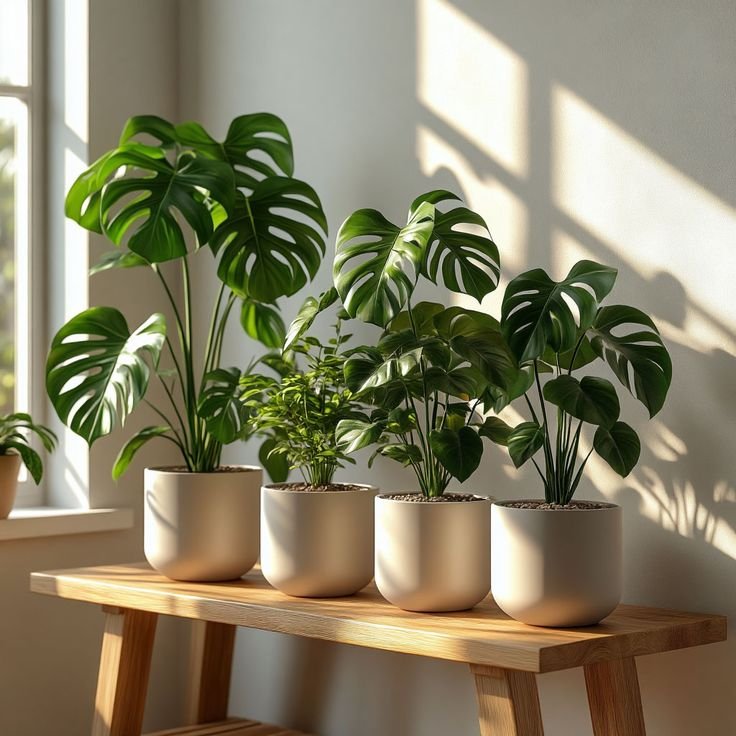
Creating a Simple Weekly Plant Routine
To make these hacks truly effective, combine them into a simple routine:
Once a week:
- Check soil moisture
- Water grouped plants
- Rotate pots
- Inspect for pests
Once a month:
- Clean leaves
- Add fertilizer
- Adjust plant placement
This structured approach reduces daily effort and keeps everything manageable.
The Bigger Picture: Why Simple Hacks Matter
Plant care isn’t just about keeping greenery alive—it’s about building a relationship with your environment.
When care routines become easier:
- You feel less stressed
- Plants grow better
- Your space becomes more inviting
These small hacks don’t just save time—they create consistency. And consistency is the secret to thriving indoor plants.
Frequently Asked Questions (FAQs)
1. How often should I water indoor plants?
It depends on the plant type, pot size, and environment. Most indoor plants do well with watering once a week, but always check the soil before watering.
2. Can I keep all indoor plants in one place?
You can group them, but make sure their light and water needs are similar. Mixing high-light and low-light plants in one spot can cause problems.
3. Is misting necessary for all plants?
No. Misting is mainly beneficial for humidity-loving plants like ferns and tropical species. Succulents and cacti don’t need it.
4. What’s the easiest indoor plant for beginners?
Snake plants and pothos are among the easiest. They tolerate neglect and adapt well to different conditions.
5. How do I know if I’m overwatering my plant?
Signs include yellowing leaves, soggy soil, and a musty smell. Always let the soil dry slightly before watering again.
6. Do indoor plants need fertilizer?
Yes, but not too often. Feeding once a month during the growing season is usually enough for most plants.
Final Thoughts
Indoor plant care doesn’t have to be complicated or time-consuming. With a few smart hacks, you can turn what feels like a chore into an enjoyable, low-effort routine.
Start small. Pick one or two tips from this list and try them out. As you build confidence, you’ll naturally develop your own system—one that fits your lifestyle and keeps your plants thriving.
Because in the end, it’s not about perfection.
It’s about creating a space where both you and your plants can grow—together. 🌿