8 Essential Indoor Plants Problem Fixes That Saved My Plants
Indoor plants have a way of quietly transforming a space. They soften harsh corners, purify the air, and bring a calming presence that feels almost alive in a deeper sense than décor ever could. But if you’ve ever owned houseplants, you already know the other side of the story: yellow leaves, drooping stems, mysterious spots, and the creeping feeling that you’re somehow failing something that cannot even speak.
I’ve been there. More than once.
What changed everything for me wasn’t buying expensive tools or rare fertilizers. It was understanding a handful of simple, practical fixes—small shifts in care that made a dramatic difference. These are not theoretical tips. These are the exact problem-fixes that brought struggling plants back to life in my own home.
This article is not just a guide—it’s a collection of lessons learned through trial, error, and patience.
1. The Watering Reset: Learning When Not to Water
The biggest mistake I made early on was overwatering. It felt logical—plants need water, so more must be better. But indoor plants don’t live in natural conditions. Their roots are confined, drainage is limited, and excess moisture becomes a silent killer.
One of my plants, a once-thriving pothos, began showing yellow leaves and limp stems. I watered it more, thinking it was thirsty. Within days, it got worse.
The fix was surprisingly simple: stop watering.
I let the soil dry out completely for several days. Then, instead of watering on a schedule, I started checking the soil with my finger. If the top 2–3 inches were dry, only then did I water.
What changed:
- Roots stopped rotting
- Leaves regained firmness
- New growth appeared within two weeks
Practical tip:
Lift the pot. A dry pot feels significantly lighter than a wet one. This became my most reliable indicator.
2. Light Correction: Matching Plants to the Right Spot
I used to think placing a plant near a window was enough. But “near” is vague. Light intensity varies dramatically even within the same room.
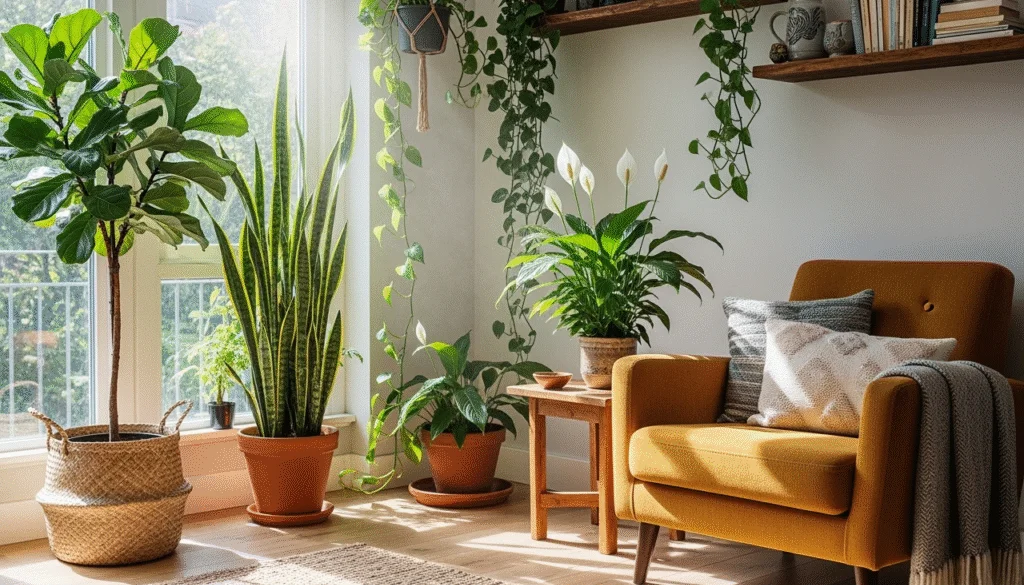
A snake plant I owned barely grew for months. It wasn’t dying—but it wasn’t thriving either. The issue? It was sitting in a dim corner.
I moved it just 1.5 meters closer to a window where it received indirect light throughout the day.
That small shift made a big difference.
What changed:
- Leaves grew taller and firmer
- Color deepened
- Growth rate improved noticeably
Practical tip:
Observe your room at different times of the day. Light changes constantly. Place plants where they receive consistent, appropriate light—not just where they look good.
3. Drainage Fix: Saving Roots from Suffocation
One of my earliest mistakes was using decorative pots without drainage holes. They looked beautiful—but they trapped water at the bottom.
Roots need oxygen. When soil stays waterlogged, roots suffocate and rot.
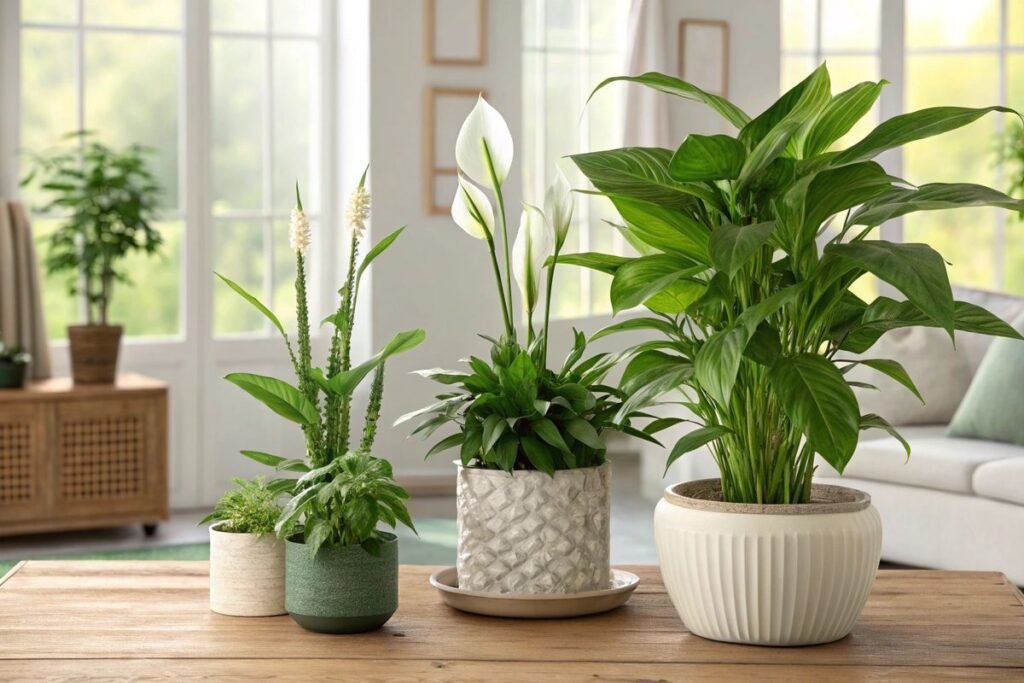
I learned this the hard way when a peace lily collapsed despite “proper care.”
The fix? Repotting into a container with drainage holes and adding a layer of coarse material at the bottom.
What changed:
- Soil dried more evenly
- Roots recovered
- The plant rebounded within weeks
Practical tip:
Always use pots with drainage holes. If you love decorative containers, use them as outer covers—not as primary pots.
4. Soil Upgrade: The Hidden Foundation
I used to think soil was just… soil.
But indoor plants need a mix that allows air, water, and nutrients to move freely. Dense, compact soil leads to poor root health.
One of my plants kept developing brown leaf edges despite correct watering. The real issue was the soil—it held too much moisture and lacked aeration.
I repotted using a mix of:
- Potting soil
- Perlite (for aeration)
- A bit of sand (for drainage)
What changed:
- Roots became healthier
- Leaves stopped browning
- Overall plant vitality improved
Practical tip:
If water sits on top of the soil before soaking in, your mix is too dense.
5. Humidity Boost: Fixing Dry Air Stress
Indoor air—especially with fans or air conditioning—can be incredibly dry. Many plants, particularly tropical ones, struggle in low humidity.
I noticed crispy leaf edges on several plants. At first, I blamed watering. But the real issue was dry air.
The fix was simple:
- Group plants together
- Place a shallow tray of water nearby
- Occasionally mist (but not excessively)
What changed:
- Leaves became softer and healthier
- New growth appeared without damage
- Plants looked more vibrant overall
Practical tip:
Bathrooms and kitchens often have higher humidity—great spots for certain plants.
6. Pest Control: Catching the Problem Early
One morning, I noticed tiny specks on a plant’s leaves. Within days, they spread.
Pests are subtle at first—but they multiply fast.
Instead of panicking, I isolated the plant immediately. Then I cleaned the leaves gently with a mild soap solution and wiped them down.
What changed:
- Pest spread was contained
- Leaves recovered
- Other plants remained unaffected
Practical tip:
Inspect your plants weekly. Look under leaves—this is where pests often hide.
7. Pruning and Cleaning: Letting Plants Breathe
I used to avoid cutting anything from my plants, fearing I’d harm them. But leaving dead or damaged leaves actually drains energy.
One plant looked dull and lifeless. I finally removed all yellow and damaged leaves.
The result was almost immediate.
What changed:
- Energy redirected to healthy growth
- Plant looked cleaner and stronger
- New shoots appeared faster
Practical tip:
Use clean scissors and cut close to the base. Don’t tear leaves off.
8. Patience and Observation: The Most Powerful Fix
This might sound simple—but it changed everything.
Plants don’t respond instantly. When I made multiple changes at once, I couldn’t tell what worked.
Now, I adjust one factor at a time and observe for at least a week.
What changed:
- Clear understanding of plant needs
- Fewer mistakes
- Stronger, healthier plants over time
Practical tip:
Keep a small notebook or take photos weekly. Tracking changes helps you learn faster.
A Simple Weekly Care Routine That Works
To tie everything together, here’s the routine that keeps my plants healthy:
- Check soil moisture before watering
- Rotate plants slightly for even light exposure
- Inspect leaves for pests or damage
- Wipe leaves to remove dust
- Observe changes—growth, color, texture
This routine takes less than 15 minutes but prevents most common problems.
Lessons I Wish I Knew Earlier
Looking back, most plant problems weren’t due to lack of effort—they were due to misunderstanding.
I was doing too much of the wrong things:
- Too much water
- Too little attention to light
- Ignoring soil quality
- Reacting too quickly
Once I simplified my approach, everything changed.
Plants don’t need perfection. They need consistency and awareness.
FAQs About Indoor Plant Problems
1. Why are my plant leaves turning yellow?
Yellow leaves are often caused by overwatering, poor drainage, or lack of light. Check soil moisture first—it’s the most common cause.
2. How often should I water indoor plants?
There’s no fixed schedule. Water only when the top layer of soil feels dry. Different plants have different needs.
3. What is the easiest way to check if my plant needs water?
Insert your finger into the soil about 2 inches deep. If it feels dry, it’s time to water. If it’s moist, wait.
4. How do I know if my plant is getting enough light?
Signs of low light include slow growth, small leaves, and pale color. Move the plant gradually to a brighter spot and observe changes.
5. Can indoor plants recover from root rot?
Yes, if caught early. Remove the plant, trim damaged roots, and repot in fresh, well-draining soil.
6. Should I mist my plants daily?
Not necessarily. Misting can help with humidity, but grouping plants or using a water tray is often more effective.
Final Thoughts
Indoor plant care isn’t about mastering complicated techniques—it’s about understanding simple patterns.
Every plant tells a story through its leaves, its growth, and even its silence. Once you learn to read those signs, problems become easier to fix—and even easier to prevent.
These eight fixes didn’t just save my plants—they changed the way I care for them.
And once you start seeing results, something shifts.
You stop guessing.
You start understanding.
And your plants begin to thrive. 🌿