6 Powerful Indoor Plants Decor Trends You Need to Try
Indoor plants are no longer just decorative extras placed in forgotten corners. Over the past decade, they’ve transformed into a central design element that blends wellness, sustainability, and aesthetic storytelling. Today, plant styling is about creating living interiors that evolve, breathe, and adapt alongside us.
This comprehensive guide explores six powerful indoor plant décor trends that are reshaping homes around the world. You’ll learn how to apply each trend practically, what plants work best, mistakes to avoid, and how to combine these ideas into your own space.
Why Indoor Plant Styling Matters Today
Before diving into trends, it’s important to understand why indoor plants have become such a major design movement.
Modern living challenges plants help solve
| Modern Lifestyle Problem | How Plants Help |
|---|---|
| Smaller living spaces | Vertical & layered greenery saves floor space |
| Screen-heavy routines | Greenery reduces visual fatigue |
| Urban stress | Plants provide calming, natural connection |
| Minimalist interiors | Plants add warmth & personality |
| Indoor air stagnation | Plants improve perceived air freshness |
Plants are now considered part of biophilic design — the philosophy of bringing nature indoors to improve mental wellbeing, productivity, and comfort.
TREND 1 — Statement Plants as Living Sculptures
What This Trend Means
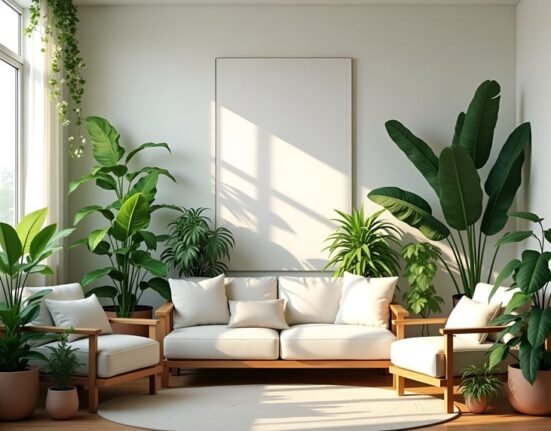
Instead of many tiny plants scattered everywhere, designers now favor one or two dramatic plants acting as focal points.
Think of them as living furniture pieces.
Why it works
- Creates visual anchor in room
- Reduces clutter
- Works perfectly with minimalism
- Feels luxurious and intentional
Best Statement Plants
| Plant | Why It Works | Ideal Placement |
|---|---|---|
| Fiddle Leaf Fig | Tall, architectural leaves | Living room corners |
| Bird of Paradise | Tropical & dramatic | Near bright windows |
| Rubber Plant | Bold glossy foliage | Entryways |
| Monstera Deliciosa | Iconic split leaves | Lounge areas |
| Olive Tree (Indoor) | Mediterranean vibe | Sunlit spaces |
Styling Formula
Rule of 3 Elements
- Tall plant
- Elevated planter
- Empty surrounding space
Minimal surroundings make the plant feel intentional and gallery-like.
Mini Layout Diagram
Wall
│
│       🌿
│     ┌────┐
│     │Pot │
│     └────┘
│
Chair         Lamp
Mistakes to Avoid
- Using tiny pots → ruins the “statement” effect
- Crowding with furniture
- Placing in low-light areas
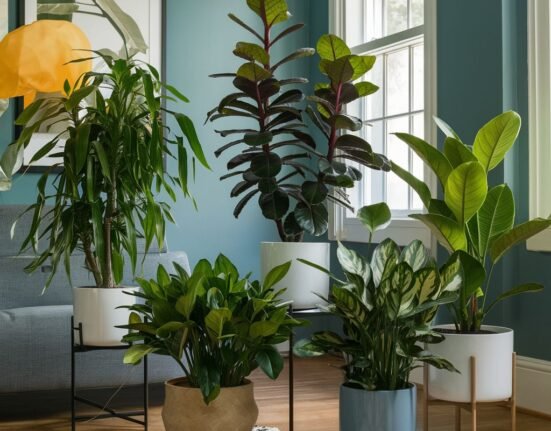
TREND 2 — Plant Layering & Green Corners
The Rise of the Indoor Jungle Corner
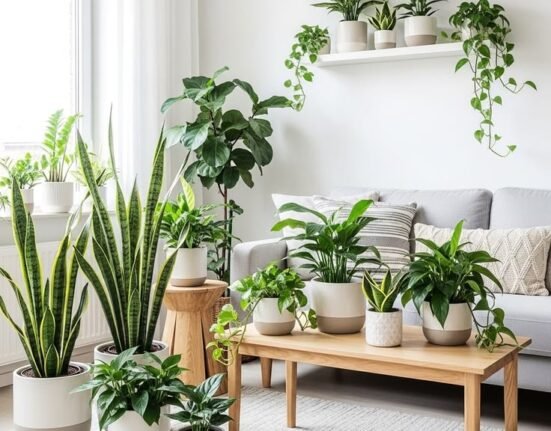
Instead of spreading plants randomly, people now create dedicated plant zones.
This trend mimics natural ecosystems using height variation.
The Layering Pyramid
| Layer | Plant Type | Examples |
|---|---|---|
| Top Layer | Hanging plants | Pothos, String of Pearls |
| Mid Layer | Medium plants | Calathea, Ferns |
| Base Layer | Floor plants | Snake plant, Monstera |
Visual Height Formula
Tall plant (120–180 cm)
Medium plant (40–80 cm)
Small plant (10–30 cm)
Hanging plant above
This creates depth and dimension similar to forests.
Perfect Corner Setup Checklist
- Plant stand
- Hanging hook
- Small side table
- Grow light (optional)
Benefits of Plant Corners
| Benefit | Impact |
|---|---|
| Improves air perception | Room feels fresher |
| Reduces empty corners | More inviting space |
| Adds texture | Softens hard furniture lines |
| Improves mood | Cozy & nurturing feel |
TREND 3 — Designer Planters & Pots as Décor
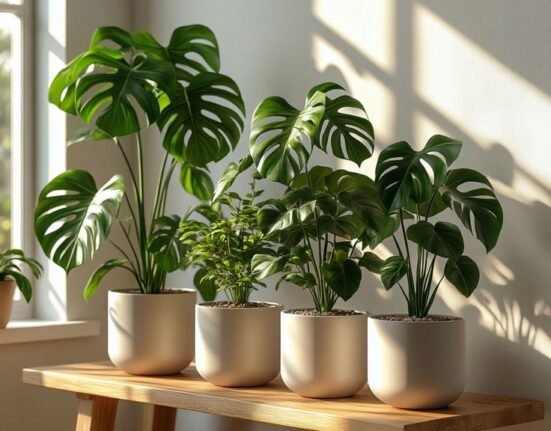
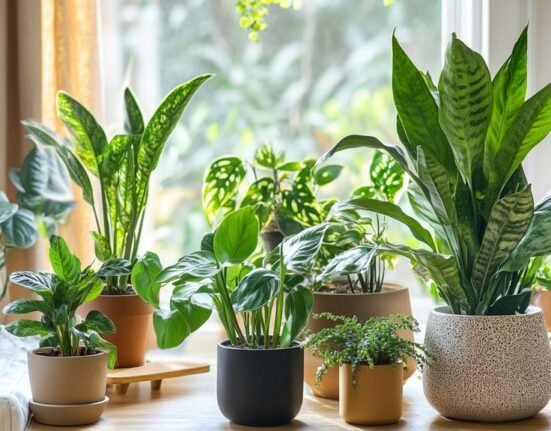
Plants alone no longer carry the aesthetic — planters are now design pieces.
Popular Planter Styles
| Style | Home Aesthetic Match |
|---|---|
| Ceramic matte pots | Scandinavian |
| Woven baskets | Boho |
| Concrete planters | Industrial |
| Metallic pots | Modern glam |
| Terracotta | Mediterranean |
The 60–30–10 Pot Color Rule
- 60% neutral pots (white, beige, gray)
- 30% warm earthy pots (terracotta)
- 10% bold accent pots (gold, black)
This prevents visual chaos while keeping personality.
Budget vs Premium Planter Comparison
| Feature | Budget Pots | Premium Pots |
|---|---|---|
| Material | Plastic | Ceramic/Stone |
| Longevity | 1–2 years | 5–10 years |
| Visual impact | Moderate | High |
| Drainage | Often poor | Usually better |
Styling Tip
Always use plant stands to elevate small plants. Elevation adds dimension instantly.
TREND 4 — Vertical Gardens & Hanging Displays
Small spaces demand vertical thinking.
Vertical plant décor is exploding in popularity because it saves floor space while creating dramatic green walls.
Vertical Styling Options
| Type | Difficulty | Best For |
|---|---|---|
| Hanging pots | Easy | Beginners |
| Wall shelves | Easy | Renters |
| Pegboard plant wall | Medium | DIY lovers |
| Living green wall | Advanced | Large homes |
Hanging Plants That Thrive
| Plant | Light Needs |
|---|---|
| Golden Pothos | Low–Bright |
| Spider Plant | Medium |
| Philodendron | Low–Bright |
| String of Hearts | Bright indirect |
Hanging Layout Example
Ceiling
  🌿      🌿
     🌿
Shelf ───────
   🪴  🪴  🪴
Benefits of Vertical Plant Décor
- Saves space
- Makes ceilings appear taller
- Creates dramatic visual layers
- Perfect for apartments
TREND 5 — Mixing Real & Faux Plants
Yes — faux plants are officially back.
But the new trend is blending real and artificial plants seamlessly.
Why This Trend Works
Real plants require light and care. Faux plants fill difficult spots.
Where Faux Plants Shine
| Hard Spot | Why Faux Works |
|---|---|
| Bathrooms without windows | No sunlight |
| High shelves | Hard to water |
| Dark corners | Plants struggle |
| Office desks | Low maintenance |
Blending Formula
Use 70% real plants + 30% faux plants.
Never group faux plants together — mix them into real plant clusters.
Real vs Faux Comparison
| Feature | Real | Faux |
|---|---|---|
| Maintenance | Medium | None |
| Longevity | Depends on care | Years |
| Air benefits | Yes | No |
| Cost long-term | Lower | Higher |
TREND 6 — Plant Styling by Room Mood
Plants are now chosen based on emotional atmosphere.
Mood-Based Plant Selection
Living Room → Relax & Socialize
Best plants:
- Monstera
- Rubber plant
- Palms
Bedroom → Calm & Sleep
Best plants:
- Snake plant
- Lavender
- Aloe vera
Kitchen → Fresh & Energetic
Best plants:
- Herbs
- Basil
- Mint
Bathroom → Spa Vibes
Best plants:
- Ferns
- Bamboo
- Orchids
Room Mood Chart
| Room | Desired Feeling | Plant Style |
|---|---|---|
| Living room | Warm & welcoming | Large leafy plants |
| Bedroom | Calm & quiet | Minimal greenery |
| Kitchen | Fresh & lively | Herbs |
| Bathroom | Spa-like | Humidity lovers |
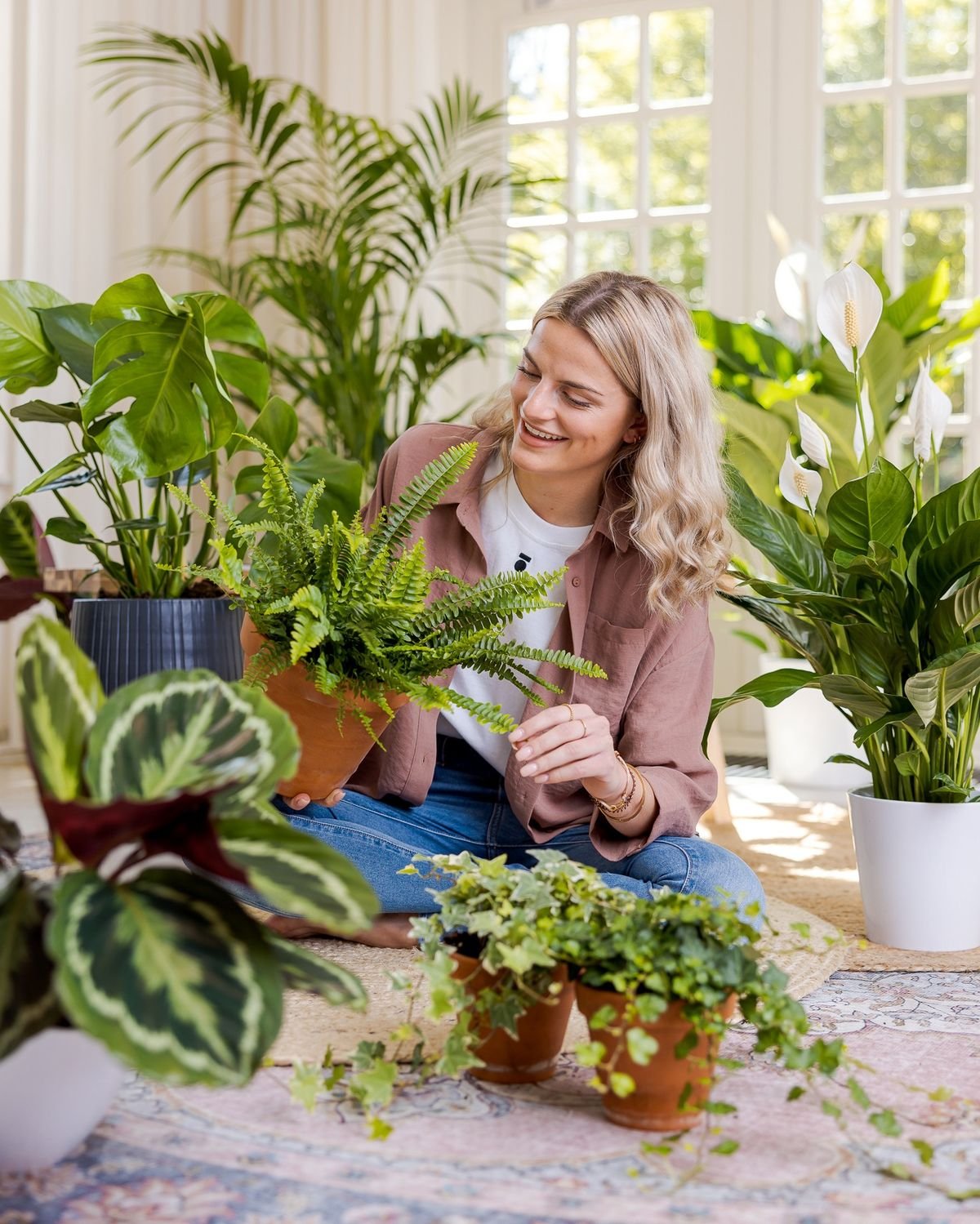
The Ultimate Indoor Plant Styling Framework
The 5 Golden Rules of Plant Decor
- Use odd numbers (3, 5, 7 plants)
- Vary plant heights
- Repeat planter colors
- Leave breathing space
- Group plants by light needs
Monthly Indoor Plant Maintenance Planner
| Week | Task |
|---|---|
| Week 1 | Deep watering |
| Week 2 | Dust leaves |
| Week 3 | Rotate plants |
| Week 4 | Fertilize lightly |
Budget Guide to Building a Plant-Filled Home
| Budget Level | What You Can Achieve |
|---|---|
| $50 | 3–4 small plants + pots |
| $100 | Small plant corner |
| $200 | Statement plant + accessories |
| $400+ | Full plant styling transformation |
Future of Indoor Plant Decor
Upcoming trends:
- Smart planters with sensors
- Self-watering pots
- Indoor micro forests
- Edible plant walls
- Sustainable recycled planters
Indoor greenery is evolving into functional design.
Final Thoughts
Indoor plants are no longer optional décor — they’re becoming an essential part of modern living. Whether you embrace dramatic statement plants, vertical gardens, or mood-based styling, the goal is simple:
Create a home that feels alive.
Start small. Add slowly. Let your space grow naturally.
FAQs
1. How many plants should a beginner start with?
Start with 3–5 easy plants. Focus on learning watering and lighting before expanding.
2. Which indoor plants are hardest to kill?
Snake plant, pothos, ZZ plant, and rubber plant are extremely beginner-friendly.
3. Do indoor plants really improve air quality?
They modestly improve perceived air freshness and humidity, but their biggest benefit is psychological wellbeing.
4. How do I prevent overwatering?
Use pots with drainage holes and water only when the top soil feels dry.
5. Are grow lights worth it?
Yes. They are game-changing for apartments and low-light homes.
6. How often should I repot plants?
Usually every 12–18 months or when roots start circling the pot.
If you try even two of these trends, your home will feel fresher, cozier, and more inviting almost instantly. 🌿