6 Fast Indoor Plants Watering Tricks for Busy Schedules
Life gets busy. Between work deadlines, family responsibilities, social commitments, and the constant buzz of everyday obligations, even the most well-intentioned plant lover can forget a simple but crucial task—watering their indoor plants. And yet, those quiet green companions sitting on your windowsill, desk, or shelf depend entirely on you for survival.
If you’ve ever returned home to drooping leaves, dry soil, or worse, a plant beyond saving, you already know how easy it is to fall behind. But here’s the truth: keeping indoor plants alive and thriving doesn’t require hours of daily care. With the right strategies, you can maintain a healthy indoor garden—even with the busiest schedule.
This guide explores six practical, time-saving watering tricks that go beyond basic advice. These are not just hacks; they are thoughtful systems designed to simplify plant care, reduce stress, and help you build a more sustainable relationship with your plants.
Why Watering Is the Most Common Problem for Indoor Plants
Before diving into solutions, it’s important to understand why watering becomes such a challenge.
Most plant issues—yellowing leaves, root rot, wilting—are directly linked to improper watering. Ironically, both overwatering and underwatering can produce similar symptoms, making it even more confusing for beginners and busy individuals alike.
The core problem isn’t lack of care—it’s inconsistency.
When life gets hectic, routines break. You might forget to water for days, then overcompensate by drenching the soil. This irregular pattern stresses plants, weakens roots, and eventually leads to decline.
That’s why the key to success isn’t just remembering to water—it’s creating systems that work even when you forget.
1. The Bottom-Watering Method: Let Plants Drink at Their Own Pace
One of the simplest yet most effective watering techniques is bottom watering. Instead of pouring water from the top, you allow plants to absorb moisture through their roots.
How It Works
Place your plant pot in a shallow tray or container filled with water. Let it sit for about 15–30 minutes. The soil will draw water upward through capillary action, ensuring even moisture distribution.
Why It Saves Time
- No guesswork about how much water to use
- Reduces the risk of overwatering
- Encourages deeper root growth
Best For
- Small to medium indoor plants
- Plants prone to root rot
- Busy individuals who prefer “set it and forget it” methods
Pro Tip
Keep a dedicated watering tray. You can water multiple plants at once while doing something else—checking emails, cooking, or even relaxing.
2. Self-Watering Pots: A Built-In Backup Plan
If you often forget to water your plants, self-watering pots can be a game changer.
How They Work
These pots have a reservoir at the bottom that stores water. A wick or soil system pulls moisture upward as needed, keeping the soil consistently hydrated.
Why They’re Perfect for Busy Schedules
- Plants can go days or even weeks without manual watering
- Maintains consistent moisture levels
- Reduces stress during travel or long workdays
Things to Keep in Mind
- Not all plants like constant moisture (e.g., succulents)
- You still need to refill the reservoir occasionally
Pro Tip
Label the refill dates on your calendar. Instead of daily watering, you’ll only need to check every 1–2 weeks.
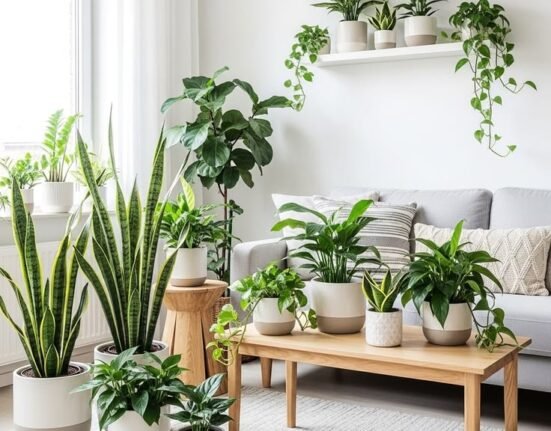
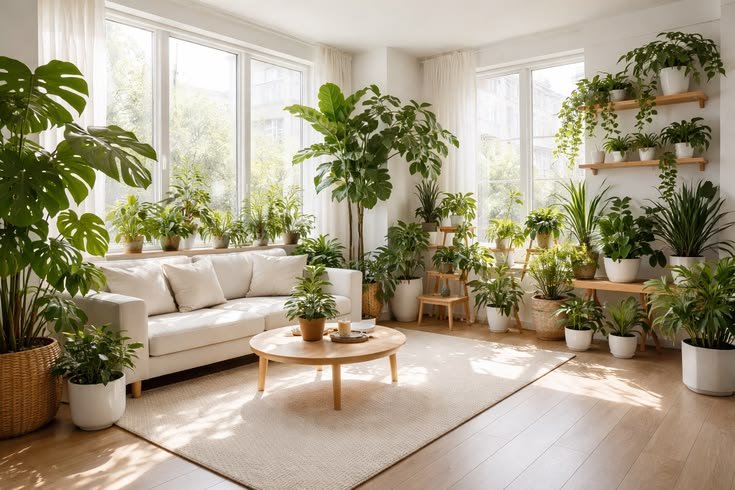
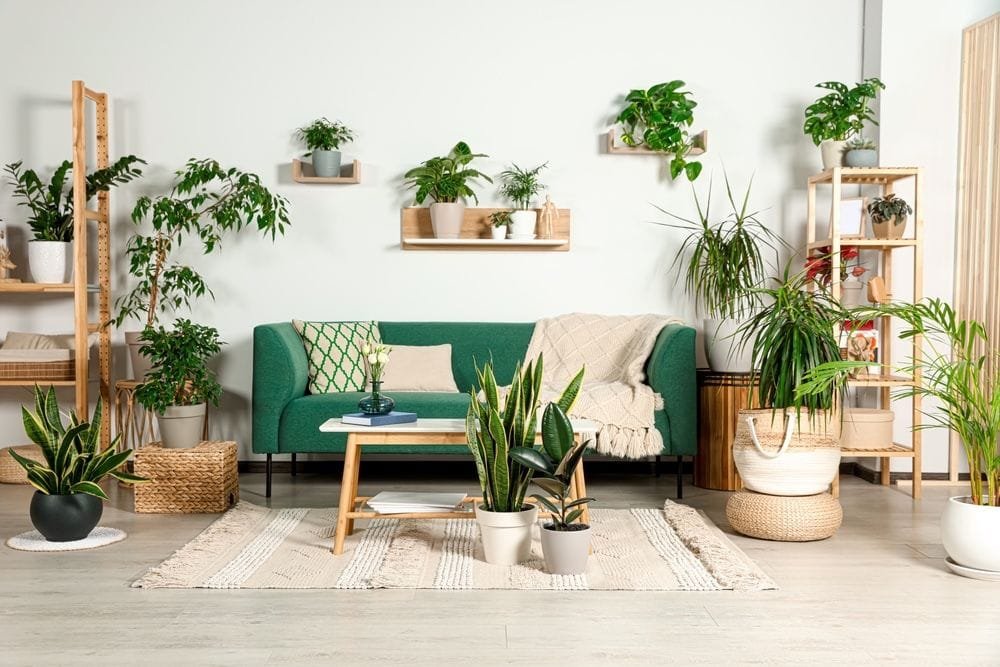
3. Grouping Plants Together: Create a Micro-Climate
This trick is often overlooked, yet incredibly effective.
What It Means
Placing plants close together increases humidity in the surrounding air. As plants release moisture through transpiration, they create a shared environment that slows down water loss.
Why It Helps
- Soil dries out more slowly
- Reduces frequency of watering
- Mimics natural growing conditions
Ideal Setup
- Cluster plants with similar water needs
- Place them away from direct drafts or heaters
Pro Tip
Use decorative trays or plant stands to group plants aesthetically. This not only helps with watering but also enhances your interior design.
4. Use Moisture-Retaining Soil Mixes
Sometimes the problem isn’t your schedule—it’s your soil.
Standard potting mixes can dry out quickly, especially in warm indoor environments. Switching to a moisture-retaining mix can dramatically reduce watering frequency.
What to Look For
- Coco coir
- Peat moss
- Vermiculite
These components hold water longer without making the soil soggy.
Why It Works
- Keeps roots hydrated for extended periods
- Reduces the need for frequent watering
- Provides a buffer against forgetfulness
Balance Is Key
While moisture retention is helpful, proper drainage is still essential. Always use pots with drainage holes.
Pro Tip
Mix your own soil blend tailored to your plants’ needs. A customized mix can make a noticeable difference in plant health and maintenance.
5. The Ice Cube Trick: Controlled Watering for Small Plants
This method may sound unusual, but it’s surprisingly effective for certain types of plants.
How It Works
Place one or two ice cubes on the soil surface. As they melt slowly, they release water gradually into the soil.
Why It’s Useful
- Prevents overwatering
- Provides slow, even hydration
- Ideal for people who tend to “overdo it”
Best For
- Small pots
- Desk plants
- Orchids and similar varieties
Limitations
- Not suitable for all plants (especially tropical ones sensitive to cold)
- Works best as a supplemental method
Pro Tip
Use this trick when you’re rushing out the door. It’s a quick, low-effort way to give your plants a hydration boost.
6. Set a Watering Routine with Smart Reminders
Technology can be your best ally in plant care.
How to Do It
- Set recurring reminders on your phone
- Use plant care apps
- Sync watering schedules with your weekly routine
Why It Works
- Eliminates guesswork
- Builds consistency
- Keeps plant care aligned with your lifestyle
Make It Habit-Based
Instead of treating watering as a separate task, attach it to an existing habit:
- Water plants after breakfast
- Check soil every Sunday
- Combine watering with cleaning routines
Pro Tip
Keep a simple log. Noting when you last watered helps prevent both neglect and overwatering.
Understanding Your Plant’s Individual Needs
Even the best tricks won’t work if you ignore one fundamental truth: not all plants are the same.
Some thrive in dry conditions, while others need constant moisture. Learning the basic preferences of your plants can save you time and frustration.
Quick Guidelines
- Succulents: Water sparingly
- Tropical plants: Prefer consistent moisture
- Ferns: Enjoy humidity and frequent watering
Observation Is Key
Pay attention to:
- Leaf texture
- Soil dryness
- Growth patterns
Your plants will often tell you what they need—if you take a moment to notice.
Combining Tricks for Maximum Efficiency
The real power lies in combining these methods.
For example:
- Use self-watering pots with moisture-retaining soil
- Group plants and set reminders
- Alternate between bottom watering and scheduled watering
By layering these strategies, you create a system that supports your plants even when life gets chaotic.
Common Mistakes Busy People Make
Even with good intentions, certain habits can harm your plants.
Overwatering “Just in Case”
This is one of the most common mistakes. More water doesn’t mean better care.
Ignoring Drainage
Without proper drainage, water accumulates and damages roots.
Watering on a Fixed Schedule Only
Plants don’t follow calendars. Always check the soil before watering.
Using the Wrong Pot Size
Too large pots retain excess moisture, while small pots dry out too quickly.
Creating a Low-Maintenance Plant Environment
If your schedule is consistently tight, consider designing your indoor garden for minimal upkeep.
Choose Hardy Plants
Opt for plants known for resilience and low water requirements.
Optimize Placement
- Avoid direct sunlight for sensitive plants
- Keep plants away from air vents
Use Tools That Save Time
- Watering cans with long spouts
- Soil moisture meters
- Automatic watering systems
The Psychological Benefit of Simplified Plant Care
Beyond aesthetics, indoor plants offer mental and emotional benefits. They create a sense of calm, improve focus, and add life to indoor spaces.
But when care becomes stressful, those benefits diminish.
By simplifying watering routines, you:
- Reduce mental load
- Build a sustainable habit
- Enjoy your plants without guilt or pressure
FAQs
1. How often should I water indoor plants if I have a busy schedule?
It depends on the plant type, but most indoor plants need watering once every 1–2 weeks. Using methods like self-watering pots or moisture-retaining soil can extend this interval.
2. Is bottom watering better than top watering?
Bottom watering is often more efficient because it allows roots to absorb water evenly and reduces the risk of overwatering. However, occasional top watering helps flush out salts from the soil.
3. Can I leave my plants unattended for a week or more?
Yes, especially if you use self-watering pots, group plants together, or water thoroughly before leaving. Some plants can go even longer without attention.
4. Do all plants benefit from the ice cube watering method?
No, this method is best for small plants and certain species like orchids. Avoid using it for plants sensitive to cold temperatures.
5. What is the easiest way to remember watering plants?
Set reminders on your phone or link watering to a daily or weekly habit, such as after breakfast or during weekend cleaning.
6. How do I know if I’m overwatering my plants?
Signs include yellowing leaves, soggy soil, and a musty smell. If you notice these, reduce watering frequency and ensure proper drainage.
Final Thoughts
Taking care of indoor plants doesn’t have to be complicated or time-consuming. With a few thoughtful adjustments and smart techniques, even the busiest person can maintain a thriving indoor garden.
The key isn’t perfection—it’s consistency and adaptability.
By using these six watering tricks, you’re not just keeping plants alive—you’re creating a system that works with your life, not against it. And in doing so, you transform plant care from a chore into a quiet, rewarding part of your everyday routine.