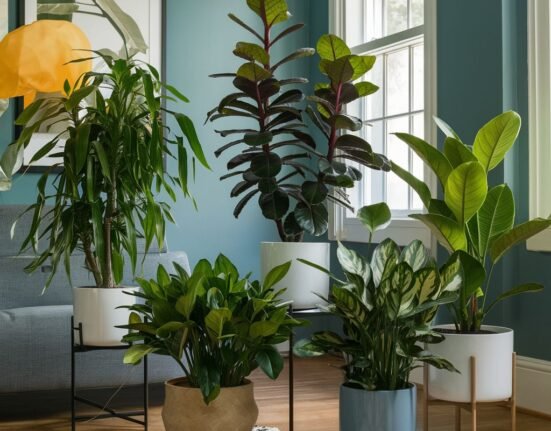
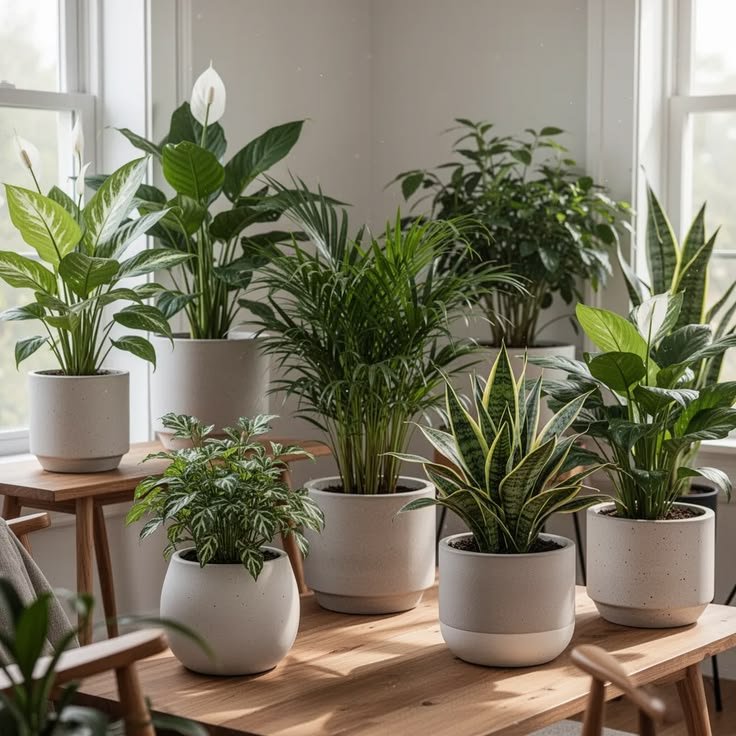
5 Indoor Plants Placement Tips That Transformed My Home
There was a time when my home had plants… and yet somehow felt plantless.
You know the kind of home I mean. Pots sitting randomly on windowsills. One lonely snake plant in a corner. A struggling fern in the bathroom that never quite looked alive. I had greenery, but I didn’t have life.
The transformation didn’t happen when I bought more plants. It happened when I learned where plants actually belong.
This article isn’t a theoretical guide. It’s a story of trial, error, dead leaves, sunburned foliage, fungus gnats, and finally — a home that feels alive, calm, and deeply comforting.
These five placement tips completely changed how my home feels, looks, and even smells.
And the best part? You don’t need a jungle. You just need smarter placement.
Before We Begin — The Moment I Realized Placement Matters
I once bought a gorgeous fiddle leaf fig. Tall, glossy, expensive. The kind of plant you secretly believe will upgrade your personality.
I placed it in the most visible corner of my living room.
It died slowly and dramatically.
Leaves dropped one by one like it was staging a theatrical protest. I watered more. Moved it closer to the window. Talked to it (yes, really). Googled symptoms at midnight.
Nothing worked.
Until I moved it two meters to the left.
Within weeks — new leaves.
That moment changed everything.
Plants don’t fail because we’re bad plant parents.
They fail because we’re bad interior planners for plants.
Let’s fix that.
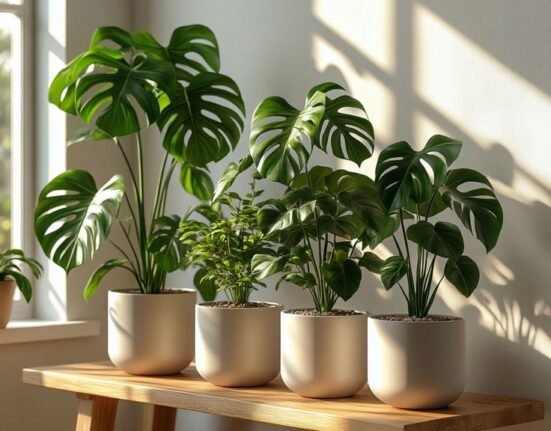
Tip 1 — Stop Decorating With Plants. Start Designing With Light
This is the biggest mindset shift.
Most people place plants where they look good.
But plants don’t care about aesthetics.
They care about photons.
The Mistake I Made
I used to treat plants like decorative objects:
- Coffee table centerpiece ✔
- Shelf styling ✔
- Console table accent ✔
But those places had one thing in common: terrible light.
Plants were props. Not living things.
The Light Reality Check
Here’s the truth many guides skip:
Your home probably has only 3–5 truly bright spots.
Everything else is medium to low light.
And yet we spread plants everywhere equally.
It’s like trying to grow vegetables in a closet and wondering why nothing grows.
How I Changed My Approach
Instead of asking:
“Where should I put plants?”
I asked:
“Where does light already live?”
I walked through my home at:
- 8 AM
- 12 PM
- 4 PM
I observed sunlight patterns.
The results shocked me.
Light Mapping Table
| Area | Morning Light | Midday Light | Afternoon Light | Actual Light Level |
|---|---|---|---|---|
| Living room window | Soft | Bright | Bright | High |
| Bedroom corner | None | Dim | Dim | Low |
| Kitchen counter | Bright | Bright | None | Medium-High |
| Hallway shelf | None | None | None | Very Low |
My “plant corners” were actually light deserts.
The Transformation
Once plants moved to real light zones:
- Growth doubled
- Leaves became larger
- Watering frequency became predictable
- Plants stopped “surviving” and started thriving
The New Rule I Live By
Light first. Decor second.
Decorating comes after plants are happy.
And ironically, happy plants look far more decorative.
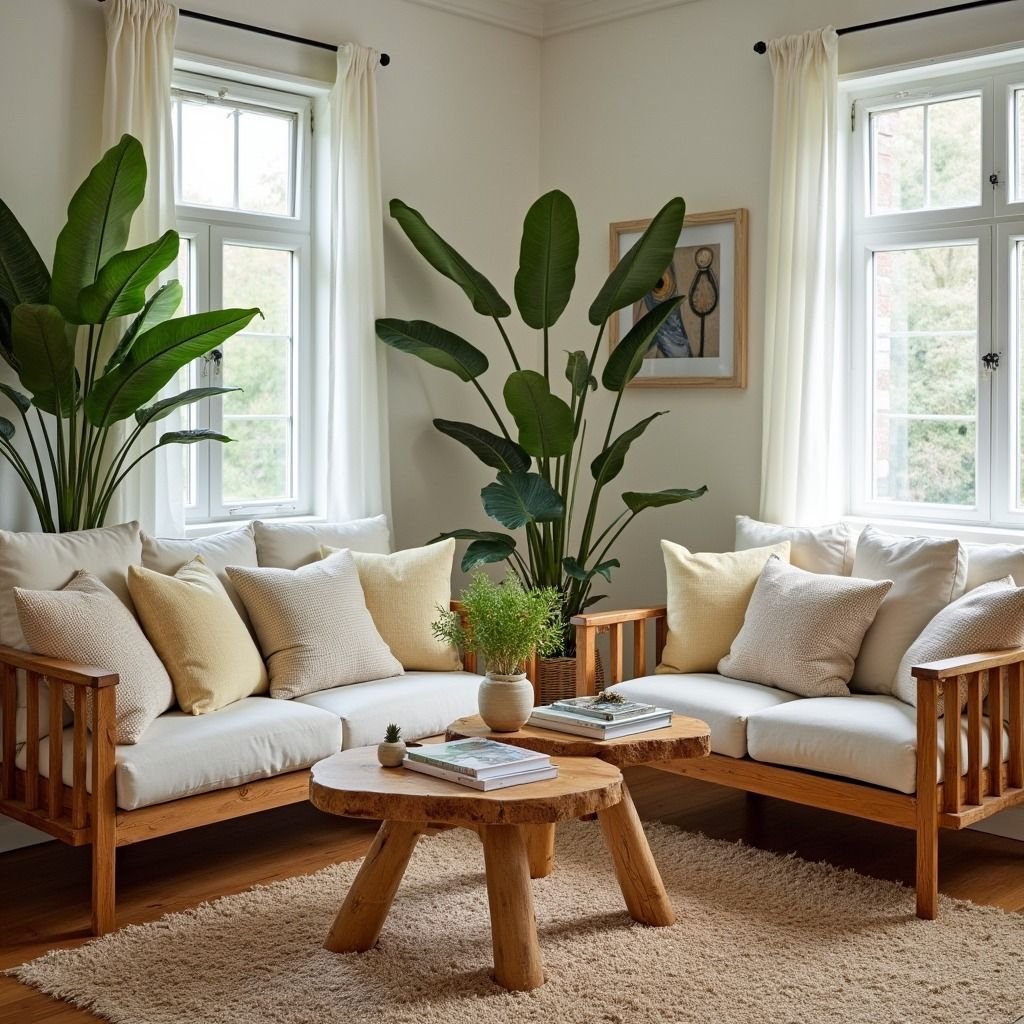
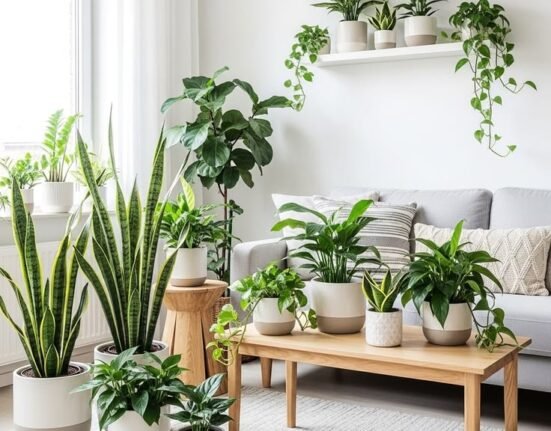
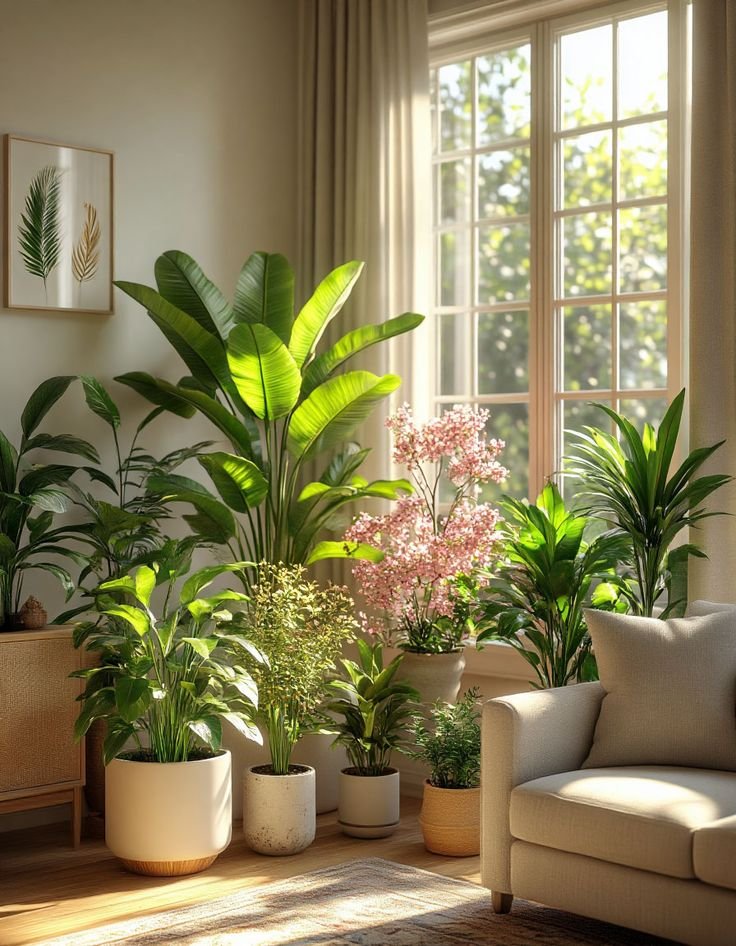
Tip 2 — Create Plant Height Layers (The Jungle Effect)
This single tip made my home feel professionally styled overnight.
Before this, all my plants lived on:
- Window sills
- Tables
- Floors
Every plant was isolated.
No depth. No dimension. No visual story.
The Day I Discovered Vertical Styling
I visited a friend’s apartment and immediately felt calm.
There were plants everywhere — but nothing felt cluttered.
The secret?
Vertical layering.
Plants existed at:
- Floor level
- Waist level
- Eye level
- Above eye level
My brain read it as nature, not clutter.
Why Height Layers Work Psychologically
Human brains associate layered greenery with:
- Forest edges
- Garden landscapes
- Natural ecosystems
Flat placement feels artificial.
Layered placement feels organic.
The 4-Level Plant Formula
| Level | Placement Ideas | Best Plant Types |
|---|---|---|
| Floor | Large pots | Fiddle leaf fig, rubber plant |
| Mid-height | Stands, stools | Monstera, palms |
| Eye level | Shelves, consoles | Pothos, peace lily |
| Hanging | Ceiling hooks | Ivy, string of pearls |
The Visual Difference
Before layering:
- Room looked “decorated”
After layering:
- Room looked alive
People started saying things like:
- “Your home feels peaceful.”
- “It feels fresh in here.”
- “It feels like you’ve renovated.”
I hadn’t renovated anything.
I just moved plants up and down.
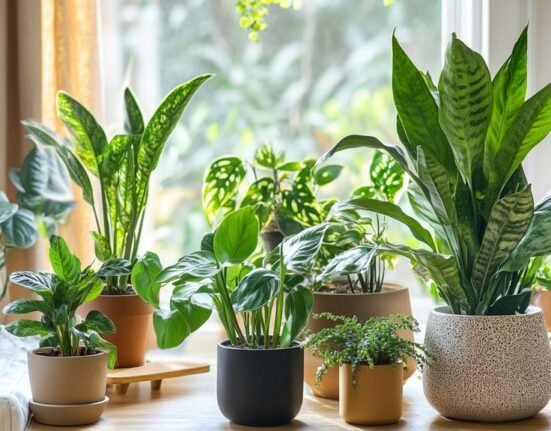
Tip 3 — Stop Fighting Dead Corners (Use the 3-Plant Rule)
Every home has them.
Corners where nothing looks right.
I used to put one plant in each corner and expect magic.
It never worked.
A single plant in a corner looks lonely.
And lonely plants look… sad.
The 3-Plant Rule
Corners need clusters, not singles.
Nature doesn’t grow one plant in isolation.
Plants grow in communities.
So I began placing groups of three.
The Corner Cluster Formula
Use three plants with:
- Different heights
- Different leaf sizes
- Different leaf shapes
Example:
| Position | Plant Type | Role |
|---|---|---|
| Back | Tall palm | Height |
| Middle | Monstera | Volume |
| Front | Small fern | Texture |
Suddenly the corner wasn’t empty.
It became a mini indoor garden.
The Emotional Impact
Corners stopped feeling like:
- Dead zones
- Afterthoughts
- Storage spaces
They became:
- Calm zones
- Visual anchors
- Cozy micro-spaces
This single trick made my home feel intentional.
Tip 4 — Place Plants Where You Spend Time (Not Where You Pass Time)
This one sounds obvious. It isn’t.
Most of my plants lived in:
- Entryways
- Hallways
- Decorative shelves
Places I walked past.
Not places I lived in.
The Realization
Plants are meant to be experienced.
If you don’t see them daily, they don’t influence your mood.
So I moved plants to:
- Desk
- Sofa side tables
- Bedside table
- Kitchen prep area
Places where life actually happens.
The Mood Shift
Within days I noticed:
- Working felt calmer
- Evenings felt cozier
- Morning routines felt softer
Plants aren’t just décor.
They’re emotional architecture.
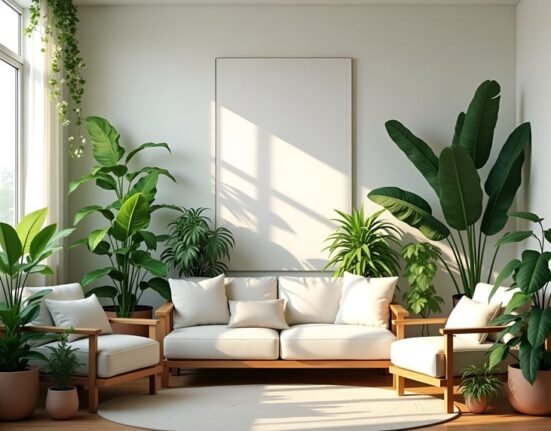
Tip 5 — Balance Every Room With “Green Weight”
This was the final puzzle piece.
Even after great placement, some rooms felt off.
Why?
Because plants were unevenly distributed.
One room looked like a jungle.
Another looked empty.
What Is Green Weight?
Think of plants like visual furniture.
Every room needs balanced visual weight.
My Simple Formula
| Room Size | Ideal Plant Count |
|---|---|
| Small room | 2–3 plants |
| Medium room | 4–6 plants |
| Large room | 7–10 plants |
This balance made my home feel cohesive.
Not plant-heavy. Not plant-empty.
Just right.
The Overall Transformation
After these five changes:
My home felt:
- Calmer
- Brighter
- Bigger
- More welcoming
- More “finished”
Visitors began asking:
“Did you redecorate?”
No.
I relocated life.
Quick Placement Checklist
Before placing a new plant, ask:
- Does this spot get real light?
- Does it add height variation?
- Does it balance the room?
- Will I see it daily?
- Does it belong in a group?
If the answer is yes — perfect spot.
Final Thoughts
Plants don’t need more pots.
They need better homes inside your home.
When placement improves, everything changes:
- Growth improves
- Mood improves
- Space improves
Your home stops being decorated.
It starts being alive.
FAQs
1. How many indoor plants are too many?
There’s no strict number. If rooms feel balanced, light levels are adequate, and maintenance feels manageable, you’re in the safe zone.
2. Can plants really improve mood?
Yes. Daily exposure to greenery is linked with reduced stress, improved focus, and better emotional wellbeing.
3. What is the biggest placement mistake beginners make?
Placing plants based on aesthetics instead of light availability.
4. Should every room have plants?
Ideally yes. Even one small plant can add warmth and life to a room.
5. Do plants need to be near windows?
Most do. Even low-light plants benefit from indirect daylight.
6. What is the easiest placement upgrade to try first?
Create a 3-plant corner cluster. It creates instant impact.