5 Indoor Plants Decor Mistakes I Regret Making
(and what they taught me about styling a home that actually feels alive)
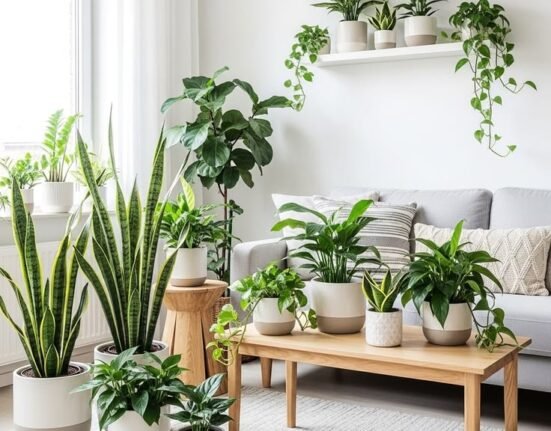
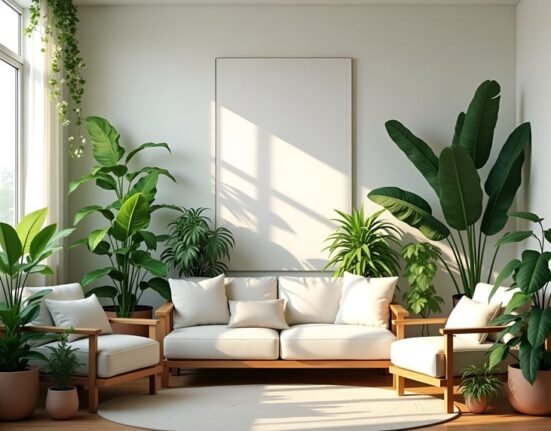
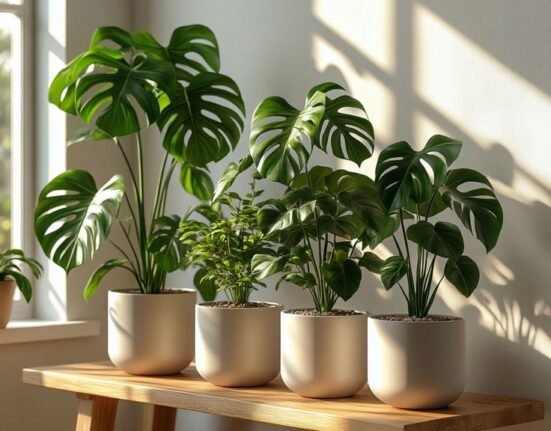
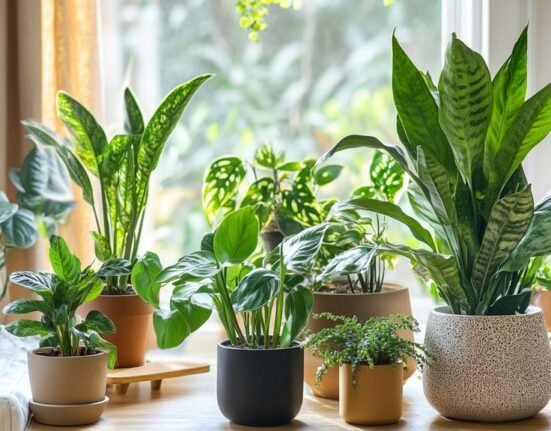
Indoor plants have this magical ability to transform a room. They soften hard edges, add color without paint, and bring a quiet sense of calm that furniture alone never seems to achieve. When I first started decorating with plants, I believed more greenery automatically meant a better space. I bought plants impulsively, arranged them randomly, and convinced myself everything looked “lush.”
Months later, I realized something important: my home didn’t feel curated—it felt chaotic. Plants were struggling, corners looked cluttered, and my excitement slowly turned into frustration.
This article is a deep dive into the five biggest indoor plant décor mistakes I made, how they affected my home, and the lessons that changed the way I style greenery forever.
Along the way, you’ll find practical tables, quick-reference charts, and step-by-step insights you can apply immediately.
Why Indoor Plant Styling Is Harder Than It Looks
Decorating with plants isn’t just about watering and sunlight. It’s about scale, balance, rhythm, color harmony, and lifestyle compatibility.
Think of plants as living décor. Unlike furniture, they grow, move, droop, stretch, and sometimes die. Good styling must account for time, maintenance, and real life.
Before we jump into the mistakes, here’s a quick overview of the hidden challenges beginners often overlook.
Table 1 — Hidden Challenges of Indoor Plant Styling
| Challenge | Why It Happens | Result |
|---|---|---|
| Overbuying | Plants feel small in store | Home looks crowded |
| Wrong placement | Ignoring light direction | Plants become unhealthy |
| Ignoring scale | Buying similar sizes | Room lacks visual hierarchy |
| Pot mismatch | Choosing trendy pots blindly | Decor looks disjointed |
| Maintenance overload | Too many needy plants | Styling becomes stressful |
Mistake #1 — Treating Every Corner Like a Plant Store Shelf
What I Did
When I first started decorating with plants, I assumed every empty corner needed greenery. Window sill? Plants. Coffee table? Plants. Kitchen counter? Plants. Shelf? Plants.
Instead of creating beauty, I accidentally created visual noise.
My home started to feel like a nursery showroom rather than a living space.
Why This Happens
When you fall in love with plants, restraint feels wrong. The excitement makes you believe abundance equals beauty.
But in interior design, negative space is just as important as decoration.
Without breathing room, even beautiful objects lose impact.
What It Looked Like
- Surfaces crowded with small pots
- No focal points in rooms
- Cleaning became difficult
- Guests noticed clutter instead of greenery
Chart — Clutter vs Visual Balance
Too Few Plants     Balanced Styling     Too Many Plants
     |                    |                    |
     |                    |                    |
     |           ██████████████               |
     |      ██████████████████████            |
     |████████████████████████████████        |
The middle zone is the goal: intentional greenery, not plant overload.
What I Learned
Plants should behave like accent pieces, not filler.
The Rule of Visual Breathing Space
For every plant grouping, leave at least 40–60% empty surface area.
Table 2 — Ideal Plant Density by Room Size
| Room Size | Ideal Plant Count |
|---|---|
| Small room | 3–5 plants |
| Medium room | 5–9 plants |
| Large room | 8–14 plants |
| Studio apartment | 5–8 total |
This changed everything for me. Suddenly, plants became focal points instead of background clutter.
Mistake #2 — Ignoring Lighting Direction Completely
My Assumption
I believed placing plants near any window meant good lighting.
Reality? Not all windows are equal.
My north-facing window plants struggled quietly for months. Leaves yellowed, growth slowed, and some plants slowly died.
I thought I lacked a green thumb.
The truth? I lacked light awareness.
Understanding Light Directions
Table 3 — Window Direction Lighting Guide
| Direction | Light Strength | Best Plant Types |
|---|---|---|
| North | Low | Snake plant, ZZ plant |
| East | Gentle morning sun | Ferns, pothos |
| West | Harsh afternoon sun | Succulents |
| South | Bright all day | Fiddle leaf fig, monstera |
This table became my indoor gardening survival guide.
Signs Your Plant Placement Is Wrong
| Symptom | Cause |
|---|---|
| Yellow leaves | Too little light |
| Crispy edges | Too much sun |
| Leaning stems | Reaching for light |
| Small new leaves | Insufficient energy |
I realized décor and plant care are inseparable.
A beautiful arrangement that harms plants is not good styling—it’s temporary decoration.
The Light Mapping Exercise
I spent one weekend mapping sunlight in my home.
How to Do It
- Observe sunlight every 2 hours.
- Mark bright spots on a floor plan.
- Group plants by light needs.
This single activity improved plant health more than any fertilizer ever did.
Mistake #3 — Choosing Pots Without a Color Strategy
This was the mistake that shocked me most.
I had beautiful plants… in ugly combinations of pots.
Some were glossy white, others matte black, a few terracotta, and some random pastel ones I bought impulsively.
Nothing matched.
The room looked confused.
Why Pots Matter More Than Plants
Pots are the bridge between nature and interior design.
They determine whether plants feel integrated or randomly dropped into a space.
The Pot Color Harmony Rule
Choose one primary palette and one accent material.
Table 4 — Foolproof Pot Color Palettes
| Style | Main Colors | Accent |
|---|---|---|
| Minimalist | White, beige, grey | Wood |
| Modern | Black, charcoal | Brass |
| Boho | Terracotta, cream | Woven baskets |
| Luxury | Marble, white | Gold |
| Scandinavian | White, sand | Light wood |
After switching to a terracotta + woven basket theme, my home suddenly looked intentional.
The 70–20–10 Pot Rule
- 70% neutral pots
- 20% texture pots (woven, ceramic)
- 10% statement pots
This rule instantly elevates any plant collection.
Mistake #4 — Buying Plants Without Considering Growth Size
This mistake takes months to reveal itself.
I bought many plants because they looked small and cute.
Fast forward one year:
My living room became a jungle battlefield.
Plants competed for space, blocked walkways, and dominated furniture.
Growth Projection Matters
Plants are long-term décor.
Table 5 — Average Indoor Plant Growth Potential
| Plant | Purchase Height | Mature Height |
|---|---|---|
| Snake plant | 20 cm | 90–120 cm |
| Monstera | 30 cm | 2–3 meters |
| Rubber plant | 40 cm | 2 meters |
| Pothos | 20 cm | 3+ meter vines |
| Fiddle leaf fig | 50 cm | 3 meters |
Buying plants without planning growth is like buying furniture that expands over time.
The Vertical Planning Strategy
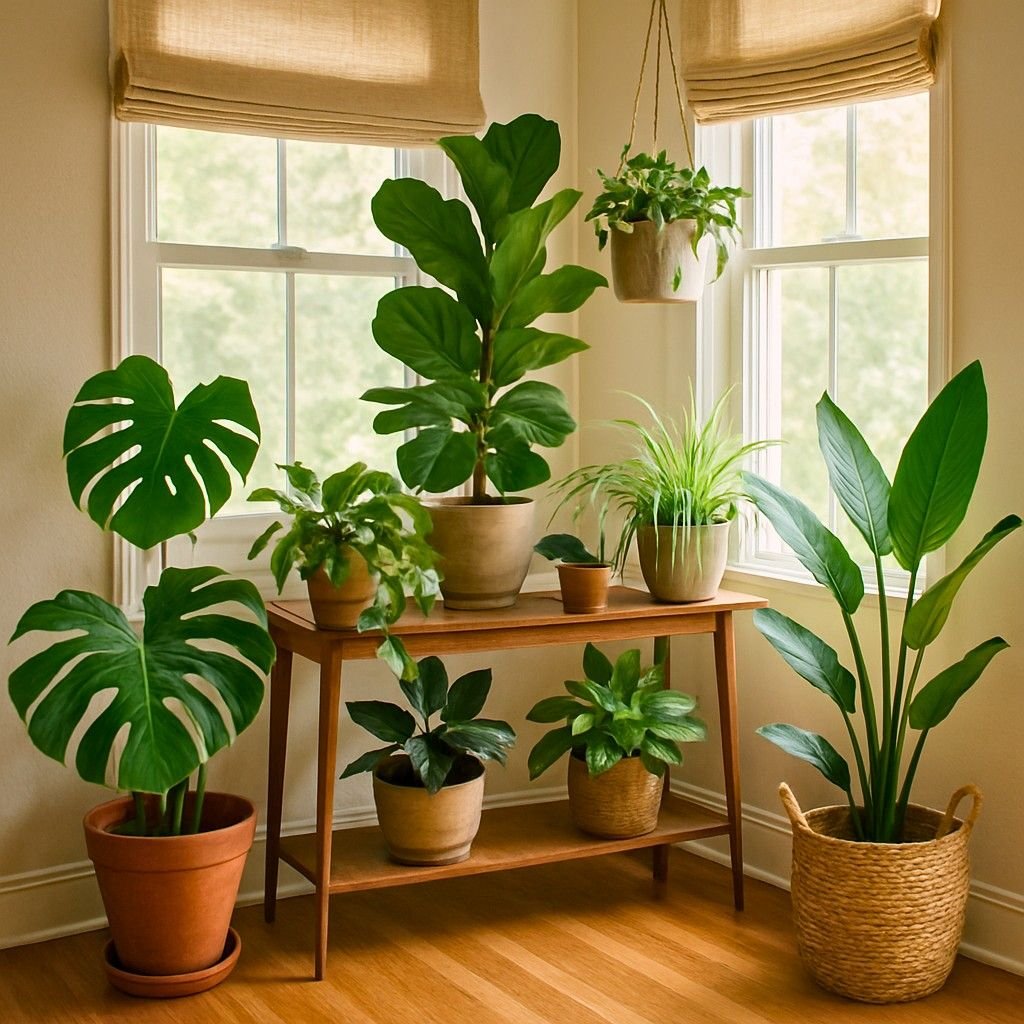
Think in three height layers:
Chart — The Plant Height Pyramid
        Tall Plants
      (Floor level)
   Medium Plants
(Table / Stands)
Small Plants
(Shelves)
Table 6 — Ideal Height Distribution
| Height Category | Percentage |
|---|---|
| Tall | 30% |
| Medium | 40% |
| Small | 30% |
Balancing heights creates a natural, layered look.
Mistake #5 — Ignoring Lifestyle Compatibility
This was the most personal lesson.
I bought plants that required daily care while living a busy lifestyle.
Result:
- Missed watering days
- Dying plants
- Constant guilt
Décor should bring joy—not stress.
The Maintenance Reality Check
Table 7 — Plant Maintenance Levels
| Level | Watering Frequency | Ideal For |
|---|---|---|
| Low | Every 2–4 weeks | Busy lifestyles |
| Medium | Weekly | Plant lovers |
| High | 2–3 times weekly | Hobby gardeners |
I replaced high-maintenance plants with resilient ones, and my home finally felt peaceful again.
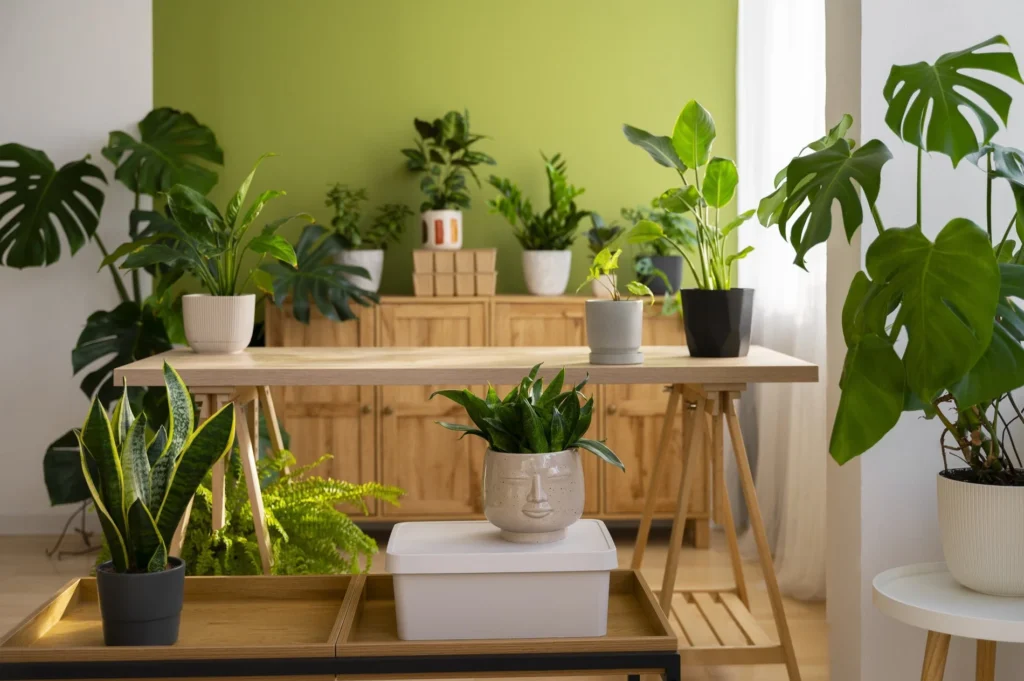
The Transformation After Fixing These Mistakes
After correcting these five mistakes, the difference was dramatic.
Table 8 — Before vs After
| Before | After |
|---|---|
| Cluttered surfaces | Intentional focal points |
| Dying plants | Healthy greenery |
| Random pots | Cohesive palette |
| Overcrowded room | Balanced spacing |
| Stressful care routine | Effortless maintenance |
My home didn’t just look better—it felt calmer, brighter, and more welcoming.
Practical Plant Styling Blueprint
Here’s the system I now follow.
Step-by-Step Framework
- Map sunlight.
- Choose a pot palette.
- Plan plant heights.
- Limit quantity.
- Match plants to lifestyle.
Follow these steps and you skip years of trial and error.
Final Thoughts
Indoor plant décor is not about perfection. It’s about creating harmony between living greenery and living spaces.
The biggest lesson I learned is simple:
Plants should enhance your home—not overwhelm it.
Mistakes are part of the journey, but learning from them transforms not only your space but your relationship with your home.
FAQs
1. How many indoor plants are too many?
A good rule is 5–9 plants per medium room. If cleaning becomes difficult or surfaces feel crowded, you likely have too many.
2. Should all plant pots match?
Not exactly. They should follow a cohesive palette. Use the 70–20–10 rule for balance.
3. Can indoor plants survive without sunlight?
Some tolerate low light, but no plant survives without light entirely. Even low-light plants need indirect brightness.
4. What is the easiest indoor plant for beginners?
Snake plants, ZZ plants, and pothos are extremely forgiving and perfect for busy lifestyles.
5. How do I make plants look professionally styled?
Use height layering, limit plant quantity, match pot colors, and leave empty space.
6. Why do my plants look messy even when healthy?
It’s often a styling issue—mismatched pots, uneven heights, or overcrowded placement.
If you avoid these five mistakes, your home won’t just contain plants—it will feel alive in the most beautiful way possible. 🌿