11 Ultimate Indoor Plants Pest Control Tricks for Healthy Growth
There’s something quietly magical about sharing your home with plants. They soften corners, clean the air, and bring a sense of calm that no décor item can match. But if you’ve ever spotted tiny webs, sticky leaves, or mysterious holes, you know that indoor gardening comes with its own set of challenges—pests.
What most beginners don’t realize is this: pests aren’t just random invaders. They’re often signals—indicators that something in your plant care routine needs adjustment. Once you understand that, pest control becomes less about panic and more about balance.
This guide goes far beyond surface-level tips. It blends practical techniques, small habits, and real-life lessons into a system you can actually live with—no complicated chemicals or stressful routines required.
Understanding the Real Enemy: Why Indoor Plants Attract Pests
Before jumping into solutions, it’s worth pausing for a moment. Pests like spider mites, aphids, fungus gnats, and mealybugs don’t just “appear.” They are drawn to specific conditions:
- Overwatered soil
- Weak or stressed plants
- Poor airflow
- Lack of sunlight
- Dirty leaves or containers
Think of pests as opportunists. Fix the environment, and you eliminate most of the problem before it even begins.
1. Start With Clean Soil and Healthy Roots
Everything begins below the surface.
Using contaminated or reused soil is one of the fastest ways to introduce pests into your home. Fungus gnat larvae, for instance, thrive in damp, organic-rich soil.
What to do:
- Always use fresh, high-quality potting mix
- If reusing soil, sterilize it by baking it at low heat
- Avoid garden soil indoors—it often carries hidden insects
Pro tip: Healthy roots = strong plants = natural pest resistance.
2. Don’t Overwater—Ever
If there’s one habit that invites pests more than anything else, it’s overwatering.
Wet soil creates a breeding ground for fungus gnats and root rot, weakening the plant and making it vulnerable.
Better approach:
- Let the top 1–2 inches of soil dry out before watering
- Use pots with drainage holes
- Water deeply, but less frequently
Simple check: Stick your finger into the soil. If it feels damp, wait.
3. Use Neem Oil as a Preventive Shield
Neem oil isn’t just a treatment—it’s a powerful preventive tool.
Derived from the neem tree, it disrupts pest life cycles without harming plants when used correctly.
How to use it:
- Mix a few drops with water and mild soap
- Spray leaves (top and bottom) every 7–10 days
- Apply in the evening to avoid leaf burn
It works against:
- Aphids
- Spider mites
- Mealybugs
- Whiteflies
Consistency matters more than quantity here.
4. Wipe Leaves Regularly (Yes, It Matters)
Dust isn’t just cosmetic—it creates a perfect hiding place for pests.
A clean leaf is not only healthier but also less attractive to insects.
Routine:
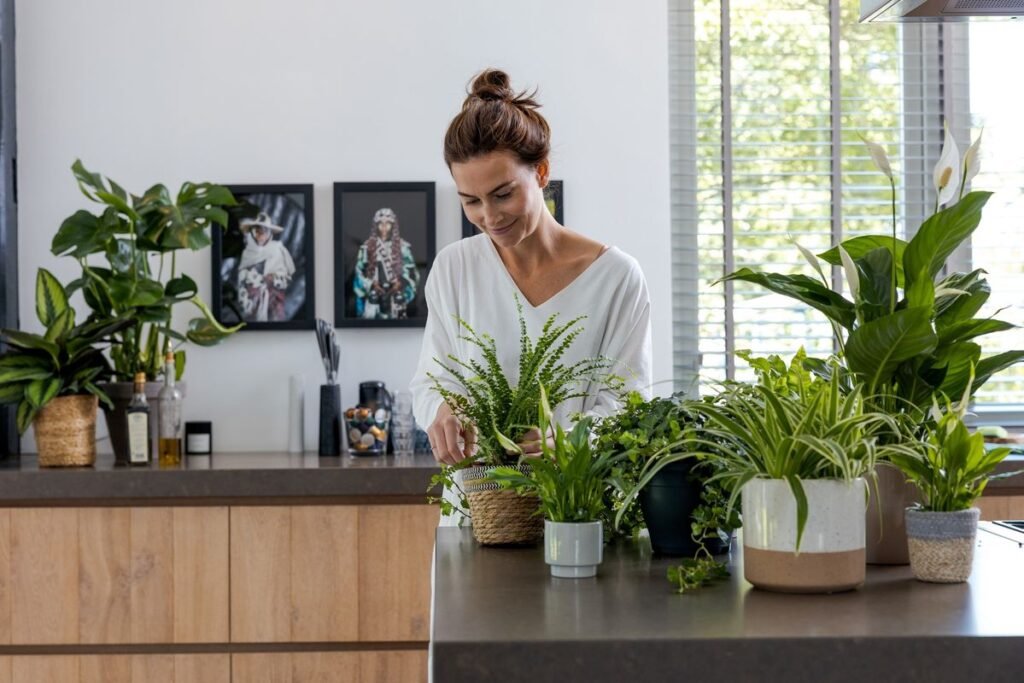
- Wipe leaves with a damp cloth once a week
- For delicate plants, use a soft brush
- Add a drop of mild soap for extra protection
This simple habit often prevents infestations before they begin.
5. Introduce Natural Soap Spray
A gentle soap solution can be surprisingly effective.
It works by breaking down the outer layer of soft-bodied pests, causing them to dehydrate.
DIY recipe:
- 1 liter of water
- 1 teaspoon mild liquid soap
Spray directly onto affected areas.
Important:
- Test on one leaf first
- Avoid harsh detergents—they can damage plants
6. Isolate New Plants Immediately
This is a mistake almost everyone makes at least once.
Bringing a new plant home and placing it among others without inspection is like opening the door to pests.
Golden rule: quarantine for 7–10 days
During this period:
- Check leaves (especially undersides)
- Watch for tiny moving dots or sticky residue
- Treat proactively if needed
It’s easier to prevent than to cure.
7. Improve Air Circulation
Still air is a pest’s best friend.
Poor airflow creates a humid, stagnant environment—perfect for mites and mold.
Solutions:
- Space plants apart slightly
- Open windows when possible
- Use a small fan on low setting
Good airflow strengthens plants and disrupts pest activity.
8. Use Sticky Traps for Early Detection
Sometimes pests are hard to see—until it’s too late.
Yellow sticky traps are simple tools that help you monitor infestations early.
They attract:
- Fungus gnats
- Whiteflies
- Flying aphids
Place them near the soil surface and check regularly.
They won’t eliminate pests entirely, but they’ll give you a valuable warning signal.
9. Prune Damaged or Infested Leaves
Holding onto heavily infested leaves often does more harm than good.
Pests multiply quickly, and damaged leaves rarely recover fully.
What to do:
- Trim affected areas with clean scissors
- Dispose of them immediately (don’t compost indoors)
- Sterilize tools after use
Think of pruning as damage control—it stops the spread.
10. Try Natural Predators (For Serious Cases)
If you’re dealing with a persistent infestation, beneficial insects can help.
Ladybugs and predatory mites feed on common pests.
Best for:
- Larger indoor plant collections
- Greenhouse setups
While not always practical for small homes, they’re incredibly effective in the right setting.
11. Build a Weekly Plant Care Routine
This is the real “ultimate trick.”
Consistency beats every single product or hack.
Simple weekly checklist:
- Check leaves (top and bottom)
- Wipe dust
- Inspect soil moisture
- Look for early pest signs
- Rotate plants for even light
When you spend a few minutes regularly, problems never get out of control.
A Real-Life Perspective: What Actually Works Long-Term
If you talk to experienced plant owners, you’ll notice a pattern.
They don’t rely on one miracle solution. Instead, they combine small habits:
- Moderate watering
- Clean leaves
- Occasional neem spray
- Regular inspection
That’s it.
No complicated systems. No expensive chemicals. Just awareness and consistency.
And over time, their plants don’t just survive—they thrive.
Common Mistakes That Make Pest Problems Worse
Let’s address a few habits that often backfire:
1. Overreacting with chemicals
Strong pesticides can stress plants and disrupt natural balance.
2. Ignoring early signs
A few pests today can become hundreds next week.
3. Treating only visible areas
Many pests hide under leaves or in soil.
4. Inconsistent care
Skipping routines allows pests to rebound quickly.
Avoiding these mistakes is just as important as applying the right solutions.
Creating a Pest-Resistant Indoor Garden
Healthy plants naturally resist pests better.
To build that resilience:
- Provide adequate sunlight
- Use well-draining soil
- Avoid overcrowding
- Feed plants occasionally with balanced nutrients
When plants are strong, pests struggle to take hold.
FAQs About Indoor Plant Pest Control
1. How often should I check my plants for pests?
Ideally, once a week. Regular checks help you catch problems early before they spread.
2. Is neem oil safe for all indoor plants?
Most plants tolerate neem oil well, but always test on a small area first. Some delicate leaves may react.
3. What is the fastest way to get rid of fungus gnats?
Let the soil dry out, use sticky traps, and consider a mild hydrogen peroxide soil treatment.
4. Can pests spread from one plant to another?
Yes, very easily. That’s why isolation and spacing are important.
5. Are chemical pesticides necessary indoors?
In most cases, no. Natural methods and consistent care are enough for common infestations.
6. Why do my plants keep getting pests again and again?
Recurring infestations usually point to environmental issues like overwatering, poor airflow, or weak plant health.
Final Thoughts
Indoor plant care isn’t about perfection—it’s about attention.
Pests are not failures; they’re feedback. They tell you when something is off balance. Once you learn to read those signals and respond with simple, consistent habits, pest control becomes almost effortless.
In the end, the goal isn’t just pest-free plants. It’s a thriving indoor ecosystem—one where your plants grow strong, resilient, and beautifully alive.