7 Indoor Plants Feeding Lessons from My Biggest Mistakes
Indoor plants have a quiet way of teaching patience. They don’t shout when something is wrong, and they don’t forgive neglect overnight. Instead, they respond slowly—leaves yellowing, growth stalling, roots rotting—until one day you realize you’ve been doing it wrong all along.
I learned this the hard way.
When I first started keeping indoor plants, I thought feeding them was simple: add fertilizer, water regularly, and watch them thrive. What I didn’t understand was that feeding plants is less about adding more and more about knowing when, how, and why. Over time, I made mistakes—some small, some devastating—and each one reshaped how I care for my plants today.
This article isn’t just a guide. It’s a reflection of seven key lessons I learned from real failures—lessons that can save you from killing your plants slowly with “good intentions.”
Lesson 1: Overfeeding Is Worse Than Underfeeding
One of my earliest mistakes came from enthusiasm. I believed more fertilizer meant faster growth, greener leaves, and happier plants. So I fed my plants frequently—sometimes weekly—with generous doses.
At first, nothing seemed wrong.
Then came the signs: brown leaf tips, white crust on the soil, and plants that looked oddly stressed despite being “well-fed.”
What I had done was overwhelm the roots. Excess fertilizer salts build up in the soil and start to burn the root system, making it harder for the plant to absorb water. Ironically, overfed plants often look like they’re starving.
What I learned:
- Plants need nutrients, but in moderation.
- Fertilizer is not food in the traditional sense—it’s more like a supplement.
- Feeding too much can cause long-term damage that’s hard to reverse.
What I do now:
I follow the “less is more” rule. I dilute fertilizers more than recommended and feed less frequently, especially during slower growth periods.
Lesson 2: Feeding at the Wrong Time Is a Silent Killer
For a long time, I fed my plants year-round without thinking about seasons. After all, indoor plants live inside—why would seasons matter?
But they do.
Even indoors, plants respond to light changes. In winter, shorter days and lower light levels mean most plants enter a resting phase. Feeding them during this time doesn’t help—it confuses them.
I once kept fertilizing a plant through winter, expecting it to grow. Instead, it became weak and leggy, unable to use the nutrients I was giving it.
What I learned:
- Plants have natural growth cycles.
- Feeding during dormancy can stress the plant rather than support it.
What I do now:
- I feed actively growing plants in spring and summer.
- I reduce or stop feeding in fall and winter.
- I watch the plant—not the calendar—for signs of growth.
Lesson 3: Not All Plants Need the Same Feeding Routine
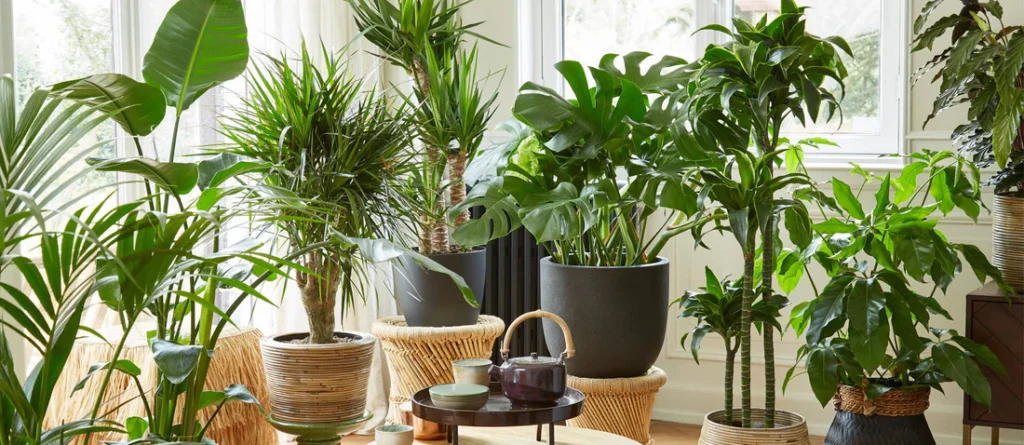
In the beginning, I treated all my plants the same. Same fertilizer, same schedule, same amount.
This was a mistake.
Some plants are heavy feeders, while others thrive on neglect. When I applied a uniform feeding routine, certain plants flourished while others declined.
For example, a fast-growing plant might respond well to regular feeding, while a slow-growing one can suffer from even occasional fertilization.
What I learned:
- Each plant species has unique nutritional needs.
- Growth rate, size, and environment all affect feeding requirements.
What I do now:
- I group plants by their feeding needs.
- I research individual plant preferences.
- I adjust frequency and strength accordingly.
Lesson 4: Poor Soil Makes Feeding Useless
There was a time when I kept adding fertilizer to a struggling plant, hoping it would recover. It didn’t.
Eventually, I repotted it and discovered the problem: compacted, lifeless soil that couldn’t drain properly.
Fertilizer alone cannot fix bad soil. If the roots can’t breathe or water can’t drain, nutrients won’t be absorbed effectively.
What I learned:
- Soil quality is just as important as nutrients.
- Feeding a plant in poor soil is like pouring nutrients into a clogged system.
What I do now:
- I use well-draining soil mixes.
- I refresh soil periodically.
- I prioritize root health over feeding frequency.
Lesson 5: Ignoring Watering Habits Leads to Feeding Mistakes
Feeding and watering are deeply connected, but I used to treat them as separate tasks.
Sometimes I would fertilize dry soil, thinking it didn’t matter. Other times, I watered excessively after feeding, washing nutrients away.
Both approaches caused problems.
Applying fertilizer to dry soil can damage roots, while overwatering dilutes nutrients and can lead to root rot.
What I learned:
- Feeding should always be tied to proper watering practices.
- Moist soil helps distribute nutrients safely.
What I do now:
- I water plants lightly before feeding if the soil is dry.
- I use fertilizer during regular watering schedules.
- I avoid feeding stressed or dehydrated plants.
Lesson 6: Signs of Overfeeding Are Easy to Miss
One of the biggest challenges I faced was recognizing when something was wrong.
Overfeeding doesn’t always show obvious symptoms right away. Instead, it builds slowly—subtle leaf discoloration, slowed growth, or unusual patterns.
I used to misinterpret these signs as nutrient deficiency and respond by feeding more, making things worse.
What I learned:
- Overfeeding symptoms can mimic underfeeding.
- Observation is more important than routine.
Common signs I now watch for:
- Brown or crispy leaf edges
- White residue on soil
- Sudden leaf drop
- Stunted growth despite feeding
What I do now:
- I pause feeding when I notice stress.
- I flush the soil occasionally to remove excess salts.
- I trust visual cues over fixed schedules.
Lesson 7: Consistency Matters More Than Perfection
Perhaps the most important lesson came after years of trial and error: plants don’t need perfection—they need consistency.
In my early days, my feeding habits were inconsistent. Sometimes I overfed, sometimes I forgot entirely. The unpredictability stressed my plants more than anything else.
Plants adapt well to steady conditions, even if they’re not ideal. But constant changes—especially in feeding—can disrupt their growth.
What I learned:
- A simple, consistent routine is better than a complex, irregular one.
- Plants respond to stability.
What I do now:
- I keep a basic feeding schedule.
- I adjust gradually instead of making sudden changes.
- I focus on long-term care rather than quick results.
Final Thoughts: Feeding Is About Understanding, Not Just Adding
Looking back, my biggest mistakes weren’t due to neglect—they were due to misunderstanding.
I cared too much in the wrong ways. I assumed that more effort would lead to better results, when in reality, plants thrive on balance.
Feeding is not about giving plants everything they could possibly need. It’s about giving them exactly what they need—no more, no less.
If there’s one takeaway from my experience, it’s this:
Pay attention to your plants. They will always tell you what they need—just not in words.
FAQs
1. How often should I feed indoor plants?
Most indoor plants benefit from feeding every 2–4 weeks during their active growing season (spring and summer). In fall and winter, reduce or stop feeding depending on growth.
2. What happens if I overfeed my plants?
Overfeeding can lead to root burn, salt buildup in the soil, leaf discoloration, and stunted growth. In severe cases, it can kill the plant.
3. Can I use the same fertilizer for all indoor plants?
While a general-purpose fertilizer works for many plants, some species have specific needs. It’s best to adjust feeding based on the plant type.
4. Should I fertilize a sick or stressed plant?
No. Feeding a stressed plant can make things worse. Focus on fixing the underlying issue—such as watering, light, or pests—before resuming feeding.
5. Is it better to underfeed or overfeed?
Underfeeding is generally safer. Plants can survive with fewer nutrients, but too much fertilizer can cause lasting damage.
6. How do I fix overfertilized soil?
Flush the soil with clean water several times to remove excess salts. In severe cases, repotting with fresh soil may be necessary.