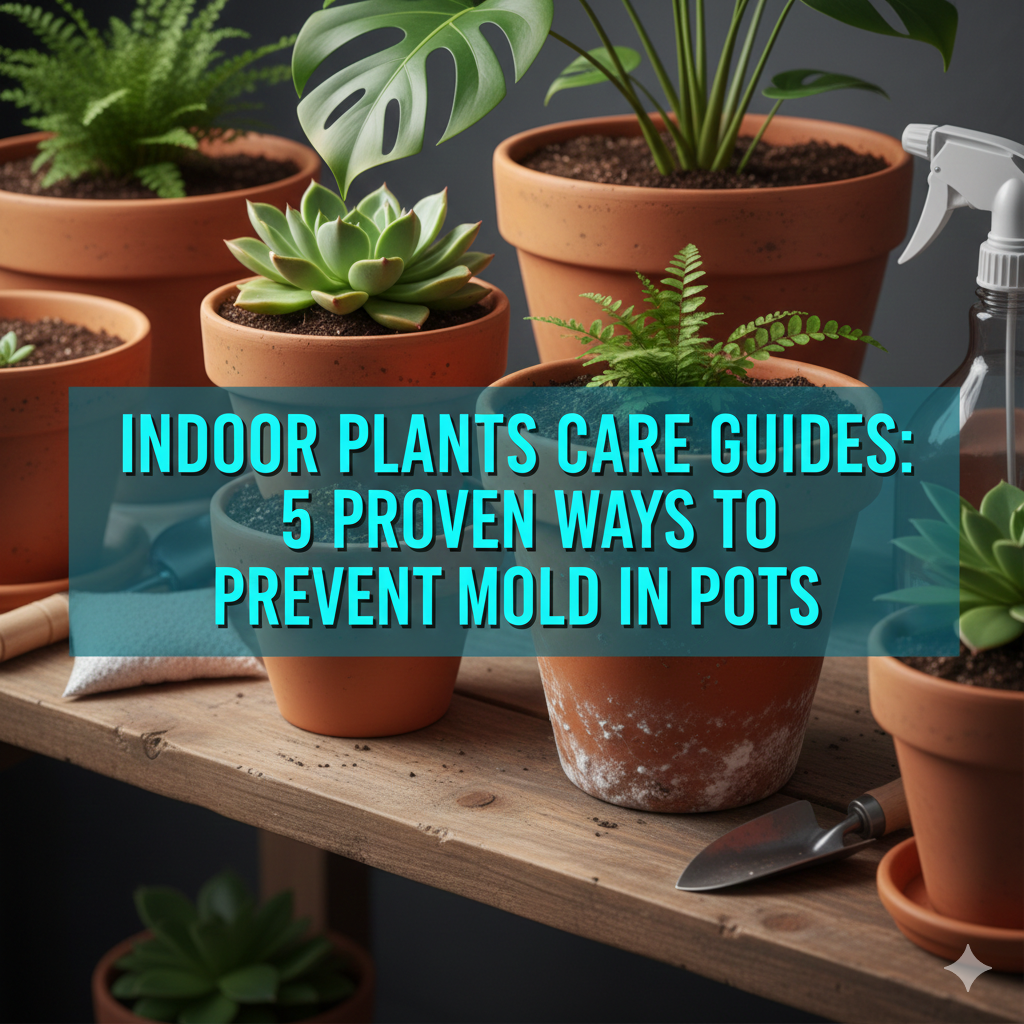
5 Effective Methods To Keep Mold Out Of Pots
Mold in plant pots — if you are an indoor gardener, one of the most annoying things you’ll face is mold in plant pots. You give your plant a drink, you leave it be, and then — in just a couple of days’ time — there it is. That fuzzy white or green stuff on top of your soil.
It looks gross. It smells musty. And, worst of all, it can damage your plants.
But the good news is, you can almost always prevent mold. With some good habits and a bit of know-how, you can keep your pots clean, soil healthy, and plants thriving.
This article discusses what exactly causes mold to grow on plant pots and shares with you 5 of the simplest methods to put an end to it before it gets started. Whether you are just starting out or you have been growing houseplants for decades, these essential tips are straightforward to follow — and they work.
What Is That Fuzzy Stuff in Your Plant Pot?
But before we get to solutions, here’s what mold actually is.
Mold is a type of fungus. It sprouts from tiny spores that waft through the air and settle in your dirt. Under the correct conditions — wet, warm, and with little airflow — those spores awaken and begin to grow rapidly.
The most common type found in houseplant pots is the white one, also known by its alternate name Saprophytic fungus. It typically appears as a fluffy white layer on the surface of soil. It thrives on dead organic material such as leaves, roots, and soil that has been watered too much.
Other types include:
- Green or blue-green mold — algae in association with fungal growth
- Black mold — less common on soil, more common on pot surfaces or saucers
- Gray mold (Botrytis) — can affect stems and leaves, not just soil
In most cases, mold on potted plants isn’t going to kill your plant right then and there. But it’s a warning sign. It signals that something is off — too much water, not enough air movement, or poor drainage.
If left unchecked, mold can spread to the roots, attract fungus gnats, and slowly kill your plant over time.
Why Does Mold Appear in Indoor Plant Pots?
Mold doesn’t simply burst into life out of thin air. It requires certain conditions in order to grow. Here’s a quick breakdown:
| Cause | Reason It Causes Mold |
|---|---|
| Overwatering | Soil remains too wet for too long |
| Poor drainage | Water collects at roots |
| Low air circulation | Moisture is trapped near soil |
| Low light | Dampness never goes away |
| Organic soil amendments | Decaying organic matter feeds mold spores |
| High humidity | Ideal moist environment |
If your home checks several of these boxes — for example, you have plants in a low-light bathroom with poor airflow — you’re effectively handing mold an invitation.
The good news? All of these triggers can be fixed. That’s what the 5 methods below are all about.
Indoor Plants Care Guides: The 5 Best Tips to Avoid Mold in Pots
Method #1 — Develop a Knack for Watering at the Right Time
Overwatering is the most common reason for mold to appear on a soil surface. Full stop.
Lots of people water their plants on a schedule — every Sunday, every three days, whatever feels routine. But plants don’t care about your calendar. They care about what the soil really needs.
The golden rule: water only when the top 1–2 inches of soil is dry to the touch.
Stick your finger into the soil up to your second knuckle. If it feels damp, wait. If it feels dry, then go ahead and water.
This one little tweak eliminates the most common mold trigger overnight.
Other Smart Watering Habits
- Water from the bottom, not from the top. Wet soil surfaces invite mold. Try bottom watering — place the pot in a tray of water and allow the soil to soak it up through the drainage holes.
- Empty your saucers after 30 minutes. A pool of water under the pot keeps moisture levels high and mold conditions active.
- Use room-temperature water. Cold water can shock the roots and delay your plant’s ability to take in water effectively.
- Cut back in winter. During cooler months, when growth slows, most houseplants require significantly less water.
A good moisture meter from any garden shop can also remove the guesswork of when to water. It’s one of the best investments any indoor plant owner can make for less than $10.
Method #2 — Deal With Your Drainage Before Mold Has a Chance to Begin
Here’s something a lot of beginners don’t realize until it’s too late: it doesn’t matter how carefully you water if your pot can’t drain properly.
When water pools in the base of a pot with nowhere to go, it generates a swampy zone around the roots. Mold thrives there. Root rot follows. Your plant suffers.
Every pot needs drainage holes. No exceptions.
If your favorite decorative pot lacks drainage holes, use it as a cachepot — drop a standard nursery pot with drainage holes inside the decorative one. When watering, pull the nursery pot out, allow it to drain completely, then return it.
Build a Better Soil Mix
Drainage is not all about the pot — it’s about the soil too.
Standard potting mixes hold moisture well, which is fine for plants but not ideal when it comes to preventing mold. Add the following for better drainage:
- Perlite (small white volcanic particles) — adds airflow and stops compaction
- Coarse sand — helps ensure good drainage and dries faster
- Orchid bark — great for chunky, well-draining mixes
- Pumice — perfect for succulents and cacti
A good rule of thumb: combine 60–70% potting soil with 30–40% perlite or a similar amendment. This provides your plants with sufficient nutrients while reducing the moisture retention that mold loves.
Say No to Rocks at the Bottom
Many people add a layer of rocks or gravel to the bottom of pots, thinking it improves drainage. It actually does the opposite. It creates a “perched water table” — water is held just above the rocks rather than draining through. Remove the rocks and just make sure you have proper drainage holes with good soil.
Method #3 — Bestow Light and Air on Your Plants
Consider where mold flourishes in nature — dark corners, damp basements, remnants left to languish at the back of the fridge. Mold hates light and fresh air.
Your plants love both of those things too. So improving light and airflow is a win-win.
Light Makes Soil Dry Faster
When a plant is placed in a well-lit spot, the soil surface dries out between waterings. That dry surface is bad news for mold spores looking to set up shop.
Move your plants closer to windows. The most reliable indoor light usually comes from south- and east-facing windows. If there’s a lack of natural light in your home, a simple grow light can make a world of difference — particularly during winter months.
As a general guideline:
| Plant Type | Minimum Light Needed |
|---|---|
| Succulents & Cacti | 6+ hours of intense direct light |
| Tropical plants (pothos, philodendron) | Bright indirect light, 4–6 hours |
| Low-light plants (snake plant, ZZ) | 2–4 hours of indirect light |
| Ferns & Peace lilies | Low to medium indirect light |
Even low-light plants benefit from some airflow. Light alone won’t solve everything.
Airflow Keeps Moisture Moving
Still air is mold’s best friend. A gentle breeze from a fan on low can greatly reduce the risk of mold.
You don’t need anything fancy. A small oscillating desk fan running a few hours a day near your plants is enough to keep the air moving. This also strengthens plant stems over time — a bonus side effect.
Open windows whenever the weather is nice. Keep plants out of enclosed rooms with no windows unless they have ventilation. Spread plants out instead of clustering them tightly — bunching planters together traps humidity between the pots.
Method #4 — Keep Your Pots and Soil Clean Regularly
Prevention is not only about how you water or where you place plants. It’s also about keeping the growing environment clean.
Mold spores feed on dead organic matter. Decaying leaves sitting on top of the soil, dead roots nestled inside the pot, leftover fertilizer salts on the rim — it’s all fuel for fungal growth.
The Top of the Soil Is Your First Line of Defense
Make it a habit to:
- Remove dead leaves from the soil surface immediately. Do not let them sit there and rot.
- Scrape off visible mold if it has developed. Scoop out the top inch of soil from areas where mold has begun to grow using a small hand tool or spoon, then replace with fresh dry mix.
- Allow the top layer to dry completely before watering again after an episode of mold.
Repot When Soil Grows Old and Tired
Nearly all houseplants benefit from repotting every 1–2 years. Old soil compacts, no longer drains well, and accumulates salt and decomposed material — all things that mold thrives on.
When you repot:
- Gently slide the plant out of its pot.
- Remove the old soil from the roots.
- If signs of rot or mold are visible, wash the roots in clean water.
- Let roots air-dry for 30–60 minutes before repotting.
- Replant in fresh potting mix in a clean pot.
Sanitize Your Pots Between Uses
Wash old pots well if you are reusing them. Scrub with hot soapy water, then rinse with a diluted solution of 1 part 3% hydrogen peroxide mixed with 3 parts water. This will kill any remaining mold spores or disease pathogens before they can affect your new plant.
Terracotta pots can be soaked in this solution for 10–15 minutes, then left to dry in the sun.
Method #5 — Add Natural Mold Fighters to Your Soil
Prevention often requires a little extra support. Fortunately, there are a few safe, natural amendments you can incorporate into your soil to actively fight mold growth.
These aren’t chemicals. They’re easy, they’re affordable, and you don’t need anything special to use them.
Cinnamon — The Natural Antifungal
This one always surprises people. Ordinary ground cinnamon from your kitchen cupboard is a strong natural antifungal.
Sprinkle a light layer over your soil. Cinnamon contains a compound called cinnamaldehyde that inhibits fungal growth without damaging your plant. Reapply every couple of weeks or whenever watering washes it away.
And it smells delicious, too.
Activated Charcoal
Activated charcoal works very well for indoor plant pots. Incorporate a slim layer into your potting mix or place one at the bottom of the pot.
It soaks up excess moisture, neutralizes odors, and has natural antifungal and antibacterial properties. It’s widely used in terrariums for exactly this reason. According to the University of Maryland Extension, maintaining clean soil conditions is one of the most effective long-term strategies for keeping houseplants healthy and disease-free.
Neem Oil Solution
Neem oil is a plant-based oil extracted from the neem tree. When diluted and applied to your soil, it works as a broad-spectrum antifungal and pest deterrent.
Combine 2 teaspoons of neem oil with 1 teaspoon of mild dish soap and 1 quart of water. Apply to the soil surface through a spray bottle every 2–3 weeks as a preventive measure.
Note: Use neem oil in a well-ventilated space. The smell is strong but fades quickly.
Hydrogen Peroxide Soil Drench
For mold that is already present and spreading, a mild hydrogen peroxide drench will kill it quickly.
Combine 1 tablespoon of 3% hydrogen peroxide with 1 cup of water. Water your plant with this mixture. It oxygenates the soil, destroys mold spores and gnats, and then harmlessly reverts to water and oxygen — leaving no toxic residue behind.
Don’t overdo it. Once a week maximum, and only when needed.
Quick-Reference Mold Prevention Checklist
Here’s everything you need in one place:
| Action | How Often |
|---|---|
| Check soil moisture before watering | Every time you water |
| Empty saucers after watering | Every watering session |
| Remove dead leaves from soil | Weekly |
| Wipe down pot rims and surfaces | Every 2–4 weeks |
| Apply cinnamon to soil surface | Every 2–4 weeks |
| Check drainage holes aren’t blocked | Monthly |
| Rotate plants for even light exposure | Monthly |
| Repot in fresh soil | Every 1–2 years |
| Sanitize reused pots | Before each use |
The Mistakes That Make Mold Worse
Even with good intentions, some habits quietly feed the problem. Watch out for these:
Using decorative pots with no drainage — glamorous, but not healthy for your plants. Always slip a nursery pot inside.
Misting leaves and soil too frequently — misting can increase surface moisture on both foliage and soil. If you’d like to boost humidity, use a pebble tray with water instead.
Overfertilizing — excess fertilizer decays in soil and adds to the organic matter that mold likes to feast on. Follow recommended doses.
Not cleaning your tools — trowels, watering cans, and spray bottles can all transport mold spores from pot to pot. Rinse and dry them regularly.
Cramming plants too close together — great for looks, but it traps moisture and reduces airflow between the plants.
FAQs on Mold in Indoor Plant Pots
Q: Is white mold in plant pots dangerous to humans? White mold spores can result in allergic reactions and respiratory issues — including asthma exacerbations — in individuals who are sensitive to them. The best plan is to address it swiftly and thoroughly wash your hands after working with moldy soil.
Q: Can I still rescue a plant that has mold in the pot? Yes, in most cases. If only the surface of the soil is moldy, remove it and let the pot dry out before treating with cinnamon or diluted hydrogen peroxide. If the roots appear black and mushy (root rot), you may need to trim them and repot entirely.
Q: Will mold just go away on its own? Rarely. Mold tends to spread rather than disappear. Your plant will slow down mold growth if you correct the conditions that caused it — overwatering, stagnant air, low light. But you still have to physically remove it.
Q: Can cinnamon really help with mold? Yes. Several studies have shown that the cinnamaldehyde in cinnamon has antifungal properties. It’s not going to eliminate a heavy mold infestation, but as prevention and for light outbreaks it is very effective.
Q: How can I tell if it’s mold or just dry fertilizer salts? Fertilizer salts appear as crusty, white substances — usually forming a ring around the inside of the pot or on top of the soil. Mold looks fluffy, soft, and thread-like. Not sure? Give it a gentle touch — mold feels fuzzy, salts feel gritty.
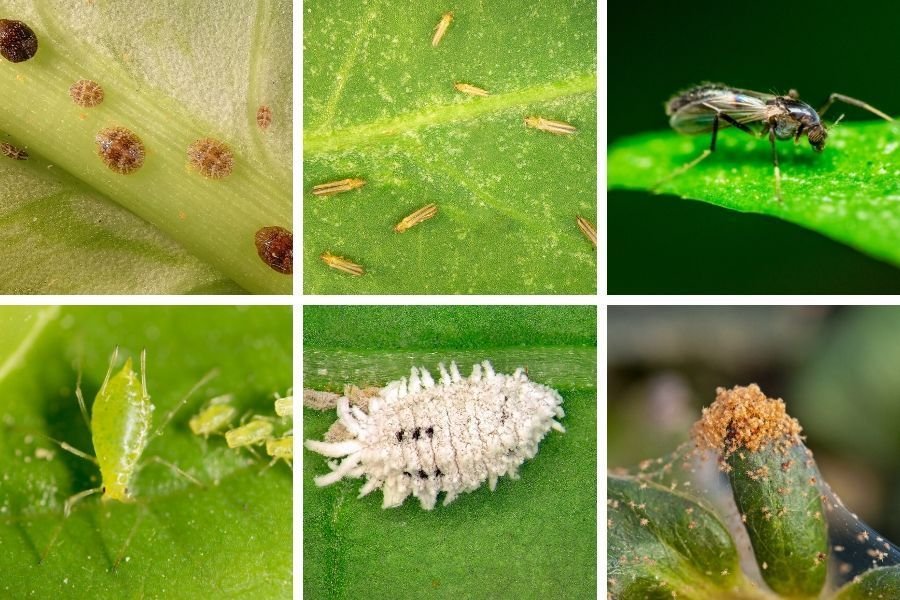
Q: Can mold in pots attract pests? Yes. Fungus gnats are the most common pest associated with moldy, wet soil. They deposit eggs in moist soil and feed on fungi and organic matter. If the mold issue is addressed, the gnat problem should follow.
Q: Do I need to discard moldy soil? Not necessarily. If the mold has not penetrated more than an inch deep, you can scoop out the top inch and replace it with fresh dry soil. If the mold is deep-rooted or severely smelly, removing all the soil is the safer bet.
Wrapping It All Up
Mold in plant pots may seem like a big issue, but it’s really just a signal. It’s your plant’s environment talking to you, telling you that something needs to change — water, drainage, light, or airflow.
The 5 methods shared in this guide work because they tackle the underlying issues, not just the symptoms. Fix how you water. Improve your drainage. Give your plants light and air. Keep things clean. Throw in a natural antifungal occasionally. Do these things consistently, and mold won’t take up residence in your pots.
For more expert tips on keeping your houseplants healthy year-round, visit Indoor Plants Guide — a great resource for both beginners and seasoned plant lovers.
Caring for indoor plants doesn’t have to be difficult. Consistency beats emergency fixes all day long. Make one or two changes from this guide today — your plants (and your nose) will thank you.