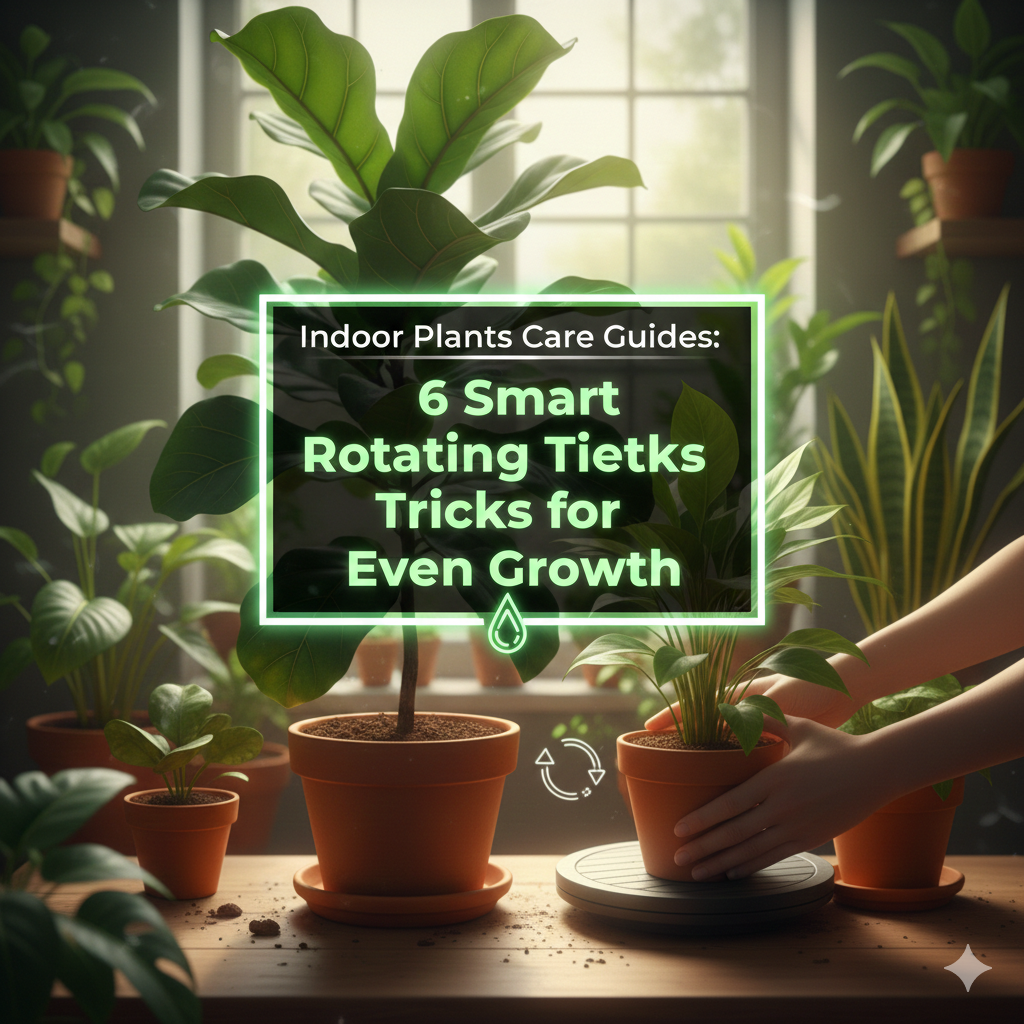
Indoor Plants Care Guides: 6 Smart Rotating Tricks for Even Growth
Have you ever noticed your plant leaning towards the window as if it was trying to escape? That’s not random. It is natural for plants to grow towards light. And if you never move them around, one side takes all the sunshine and the other side is weak and thin.
The fix is simpler than you think — rotating your plants.
This guide contains everything you need to know about rotating indoor plants the smart way. From beginners to those who have been cultivating houseplants for years, here are six tricks that would make your plants look fuller, greener, and more balanced.
Let’s get into it.
Why Your Indoor Plants Grow Lopsided in the First Place
Before you jump into the tricks, it helps to know why this is happening.
Plants possess an inbuilt survival instinct known as phototropism. This is just a fancy word for the way plants grow to the light. Their stems and leaves literally bend and stretch towards the source of the brightest light.
Inside your home, that light usually comes from one direction — a window. So the side with the window side of your plant grows fast and full. The side facing the wall? It gets weak, pale, and sparse.
As time goes on, your plant ends up with what looks like only a “good side.”
This becomes fixed by rotating your plant, to give every side an equal chance to soak up the light.
How Often Should You Rotate Indoor Plants?
There’s no one-size-fits-all answer, but here’s a simple rule to follow:
Rotate most houseplants every 1 to 2 weeks by a quarter turn (90 degrees).
Some plants require more frequent rotation. Others are able to go longer between turns. This depends on how quickly the plant is growing and how uneven your light source is.
| Type of Plant | Suggested Frequency of Rotation |
|---|---|
| Fast-growing plants (pothos, philodendron) | Every 1 week |
| Medium growers (snake plant, ZZ plant) | Every 2 weeks |
| Slow growers (succulents, cacti) | Every 3–4 weeks |
| Flowering plants | Every 5–7 days during flowering |
| Low-light plants | Every 2–3 weeks |
Use this as a starting guide. Pay attention to the behavior of your plant and take it from there.
The 6 Smart Rotating Tricks You Need to Know
Now let’s get to the very heart of this indoor plants care guide. These six tricks will make all the difference in the way that you care for your houseplants.
Trick #1 — The Quarter Turn Method (The Classic Move)
This is the most common rotation method in use, and for good reason. It works.
Every time you water your plant, give it a quarter turn — that’s 90 degrees. This way, you rotate all four sides of the plant in the course of a month.
Why it works so well:
- It ties rotation to watering so you never forget
- Each side receives equal amounts of light over the duration of time
- It’s gentle — no drastic light fluctuations that may stress the plant
This method is great for beginners especially, since it builds a habit. You water, you turn. Simple.
Plants that love this method: Pothos, spider plants, peace lilies, ferns, and most tropical houseplants.
Trick #2 — The Seasonal Shift Strategy
Here’s something most plant care guides skip over: your light changes with the seasons.
In summer the sun stands high and light falls in at a more oblique angle. In the winter, the sun is lower in the sky and light is coming into your windows at a completely different angle.
This means that the “sunny side” of your plant may actually change during the course of the year.
The seasonal shift strategy means you re-evaluate your plant’s location on a seasonal basis — not just rotate it on its existing location.
What to do:
- In spring and summer, move plants a little further away from south or west windows (intense direct light)
- In fall and winter, move plants closer to windows to catch weaker sunlight
- Each time you move the plant, restart your regular quarter-turn rotation from your new spot
This keeps your rotation strategy in sync with the actual light your plant is getting — which changes more than most people realize.
Trick #3 — The Mirror Trick for Dark Rooms
What if your room just doesn’t get much light? Rotating helps, but without much light to go around your plant is still struggling.
Here’s a great way to work around that: use a mirror or reflective surface to bounce light in the direction of your plant.
Place a mirror on the other side of the window from your plant. Light comes in the window, hits the mirror, and reflects back onto the shaded side of your plant.
Now, when you turn your plant, both sides are getting light — the direct side from the window, and the reflected side from the mirror.
Tips for using this trick:
- Use a large mirror for maximum effect
- Angle the mirror slightly towards the plant, not right across
- Metallic or white walls also help to reflect light naturally
- Combine this with the use of grow lights for even better results in very dark rooms
This trick is very effective in apartments with small windows or rooms that can only receive morning light.
Trick #4 — The Stake and Rotation Combo
Some plants have become tall and top-heavy. When you rotate them, they lean or fall over. That makes people skip rotation altogether — which only makes the leaning worse.
The stake and rotation combo is the solution to this.
Here’s how it works:
- Insert a plant stake or thin bamboo rod into the ground near the bottom of the plant
- Gently tie the main stem to the stake using soft plant ties or pieces of cloth
- Now rotate the plant as usual — the stake holds the plant up during and after turning
This is a game-changer for tall plants such as fiddle leaf figs, dracaenas, rubber plants, and monstera.
The stake does more than just hold the plant up. Over time, as the plant becomes stronger and develops stems that are not tilted to one side (from the aid of rotation), you can remove the stake and the plant will stand straight on its own.
Bonus tip: When you water and do a rotation, also check to see if the ties are too tight. Plants grow. What was loose last month may be cutting in now.
Trick #5 — The Photo Tracking Method
This one is for people who like to see results — and it’s honestly one of the most satisfying tricks in this indoor plants care guide.
The idea is quite simple: take a picture of your plant from the same angle each and every time you rotate it.
Use your phone. Place the plant in the same spot every time. Snap the photo before turning.
Over the course of a few weeks, you’ll have a visual record of how your plant is growing. You can see:
- Which side was receiving too much light (yellowing, fading)
- Which side was too shaded (leggy, weak growth)
- Whether your rotation schedule is working
- When the plant appears to be most balanced
This method helps you to make better decisions. Instead of guessing, you have actual evidence.
How to set it up:
| Step | Action |
|---|---|
| 1 | Pick a spot in your room where you will take photos (same background every time) |
| 2 | Take a picture before each rotation |
| 3 | Date the pictures in your phone’s album |
| 4 | Compare every 4 rotations (about one month) |
| 5 | Change the frequency of rotation according to what you see |
You will be surprised how much you will learn about your plant, just by looking at a month of photos side by side.
Trick #6 — The Slow Rotation for Sensitive Plants
Some plants don’t like a change of scenery. Move them too fast and they react badly — dropping leaves, wilting, or going into shock.
Plants like fiddle leaf figs, gardenias, and orchids are notoriously dramatic when it comes to being moved.
For these plants, use the slow rotation method.
Instead of a quarter turn per week, you turn just 10 to 15 degrees every few days. It takes longer to make a full rotation, but the plant almost does not notice the change.
Why this works:
- The shift in light is gradual, not sudden
- The plant adapts without stress
- You still get even growth in the long run — it just takes a bit longer
Think of it like turning up the volume on your speaker — you can crank it up all at once or ease it up slowly. The slow way is less shocking.
Plants that benefit from slow rotation:
- Fiddle leaf fig
- Orchids
- Gardenias
- Anthurium
- Boston fern (when moved from different light zones)
Signs Your Plant Needs Rotation — Right Now
Sometimes your plant lets you know that it’s time to rotate before your schedule does. Watch for these signals:
Leaning towards the light: The most obvious sign. If your plant is really leaning to one side towards the window, it is long overdue for a turn.
One-sided fullness: One side is thick with leaves. The opposite side has a thin, sparse appearance. Classic symptom of uneven light exposure.
Pale or yellow leaves on one side: The shaded side isn’t receiving enough light for chlorophyll production. Leaves begin to lose their color.
Leggy growth on one side: “Leggy” means long, stretched stems with few leaves. This occurs when one side is reaching for light it can’t quite get to.
Stunted side: One side simply does not grow and the other side flourishes. Rotation can frequently wake it back up.
Common Mistakes to Avoid When Rotating
Even with the best of intentions, it’s easy to make mistakes. Here are the most common ones:
Rotating Too Fast or Too Much
Spinning your plant around every other day is not helpful. It confuses the plant and doesn’t give any side enough time to properly use the light it gets.
Fix: Stick to the schedule in the table above. Slow and steady works better.
Forgetting to Consider Artificial Light
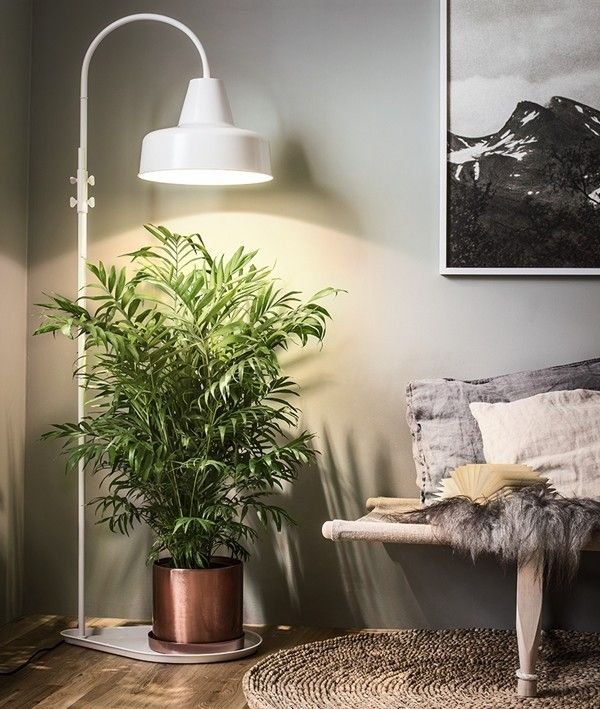
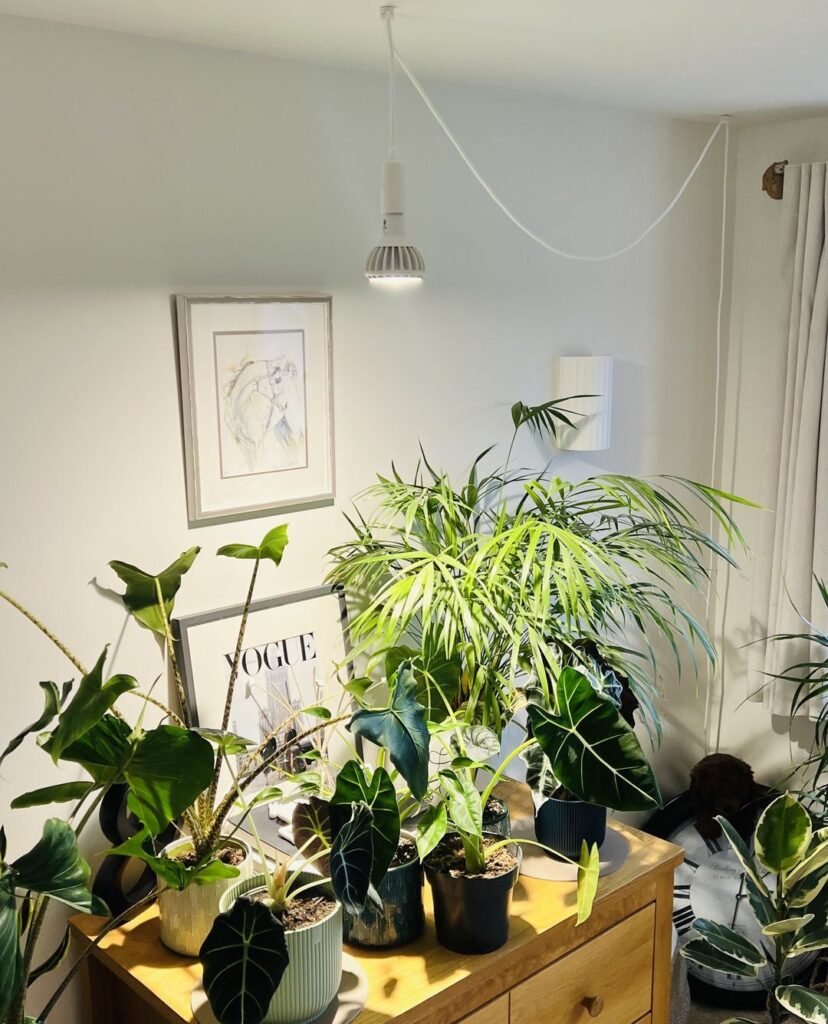
If you use grow lights, they’re usually above the plant — not to the side. Rotating does not matter so much here. The distance and angle of the light is what is important.
Fix: If using grow lights as your main source, work on light height and coverage instead of rotation.
Rotating Right After Repotting
A freshly repotted plant is under stress. Its roots are adapting to new soil. Add rotation on top of that and the plant can easily be overwhelmed.
Fix: Don’t start a rotation schedule for 2 to 3 weeks after repotting.
Moving Sensitive Plants Into Drafts During Rotation
When you turn or move plants, you may accidentally position them near a vent, fan, or cold draft from a window crack. This causes temperature stress in addition to light adjustment.
Fix: Be aware of where the plant ends up after rotation. Check around for drafts, vents, and air conditioner output.
Rotation Tips for Specific Popular Houseplants
Each and every plant has its own personality. Here’s a quick reference for some of the popular ones:
| Plant | Rotation Tip |
|---|---|
| Pothos | Quarter turn weekly — very forgiving and responds well |
| Monstera | Quarter turn every 2 weeks — grows aggressively towards light |
| Snake Plant | Rotate every 3–4 weeks — slow grower, very tolerant |
| Fiddle Leaf Fig | Use slow rotation method — extremely sensitive to moves |
| Spider Plant | Weekly rotation — produces babies more evenly with good light |
| Peace Lily | Rotate every 2 weeks — watch for drooping on shaded side |
| ZZ Plant | Every 3 weeks — drought tolerant and slow growing |
| Rubber Plant | Every 2 weeks — grows upright, benefits from even light |
| Cactus | Every 3–4 weeks — despite being hardy, rotation helps balance growth |
| Orchid | Slow rotation during bloom — sudden movements may cause flower drop |
For more detailed care advice on these and other houseplants, visit Indoor Plants Guide — a helpful resource covering everything from watering schedules to light requirements for all types of indoor plants.
Does Rotation Really Replace Grow Lights?
Short answer: No. But it works with grow lights really well.
Rotation maximizes the light your plant already gets. If light is very limited, no amount of rotation will fully compensate. In low-light rooms, combining rotation with a basic grow light gives much better results than either approach alone.
Think of it this way: rotation is about distribution. Grow lights are about quantity. You need both to work together for the best growth.
According to the University of Missouri Extension, most houseplants require at least 100–500 foot-candles of light to survive indoors — a reminder that smart positioning and rotation work best when your plant is already getting a baseline of adequate light.
Building a Simple Plant Rotation Routine
You do not need a complicated system. Here’s an easy-to-follow routine you can actually stick to:
Every watering session (once a week for most plants):
- Check soil moisture before watering
- Look at the plant — is it leaning? Any pale leaves?
- Give a quarter turn before or after watering
- Take a quick photo if doing the photo tracking method
Monthly check-in:
- Review your photos
- Assess whether any side appears to be weaker
- Decide whether the frequency of rotation needs to be increased or decreased
- Check whether the plant needs to be moved closer or further from the window
That’s it. Ten minutes a month to keep your plants looking their best.
FAQs About Rotating Indoor Plants
Q: Is it possible to rotate plants in any direction? A: Yes. Clockwise or counterclockwise — it does not matter. Just stay consistent so you will be able to track which side has been where.
Q: What if my plant gets worse when I begin to rotate it? A: Give it a few weeks to adjust. Some plants lose a few leaves or look a bit stressed out temporarily when the pattern of light changes. If it doesn’t improve in 3 to 4 weeks, you may have to adjust the speed of rotation or move the plant to better light.
Q: Do outdoor plants require rotation? A: No. Outdoor plants receive light from many different angles during the course of the day as the sun moves through the sky. Rotation is specifically a solution for the fixed, one-direction light that indoor plants deal with.
Q: Is there a different rotation approach for plants with variegated leaves? A: Yes. Variegated plants (with white or light-colored patches on leaves) require bright and even light to preserve their patterns. Rotate them every week and keep them in consistently bright indirect light to help prevent variegation from fading.
Q: My plant is in a corner and gets very little light. Will rotation help? A: Rotation helps distribute whatever light is available, but a dark corner doesn’t give much to work with. Consider adding a small grow light and then using rotation to spread that light evenly.
Q: Is it bad to rotate plants in the winter? A: Not at all — in fact, it’s even more important during the winter when light levels are reduced. Just take care not to expose plants to cold drafts near windows while rotating.
Q: How do I remember to rotate my plants? A: Tie it to another habit — the easiest one is watering. Every time you water, you rotate. You can also set a weekly phone reminder or place a small label on the pot indicating which direction to turn next.
Wrapping It All Up
Growing great, full, beautiful indoor plants doesn’t require fancy tools or years of experience. Sometimes the strongest thing you can do is just turn the pot.
These six smart rotating tricks — from the classic quarter turn to the slow rotation method for sensitive plants — give every leaf on your plant a fair shot at the light it needs. The end result is a plant that grows evenly, with a balanced appearance from all angles, and is healthier overall.
The best part? It costs nothing and takes less than a minute per plant.
Start with one plant this week. Pick the one that’s been leaning towards your window. Give it a quarter turn. Take a photo. Check back in a month.
You’ll be surprised by the difference that such a small change can make.
That’s the gist of any good indoor plants care guide — not complicated science, just smart and consistent habits to allow your plants to thrive.