
Indoor Plants Care Guides: 4 Quick Solutions for Sunburned Plants
You put your plant by the window because you wanted it to grow well. A few days later, the leaves appear pale, crispy or bleached out. Sound familiar?
That is sunburn — and yes, your indoor plants can absolutely get it.
Most people believe that more is always better when it comes to getting sun. But for many houseplants, too much direct sun is just as much a problem as too little. The good news is that sunburned plants are not dead plants. With the right steps, most of them spring back beautifully.
This guide takes you through exactly what sunburn looks like, why it occurs, and — most importantly — four quick fixes that actually work. Whether you are a complete beginner to plant parenting or someone who has been growing indoors for years, this guide will help you save your plant before it is too late.
For more in-depth plant care tips and beginner-friendly growing guides, visit Indoor Plants Guide — a great resource for everything related to houseplant health and growth.
What Does Plant Sunburn Actually Look Like?
Before you begin to fix the problem, you have to confirm the problem. Sunburn on indoor plants has a few telltale signs that make it different from other common issues such as overwatering or pests.
Here is what to look for:
Bleached or Faded Patches — The most common sign. Areas that were bright green turn pale yellow, or almost white. This usually occurs on the side of the plant that faces the window.
Crispy, Dry Leaf Edges — The tips or edges of leaves become dry and brown. Unlike browning due to underwatering, sunburn browning is more likely to appear on the top surface of the leaf.
Papery Texture — Burned areas are thin and papery to the touch. Healthy leaf tissue is firm and feels somewhat waxy.
Scorched Spots — These appear as random brown or tan spots in the center of a leaf. They are almost always caused by intense, direct sunlight.
Color Changes in Succulents — If you grow succulents, sunburn can turn them white, orange or even red in the affected areas.
Sunburn vs. Other Leaf Problems — Comparison Table
| Symptom | Sunburn | Overwatering | Underwatering | Pests |
|---|---|---|---|---|
| Brown crispy edges | ✅ Yes | ❌ Rare | ✅ Yes | ❌ Rare |
| Bleached/pale patches | ✅ Yes | ❌ No | ❌ No | ❌ No |
| Yellowing all over | ❌ Rare | ✅ Yes | ✅ Sometimes | ✅ Sometimes |
| Mushy texture | ❌ No | ✅ Yes | ❌ No | ❌ No |
| Spots on sun-facing side only | ✅ Yes | ❌ No | ❌ No | ❌ No |
| Tiny holes or webbing | ❌ No | ❌ No | ❌ No | ✅ Yes |
Once you have determined that it is sunburn, and not something else, it is time to do something about it.
Why Do Indoor Plants Burn in the First Place?
This is a question that a lot of plant owners have. After all, the plant is indoors — how bad can the sun really be through a window?
The answer depends upon a few things.
Direct vs. Indirect Light There is a huge difference between a plant sitting in bright, indirect light and a plant sitting in the path of direct afternoon sun streaming through glass. Glass actually intensifies the heat. A south-facing or west-facing window in the summer can expose a plant to temperatures and UV levels it just cannot deal with.
Sudden Light Changes This is one of the most neglected causes. When you take a plant that has been growing in low light and then abruptly place it in a bright sunny location, the shock from the increase in light alone can cause the plant to sunburn. The leaves of the plant have not acquired the defenses required for high light exposure. This process is called hardening off, and it takes time.
Seasonal Shifts The angle of the sun varies during the year. A window that offered gentle morning light during winter may have become an inferno by July. Many plant owners do not move their plants when the seasons change — and that is when the burning begins.
Magnification Through Glass or Water Droplets Water droplets sitting on leaves may function as tiny magnifying glasses, concentrating light onto a single spot and burning the tissue. This is why watering in the middle of a bright day can sometimes make sunburn worse.
The 4 Fast Fixes for Sunburned Indoor Plants
Now for the part you came here for. These four fixes are all practical and affordable and can be done today — no special tools or fancy products needed.
Fix #1 — Remove the Plant from Direct Sun Immediately
This is the most important step, and the first one you should take.
The moment you see sunburn, relocate your plant. Every additional hour in direct sun results in more damage to the leaf tissue. You cannot reverse the damage that has already occurred, but you can definitely prevent new damage from happening.
Where should you move it?
Look for a place that receives bright, indirect light. This means the plant can see the sky but is not directly in the path of the sun. A few feet away from a south or west-facing window usually works well. Alternatively, an east-facing window provides soft morning light that most houseplants love.
What about low-light corners?
Avoid the temptation to place a sunburned plant in a very dark area. Going from hot sun to near darkness is another type of shock. The goal is moderate, comfortable light — not the other extreme.
Tips for finding the right spot:
- Use a light meter app on your phone (several free ones are available) to measure foot-candles in various parts of your room.
- Bright indirect light is typically around 1,000–2,000 foot-candles.
- Most tropical houseplants do well in this range.
- Rotate the plant slightly so the burned side faces away from the light source while the rest of the plant still receives what it needs.
Give the plant a few days in its new spot before making any other changes. Stability is key.
Fix #2 — Trim the Damaged Leaves the Right Way
Once the plant is in a better spot, it is time to deal with the burned leaves.
Many plant owners balk here. They feel bad about cutting off leaves, even damaged ones. But here is the truth: dead, burned leaf tissue does not recover. The cell damage is permanent. Keeping those leaves on the plant does not help it heal — it actually takes energy away from new, healthy growth.
Should you remove all the burned leaves?
Not necessarily. If a leaf is only partly burned — say, the tip is brown but the rest is green — you can just trim off that damaged portion. Use clean scissors or pruning shears and cut at an angle that mimics the natural shape of the leaf. This looks much more natural than a straight horizontal cut.
If a leaf is more than 50% damaged, remove the entire leaf. Cut it off at the base of the stem, as close to the main stalk as possible without cutting into it.
Why clean tools matter:
Always clean your scissors or pruning shears before cutting. Use rubbing alcohol or a diluted bleach solution (1 part bleach to 9 parts water). This prevents bacteria and fungi from entering the plant through the fresh cut.
What to do after trimming:
- Do not fertilize immediately after trimming. The plant is already stressed.
- Never repot at the same time — that is another level of stress.
- Keep the plant away from any drafts or air conditioning vents while it recovers.
Within a few weeks, you should begin to see new leaf buds forming. That is an indication that the plant is redirecting its energy into fresh growth.
Fix #3 — Adjust Your Watering and Humidity Right Away
Sunburned plants lose moisture faster than healthy ones. The damaged leaf tissue cannot retain water the way intact cells can, which means the plant can dry out more quickly than usual.
At the same time, you do not want to overwater — because that brings its own problems.
Here is a simple rule: check the soil more frequently than you normally would, but only water when the top inch of soil feels dry. For most houseplants, that could mean watering every 5–7 days during summer recovery, but always let the soil guide you rather than a fixed schedule.
Boosting humidity helps
Sunburned plants benefit from slightly higher humidity during recovery. Here is why: moisture in the air reduces the rate at which water evaporates from the leaf surface, giving the plant a little breathing room while it heals.
Simple ways to raise humidity around your plant:
- Place a small tray filled with water and pebbles under the pot. As the water evaporates, it adds moisture to the air right around the plant.
- Group your plants together — they naturally create a more humid microclimate.
- Use a small humidifier nearby, especially in dry winter months or if you run air conditioning heavily.
- Mist the non-damaged leaves lightly in the morning, allowing them to dry fully before evening.
What NOT to do with water and sunburned plants:
Avoid misting in the afternoon or during peak light hours. As mentioned earlier, water droplets on leaves in bright light can intensify the sun and create new burn spots. Always water and mist in the morning or evening.
Also, avoid cold water directly from the tap if possible. Water that is too cold can shock plant roots, especially in warm weather. Let tap water sit for 30 minutes to reach room temperature before using it.
Fix #4 — Give the Plant Time and the Right Recovery Conditions
This fix is less about doing something and more about not doing too much.
When a plant is stressed, the instinct is to do everything at once — repot it, fertilize it, mist it every hour, move it three times a week. But all of that extra activity actually slows healing. What a sunburned plant needs most is stability and time.
Create a calm recovery environment
Put the plant somewhere with consistent temperature, away from heating vents, drafts and windows that get intense afternoon heat. Room temperature between 65°F and 75°F (18°C–24°C) is ideal for most tropical houseplants.
Hold off on fertilizer
This one is important. Many people think fertilizer will help a stressed plant recover faster — but fertilizing a stressed plant can cause fertilizer burn on top of the sun damage. Wait at least 4–6 weeks after the plant shows signs of new growth before reintroducing any fertilizer. When you do, start with half the recommended dose.
Watch for secondary problems
Stressed plants are more susceptible to pests and disease. Check the undersides of leaves weekly for spider mites, mealybugs or fungus gnats. A weakened plant is a target.
Track progress with a simple log
Keep a basic note on your phone or in a small notebook. Write down where the plant is, how often you are watering it and what new growth you notice each week. This helps you catch problems early and also shows you that progress is happening — even when it feels slow.
How Long Does Recovery Take?
This is the most frequently asked follow-up question, and the answer varies depending on the plant type and how severe the damage was.
| Damage Level | Expected Recovery Time | What You Will See |
|---|---|---|
| Mild (small pale patches) | 2–4 weeks | Color stabilizes, new leaves appear |
| Moderate (crispy edges, several leaves) | 4–8 weeks | Damaged leaves drop, new growth begins |
| Severe (most leaves burned) | 8–16 weeks | Very slow regrowth, possible dormancy |
The burned leaves themselves will not turn green again. Recovery means the plant grows new, healthy leaves — not that the old ones heal. Once you accept that, it becomes much easier to be patient with the process.
Which Indoor Plants Are the Most Sun Sensitive?
Not all houseplants respond the same way to direct light. Some love it. Many do not.
According to the University of Missouri Extension’s guide on indoor plants, most common houseplants are tropical species that evolved under forest canopies — meaning they are naturally adapted to filtered, indirect light rather than harsh direct sun.
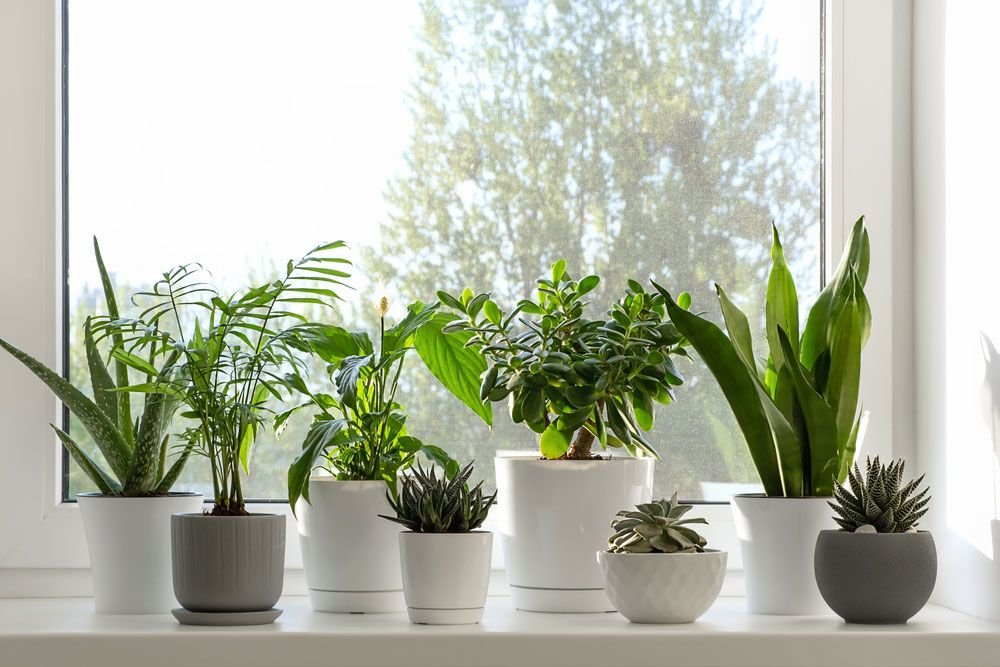
Most sensitive to sunburn (keep away from direct sun):
- Pothos
- Peace Lily
- Calathea / Maranta
- Ferns (Boston, Maidenhair)
- ZZ Plant
- Philodendron
- Chinese Evergreen
- Dracaena
Can handle more light but still burn in harsh direct sun:
- Monstera Deliciosa
- Rubber Plant (Ficus Elastica)
- Snake Plant (Sansevieria)
- Aloe Vera (needs bright light but burns in extreme heat)
- Spider Plant
Sun-lovers that rarely get sunburned indoors:
- Cacti
- Most succulents (though even these burn if moved too suddenly)
- Jade Plant
- Croton
Simple Prevention Steps to Avoid Future Sunburn
Fixing the damage is great. Preventing it from happening again is even better.
Use sheer curtains on bright windows. A thin curtain diffuses direct sunlight into soft, indirect light — perfect for most houseplants. It is one of the cheapest and most effective tools you can use.
Rotate plants every 1–2 weeks. This keeps growth even and prevents one side from getting too much exposure.
Adjust placement with the seasons. Reassess where your plants are sitting at least twice a year — once in spring when the sun starts getting stronger, and once in fall when light levels drop.
Never rush a light transition. If you want to move a plant to a brighter spot, do it gradually. Move it a foot or two closer to the window each week rather than jumping straight from a dark shelf to a sunny sill.
Avoid watering during peak sunlight hours. Water in the morning before direct sun hits your windows, or in the evening after it has passed.
FAQs About Sunburned Indoor Plants
Can sunburned leaves recover their green color? No. Once leaf tissue is damaged by heat and UV exposure, the chlorophyll in those cells is permanently destroyed. The leaf will not return to its green color. The plant will grow new leaves, but the burned ones remain damaged.
Should I cut off all the burned leaves at once? Only remove leaves that are more than 50% damaged. For leaves with minor burns at the tips or edges, simply trim off the affected part. Removing too many leaves at once can stress the plant further, as it needs leaves to photosynthesize and produce energy.
My succulent turned white — is that sunburn? Yes, it likely is. Succulents can turn white, silvery or light brown when sunburned. This commonly occurs when they are moved suddenly from a shaded spot to direct sun. Move the plant to bright indirect light and let it recover slowly.
Can I put my burned plant outside to recover? Only if the outdoor spot is fully shaded. Avoid putting a sunburned plant in any outdoor area that gets direct sun. The goal during recovery is gentle, consistent light — not more exposure.
How do I know if my plant is getting better? The clearest sign is new leaf growth. Look for small, tightly rolled new leaves appearing at the crown or along the stem. The new leaves will be healthy and green — a sign the plant has stabilized and is investing energy in fresh growth.
Does sunscreen work for plants? There are anti-transpirant sprays designed for plants that can reduce moisture loss and offer mild protection — but these are not standard for indoor use. For most home growers, moving the plant and using sheer curtains is far more practical.
Can grow lights cause sunburn too? Yes, they can. LED and fluorescent grow lights that are placed too close to a plant can cause light burn that looks very similar to sun damage. Keep grow lights at the manufacturer-recommended distance and start with shorter daily exposure if your plant is new to artificial lighting.
Wrapping It All Up
Sunburned plants are one of the most common problems indoor gardeners face — and one of the most fixable.
The key is acting fast. Move the plant, trim the damage, adjust your watering, and then give your plant the quiet, stable environment it needs to heal. Do not overthink it. Do not overdo it. Plants are resilient. They want to grow. Your job is simply to stop the problem and give them the right conditions to bounce back.
The burned leaves will not come back. But new, lush, healthy growth absolutely will — and when it does, there is nothing more satisfying for a plant parent to see.
Save this guide, bookmark it, share it with a fellow plant lover. And the next time you spot those pale, crispy patches on your favorite houseplant, you will know exactly what to do.