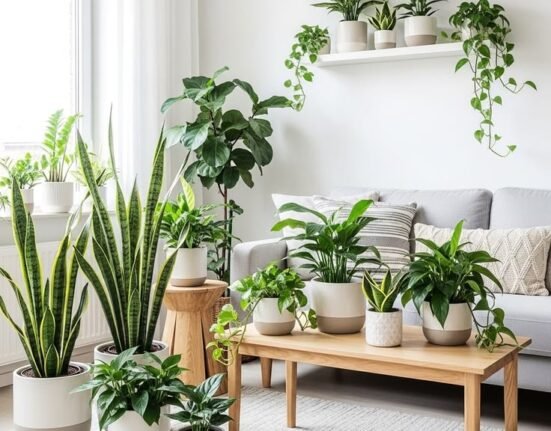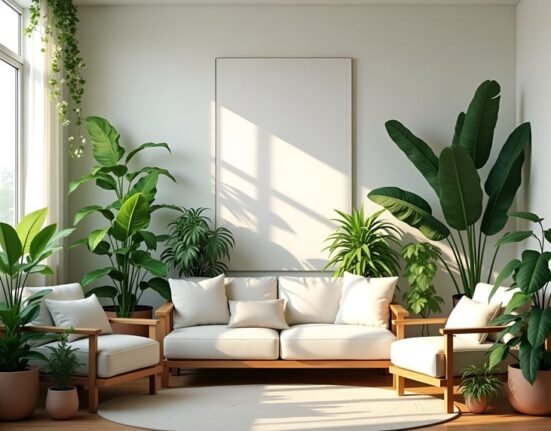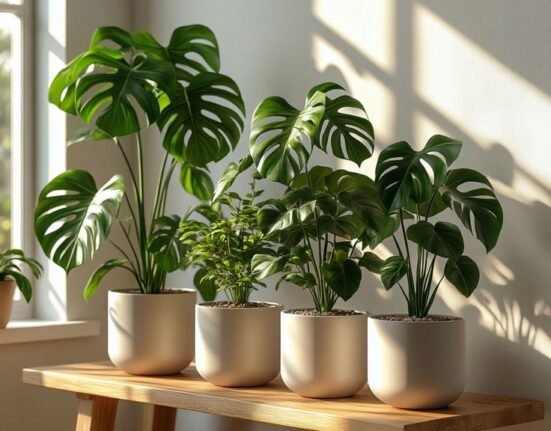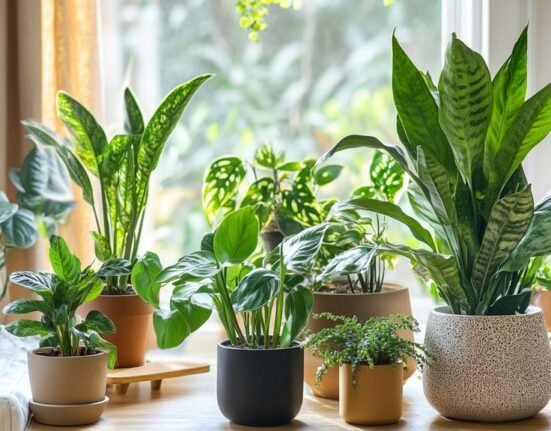
Why Plant Placement Deserves More Attention Than You Think
Before jumping into the placement ideas, it is worth knowing why placement is so important — particularly in small rooms.
Plants need three things to survive: light, water, and airflow. In small rooms, all three can be tricky. A plant placed in the wrong spot may get too much direct sun, too little light, or sit in a spot with zero air circulation.
Placement also affects how your room feels. A plant placed at eye level draws attention and creates a focal point. One tucked in a dark corner simply disappears. The right placement makes your room look larger, brighter, and more alive.
Good placement is also part of good plant care. This is why indoor plants care guides almost always start with location before discussing watering schedules or soil types.
9 Smart Placement Ideas for Small Rooms
1. Go Vertical With Wall-Mounted Planters
Floor space is gold in a small room. So stop thinking horizontally and start thinking up.
Wall-mounted planters are one of the best space-saving tricks available. You can attach small pots directly to the wall using hooks, brackets, or even pegboards. This keeps your floor clear while adding a gorgeous green wall effect.
Best plants for wall mounting:
| Plant Name | Light Needed | Watering Frequency |
|---|---|---|
| Pothos | Low to medium | Once a week |
| String of Pearls | Bright indirect | Every 10–14 days |
| Air Plants (Tillandsia) | Bright indirect | Mist 2–3 times per week |
| Small Ferns | Medium | Every 5–7 days |
Wall planters work best near windows or well-lit walls. Avoid mounting them in windowless areas unless you are adding a grow light.
Pro tip: Use a single row of matching wall pots for a clean, modern look. Mix pot sizes for a more natural, eclectic vibe.
2. Keep Plants on Floating Shelves
Floating shelves do double duty — they hold your books, candles, and decorations and they are perfect for small potted plants.
When you add plants to a floating shelf, the room instantly looks much more refined and intentional. It is one of those tricks that makes a space look like it came straight out of a magazine.
You can dedicate an entire shelf to plants, or mix plants with other décor items. Either way, the key is to think about light. Place shelves closer to the window if your plants need bright light. For low-light varieties like pothos or ZZ plants, shelves a bit further from the window work fine.
Height tip: Place larger, bushy plants on lower shelves and let trailing plants (like ivy or string of pearls) hang off the higher shelves so they cascade down naturally. This creates a beautiful layered effect without using any extra floor space.
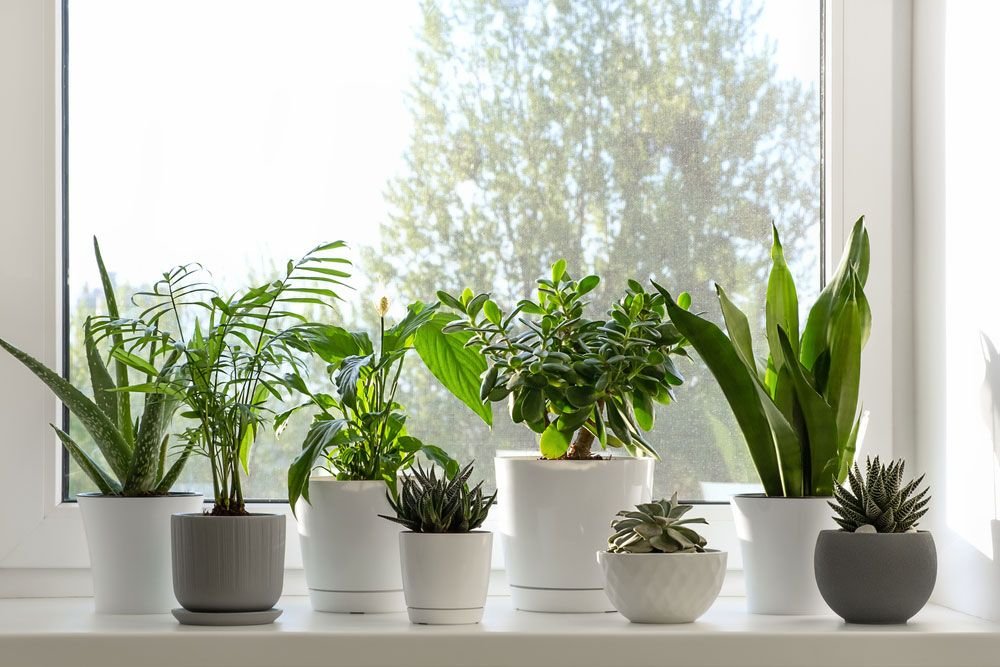
3. Plant the Windowsill Like a Mini Garden
Your windowsill is one of the most underrated spots in any small room. It gets natural light, it stays out of the way, and it adds instant charm to any window.
The trick is choosing the right plants for your specific windowsill. A south-facing windowsill gets strong, direct sun — perfect for succulents, cacti, and herbs. A north-facing windowsill receives very little direct light, so you will want low-light plants like snake plants or pothos.
Windowsill plant guide by direction:
| Window Direction | Light Type | Best Plants |
|---|---|---|
| South-facing | Bright, direct | Succulents, cacti, herbs |
| East-facing | Gentle morning sun | Pothos, peace lily, spider plant |
| West-facing | Warm afternoon sun | Aloe vera, small ferns, tradescantia |
| North-facing | Low, indirect | Snake plant, ZZ plant, cast iron plant |
Keep windowsill pots small and lightweight. Terracotta pots look great and help with drainage. Avoid oversized pots that block your view or make the windowsill feel crowded.
4. Hang Plants From the Ceiling
Hanging plants are a game-changer for small spaces. When you suspend a plant from the ceiling, it draws the eye upward — which actually makes the room feel taller and more spacious.
Macramé hangers are very popular right now, and for good reason. They look beautiful, they are affordable, and they work with almost any interior style. You can also use simple ceiling hooks with a basic rope or chain.
Top plants for hanging:
- Pothos — fast-growing, low maintenance, trails beautifully
- Spider Plant — produces cute little baby plants that dangle down
- Boston Fern — lush and full, loves humidity
- Heartleaf Philodendron — tolerates low light and grows quickly
- String of Nickels — unusual and eye-catching
Make sure your ceiling hook is secured into a stud or wall anchor. A plant pot with moist soil can be heavier than it looks, and you do not want it falling down.
Also remember: hanging plants dry out faster because they get more airflow. Check the soil more frequently and water accordingly.
5. Try a Plant Ladder or Tiered Stand
A plant ladder is exactly what it sounds like — a ladder-shaped stand where each rung holds a plant. It is tall, narrow, and holds multiple plants without taking up much floor space.
This is one of the smartest ideas in any indoor plants care guide because it lets you grow a collection of plants in just a few square feet of floor space.
You can buy plant ladders at most home stores, or even build one yourself with wood and a bit of DIY creativity. Lean it against a wall near a window for best results.
How to style a plant ladder:
Place taller, bushy plants on the lower rungs and let trailing plants hang off the higher rungs. Put your most eye-catching plant — maybe one with colorful leaves or an unusual shape — at eye level to make it a focal point.
A tiered plant stand works on the same principle. It holds 3–5 plants in a compact, vertical format. Great for corners and small balconies too.
6. Tuck Plants Into Empty Corners
Every small room has at least one empty corner. Instead of letting it collect dust, turn it into a plant moment.
Corner placement works especially well for taller, floor-standing plants. A tall snake plant, a rubber tree, or a monstera in a corner becomes an instant statement piece. It fills dead space and adds life to a spot that would otherwise be ignored.
Best floor plants for corners:
| Plant | Height | Light Needs | Care Level |
|---|---|---|---|
| Snake Plant | Up to 4 feet | Low to bright indirect | Very easy |
| Monstera Deliciosa | 3–8 feet indoors | Bright indirect | Moderate |
| Rubber Tree | Up to 6 feet | Bright indirect | Easy |
| Fiddle Leaf Fig | 3–6 feet | Bright indirect | Moderate |
| Bird of Paradise | Up to 6 feet | Bright direct/indirect | Moderate |
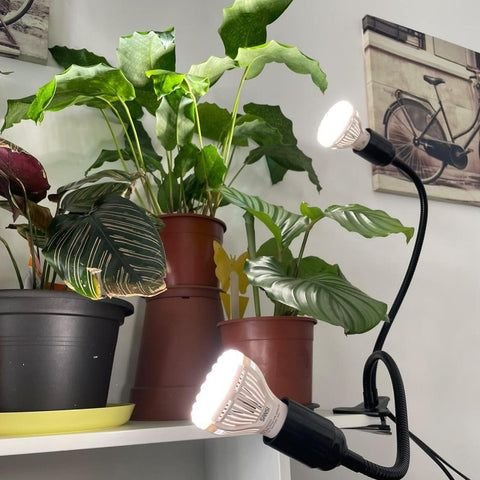
If the corner is dark, do not force a sun-loving plant there. Stick to low-light champions like snake plants or ZZ plants. Or add a simple grow light above the plant to supplement natural light.
7. Place Small Plants on Desks and Nightstands
Small rooms often have a desk, nightstand, or bedside table. These surfaces are perfect for tiny plants that do not need much space but still bring a lot of personality to the room.
A small succulent on your desk can actually improve your focus and mood while you work or study. Research has shown that having plants nearby reduces stress and increases productivity — something every student and remote worker can appreciate. According to a study published by the American Psychological Association, exposure to plants and nature can meaningfully reduce stress and boost overall wellbeing.
Best tiny plants for desks and nightstands:
- Mini succulents — barely need watering, come in dozens of shapes
- Cacti — nearly indestructible, great for forgetful waterers
- Baby rubber plant (Peperomia) — compact, glossy leaves, very low maintenance
- Lucky bamboo — grows in water, no soil needed
- Air plants — no pot needed, just mist them occasionally
Keep the pot small — around 2 to 4 inches in diameter. Anything bigger starts to crowd the surface and makes the room feel cluttered.
8. Create a Window Box on Interior Sills or Ledges
Window boxes are not just for the outside of homes. You can use a long, shallow planter box along an interior windowsill or ledge to create a mini indoor garden that looks absolutely stunning.
This works especially well in kitchens or small dining nooks where you want greenery without giving up counter space. A window box of fresh herbs — basil, mint, rosemary, and chives — is both beautiful and practical.
Herbs that thrive in indoor window boxes:
| Herb | Sun Needed | Watering | Bonus |
|---|---|---|---|
| Basil | 6+ hours of sun | Every 2–3 days | Great for cooking |
| Mint | Partial sun | Every 2–3 days | Repels insects |
| Rosemary | Full sun | Once a week | Low maintenance |
| Chives | Partial to full sun | Every 3–4 days | Grows back quickly |
| Thyme | Full sun | Once a week | Drought tolerant |
Use a box with drainage holes and place a tray underneath to catch water. Rotate your herbs every few days so all sides get equal light exposure.
9. Use Furniture Tops and Bookshelf Gaps
In a small room, nearly every flat surface is fair game. The top of a bookshelf, a dresser, a TV stand, or even a filing cabinet can host a plant.
The key is choosing plants that will not need frequent attention up high. You do not want to drag a ladder over every time you need to water something. Go for drought-tolerant options or self-watering pots for elevated spots.
Trailing plants look amazing on top of bookshelves. As they grow, the vines naturally drape down the sides, creating a very natural, organic look. Pothos and philodendrons are perfect for this.
You can also tuck small plants into the gaps between books on a bookshelf. A tiny succulent or a small air plant nestled between a stack of novels adds charm without interfering with the shelf’s function.
Quick Comparison: Placement Ideas at a Glance
| Placement Idea | Space Used | Best For | Light Needed |
|---|---|---|---|
| Wall-mounted planters | Zero floor space | Small walls, hallways | Medium to bright |
| Floating shelves | Zero floor space | Any room | Adjustable |
| Windowsill | Zero floor space | Sun-loving plants | Direct to indirect |
| Ceiling hangers | Zero floor space | Trailing plants | Medium to bright |
| Plant ladder | Small footprint | Collections | Near window |
| Corner floor plants | Corner space | Statement plants | Low to bright |
| Desk & nightstand | Small surface | Tiny plants | Any |
| Window box | Windowsill | Herbs, small plants | Bright |
| Bookshelf tops | Top surface | Trailing, drought-tolerant | Low to medium |
Caring for Plants in Small Rooms: Key Things to Keep in Mind
Placement is only the first step. Once your plants are in their new spots, keeping them healthy in a small room takes a little extra thought.
Watch out for heat sources. Small rooms tend to heat up quickly, particularly in summer. Keep plants away from radiators, heating vents, and electronics that give off heat. Excess heat dries out soil fast and stresses plants.
Air circulation matters. Stagnant air encourages mold, fungus gnats, and pests. Occasionally open a window or run a small fan nearby to keep air moving gently. Do not blast plants with cold drafts, however.
Rotate regularly. Plants grow toward light. In small rooms, they may lean heavily toward a window and become lopsided. Give each plant a quarter turn every week or two so all sides get equal light exposure.
Group plants together when possible. Plants release moisture through their leaves in a process called transpiration. When you cluster plants together, they create their own little humid microclimate — which most houseplants love. This is especially helpful in dry, heated rooms in winter.
Don’t overwater. This is the number one killer of indoor plants, particularly in small rooms where airflow is limited. Always check the soil before watering. Stick your finger about an inch deep — if it is still moist, wait another day or two.
FAQs About Indoor Plants in Small Rooms
Q: What are the best low-maintenance plants for small rooms? Snake plants, pothos, ZZ plants, and succulents are all great choices. They tolerate low light, do not need frequent watering, and stay compact enough for tight spaces.
Q: Can I keep plants in a room with no windows? It is possible but challenging. You will need to use full-spectrum grow lights to give plants the light they need. Choose the most shade-tolerant species, like ZZ plants or cast iron plants, and supplement with a good grow light for at least 12–16 hours a day.
Q: How do I stop my small room from smelling musty because of plant soil? Make sure your pots have drainage holes and you are not overwatering. Soggy soil is the main cause of that musty smell. Let the topsoil dry out between waterings, and add a thin layer of gravel on top of the soil to improve airflow around the surface.
Q: How many plants are too many for a small room? There is no strict rule, but the room should still feel livable and not like a jungle (unless that is your thing!). A good starting point is 5–10 plants placed strategically. Avoid blocking walking paths or covering windows completely.
Q: Do indoor plants actually improve air quality in small rooms? Plants do absorb some carbon dioxide and release oxygen, and certain species can filter small amounts of common toxins. However, the effect in a typical room is modest. The bigger benefit is psychological — plants reduce stress and make spaces feel more comfortable and welcoming.
Q: What is the easiest way to water hanging plants without making a mess? Use a small watering can with a long, narrow spout for better control. Water slowly and stop as soon as you see water about to drip. You can also take hanging plants down, water them in the sink, let them drain fully, and then rehang them. Self-watering hanging pots are another great option.
Q: Are there any plants that are bad for small bedrooms? Most common houseplants are perfectly safe for bedrooms. However, some plants like snake plants and pothos are technically mildly toxic to pets and young children, so keep that in mind if you have animals or toddlers. Also avoid heavily scented flowering plants in bedrooms if you are sensitive to strong smells at night.
Wrapping It All Up
Small rooms do not need to feel bare and boring. With the right plants and the right placement, even the tiniest space can feel warm, alive, and full of personality.
The 9 ideas in this indoor plants care guide — from wall-mounted planters to corner floor plants to desktop succulents — give you plenty of options no matter how much (or how little) space you are working with. The best part? Most of these setups cost very little to put together and make a huge visual difference.
Start small. Pick one or two spots from this list, choose a plant that suits the light in that area, and give it a few weeks. Once you see how much a plant transforms a room, you will probably want to keep going.
Green spaces are not only for people with big homes. They belong to anyone willing to look up, think creatively, and find room where others see none.