Indoor Plants Care Guides: 12 Easy Feeding Mistakes to Avoid
Feeding indoor plants seems straightforward at first glance. You buy a bottle of plant food, mix it up, pour it on, and expect lush growth in return. But after years of tending to everything from pothos vines trailing across bookshelves to fiddle-leaf figs that demand their own spotlight, I’ve learned that feeding mistakes sneak up quietly and cause more trouble than almost any other care step. The thing about houseplants is they’re confined to pots with limited soil, so what you add—or don’t add—has an outsized impact. Overdo it, and roots get scorched; ignore it, and leaves pale out. Here are twelve common feeding slip-ups I’ve seen (and made myself) that are surprisingly easy to avoid once you know what to watch for.
The first mistake people make is assuming more fertilizer means faster, bigger growth. It’s tempting to think if a little helps, a lot will transform that leggy monstera into something magazine-worthy overnight. But fertilizers contain salts—nitrogen, phosphorus, potassium, and micronutrients all bound up in forms that dissolve into soluble salts. When you apply too much, those salts build up in the soil instead of being used up. Roots can’t pull in water properly because the concentration outside the roots is higher than inside, basically dehydrating the plant from the inside out. You’ll notice brown, crispy tips on leaves first, then yellowing starting at the lower leaves, wilting even when the soil feels moist, and sometimes a white crusty buildup on the soil surface or around the pot rim. I’ve had this happen to a peace lily that looked perfect one week and then suddenly had blackened roots the next. The fix is almost always to flush the soil thoroughly with plain water—run water through until it drains clear—and then hold off on any more feeding for a month or two. In bad cases, repotting into fresh mix helps reset things.
A close cousin to over-fertilizing is doing it too frequently. Many folks get into a routine of feeding every week or every watering because the bottle says “apply monthly” but they figure more often can’t hurt. During peak growing season in spring and summer, monthly is usually plenty for most tropical houseplants, but weekly weak applications work too if you cut the dose way down. The problem comes when you stick to that schedule year-round. Come fall and winter, most indoor plants slow way down or go dormant because light levels drop and days shorten. Pushing fertilizer then is like forcing a napper to run a marathon—unused nutrients just accumulate and cause the same salt buildup issues. I once kept feeding my snake plants through December because they looked fine, only to see tip burn start in January. Now I stop completely from November through February for low-light lovers like ZZ plants, sansevierias, and even pothos unless they’re under strong grow lights.
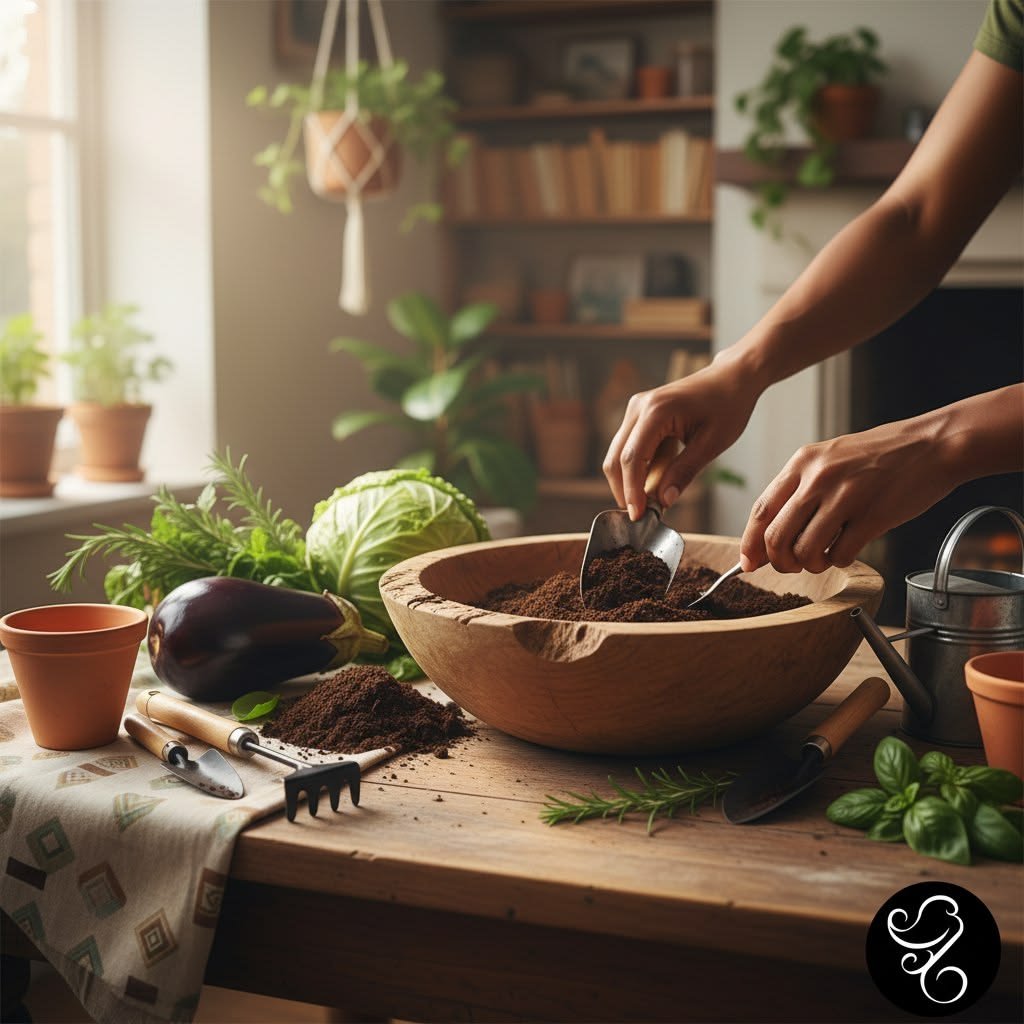
Using the wrong type of fertilizer ranks high on the list too. Not all plant food is created equal, and grabbing whatever is cheapest at the store can backfire. A high-nitrogen formula great for leafy outdoor annuals might push tons of foliage on your philodendron but delay blooms on something like an African violet or anthurium that needs more balanced phosphorus. Bloom boosters with high middle numbers (like 10-30-20) are fine for flowering plants but can cause leggy, weak growth if used on foliage-focused ones. Organic options like fish emulsion or worm castings release slowly and are gentler, while synthetic liquids hit fast and hard. The key is matching the N-P-K ratio to what your plant actually wants—leafy types lean toward higher nitrogen (first number), bloomers toward phosphorus (middle). I’ve switched most of my collection to a balanced 20-20-20 diluted heavily, and it works across the board without surprises.
Another easy error is not reading—or following—the label instructions. Bottles give specific dilution rates for a reason. “1 teaspoon per gallon” sounds weak, but for houseplants in small pots, it’s often still too strong. A lot of experienced growers halve the recommended dose as standard practice, especially for sensitive types like ferns or calatheas. I started doing this after losing a maidenhair fern to what I thought was careful feeding. The label said monthly; I did half-strength but still too often, and it browned out. Now I err on the side of weaker solutions and watch how the plant responds before increasing.
Feeding a stressed or sick plant is another trap. If your plant is dropping leaves from overwatering, underwatering, pests, or low light, adding fertilizer rarely helps and usually worsens things. Roots damaged by rot can’t take up nutrients anyway, so you’re just adding more salts to an already compromised system. The rule is simple: fix the underlying issue first, wait for new growth to appear, then resume feeding. I learned this the hard way with a rubber plant that had scale insects—I fertilized thinking it needed a boost, but the stress amplified, and half the leaves yellowed off before I got the pests under control.
Applying fertilizer to dry soil is a quick way to cause root burn. Dry potting mix doesn’t distribute the solution evenly, so fertilizer concentrates in pockets around roots, scorching them directly. Always water the plant normally first, let it drain a bit so it’s evenly moist, then apply the diluted feed. This ensures even uptake and prevents hot spots. I’ve made it a habit to water, wait an hour, then fertilize if it’s feeding day.
Ignoring seasonal changes ties into frequency but deserves its own mention. Plants don’t grow uniformly all year indoors. Spring brings longer days and warmer temps, kicking growth into gear—perfect time to start feeding. By midsummer, they’re in full swing. But as fall approaches, dial back. Winter dormancy means minimal or no feeding for most. Exceptions exist—like succulents under grow lights or tropicals in bright sunrooms—but for average home conditions, pausing in winter prevents buildup. My monstera deliciosa gets fed every three to four weeks from March through September, then nothing until new leaves emerge in spring.
Choosing slow-release versus liquid without thinking about your setup matters too. Slow-release granules or spikes are convenient—you mix them in at repotting and forget for months. But in small pots or with heavy-watering plants, they can release unevenly or too much at once if the soil stays constantly moist. Liquids give more control because you adjust dose and timing. I prefer liquids for most of my collection now because I can tweak based on how each plant looks, but slow-release works well for low-maintenance ones like dracaenas or ZZ plants that I don’t want to fuss over monthly.
Forgetting micronutrients is subtler but real. Basic N-P-K covers the big three, but plants need iron, magnesium, calcium, and others in tiny amounts. Over time in the same pot, these deplete, especially if you’re using plain tap water or RO water without remineralizing. Yellowing between veins (interveinal chlorosis) often points to magnesium or iron shortage, not always nitrogen. Epsom salts (magnesium sulfate) dissolved weakly once a month or a complete micro-supplement helps prevent this. I add a pinch of Epsom to my watering can occasionally, and it keeps older leaves greener longer on things like citrus or gardenias indoors.
Mixing different fertilizers haphazardly creates imbalances. Some people alternate organic and synthetic, or add bone meal here and fish emulsion there, without tracking totals. You can end up with excess of one element blocking uptake of another—like too much potassium locking out magnesium. Stick to one main fertilizer and supplement only if you see specific deficiency signs. Consistency keeps things predictable.
Not flushing the soil periodically lets salts accumulate even with careful dosing. Every few months, especially if you use tap water with minerals or fertilize regularly, run plain water through the pot until it flows out the bottom freely. This leaches excess salts and resets the medium. I do this every three to four months for most plants, more often if I notice crust or tip burn starting.
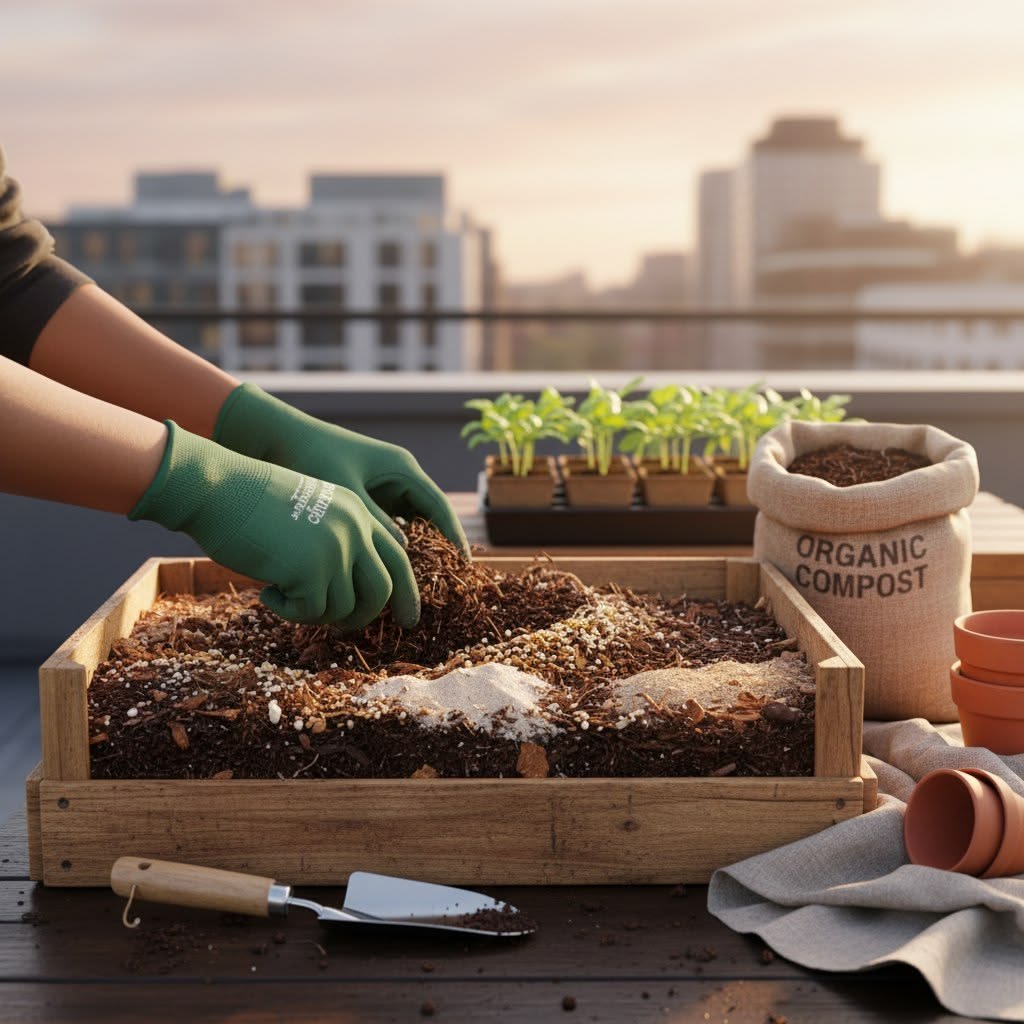
Finally, neglecting to match feeding to the plant’s life stage or type rounds out the dozen. Seedlings and young plants need lighter feeding than mature ones. Succulents and cacti want far less than tropical aroids. Carnivorous plants like Venus flytraps often need none at all in good peat-based mixes. Researching specifics prevents generic approaches from causing issues. For example, my hoyas get half-strength feed only during active vine growth, while peace lilies get more consistent doses because they push new leaves year-round in good conditions.
Avoiding these mistakes doesn’t require fancy equipment or constant monitoring—just observation and restraint. Start weak, go slow, watch for changes, and adjust. Your plants will reward you with steady, healthy growth rather than dramatic ups and downs. Over time, feeding becomes less of a chore and more of an intuitive part of the routine, like noticing when a plant needs a turn toward the window. Keep it simple, and the greenery stays happy.