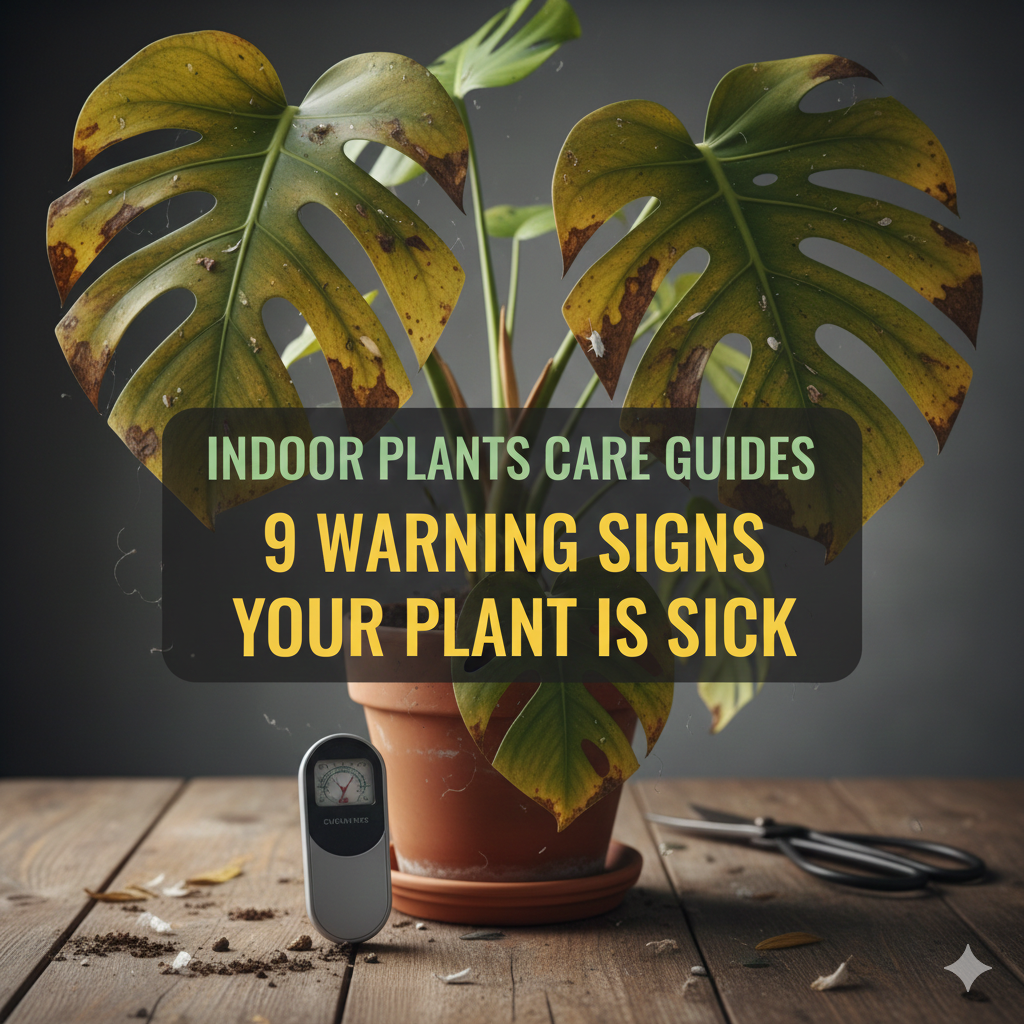
9 Warning Signs Your Plant Is Sick
You water your plant. You give it sunlight. You even speak to it, at times.
But one day, you step over, and something seems … not quite right.
Possibly there are yellow leaves. Or they might be droopy even though you just watered them. Or perhaps there are little bugs working their way through the soil.
The fact is, plants cannot speak. But they absolutely communicate. Every change in color, every wilted and yellow leaf, every odd spot — that’s your plant speaking to you.
This guide is here to help you make sense of those messages.
Whether you’re a beginner plant parent or an experienced gardener who’s had a green thumb for years, these 9 red flags will help you catch problems early — and actually fix them before it’s too late.
Why the Look of Your Plant Matters
There is a look that healthy plants have. Firm, vibrant leaves. Strong stems. Rich, moist (but not wet) soil.
When something inside the plant goes awry — whether a disease takes hold, pests multiply, or it gets too much or too little water or light — it nearly always manifests itself first on the outside.
Which is part of the reason why observing how your plant looks each day is one of the best things you can do for it.
You don’t need fancy tools. All you require is your eyes, and this guide.
The 9 Warning Signs Your Plant Is Sick
Warning Sign #1: Yellow Leaves That Will Not Quit
Yellow leaves are the most frequent cry for help from plants.
One or two yellow leaves, now and again? That’s normal. Plants naturally shed older leaves.
But if the yellowing is rapidly spreading, impacting new growth, or enveloping most of the plant, then something is not right.
What’s causing it?
| Cause | What It Looks Like |
|---|---|
| Overwatering | Yellowing from the bottom up; soil is consistently wet |
| Underwatering | Leaves become yellow and feel crispy or paper-thin |
| Nutrient deficiencies | Yellow between leaf veins (green veins, with yellow in between) |
| Not enough light | Pale yellow color, slow growth, stringy stems |
| Root rot | Softening of tissue accompanied by a soft, mushy stem |
How to fix it:
Start by checking the soil. Put your finger in about an inch. Is it soggy? Dry it out before watering again. Is it bone dry? Give it a good drink.
If the soil is fine, move the plant to a brighter spot or give it a meal of balanced liquid fertilizer.
Warning Sign #2: Drooping or Wilting Leaves
Your immediate reaction when you see drooping leaves may be to give your plant water. Sometimes that’s right. But in some cases, it’s doing the exact opposite of what you should be doing.
Both overwatering and underwatering cause drooping. That’s what makes this tricky.
A quick method for telling the two apart:
- Underwatered plant: Soil is dry, leaves feel soft and light, pot is very lightweight
- Overwatered plant: Soil is moist, leaves feel soft and mushy to touch, pot feels heavy
But there is another reason that people tend to overlook — heat stress. If your plant is sitting by a heating vent, in a drafty window, or getting direct afternoon sun, it can wilt even when the watering is just right.
Move it to a stable, comfortable place. Most indoor plants prefer even temperatures between 60°F and 75°F (15°C–24°C).
Warning Sign #3: Brown Edges and Tips on the Leaves
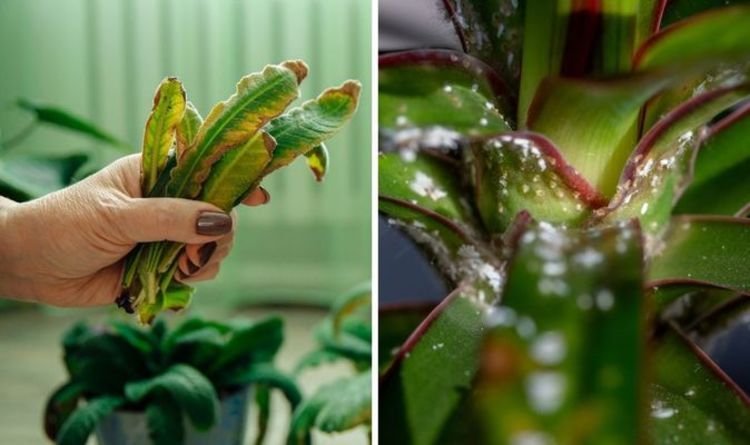
Brown tips are nearly always about moisture — but not necessarily in the soil.
The number-one cause of brown leaf tips is low humidity.
Many common houseplants (pothos, peace lilies, ferns, calatheas) are originally from tropical settings. They adore the air’s moisture. When your home is too dry, the edges of the leaf start to crisp and turn brown.
Other causes of brown tips:
- Excessive fertilizer — buildup of salt burns the roots and appears as brown tips
- Fluoride in tap water — some plants are sensitive to fluoride and chlorine
- Inconsistent watering — going from bone dry to completely drenched stresses out the plant
Quick fixes:
Mist your plant once or twice a week. Place a small humidifier nearby. Or place the pot on a tray covered with pebbles and water — as the water evaporates, it creates humidity around the plant.
If you believe fertilizer buildup is the problem, flush the soil with water a few times to rinse out excess salts.
Warning Sign #4: Spots on the Leaves
Not all spots are equal. The color, shape, and location of spots on leaves can be clues to very different issues.
Spot color guide:
| Spot Type | Likely Cause |
|---|---|
| Brown, dried-out circular spots | Fungal disease or sunburn |
| Yellow spots with fuzzy grey/white coating | Powdery mildew or fungal infection |
| Dark brown/black soft spots | Bacterial infection or overwatering |
| Small yellow speckling all over | Spider mite damage |
| White or silver streaks | Thrips feeding damage |
Fungal infections are the most frequent. They flourish in damp, poorly ventilated environments. If you see circular brown spots with a yellow ring around them, that’s generally fungal.
Remove affected leaves right away. Do not let them sit in the soil or on a nearby surface. Increase the ventilation around your plant and take care not to get water on the leaves when you water.
For more severe fungal infections, a diluted neem oil spray can be an effective natural remedy.
Warning Sign #5: Leggy, Stretched-Out Growth
Does your plant seem desperate to reach something? Long, stretched stems with plenty of space between the leaves?
That’s called etiolation — and it’s a sign that your plant isn’t getting enough light.
For plants, light is necessary to power photosynthesis. When they don’t get enough, they reach out for more. The result is weak, spindly growth that looks far less like a healthy plant.
What to do:
Relocate your plant nearer to a window. Windows that face south and east generally provide the most natural light for houseplants.
If you’re short on natural light in your place, invest in a grow light. Even a simple LED grow light placed a few inches above the plant can have a great effect.
You can also trim back the straggly growth. This encourages the plant to push out new, fuller growth — especially when combined with better light.
Warning Sign #6: Soft, Mushy Stems at the Base
This is one of the darkest warning signs on this list.
Soft, mushy, or black stems near the soil line almost always point to root rot — a condition caused by sitting in wet, waterlogged soil for too long.
Root rot is the result of infection by a water mold known as Phytophthora and other fungi, such as Pythium, which flourish in oversaturated soils. When it becomes established, it can take a plant out surprisingly quickly.
Signs of root rot:
- Stems are soft and slimy at the base
- The soil smells sour or rotten
- Leaves turn yellow and drop quickly
- When you pull the plant out, the roots look brown and mushy instead of white and firm
Can you save it?
Yes — if you catch it early enough.
Remove the plant from its pot. Shake off the old soil carefully. Clip off all brown, mushy roots with clean scissors or pruning shears. Let the remaining healthy roots air out for several hours.
Repot into fresh, well-draining soil. Water sparingly and keep it in a bright location. Do not water again until the top inch of soil has dried.
Warning Sign #7: Tiny Bugs, Webbing, or Sticky Residue
Examine your plant closely — including the undersides of leaves.
If you notice tiny bugs, fine webbing, white powder, or a sticky film on the leaves or nearby surfaces, you have a pest problem.
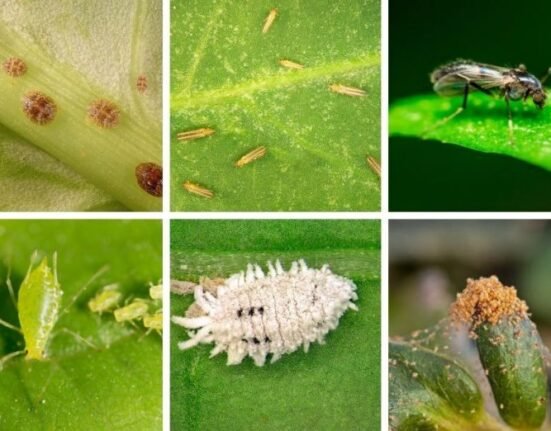
Common indoor plant pests:
| Pest | What to Look For | Favorite Plants |
|---|---|---|
| Spider mites | Tiny dots, fine webbing under leaves | Almost all plants |
| Mealybugs | White fluffy clusters in leaf joints | Succulents, ficuses |
| Scale insects | Brown bumps on stems | Citrus, ferns |
| Fungus gnats | Tiny flies hovering over soil | Any plant in moist soil |
| Aphids | Small green/black clusters on new growth | Herbs, soft-stemmed plants |
| Thrips | Silver streaks, distorted new leaves | Monstera, peace lily |
Sticky residue — called honeydew — is a good indicator of sap-sucking insects like aphids, mealybugs, or scale. They suck sap from the plant and secrete a sticky sweet substance that coats the leaves.
How to deal with pests:
Isolate the affected plant immediately. This is important to stop the pests from spreading to your other plants.
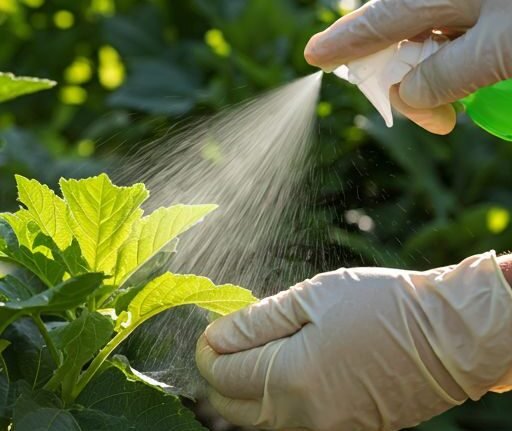
For the majority of insects, wiping down leaves with a damp cloth dipped in diluted dish soap works well. Neem oil spray is a great organic choice. For fungus gnats, let the soil dry out more between waterings — the larvae can’t survive in dry soil.
Warning Sign #8: Leaves Curling Inward or Outward
Leaf curling is the plant’s method of protecting itself. But which way the curl goes can give you plenty of information.
Curling inward (cupping): This is typically a sign of the plant being stressed from heat or not getting enough water. The leaves curl in to decrease the amount of leaf surface exposed to the air, which slows down water loss.
Check the soil. If it’s dry, water thoroughly. If watering does not resolve the problem within 24 hours, the plant may be positioned too near a heat source.
Curling outward or downward: This is usually a sign of overwatering, root damage, or pests. Look under the leaves for pests and check the roots for signs of rot.
One other culprit — too much fertilizer.
If you’ve been feeding your plant with a heavy hand, salt buildup in the soil may make it hard for the roots to absorb water, bringing about curled leaves despite seemingly moist soil.
Flush the soil with water and wait at least a month to fertilize.
Warning Sign #9: Leaves Dropping Without Warning
Healthy plants lose leaves gradually. But if your plant is suddenly shedding leaves — green, apparently healthy ones in particular — something has just changed in its environment.
The most likely culprits:
- A sudden shift: Plants are creatures of habit. When you relocate a plant from one location to another — particularly in winter, or after bringing it home from a store — it can experience leaf drop as it adjusts.
- Temperature shock: Sudden cold air from an open window, air conditioning, or a heating vent can lead to rapid leaf drop.
- Overwatering after a dry spell: Going from bone dry to too wet too quickly can shock the root system.
- Repotting stress: A few plants, such as ficuses, have a reputation for shedding leaves after they are repotted.
What to do:
Give the plant time. Usually, a sudden leaf drop following a change in conditions is temporary. Stop moving the plant. Keep it in stable conditions. Water consistently. After a few weeks, the majority of plants steady themselves and begin to push out new growth.
A Quick Reference Chart: Symptoms and What They Most Likely Mean
| Symptom | Most Likely Cause | First Step |
|---|---|---|
| Yellow leaves all over | Overwatered or lacking nutrients | Check soil moisture |
| Wilting despite moist soil | Root rot or heat stress | Inspect roots |
| Brown crispy tips | Low humidity or fertilizer burn | Mist or flush soil |
| Spotted leaves | Fungal infection or pests | Remove leaves, treat |
| Leggy growth | Not enough light | Move to brighter spot |
| Mushy base | Root rot | Repot with fresh soil |
| Sticky leaves and tiny bugs | Pest infestation | Isolate and treat |
| Curling leaves | Heat stress or water issue | Check soil and location |
| Sudden leaf drop | Environmental shock | Stabilize conditions |
How to Keep Your Plant in Good Shape Going Forward
Noticing a sick plant is one thing. Keeping it healthy long-term is another.
Here are a few easy habits that pack a big punch:
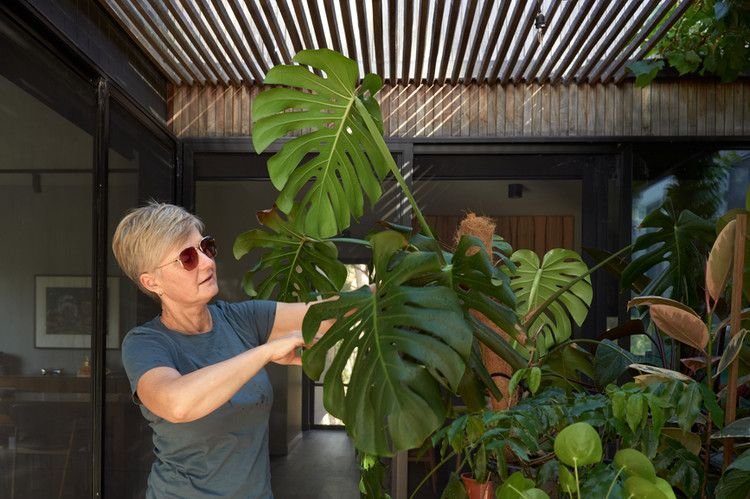
Check your plants weekly. Spend a few minutes each week looking closely at your plants. Flip the leaves. Check the soil. Note any changes in color, texture, or growth.
Water based on the soil, not a schedule. Most plant issues stem from watering on a rigid schedule without paying attention to whether the plant actually needs it. Always touch the soil first before watering.
Clean the leaves. Dusty leaves cannot capture light as effectively. Wipe them down gently with a damp cloth every few weeks.
Repot when necessary. When roots start to appear at the drainage holes or your plant tends to dry out within a day of watering, it’s time for a larger pot.
Quarantine new plants. Before adding a new plant to your collection, keep it separate for at least two weeks. This is also a pest control measure.
For more in-depth plant care tips, guides, and advice on keeping your indoor garden thriving, visit Indoor Plants Guide — a dedicated resource for plant lovers at every level.
FAQs: Indoor Plant Care and Signs of Sickness
Q: How do I tell if my plant is dying or just dormant? A: Look for any green, firm tissue. If the stems are green and even a bit bendy, the plant is probably simply under stress or in dormancy — not dead. Scratch a bit of the stem with your fingernail. If it’s green underneath, there is still life. If it’s brown and dry all the way through, you may not be able to save the plant.
Q: Can a plant survive root rot? A: Yes, but only if caught early. Trim off any mushy roots, allow the other roots to dry out, and repot in fresh soil. Avoid overwatering going forward. Some plants will bounce back completely; others that are beyond recovery may not survive.
Q: My plant looks fine in the morning but wilts by afternoon — why? A: This is a common indicator of heat stress, or excessive direct sun during the middle of the day. Place the plant a little further from the window or shade it with a sheer curtain.
Q: Is it safe to trim yellow leaves? A: Yes. A leaf that has turned yellow isn’t going to turn green again. Taking it off allows the plant to put all its energy into healthy growth. Use clean scissors and clip close to the stem.
Q: How frequently should I fertilize my houseplants? A: Once or twice a month with diluted liquid fertilizer during the growing season — that’s spring and summer. In the fall and winter, most plants are slowing down and need little to no fertilizer. According to the University of Minnesota Extension, feeding too much during dormancy can actually harm your plant.
Q: How do I get rid of fungus gnats? A: Let the soil dry more between waterings. Fungus gnat larvae live in moist soil and can’t survive when it dries out. You might also want to set yellow sticky traps near the pot to catch the adult gnats.
Q: The leaves of my plant have white powder on them — what is it? A: It sounds like powdery mildew, a fungal problem. Increase air circulation around the plant, cut back slightly on humidity, and treat with a diluted neem oil or baking soda spray. Remove badly affected leaves.
The Bottom Line
Your plant constantly has something to say.
Yellow leaves, mushy stems, curling tips, tiny bugs — none of those things just happen. When you know what to look for, you’re no longer guessing — you’re actually helping your plant get better.
The idea is not to be a perfect plant parent. It’s to be an observant one.
Check back with your plants often. Nip things in the bud as soon as they don’t seem right. And keep in mind that most plant problems can be fixed if you catch them early enough.
With proper care — and the indoor plants care knowledge imparted in this guide — you can help them flourish for years to come.