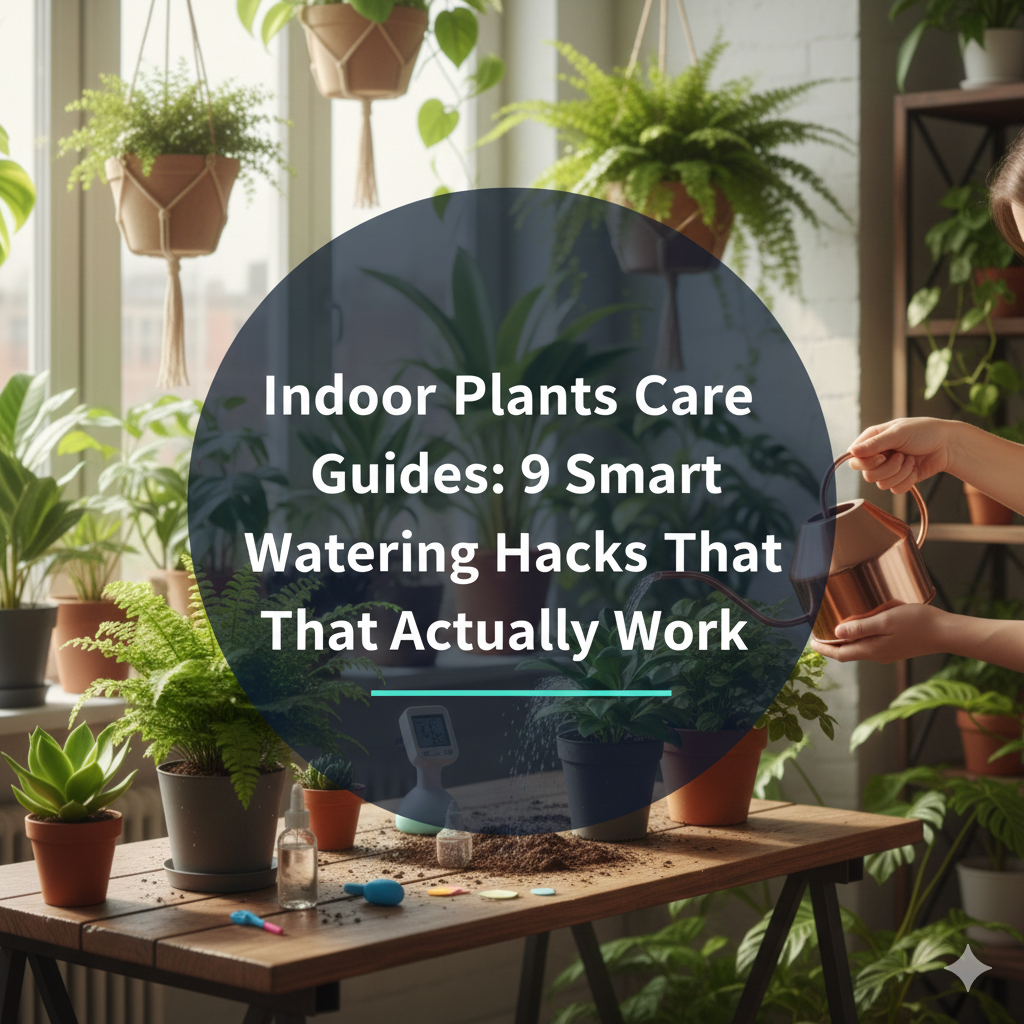
Indoor Plants Care Guide: 9 Clever Watering Hacks That Really Work
You love your plants. But somehow, they keep dying.
Sound familiar? You’re not alone. Most house plants do not succumb to negligence. They perish through excess love — that is, excess water. Or sometimes not enough. To strike the right balance is like finding the missing pieces of a puzzle.
This is precisely the reason why this guide exists.
It is among the most viable indoor plants care guides you can find online. No fluff. No complicated science. Only 9 smart watering tricks that real plant owners use to keep their green friends alive and healthy.
And no matter if you have a single small cactus on your windowsill or a complete jungle in your living room, you will be better at watering with these tips — and your plants will be glad you did.
Let’s dig in.
The #1 Skill Every Plant Owner Should Master Is Watering
Let’s talk about the importance of watering before getting to the hacks.
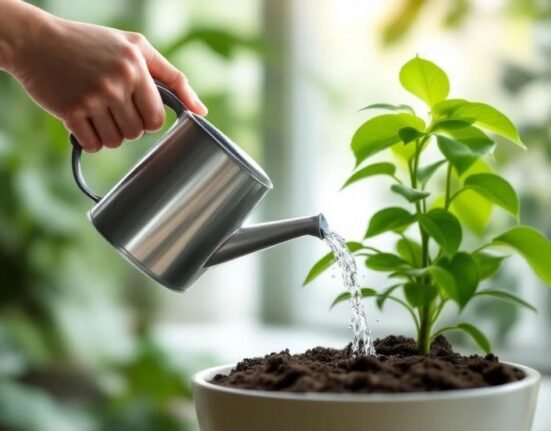
Plants are living things. They require water to live, just like human beings. However, the thing is — excessive watering of a plant is no better than underwatering.
When you overwater, the roots sit in wet soil. They can’t breathe. They start to rot. And once root rot gets in, it is extremely difficult to salvage the plant.
When you underwater, the plant shrinks up. Leaves roll, brown, and dry up. The plant becomes strained and feeble.
The sweet spot? That is what all indoor plants care guides attempt to show you.
Here’s a quick look at what happens with too much vs. too little water:
| Problem | Signs to Watch | What’s Happening |
|---|---|---|
| Overwatering | Yellow leaves, damp stems, fungus on soil | Roots are drowning |
| Underwatering | Crispy edges, drooping, dry soil | Plant is dehydrated |
| Perfect Watering | Green leaves, firm stems, moist (not soggy) soil | Plant is thriving |
Okay, now it is time to get down to business.
Hack #1 — Stick Your Finger in the Soil Before You Do Anything Else
This is the oldest trick in the book. And it still works better than any fancy gadget.
Before you water, push your finger about an inch into the soil. Sometimes two inches for bigger pots.
Here’s what to do based on what you feel:
- Dry and crumbly? Time to water.
- Slightly damp? Wait a day or two.
- Wet and cool? Don’t water. Walk away.
This method works for almost every common house plant. It’s free. It’s fast. And it eliminates all the guesswork.
Many beginners water on a time schedule — like every Sunday, regardless. That’s a mistake. Your plant does not care what day of the week it is. It cares about the dryness of its soil.
Make the finger test a daily routine. It takes three seconds and saves plant lives.
Hack #2 — Learn the Lift Test for Pots Without Drainage Holes
Not every pot has a hole at the bottom. And that makes it harder to know when to water.
Here’s a clever trick. Pick up the pot right after you water it. Feel how heavy it is. Then pick it up again a couple of days later.
Lighter pot = drier soil = time to water.
It sounds too simple. But it works. In the long run, your hands become a natural moisture meter. You begin to develop a feel for when your plant needs a drink.
This hack is particularly handy for decorative pots without drainage holes. Just watch out — pots without drainage holes require even less water since there is no place for extra water to go.
Hack #3 — Bottom Watering Changes Everything
Most people water from the top. They pour water on the soil and call it a day.
But bottom watering is a game-changer.
Here’s how it works. Place your plant pot (with a drainage hole) in a shallow tray or bowl of water. Let it sit for 20–30 minutes. The soil soaks up water from the bottom through the drainage hole.
Why is this better?
- The water reaches the roots directly
- The top layer of soil stays drier, which prevents mold and fungus gnats
- Roots grow deeper because they follow the moisture downward
- You avoid splashing water on leaves, which can cause spots or disease
This method is especially great for succulents, African violets, and snake plants.
After 30 minutes, lift the pot out and let any extra water drain away. Easy.
Hack #4 — Use a Moisture Meter and End the Guessing Game
If you want to level up your plant care routine, a moisture meter is worth every penny.
It is a simple tool — usually a stick with a dial or digital display. You push it into the soil, and it tells you exactly how wet or dry the soil is, usually on a scale from 1 to 10.
General guide:
| Moisture Level | Reading | What to Do |
|---|---|---|
| Dry | 1–3 | Water now |
| Moist | 4–6 | Check again in 2 days |
| Wet | 7–10 | Do not water yet |
Most moisture meters cost between $8 and $20. That’s less than what most people spend replacing dead plants.
Different plants like different levels. Cacti and succulents like readings around 1–2 before watering. Tropical plants like pothos or peace lilies prefer a reading of 3–4.
Keep a small sticky note on each pot with the ideal watering number. Over time, you won’t even need to check your notes.
Hack #5 — Rainwater and Filtered Water Make a Real Difference
Tap water seems harmless. But in most cities, tap water contains chlorine, fluoride, and other chemicals that can build up in the soil over time.
Some plants are hyper-sensitive to this. Spider plants, dracaenas, and peace lilies often develop brown leaf tips when watered with hard tap water. It’s not a disease. It’s a chemical reaction.
According to the Royal Horticultural Society, using collected rainwater is one of the best things you can do for your houseplants, as it is naturally soft and free from additives.
Simple fixes:
- Collect rainwater in a bucket and use it for your plants. Rainwater is naturally soft and slightly acidic — plants love it.
- Let tap water sit overnight in an open container. The chlorine evaporates on its own.
- Use a basic water filter if your tap water is very hard or heavily treated.
This one small change can make a visible difference in leaf color and overall plant health within just a few weeks.
Hack #6 — The Ice Cube Trick for Slow, Steady Watering
This hack sounds weird. But plant lovers swear by it.
Place a few ice cubes on top of the soil instead of pouring water. As the ice melts slowly, the soil absorbs water at a gentle, steady pace. This prevents overwatering because the soil has time to soak up each drop before more is added.
This works especially well for:
- Orchids (a very popular recommendation from orchid growers)
- Hanging plants that are hard to water without spilling
- Plants in pots without drainage holes
For a standard 6-inch pot orchid, about 3 ice cubes once a week is often enough.
Just make sure the ice does not touch the leaves or stems directly — very cold temperatures can shock tropical plants.
Hack #7 — Group Your Plants by Watering Needs
This is more of a lifestyle hack than a watering trick. But it saves a lot of time and mental energy.
Most people have a mix of plants that need water at different times. You end up going through each and every pot, every single day.
Instead, create groups of plants based on how often they need water.
Simple grouping system:
| Group | Plants | Watering Frequency |
|---|---|---|
| Thirsty Plants | Ferns, peace lilies, calatheas | Every 3–5 days |
| Middle Ground | Pothos, spider plants, rubber plants | Every 7–10 days |
| Drought Lovers | Cacti, succulents, ZZ plants | Every 14–30 days |
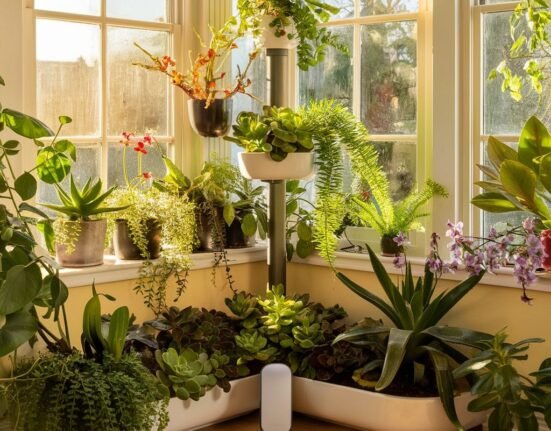
Store these groups in different parts of your home. When it is time to water, you go to one section, water those plants, and move on. No need to second-guess every single pot.
This is also helpful when you travel. You can tell a friend to only water the “thirsty” group while you’re gone. Much easier to explain.
Hack #8 — DIY Self-Watering Systems for When You’re Busy (or Forgetful)
Life gets busy. And plants do not care about your schedule.
Here are three simple self-watering tricks you can make at home with stuff you probably already have:
The Plastic Bottle Drip Method
Take an empty plastic water bottle. Fill it with water. Poke a small hole in the cap. Flip it upside down and push the cap into the soil.
Water slowly drips into the soil over several days. It is not perfect, but it does the trick.
The Cotton Wick Method
Take a piece of cotton rope or thick cotton string. Place one end deep in the soil of the plant pot. Place the other end in a jar of water sitting next to the plant.
Water travels up the wick through capillary action — the same way a paper towel absorbs a spill. The soil stays consistently moist without you doing a thing.
The Plastic Bag Greenhouse
For small plants, place the whole pot inside a clear plastic bag. Tie it loosely at the top. The moisture from the soil evaporates, hits the bag, and drips back down. It creates a mini water cycle.
This fits perfectly during vacations. Your plant can go up to two weeks without needing water this way.
Hack #9 — Watch the Leaves, Not Just the Soil
Your plant is always talking to you. The leaves are its way of sending messages.
Once you learn to read the signs, you will never have to guess about watering again. This is probably the most valuable skill covered in any indoor plants care guide — learning how to observe.
What your plant’s leaves are telling you:
| Leaf Sign | Possible Meaning | What to Do |
|---|---|---|
| Drooping/wilting | Thirsty OR overwatered | Check soil moisture first |
| Yellow leaves | Usually overwatered | Reduce watering frequency |
| Brown, crispy tips | Underwatered or dry air | Water more or mist leaves |
| Soft, mushy leaves | Root rot from overwatering | Let soil dry, check roots |
| Dark green, perky leaves | Happy and healthy | Keep doing what you’re doing |
Wilting can mean either too much or too little water — so always check the soil before reacting. A lot of beginners see a drooping plant and pour on as much water as possible. That is sometimes the worst thing you can do.
Take a minute. Check the soil. Then decide.
Seasonal Watering: Why Your Routine Should Change With the Weather
This is one of the things that most indoor plants care guides forget to mention.
The water requirements of your plant change with the seasons.
During spring and summer, plants prosper. They drink more water. Days are longer. Light is stronger. Evaporation happens faster.
During fall and winter, most plants slow down or go dormant. They barely grow. They need far less water. If you continue watering at the same rate, you would end up overwatering them without even knowing it.
Seasonal watering rule of thumb:
- Spring/Summer: Water when the top 1 inch of soil is dry
- Fall/Winter: Water when the top 2 inches of soil are dry
Reduce the amount of watering during winter by approximately 30–50%. This one change alone keeps off a mass of root rot during the colder months.
Moreover, indoor heating during winter dries out the air — drying out the soil more quickly than usual. Monitor your plants during this transition. Even during winter, when the house is very dry, they may require more watering than expected.
Common Watering Mistakes to Avoid Right Now
These mistakes creep up on plant owners even with the best intentions.
Using pots without drainage holes — Water accumulates at the bottom with no escape. Root rot follows. Always use pots with at least one drainage hole, or be extremely careful about how much you water.
Watering on a rigid schedule — Plants do not care about calendars. Water based on soil moisture, not the day of the week.
Watering leaves instead of soil — Water belongs in the soil, at the root level. Wet leaves invite disease and mold.
Using cold water — Very cold water can shock tropical plants. Use room-temperature water whenever possible.
Ignoring pot size — A plant in a large pot will require less frequent watering than the same plant in a small pot, because there is more soil to retain moisture.
FAQs About Indoor Plant Watering
Q: How do I know if I’m overwatering my plant? The most common signs are yellowing leaves, soft or mushy stems, and a sour or musty smell coming from the soil. If the soil feels wet several days after watering, you are probably overwatering.
Q: Can I use leftover drinking water for my plants? Yes! Leftover water from glasses or bottles is quite fine. Room-temperature water is actually preferable to cold water straight from the tap.
Q: Is it okay to water plants at night? It is generally better to water in the morning. Morning watering gives plants moisture during their active growing hours. Watering at night can leave the soil wet for too long and invite mold or fungus.
Q: How often should I water succulents? Most succulents need watering every 14–21 days in summer and even less in winter — sometimes once a month. Always let the soil dry out completely between waterings.
Q: Do plants need more water when they’re flowering? Usually yes. Flowering takes energy and moisture. During bloom periods, check your plant’s soil more frequently and water a little more than usual.
Q: What’s the best water temperature for houseplants? Room temperature water is ideal — around 65–75°F (18–24°C). Avoid using ice-cold water directly on tropical plants, as it can stress the roots.
Q: My plant looks healthy but the soil is always wet — should I be worried? Yes. Constantly wet soil is a warning sign even if the plant looks fine on the outside. Root rot can develop silently, and by the time leaves show symptoms, the damage is already severe. Let the soil dry out before watering again.
Wrapping It All Up
Plant watering does not have to be stressful.
It will be much easier once you stop approaching it like a chore and more like a conversation with your plants. You check the soil. You watch the leaves. You adjust with the seasons. And gradually, you begin to know just what each plant in your home requires.
The 9 hacks in this indoor plants care guide are not complex. They are practical, tested, and simple to begin using today — whether you are a complete beginner or someone who has been caring for plants for years.
Start with only one or two hacks this week. Try the finger test. Try bottom watering. See how your plants respond.
Plants are patient teachers. Pay attention, and they will reward you with many years of lush, green life.
Found this guide helpful? Share it with a plant-loving friend who could use some watering tips.