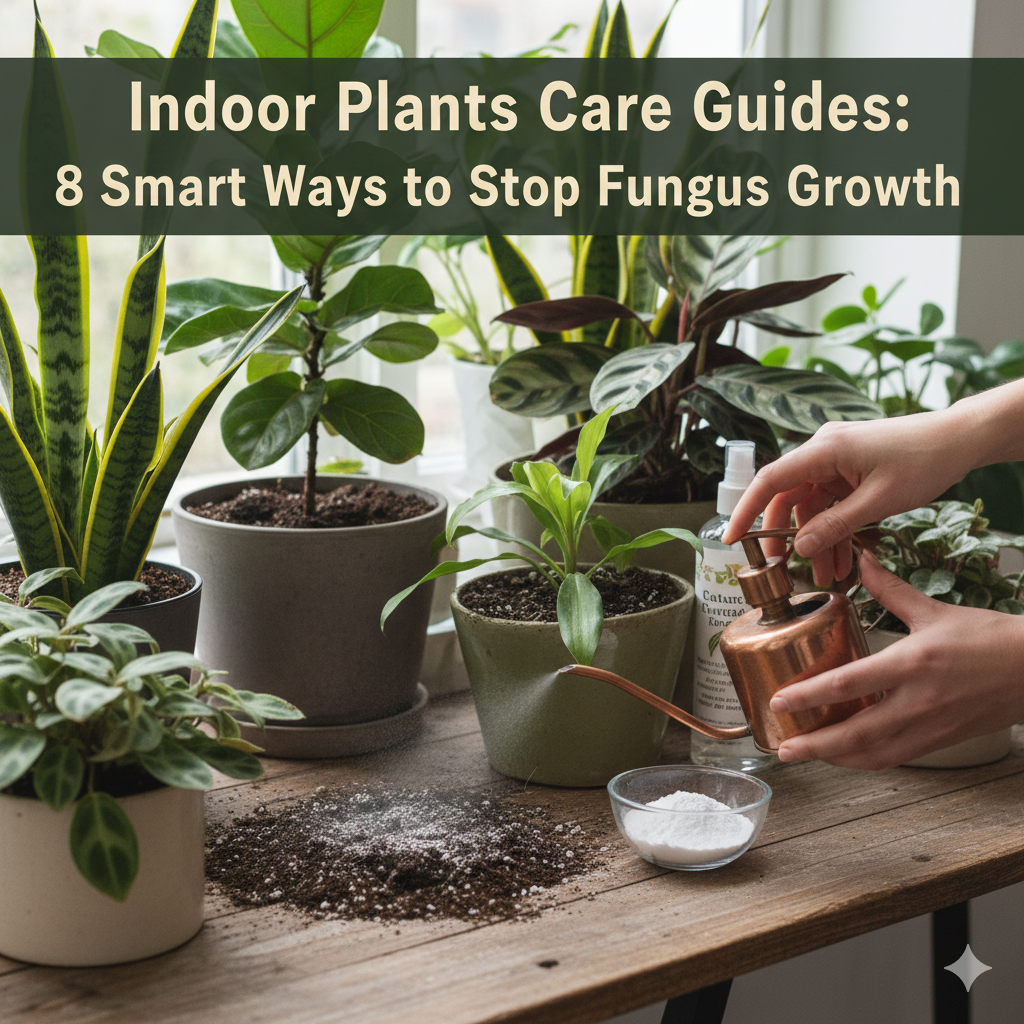
8 Clever Ways to Prevent Fungus From Growing on Your Houseplants
You bought a beautiful plant. You watered it. You gave it sunlight. And then — white powder on the leaves. Soggy, mushy roots. An odd smell in the soil.
Sound familiar?
Fungus is one of the worst enemies your indoor plant has to face. It jumps quickly to other plants, lingers in the soil, and will kill a healthy plant before you even know something is wrong.
The good news? You can stop it. And you don’t even have to be an expert on plants to pull it off.
This guideline takes you through 8 smart, real-world methods to avoid and stop fungus from growing on your indoor plants. Whether you’re a new plant parent or have been tending houseplants for years, these tips will help keep your green friends safe and thriving.
Let’s get into it.
What the Fungus Is Really Doing to Your Houseplants
Before we get to the fixes, it’s good to know what you’re actually dealing with.
Fungus is a kind of living thing that happens to grow in hot, swampy, dark conditions. Your indoor plant’s soil — especially if it has been overwatered — is essentially a fungus dream home.
Once it takes hold, fungi can:
- Rot the roots so that the plant cannot take in water or nutrients
- Coat leaves with powder or grey flock
- Lead to yellowing, wilting, and death
- Spread between nearby plants, either through the air or on shared tools
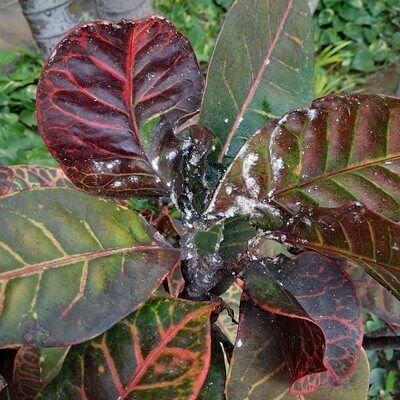
Some of the most prevalent species of fungi that cause damage to indoor plants are powdery mildew, root rot (Pythium or Phytophthora), gray mold (Botrytis), and sooty mold.
Recognizing Early Signs of a Fungal Infection
The sooner you catch the fungus, the better. Here’s what to watch for:
| Sign | What It Might Mean |
|---|---|
| White powdery coating on leaves | Powdery mildew |
| Soft, mushy brown roots | Root rot |
| Fuzzy gray or white mold on soil | Botrytis or soil fungus |
| Yellow leaves that drop suddenly | Fungal root damage |
| Dark, sooty coating on leaves | Sooty mold |
| Foul smell from the pot | Advanced root rot |
Look at your plants at least weekly. Turn the leaves over. Look at the base of the stem. Smell the soil occasionally. The earlier you find it, the greater your chances of saving your plant.
Way #1 — Quit Overwatering (This Is the #1 Reason)
Let’s cut to the chase: the number one culprit behind fungus in indoor plants is overwatering.
When the soil remains wet for an extended period of time, it creates exactly the right kind of damp environment that fungal spores need to germinate and proliferate. Roots begin to decay. And once that root rot gets established, it moves quickly.
The remedy is straightforward but not easy.
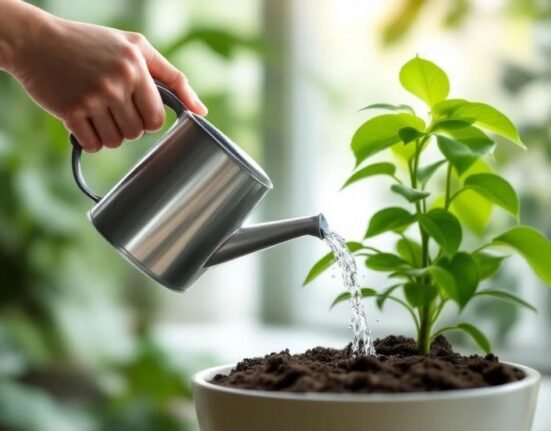
Water your plant only when the top inch or two of soil is dry to the touch. Try sticking your finger into the soil. If it’s still moist, wait another day or two.
The water demands of plants vary. A cactus may require water only every two or three weeks. A fern might require water every couple of days. Know your plant’s needs specifically.
The Watering Finger Test
Here’s a basic rule of thumb as to when to water:
| Soil Feel | What You Should Do |
|---|---|
| Bone dry from top to bottom | Water right away |
| Dry on the surface, slightly moist underneath | Water in a few days |
| Moist on the surface | Wait 1–2 more days |
| Wet on the surface | Don’t water just yet |
Never have a strict schedule like “water every Monday.” Instead, water according to how the soil feels. This single behavior can stop most fungal problems in their tracks.
Way #2 — Repair Your Drainage Long Before Fungus Begins
Good drainage is not optional. It’s essential.
When water has no way to escape the pot, it pools at the bottom and forms a soggy, oxygen-poor (anaerobic) area that’s perfect for harmful fungi to colonize.
This is what good drainage looks like in practice:
Always choose pots with drainage holes. If you love the look of a pretty pot with no holes, use it as a cover pot and keep your plant in a plain nursery pot with drainage holes inside.
Use well-draining potting mix. For a lot of plants, regular potting soil tends to retain too much moisture. Stir in perlite, coarse sand, or orchid bark to increase drainage and aeration of the soil.
Empty the saucer after watering. That water sitting in the saucer beneath your pot gets reabsorbed back into the soil, making things wetter for a longer amount of time. Dump it out within 30 minutes of watering.
Guide to Soil Mixes for Common House Plants
| Type of Plant | Ideal Soil Mix |
|---|---|
| Succulents & Cacti | 50% potting mix + 50% coarse sand or perlite |
| Tropical plants (Pothos, Philodendron) | Standard mix with 20–30% perlite |
| Orchids | Orchid medium (no regular soil) |
| Ferns | Peat-based mix with good moisture retention |
| Snake Plants | Sandy, well-draining medium with less peat |
Simply by getting the soil right in the first place, you avoid waterlogging and hugely minimize the threat of fungal issues.
Way #3 — Allow Space For Your Plants To Breathe
Crowded plants are sick plants.
When you pack too many plants together, airflow between them decreases. Leaves stay wetter longer after misting or watering. Fungal spores are very easily transmitted between plant hosts.
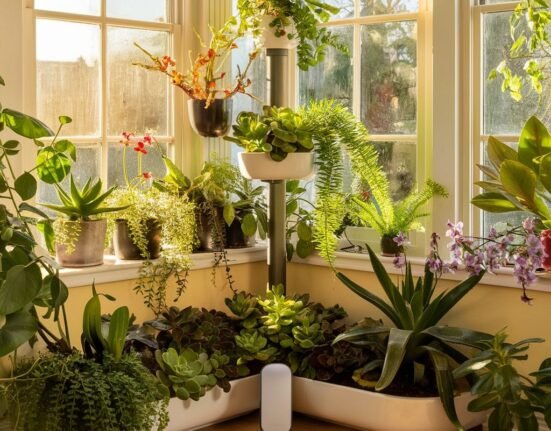
Space your plants so air can circulate around them. This is particularly important for poorly ventilated rooms.
Room Ventilation Tips For Plant Owners
If you’re in an apartment or home with windows shut most of the year, here are tips to improve circulation:
Use a small fan. Gently circulating air for a few hours daily helps keep air moving and has the added benefit of making leaves dry quickly after watering. Don’t blow it full blast directly on plants — just maintain general air circulation.
Open windows when you can. Just 20–30 minutes of fresh air a day can help lower indoor humidity and fungal spore counts.
Avoid misting too frequently. Misting is widely used for tropical plants, but when overdone it keeps the leaves perpetually wet — just where fungus thrives. Mist in the morning so leaves are dry during the day.
Way #4 — Regulate Humidity Levels in Your House
Where there’s humidity, there may also be fungus.
Most indoor molds achieve best growth at 60–70% humidity. If your home consistently reaches those levels (especially during the summer or in bathrooms), your plants are especially vulnerable.
A simple digital hygrometer (commonly known as a humidity meter) can be purchased for just a few dollars and will give you the humidity reading in any room. It’s among the best little investments for plant care.
Optimal Humidity Levels for Common Indoor Plants
| Plant | Best Humidity Level |
|---|---|
| Snake Plant | 30–50% |
| Peace Lily | 40–60% |
| Orchids | 50–70% |
| Pothos | 40–60% |
| Cacti & Succulents | 10–30% |
| Boston Fern | 50–80% |
To reduce humidity:
- Use a dehumidifier in rooms that tend to be humid
- Improve ventilation
- Don’t densely mass too many moisture-loving plants in a small area
If humidity is too low, you can bring it up with a small humidifier or set plants on a tray filled with pebbles and water — just make sure the bottom of the pot doesn’t rest in the water.
Way #5 — Use a Natural Antifungal Spray
When you notice early signs of fungus, speed is everything.
You don’t have to rush out to a garden store and purchase expensive chemical sprays. A few natural remedies work great on indoor plants and are safe for your home and family.
For a deeper look at plant-safe treatment options, Indoor Plants Guide is a great resource covering everything from fungal prevention to full plant care routines.
3 Homemade Antifungal Sprays That Work Like a Charm
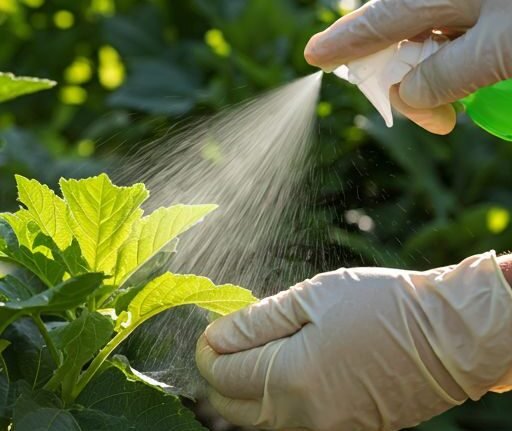
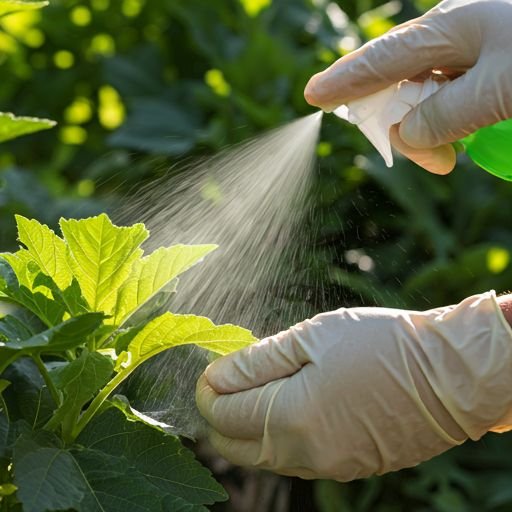
Baking Soda Spray Combine 1 teaspoon baking soda + a squirt of dish soap + 1 liter of water. Spray onto the affected leaves every week. It raises the pH of the leaf surface, making it inhospitable to fungal growth.
Neem Oil Spray Mix 2 tsp neem oil + 1 tsp dish soap + 1 liter of water. Neem oil is a natural fungicide and insecticide. It is effective against powdery mildew, fungus gnats, and plenty of other problems. Spray every 7–10 days.
Hydrogen Peroxide Soil Drench Mix 1 part 3% hydrogen peroxide with 4 parts water. Pour it on your soil when you detect root rot or soil mold. It kills fungal organisms but does not seriously harm the plant. Use once, then allow the soil to dry out completely before watering again.
Comparison of Natural Antifungal Methods
| Method | Best For | How Often to Use | Safe for All Plants? |
|---|---|---|---|
| Baking Soda Spray | Powdery mildew on leaves | Once a week | Generally yes |
| Neem Oil Spray | General fungal and pest problems | Every 7–10 days | Yes (avoid direct sun after) |
| Hydrogen Peroxide Drench | Soil mold and root rot | Once, then reassess | Yes (diluted only) |
| Cinnamon Powder | Soil surface mold | As needed | Yes |
Bonus tip: If you’re battling a bit of mold on top of your soil, sprinkling a light dusting of cinnamon on the surface can be surprisingly effective. Cinnamon is naturally antifungal and won’t hurt your plant.
Way #6 — Keep Your Pots and Tools Clean
This one is more overlooked than just about anything else.
Fungal spores can linger for weeks on your pots, pruning shears, and watering cans. If you repot a healthy plant into a pot that formerly held a fungal infection, you are simply reintroducing the problem.
Before reusing any pot:
- Wash it with hot soapy water
- Soak in a dilute solution of 1 part bleach to 9 parts water for 10–15 minutes
- Rinse well and let dry completely
Clean your tools between plants. Wiping pruning shears with rubbing alcohol before moving from one plant to the next prevents cross-contamination. This takes 10 seconds and can rescue an entire collection of plants.
Replace old soil. Potting mix breaks down over time and may harbor pathogens. Repot your plants every 1–2 years, or sooner when you see the old soil start to get compacted or smell off.
Way #7 — Optimize the Amount of Light Your Plant Gets
The relationship between light and fungus is an interesting one.
Fungus prefers dark, damp conditions. When you provide your plant with enough light, the soil surface dries faster between waterings, leaves stay drier, and the overall environment becomes less fungus-friendly.
That’s not to say you should go out and blast shade-loving plants with direct sunlight. That would create other problems — burnt leaves and heat stress. The aim is to find the appropriate level of light for your plant.
According to the University of Missouri Extension, matching the right light level to each plant species is one of the most important factors in keeping houseplants healthy and disease-resistant.
Light Requirements vs. Fungal Risk
| Light Level | Common Plants | Fungal Risk |
|---|---|---|
| Low light (north window) | Cast iron plant, ZZ plant | Higher — soil dries slowly |
| Medium light (east/west window) | Pothos, Peace Lily | Moderate |
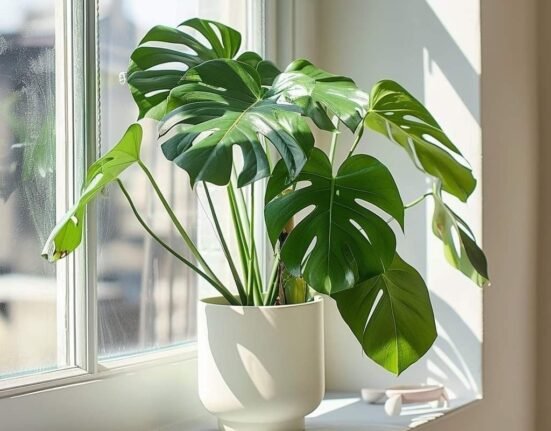
| Bright indirect light (near south window) | Monstera, Fiddle leaf fig | Lower |
| Direct sunlight | Cacti, succulents | Very low |
For low-light plants — which are at higher risk for fungal infection — compensate by watering less frequently, and ensure your plant has very good drainage.
If your home doesn’t have great natural light, consider supplementing with a grow light. Even a basic LED grow light on a timer can take plant health up several notches and decrease fungal risk significantly.
Way #8 — Repot and Quarantine Sick Plants ASAP
When a plant looks infected, treat it like it’s contagious — because fungal spores really are.
Immediately move the sick plant away from your others. Fungal spores are airborne, spread by water splash, and travel on your hands and tools. Keeping an infected plant next to healthy plants is how one problem becomes ten problems.
How to Repot a Plant Affected by Fungus
Step 1: Carefully remove the plant from its pot. Shake off as much of the old soil as you can.
Step 2: Inspect the roots. Healthy roots are white or pale tan and firm. Rotten roots are brown to black, mushy, and might smell bad. Use sterilized shears to cut away all rotten roots.
Step 3: Air dry the cut roots for 20–30 minutes. You can dust them with fungicide powder or cinnamon to help protect the wounds.
Step 4: Repot in clean, fresh potting mix into a clean pot with drainage holes. Do not reuse old soil.
Step 5: Water very lightly at first. The plant requires time to recuperate and grow new roots before returning to a routine watering cycle.
Step 6: Quarantine the plant in a separate location for 2–3 weeks to be sure the fungal problem doesn’t return before reintroducing it to your plant family.
Keeping a Fungus-Free Plant Routine
It is always better to prevent than cure.
Fungus does not have to become a serious problem if you incorporate a few simple habits into your weekly plant care routine.
Here’s a quick checklist to stay on top of it:
Every week:
- Examine leaves for mold or discoloration on both tops and bottoms
- Check soil moisture before watering
- Empty saucers after watering
- Wipe dusty leaves gently with a dry or slightly damp cloth
Every month:
- Wipe pot surfaces with a damp cloth
- Check roots if the plant looks off
- Apply neem oil spray as a preventative measure
Every 1–2 years:
- Repot in fresh soil
- Wash and check all pots before reuse
FAQs About Fungus on Indoor Plants
Q: Is white mold on my plant’s soil harmful to humans? Although most types of soil molds aren’t dangerous for healthy adults, they can aggravate allergies or respiratory illnesses in some individuals. Visible mold on soil surfaces should be removed at once, and drainage improved to prevent it from returning.
Q: Is there any hope for a plant that has extreme root rot? Sometimes, yes — so long as there are enough healthy roots left. Prune out all the bad roots, dry it out, repot in fresh media, and reduce watering drastically. But if more than 50 percent of the root system has been lost, the plant may not recover.
Q: How do I know if it’s fungus or just dry soil crust on top? Fungi growing on soil generally appears fuzzy, white, or grayish and might be accompanied by a musty odor. Dry soil crust is pale, flat, and odorless. Poke it — if it crumbles like dirt, you probably just found dry soil. If it appears fluffy or web-like, it’s mold.
Q: Does cinnamon actually work on plant fungus? Yes, cinnamon has natural antifungal properties. Spreading it over the surface of your soil is a long-held homemade surface mold treatment. It’s not going to cure deep root rot, but it’s good for keeping mold from growing on the surface of your soil.
Q: I have a plant with fungus — should I toss it? Not necessarily. The vast majority of fungal problems can be treated if caught early. Throw a plant away only if the infection is so bad that more than half its roots are rotted, the stem is falling over, or the fungus is spreading to other plants despite your best efforts.
Q: Can plant fungus spread to my furniture or walls? In general, no — common plant fungi are plant and soil-specific. But in very humid homes with little ventilation, excess moisture can make surfaces more mold-friendly. This is a house humidity issue, not really a plant problem.
Q: How often should neem oil be applied as a preventative? For prevention, a good spraying with neem oil every 2–3 weeks should keep issues at bay. If you are dealing with an active infection, use it every 7–10 days until cleared.
Wrapping It All Up
Fungus on houseplants is a bummer. But it’s not unstoppable.
The eight tips in this indoor plants care guide offer everything you need to stop fungus from taking hold — and to halt it quickly if it does appear. From adjusting your watering schedule and improving drainage to making natural sprays and keeping tools clean, each of these steps is effective. And they work even better in combination.
You do not have to be perfect at everything. Start with the basics: stop overwatering, ensure your pots have good drainage, and monitor your plants regularly. With those three habits alone, you will be ahead of most fungal issues.
Your plants are relying on you. Now you have the knowledge to actually show up for them.