7 Proven Ways to Eliminate Plant Pests
Do you feel at sea when it comes to houseplants? You water, you feed them and sometimes even talk to them for company. Still, something seems fishy: your leaves are turning yellowish or worse yet — the entire plant seems to be emitting an alarmingly powerful stench and going downhill so quickly it’s hard to believe. Really, I think that Indoor Plants Care Guides provide the help you need. Go ahead and put your questions out on my blog post — I am happy to answer them!
You finally get your houseplant looking lush and healthy. And then — one morning — you find tiny holes in a leaf. Or worse — when you water it, flies emerge from every nook and cranny. Some form of life is picking away at your plant, and knowing absolutely nothing about what to do makes it all the more dreadful.
Plant pests are the most common reason that houseplants die. They come in unseen, reproduce quickly, and inflict serious damage before practically anyone knows what’s going on. The good news? You don’t have to be a gardening expert in order to fight back.
Plant pests are what this guide is about. Here are 7 proven ways to keep them at bay — using straightforward methods, everyday items, and some sensible procedures. Regardless of whether you’re contending with gnats, spider mites, mealybugs, or scale insects — there’s a solution here for your problem.
Let’s get to it.
What’s Actually Eating Your Plant?
Before tackling a pest problem, you need to know what you’re dealing with. Different pests respond to different treatments. Using the wrong treatment costs you time and can increase your plant’s stress level.
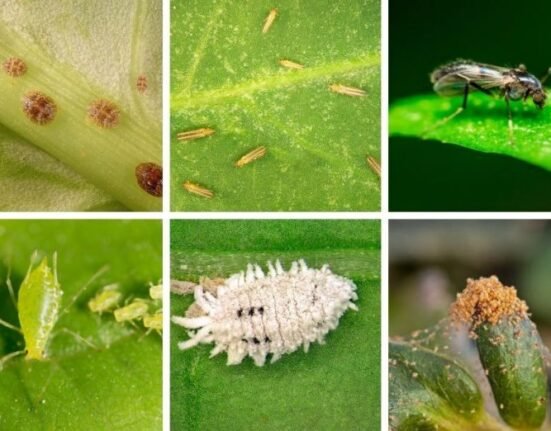
Here is a quick look at some common indoor plant pests and how to spot them:
| Pest | What It Looks Like | Where You’ll Find It | Damage Signs |
|---|---|---|---|
| Fungus Gnats | Tiny black flies, about 2mm | Soil surface | Yellowing, wilting, slow growth |
| Spider Mites | Tiny reddish-brown dots | Under leaves | Fine webbing, pale spotted leaves |
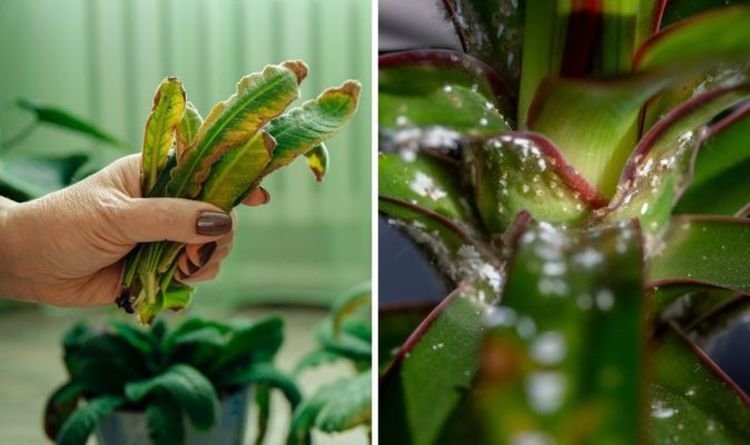
| Mealybugs | White fluffy clusters | Leaf joints, stems | Sticky residue, curling leaves |
| Scale Insects | Brown bumps on stems | Stems and branches | Sticky honeydew, yellowing |
| Aphids | Soft green, black, or white bugs | New growth tips | Curled, deformed leaves |
| Thrips | Tiny, elongate insects | Flower petals, leaves | Silver streaks on leaves |
| Whiteflies | White moth-type insects | Under leaves | Yellowing, leaf drop |
Once you identify the pest, treating it becomes quite simple. Check your plant carefully — use a magnifying glass if you have one. Look under the leaves, at the base of stems, and in the soil.
Why Indoor Plants Are Pest Magnets
Plants are removed from their natural environment when brought indoors. Inside your home, there are no natural predators to help control pests — this puts your plants at a further disadvantage.
Add overwatering, poor drainage, warm temperatures, and little air circulation, and you’ve got some perfect breeding grounds for pests.
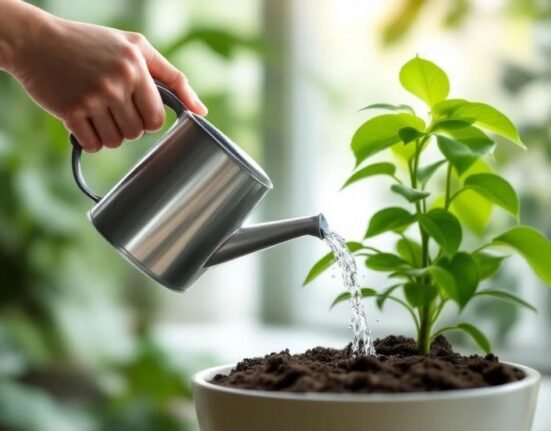
Overwatering is Problem #1. Wet soil draws fungus gnats and root rot pests. Always check if your plant needs water before giving it any.
New plants are also a way to get unwanted guests. A new plant from the store could be carrying eggs or living bugs you cannot see yet. Always keep your new plants away from others for at least 1–2 weeks while checking them over daily.
Too little humidity is the breeding environment for spider mites. These pests like hot, dry air. A little moisture in the air can help.
Reused potting soil may contain pests or eggs. Don’t reuse old soil if you don’t sterilize it first.
7 Proven Ways to Eliminate Plant Pests
Way #1 — Make Use of Neem Oil, the Godfather of Natural Pesticides
Neem oil is one of the most effective natural pesticides on the market, derived from the seeds of neem trees. It’s effective against a wide range of harmful bugs — from mealybugs, aphids, and spider mites to whiteflies and more.
Not only can it kill the bugs you see, it can also interrupt the life cycle of insects. This means that eggs won’t hatch and larvae won’t mature. It is because of this that it is so effective over the long term.
How to use it:
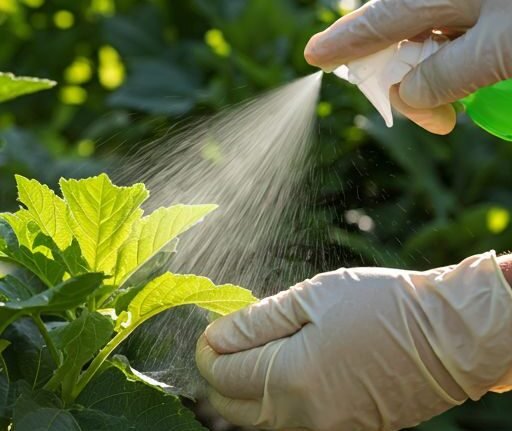
Mix 2 teaspoons of neem oil with 1 teaspoon of mild dish soap and 1 quart (about 1 liter) of warm water. Shake well. Spray the mixture onto all parts of the plant, especially on the undersides of leaves. Repeat every 7–10 days for 3–4 weeks.
Pro Tip: Neem oil should be applied in the evening or early morning. Direct sunlight immediately after application can burn the leaves.
Neem oil can also be used as a soil drench. Take the diluted solution and pour it straight into the soil, where it will kill the larvae of fungus gnats underground.
Way #2 — Make a Simple Soap Spray at Home
It isn’t necessary to buy expensive insecticide sprays. You can also go with a simple soap spray made from soap and water to control soft-bodied insects like aphids, mites, and mealybugs.
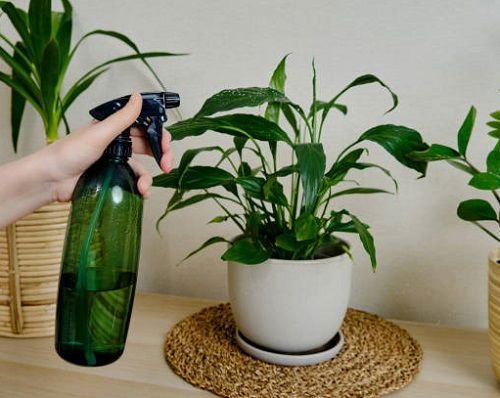
Mix 1 tablespoon of liquid castile soap (or mild dish soap without bleach) with 1 quart of water and pour it into a spray bottle. Spray directly on the leaves and stems, making sure to cover all surfaces. Leave it for a few hours, then rinse lightly with clean water.
Important: Test on a small area first. Some plants are sensitive to soap, which can leave minor spotting. If no damage appears after 24 hours, you’re good to go.
Do this every 4–5 days until your pests are entirely gone. It works best when used consistently.
Way #3 — Use Sticky Traps to Cut the Population Fast
Sticky traps don’t eliminate an entire pest population on their own, but they can help quickly reduce numbers — especially for flying pests such as whiteflies, fungus gnats, and aphids.
These traps are coated with a non-toxic sticky substance that catches insects when they land. They’re inexpensive, easy to use, and give you an accurate picture of how bad your infestation is.
Yellow sticky traps work best for fungus gnats, whiteflies, and aphids. Blue sticky traps work better for thrips.
Place them just above soil level or right at the base of the plant for gnat problems. For flying pests on foliage, place traps closer to the leaves. Replace every 1–2 weeks or when they’re full.
Sticky traps are also good for monitoring. If you see a mass of insects caught in the traps, you know it’s time to step up your treatment.
Way #4 — Try the Rubbing Alcohol Trick
Rubbing alcohol (isopropyl alcohol) is a simple and fast-acting treatment that kills pests on contact. It’s especially useful for mealybugs and scale insects, which tend to hide in hard-to-spray crannies and crevices.
For mealybugs: Dip a cotton swab or cotton ball in 70% rubbing alcohol. Dab it directly onto each white fluffy cluster you see. The alcohol dissolves the waxy coating that protects the bug and kills it instantly.
For scale insects: Use the same method. You can also lightly scrape the brown bumps off with a soft toothbrush dipped in alcohol.
For a general spray: Mix 1 part rubbing alcohol with 7 parts water and spray it on affected plants. Don’t use full-strength alcohol — it can damage leaves.
Check your plant every 2–3 days. Mealybugs reproduce quickly, so staying consistent is the key.
Way #5 — Fix the Soil and Drainage Problem
Many pests start underground. Fungus gnat larvae live in the top layer of moist soil. Root mealybugs live on the roots. Overwatered, compacted soil creates conditions where pests thrive and plants struggle to fight back.
Fixing your soil setup can eliminate these problems at the source.
Steps to improve your soil situation:
First, let the soil dry out completely between waterings. The top 2 inches of soil should feel dry before you water again. This alone kills most fungus gnat larvae, as they cannot survive without moisture.
Second, add a layer of coarse sand or fine gravel to the top of the soil. This barrier makes it difficult for gnats to lay eggs.
Third, if a plant is heavily infested, repot it. Take the plant out, shake off all the old soil, gently rinse the roots, and repot in fresh, well-draining potting mix. Add perlite to improve drainage and discourage waterlogging.
Fourth, use a soil drench with hydrogen peroxide. Mix 1 part 3% hydrogen peroxide with 4 parts water and pour it into the soil. It kills larvae on contact without harming the plant. You’ll see it fizzing — that’s normal.
Way #6 — Bring In Beneficial Insects
This sounds a bit odd for an indoor living space, but it works — especially for persistent infestations that don’t respond well to sprays. According to research from the University of California’s Integrated Pest Management Program, beneficial insects are one of the most sustainable and effective long-term strategies for managing plant pests without chemical intervention.
These are natural predators that feed on pest bugs. You can order them online or find them at garden supply centers.
Some good choices for indoors:
Predatory Mites (Phytoseiulus persimilis) eat spider mites. If you have a serious spider mite infestation, these tiny hunters can clean up the mess fast.
Rove Beetles (Dalotia coriaria) target fungus gnat larvae in the soil and eat the eggs and larvae.
Lacewing larvae eat aphids, thrips, and whiteflies at a surprisingly fast rate.
This method works best in conservatories, plant rooms, or spaces with many plants together. For a single houseplant, sprays and manual removal are usually easier.
But if a collection of plants keeps being attacked by the same pest over and over, beneficial insects provide a long-term, self-sustaining solution.
Way #7 — Block Off the Channels for Bugs to Invade
Getting rid of pests once is great. Building a routine that stops them from coming back is even better. The best course of action is a simple, consistent prevention routine.
Here’s what it will look like:
Weekly checks: Turn over a few leaves and scan the stems on each plant. Look for dots, webs, white fluffy lumps, and tiny bugs. When you catch an infestation early, it makes it 10 times easier to treat.
Quarantine all new plants: Keep any new plant in a separate room for 14 days. When no pests emerge and it’s completely safe, then move it into your normal space.
Clean the leaves: Take a damp cloth and clean the leaves of your plants every one to two months. This removes dust, pest eggs, and early-stage infestations before they grow.
Control moisture: Avoid letting water sit in pot trays. Empty them after watering. Standing water is exactly what pests are looking for.
Improve airflow: Keep your plants a bit apart. Open a window every now and then or use a small fan to move air past them. Stagnant air helps pests survive.
Rotate your plants: Pests frequently hide on the side facing a wall or away from light. Rotate your plant every week to eliminate any particular side as a hiding place.
How Effective Are These Methods? A Quick Comparison
| Method | Best For | Speed of Results | Cost | Repeat Needed? |
|---|---|---|---|---|
| Neem Oil | Most pest types | Medium (1–2 weeks) | Low | Yes (weekly) |
| Soap Spray | Aphids, mites, mealybugs | Fast (2–3 days) | Very Low | Yes (every 4–5 days) |
| Sticky Traps | Flying pests | Immediate | Very Low | Replace every 1–2 weeks |
| Rubbing Alcohol | Mealybugs, scale | Very Fast | Very Low | Every 2–3 days |
| Soil Fix + H2O2 | Fungus gnats, root pests | Medium | Low | Once + habit change |
| Beneficial Insects | Spider mites, gnats, aphids | Slow but lasting | Medium | No (self-sustaining) |
| Prevention Routine | All pests | Preventative | Zero | Ongoing |
When Should You Throw a Plant Away?
Not every plant can be saved. If a plant is heavily infested and not responding to treatment after 4–6 weeks, sometimes the best course of action is to remove it — especially if it’s putting your other plants at risk.
Signs it might be time to let go:
The roots are rotted and black. More than 70% of the leaves are already damaged. Pests keep spreading to nearby plants even after treatment. The plant isn’t growing or showing any signs of recovery.
It feels like such a waste to throw away a plant you’ve loved. But saving your other 9 plants by removing one heavily infested one is absolutely the right call.
Common Mistakes People Make When Treating Pests
Even with the right treatment, mistakes can slow your progress. Watch out for these:
Treating just once and stopping. Most pests have a life cycle of 1–2 weeks. You must treat multiple times in order to catch newly hatching eggs.
Only spraying the top of the leaves. Pests love the underside. Always spray below and beneath.
Using too much soap or neem oil. A higher concentration doesn’t always mean better results. Leaves can get burned; stick to what’s recommended.
Treating in direct sunlight. Spray applied while the sun is shining can scorch leaves. Always treat in shade or low light conditions.
Ignoring the soil. Many pests reside underground. If you only treat the leaves, you’re solving half the problem.
FAQs — Your Plant Pest Questions Answered
Q: Can pests spread from one houseplant to another? Yes, absolutely. Many pests will move from plant to plant via crawling, flying, or hitchhiking on your hands and tools. This is one reason why quarantining new plants and doing regular checks are so important.
Q: Is neem oil safe for pets and children? Neem oil is generally considered low-toxicity for humans and pets when used as directed. But keep pets away from plants sprayed with neem until the plant dries completely. Concentrated neem oil is harmful if ingested.
Q: How do I know if my plant has spider mites if I can’t see them clearly? Place a white sheet of paper under the leaves and gently tap the plant. If tiny red or brown dots fall onto it and start moving, you have spider mites. Fine webbing on leaves is another strong sign.
Q: Can I use apple cider vinegar to kill plant pests? Apple cider vinegar can be used as a trap without harming your plants, but direct spraying on leaves could result in damage. It’s better to put a small cup near the plant to catch gnats than to use it as a direct spray.
Q: My plant keeps getting pests over and over. What am I doing wrong? Any one of the following may be the reason: too much water, exposing new plants to your home without inspecting them first, reusing old soil, or not completing a full course of treatment after pests show symptoms. Review your care habits and stay consistent.
Q: How long does it take to fully get rid of a pest infestation? Although it depends on the pest and the degree of infestation, most infestations take 3–6 weeks of consistent treatment to result in total elimination. Be patient and stay tenacious.
Q: Can I mix neem oil and soap spray together? Indeed. Many growers mix them together in the same spray for greater effect. Before you apply the mixture to your whole plant, though, try it out on a small section first.
Final Word — Your Plants Deserve a Fighting Chance
Dealing with plant pests can be overwhelming, especially if you don’t know what kind of bug you’re dealing with or where to start. But what most people don’t realize is that by taking the right approach, almost all infestations are completely solvable.
In this indoor plants care guide, we covered 7 methods — neem oil, soap spray, sticky traps, rubbing alcohol, soil fixes, beneficial insects, and a solid prevention routine — covering every major pest type and every stage of infestation.
Start with something from around your home and go from there. Even a simple soap spray can stop a small infestation before it grows any bigger. Make checking part of your regular routine, put newly arrived plants into quarantine, and don’t let wet soil sit too long.
Your plants are tougher than you think. With the right care and these proven solutions, you can keep them healthy and pest-free all year round.