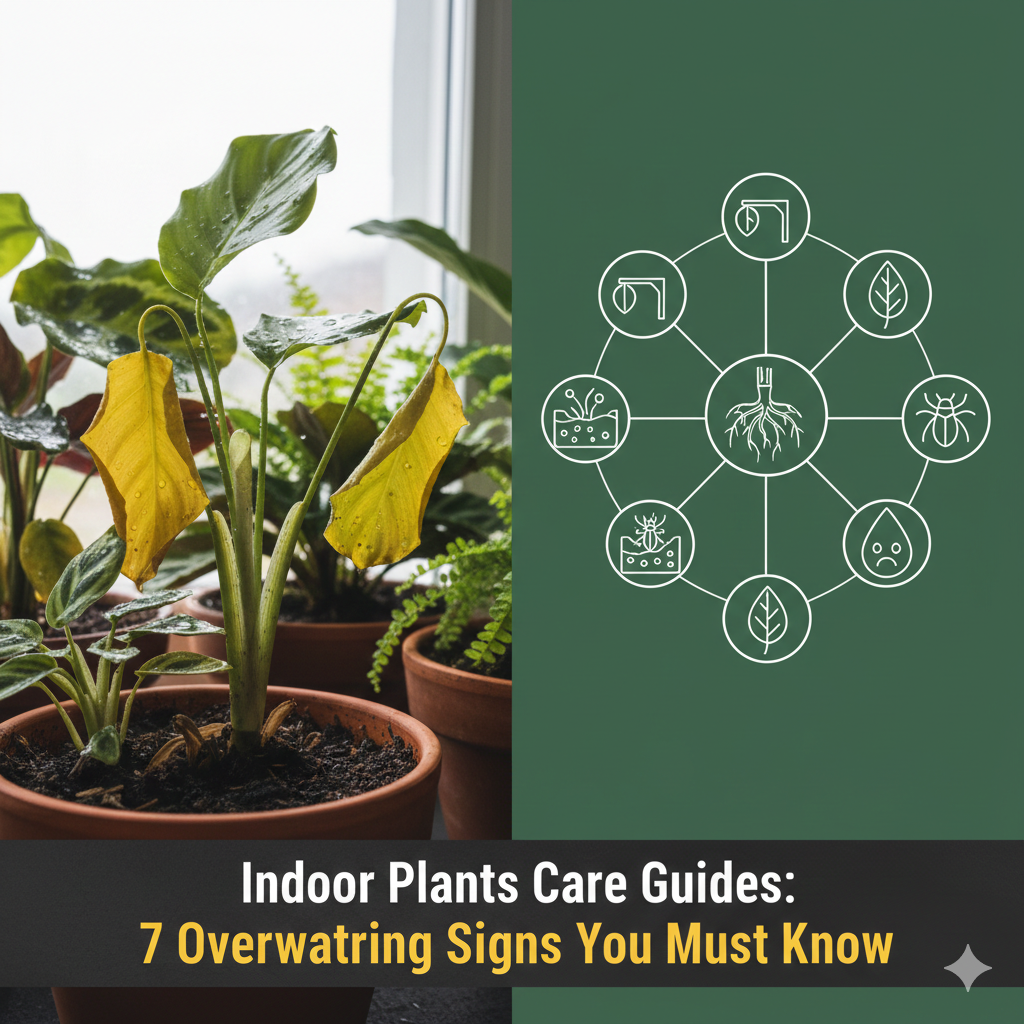
Indoor Plants Care Guides: 7 Signs of Overwatering That You Need to Know
You bought a beautiful plant. You gave it water every day. You believed that you were doing the right things. One morning then you saw the leaves growing yellow. The soil smells weird. The soil is soaking wet but the plant appears to be droopy.
Sound familiar?
The bad news is herein that too much water kills houseplants even more than too little water. The majority of plant owners never knew that they are killing their plants literally. The most common mistake that beginners make is overwatering and even experienced plant parents commit this error.
This is our Indoor Plants Care Guides series and today we are breaking down the 7 most significant overwatering signs that you should be aware of. When you are aware of what to look at, you can notice when your plant is undergoing the issue and save it before it is too late.
Let’s get into it.
Overwatering Is Not as Safe as It May Seem — Here’s Why It’s So Dangerous
Plants need water to survive. That’s a fact. But they also need oxygen. And here is the point — plant roots get oxygen from the air spaces in the soil.
When overwatered, those air pockets will be filled with water. The roots can’t breathe. They start to rot. When the roots disappear, the plant is unable to take in nutrients and water, even when the soil is completely wet.
It’s like drowning. The plant is encircled by water yet it is dying of thirst.
That is why overwatering is very slippery. The symptoms usually resemble the fact that the plant requires more water and thus you water it once more again and it worsens the situation.
| Overwatering | Underwatering |
|---|---|
| Soil remains moist several days | Soil dries fast |
| Leaves change yellow and tender | Leaves grow brown, dry and crispy |
| Roots appear brown and mushy | Roots appear dry and brittle |
| Mold on soil surface | Soil drawing back at pot edges |
| Plant droops with wet soil | Plant droops with dry soil |
The 7 Overwatering Signs You Should Be Aware Of
Sign #1 — Yellow Leaves Falling Too Easily
Yellow leaves are among the earliest and the most widespread indications of overwatering.
However, there is the tricky part: yellow leaves can also refer to other things as well, such as insufficient sunlight or nutrient deficiency. But what makes you know about it being overwatered?
Check these clues:
- The yellowing begins with the lower and older leaves
- The leaves are soft and mushy, not dry and crispy
- The soil is still wet despite the fact that you watered it some days ago
- Several leaves are getting yellow simultaneously
When a plant receives an excessive amount of water, then it cannot absorb the nutrients well. This makes the chlorophyll (green stuff in leaves) to deteriorate, giving leaves a yellowish color.
In case you see leaves turning yellow accompanied with any other signs on this list, then chances are high that it is as a result of overwatering.
Quick fix: No more watering until further notice. Allow the soil to dry up, and then water your plant again.
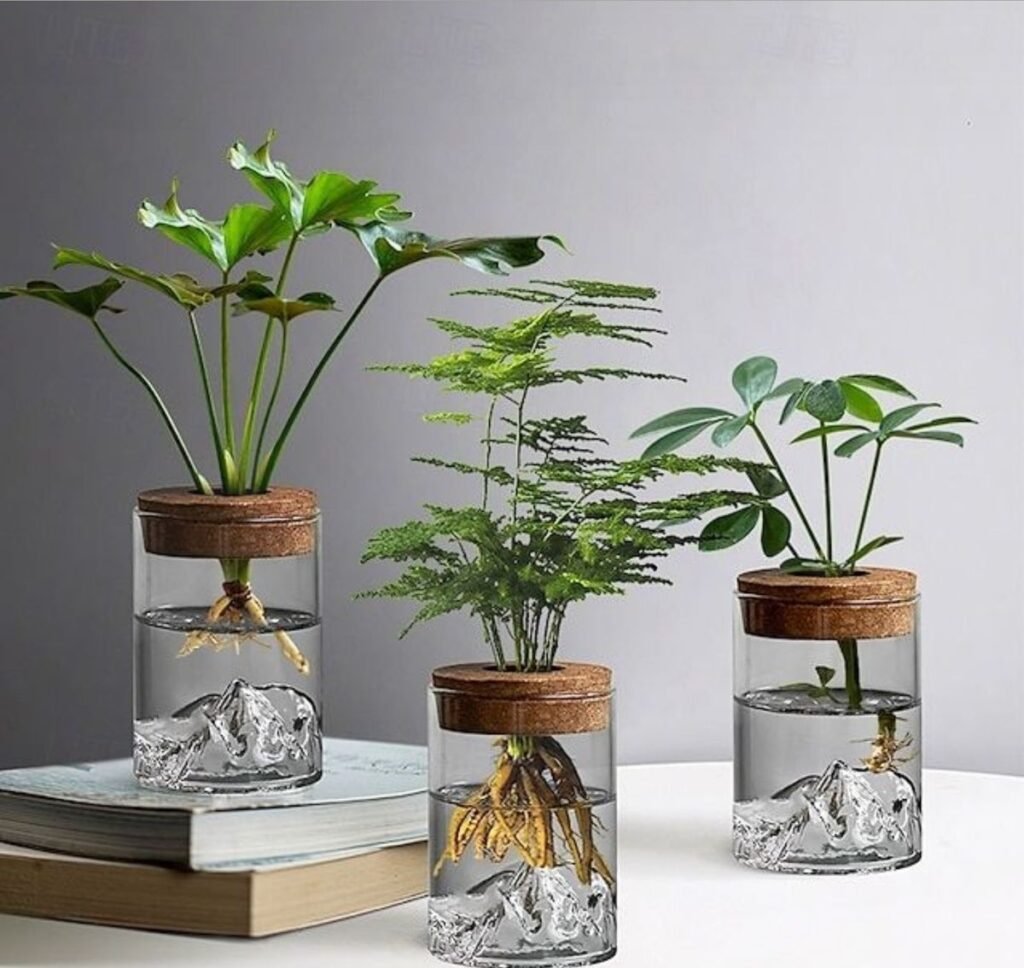
Sign #2 — Soggy, Wet Soil That Does Not Appear to Dry Out
This one is easy and simple to ignore.
Insert your finger into the soil about two inches. Are you wet even though you watered three or four days ago? That’s a red flag.
Soil that is healthy is expected to dry off at a reasonable pace. When it is taking longer than four or five days to dry down following watering, then something is amiss. It could be:
- You are watering too often
- The pot lacks appropriate drainage holes
- The potting mix holds excessive moisture
The finger test is your best friend. Push your finger two inches into the soil before each watering. If it is still damp, then forego the watering and examine again the next day.
A moisture meter can also be a very nice gadget if you would like to be more precise. They are affordable and they remove any guesswork in the process.
| Soil Moisture Level | What It Means | What to Do |
|---|---|---|
| Wet (finger comes out muddy) | Too much water | Skip watering, check drainage |
| Moist (moderately wet) | Good level | Wait 1–2 additional days |
| Dry (no moisture at all) | Ready to water | Water thoroughly |
Sign #3 — Brown, Mushy Stems at the Base
Healthy stems of plants must be firm. They can stand up without any difficulty.
When the stem around the plant base is soft, squishy, or mushy, it is a very bad omen. This is normally an indication that root rot has already begun to spread upwards into the stem.
This is a more developed sign of overwatering, so it can be said that the situation is already serious.
Here’s how to check:
- Lightly press the lower part of the stem with your fingers
- Root rot may be present if it collapses or feels hollow
- Take out the plant and observe the roots — healthy roots are white or light tan, unhealthy roots are brown and black and have a bad smell
Root rot is treatable even when it is at an early stage. Cut out all the rotten roots with clean scissors and allow the rest to dry several hours, after which repot in fresh, dry soil.
Don’t skip the repotting step. Putting the plant back into the same wet soil when root rot is present is like putting a sick person back into the same dirty environment.
Sign #4 — Mold or Algae Growing on the Soil Surface
Have you ever observed what appears on top of your potting soil as a white fuzzy layer or green film?
It is mold or algae — and that nearly always means the soil is remaining excessively wet for too long.
Mold loves moisture. The situation whereby your soil is always damp is the best scenario in which mold spores are able to thrive. This does not only look bad, but it can also be detrimental to the plant by competing for nutrients and even spreading to the roots.
What to do:
- Wipe off the upper layer of mold from the soil
- Transfer the plant to an area where there is improved airflow
- Allow the soil to completely dry up before watering again
- Repot with a well-draining potting mix
Even a little white mold is not necessarily a disaster, but it is a definite indication that you should reduce watering and increase the ventilation around your plant.
Sign #5 — A Foul, Rotten Smell Coming from the Soil
Healthy soil smells earthy. It smells like a forest after rain — clean, natural, and a little bit sweet.
However, when the soil of your plant smells rotten, sour, or like something died in it, this is a big warning sign.
The source of that terrible odor is anaerobic bacteria — minute organisms which breed in waterlogged soil where oxygen is gone. These bacteria degrade organic matter in a manner that produces foul-smelling gases. It is also an indication that the roots are probably rotting.
This is among the gravest indicators of overwatering since in most cases root rot is already well established.
According to the University of Missouri Extension, root rot caused by overwatering is one of the leading causes of houseplant death and is largely preventable with proper watering habits.
Steps to take immediately:
- Remove the plant from its pot
- Wash away as much of the old soil as possible
- Examine the roots — cut off any that are brown, black, or mushy
- Air dry the roots for a couple of hours
- Repot in fresh, well-draining soil
- Wait at least one week before watering
Don’t ignore the smell. Plants can never say that they are in pain, but that is the nearest they can come.
Sign #6 — Leaves Dropping Without Turning Yellow First
Leaves of most plants fall off when they are stressed. But here is something that shocks many plant owners:
Overwatered plants sometimes drop leaves that are still green.
The leaf doesn’t yellow first. It doesn’t brown at the edges. It simply drops — like it has nothing to say.
The reason behind this is that the plant is attempting to minimize its total leaf mass. The plant can no longer sustain all its leaves with rotten or damaged roots. So it sheds some of them to conserve energy.
If you’re noticing:
- Healthy-looking leaves falling abruptly
- Multiple leaves falling within a short period
- The soil is consistently wet
…overwatering is a strong suspect.
Plants particularly sensitive to this type of leaf shedding are pothos, rubber plants, peace lilies, and fiddle leaf figs.
Most noteworthy, leaf drop can also occur as a result of a sudden temperature shift, draft, or repotting shock. It is important to always examine the soil first to know the actual cause.
Sign #7 — Roots Growing Out of the Drainage Holes (But the Plant Looks Sick)
This sign has to be explained a bit more.
Plant roots that protrude through drainage holes may at times indicate that the plant is rootbound and only requires a larger pot. However, when accompanied by other symptoms of overwatering — such as leaves turning yellow, stems becoming soft, or soil remaining damp — it tells a different story.
In certain overwatered plants, the roots grow toward the drainage holes in an attempt to escape the waterlogged soil and locate oxygen. They are not flourishing — they are escaping poor circumstances.
How to tell the difference:
| Rootbound Plant | Overwatered Root Escape |
|---|---|
| Roots are white and firm | Roots may be brown or smell bad |
| Plant appears healthy overall | Plant shows other stress indicators |
| Soil dries out very quickly | Soil stays wet for a long time |
| Plant has outgrown its pot | Plant is in an appropriately sized pot |
In case roots are growing out of the drainage holes and the plant looks unhealthy, unpot it and look at the roots immediately.
How Often Should You Actually Water Your Indoor Plants?
No universal solution exists here. The watering schedule is based upon:
- The nature of the plant (succulents vs. tropical plants require very different quantities)
- The size of the pot
- The time of year (plants require less water during winter)
- The humidity and temperature of your home
- The type of soil you’re using
The following is a rough guide to get you started:
| Plant Type | Watering Frequency |
|---|---|
| Succulents & Cacti | Every 2–4 weeks |
| Tropical plants (Pothos, Monsteras) | Every 1–2 weeks |
| Ferns & Peace Lilies | Every 5–7 days |
| Snake Plants | Every 2–3 weeks |
| Fiddle Leaf Figs | Every 1–2 weeks |
The finger test must be used before watering. Allow the top two inches of soil to dry up before watering most houseplants. In the case of succulents and cacti, allow the soil to dry out completely.
For more detailed plant-specific watering tips and care routines, visit Indoor Plants Guide — a dedicated resource to help you grow healthier, happier plants at home.
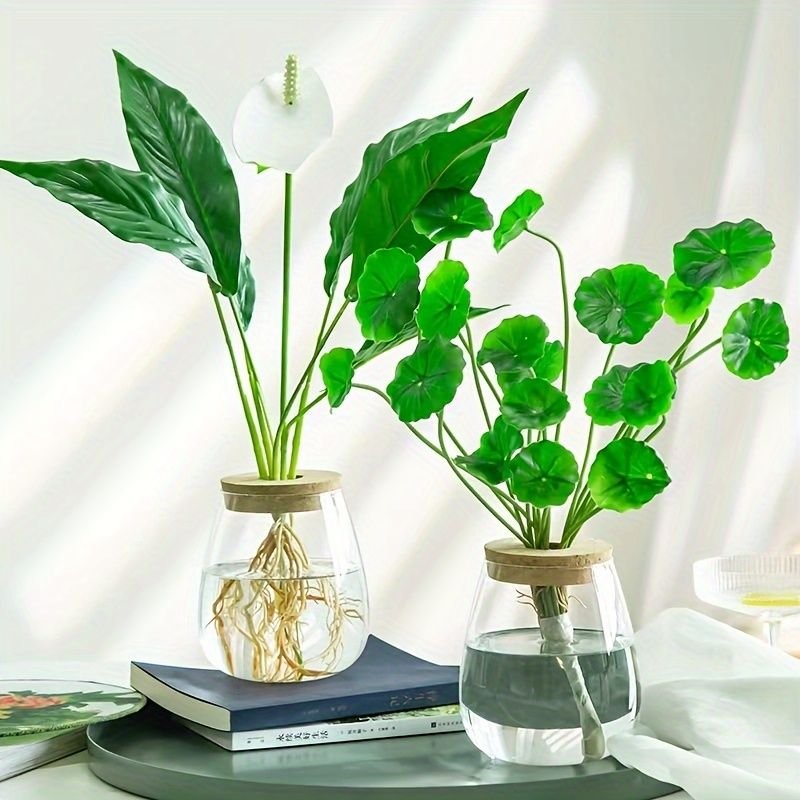
Fixing an Overwatered Plant: A Step-by-Step Recovery Plan
Caught the problem in time? Here’s exactly what to do:
Step 1 — Stop watering at once. This is self-evident, but it is the most significant step. Allow the soil time to dry.
Step 2 — Relocate the plant to a bright and warm area. Light and warmth cause the soil to dry at a faster rate. It is best to avoid direct harsh sunshine, and a bright indirect location works great.
Step 3 — Take the plant out of its pot. Pull the plant out carefully then place the root ball on a paper towel or newspaper. This assists in absorbing the additional moisture.
Step 4 — Examine and cut off the roots. Use clean, sharp scissors. Cut out any brown, black, slimy, or smelly roots. Keep only the good white or tan roots.
Step 5 — Let the roots air dry. Allow the roots an hour or two to dry up before repotting.
Step 6 — Repot into fresh, well-draining soil. Don’t reuse the old soggy soil. Use a fresh potting mix, preferably with perlite added, to ensure improved drainage.
Step 7 — Wait before watering again. Allow the plant no less than one week before it is watered again. Monitor it closely.
The Best Pot and Soil Choices to Prevent Overwatering
The way to avoid overwatering begins even prior to watering the plant. The type of pot and soil you use matters a lot.
Best pot types for drainage:
- Terracotta pots — These pots are porous and allow water to evaporate through the sides. They are among the most effective in the prevention of overwatering.
- Pots with drainage holes — It is always advisable to use pots with at least one drainage hole at the bottom.
- Elevated pot saucers — Prevent roots from sitting in standing water by emptying the saucer after every watering.
Best soil mixes:
- Add perlite (white volcanic rock) to your potting mix to enhance drainage
- Succulents and drought-tolerant plants should be potted with a cactus mix
- Avoid heavy garden soil indoors — it holds too much water and cannot drain well
A small alteration in your pot or soil can make an enormous difference in the health of your plant.
FAQs About Overwatering Indoor Plants
Q: Will a plant that is being overwatered heal itself? In some cases, when the problem is detected early and the roots have not been damaged to a large extent. However, in the vast majority of instances, you have to act — stop watering, improve drainage, and even repot the plant.
Q: How much time does an overwatered plant take to recover? It is also subject to the extent of the harm. Minor overwatering can be fixed within one to two weeks. Recovering from root rot takes a month or longer and not all plants will fully recover.
Q: Should I use a spray bottle instead of watering normally? Misting is also excellent for enhancing humidity around plants, though it does not substitute normal watering. Deep and infrequent watering is preferable to frequent shallow misting for most indoor plants.
Q: My plant has yellow leaves but the soil feels dry. Is it still overwatering? Probably not. Yellow leaves with dry soil tend to point to underwatering, lack of nutrients, or low light. Always ensure all conditions are checked before assuming overwatering.
Q: Does the size of the pot affect overwatering? Yes! A pot too large for the plant holds too much soil and moisture that roots cannot utilize as rapidly as required. The pot size should always correspond to the size of the plant.
Q: Is it acceptable to have a fixed watering schedule for plants? Fixed schedules may cause overwatering due to lack of consideration of changing conditions. Rather, test the soil prior to each watering and have the plant tell you when it is thirsty.
Q: What is the correct method of watering indoor plants? Water thoroughly until it runs out at the bottom, then allow the soil to dry up before watering again. After 30 minutes, pour out the saucer to ensure the roots are not left standing in water.
Wrapping It All Up
One of the best pastimes in existence is caring for indoor plants. However, it is a matter of patience, observation, and readiness to learn through mistakes.
The most frequent problem with indoor plant care is overwatering, and it is also the simplest issue to solve. You are already ahead of the majority of plant owners since now you are aware of the 7 key signs.
Let’s do a quick recap:
- Yellow, soft leaves
- Soggy soil that is not drying out
- Mushy, soft stems at the base
- Mold or algae on the soil
- Rotten smell from the pot
- Leaves falling while still green
- Roots growing out through drainage holes
You have to stop and think at least a moment each time you reach for the watering can. Do the finger test. Check the leaves. Look at the soil. The plant will speak to you — you will only need to figure out what it is saying.
These Indoor Plants Care Guides will assist you in becoming a more self-assured, more knowledgeable plant owner. When your plants are doing well, your house is full of life — and that is a feeling well worth all the effort.
Now go check on your plants. They’re counting on you.