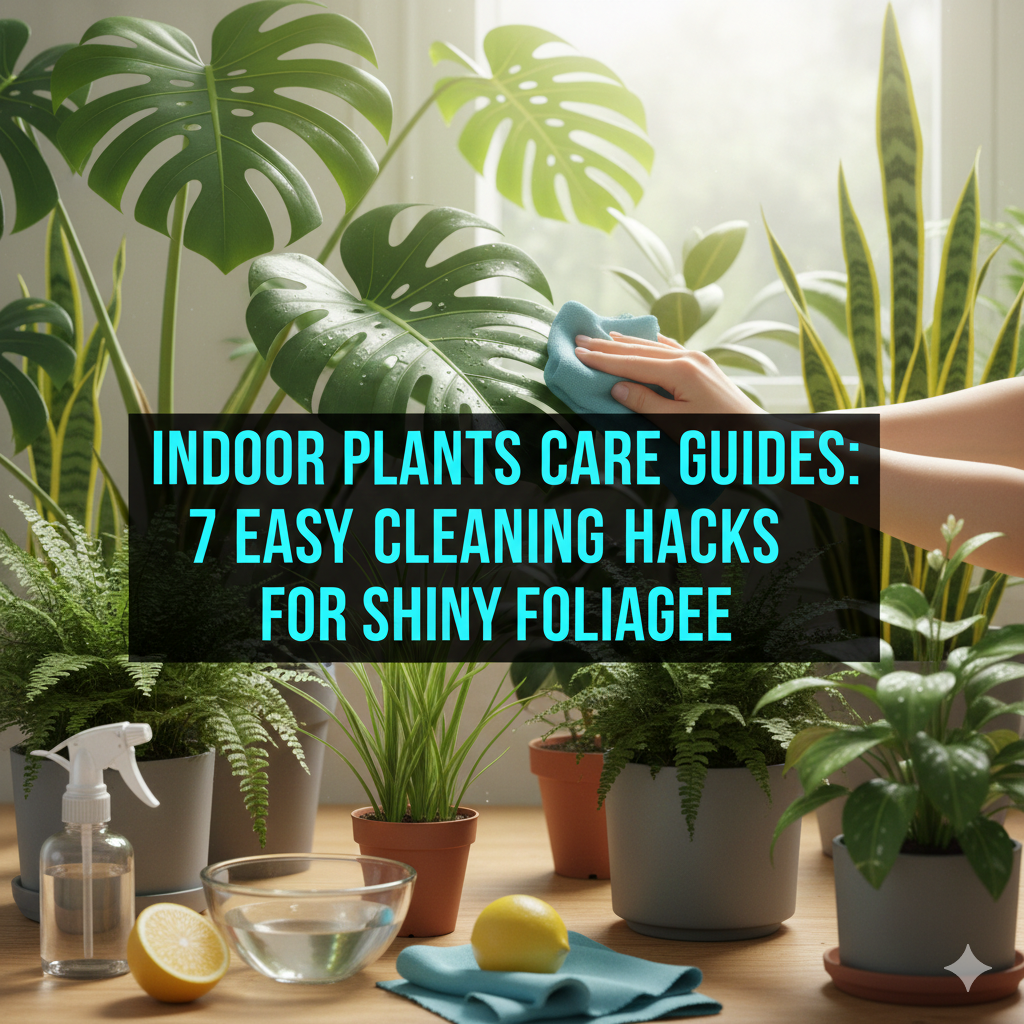
7 Easy Hacks For Shiny Foliage
Ever catch yourself gazing at your houseplants and realizing their leaves look dull, dusty, or just plain tired? You’re not alone. Most plant enthusiasts zero in on watering and sunlight while overlooking one of the easiest things a plant needs — clean leaves.
Dirty leaves block sunlight. Blocked sunlight means less photosynthesis. Less photosynthesis equals a slower, weaker plant. It’s that simple.
There’s more to clean foliage than being aesthetic. It’s about plant health. Leaves that are shiny and transparent take in more light, breathe better, and grow faster. The good news? You don’t even need fancy products or costly tools to get there.
This guide takes you through 7 easy cleaning hacks on a budget that actually work. Whether you’ve got a huge monstera or a little pothos sitting on your desk, these tricks will make your indoor jungle look like it belongs in the pages of a magazine.
For more in-depth houseplant guides, tips, and care advice, visit Indoor Plants Guide — your go-to resource for keeping every plant in your home thriving.
Let’s get into it.
Here’s Why You Need to Be Cleaning Your Plant Leaves
Before we get into the hacks, it might be beneficial to understand why cleaning your leaves is so essential. This isn’t just about aesthetics.
Dust Blocks the Sunlight Your Plant Needs
Plants produce their own food through the process of photosynthesis. Light needs to hit the surface of the leaf for that process to work. A thick layer of dust sitting on top? That’s a curtain. The plant has less energy, grows more slowly, and may begin to appear yellow or droopy.
Imagine it as if you were wearing sunglasses the whole day indoors. Everything gets dimmer.
Pests Love Dirty Leaves
Spider mites, fungus gnats, and scale insects adore dusty, overlooked leaves. Dirt and grime make for the best hiding places for these little mischief makers. Routine cleaning removes those hiding spots before bugs find a home in your plant.
Your Plant Breathes By Way of Its Leaves
Leaves, through tiny holes called stomata, take in carbon dioxide and release oxygen. When those pores get clogged with dust or grime, the plant has a more difficult time breathing, quite literally. Cleaning helps ensure those pores remain open and continue to work well.
How Often Do You Need to Wipe Plant Leaves?
There is no one-size-fits-all answer for every plant. But here’s an easy rule of thumb:
| Plant Type | How Often to Clean |
|---|---|
| Large-leafed (Monstera, Fiddle Leaf Fig) | Every 2–3 weeks |
| Small-leafed (Ferns, Pothos) | Monthly |
| Succulents & Cacti | Every 4–6 weeks |
| Fuzzy-leafed plants (African Violet) | Very gently, once a month |
| High-dust environments (near vents, roads) | Weekly or bi-weekly |
The dirtier your home, the more frequently you will need to clean. Bump up your cleaning schedule if you live near a busy road or have pets that shed.
Hack #1 — The Old Damp Cloth Wipe-Down
This is the most classic hack, and it will solve your problem 100 percent of the time.
What You Need
- A gentle microfiber cloth or clean, old cotton t-shirt
- Lukewarm water
- A second dry cloth
How to Do It
Dip your cloth in lukewarm water and wring it out to ensure the cloth is damp, not wet. Use one hand to hold the back side of each leaf while providing support for its bottom. Use your other hand to gently swipe from the base of the leaf to its tip.
Don’t scrub. You want a light, featherlike stroke. Then finish with a dry cloth to prevent the water from pooling on the leaf.
Best For
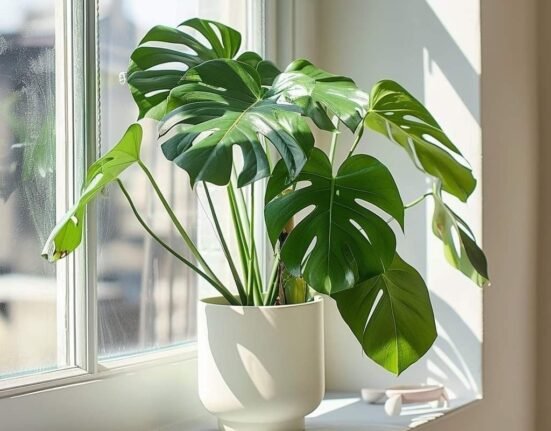
Big, flat-leafed plants including Monsteras, Peace Lilies, Rubber Plants, and Philodendrons. This process creates an instant shiny finish that lasts up to weeks.
Pro Tip: Stick to lukewarm water. Cold water can cause white spots or shock the leaf surface.
Hack #2 — The Banana Peel Polish
Yes, you read that right. You can make your plant leaves shine with a banana peel.
Why It Works
The inner side of a banana peel is full of potassium and natural oils. When you rub it on a leaf, these compounds leave behind a natural sheen. It’s totally safe and costs nothing extra if you’re already eating bananas.
How to Do It
Take the inside of a fresh banana peel. Gently rub along the top surface of each leaf. Use slow, even strokes. You’ll notice an instant sheen. No need to rinse it off.
Best For
Rubber plants, ZZ plants, and other thick-leafed houseplants with glossy foliage.
Fun Fact: Banana peels even have small amounts of nutrients like potassium and phosphorus. Some gardeners even bury them in soil, using them as a slow-release fertilizer.
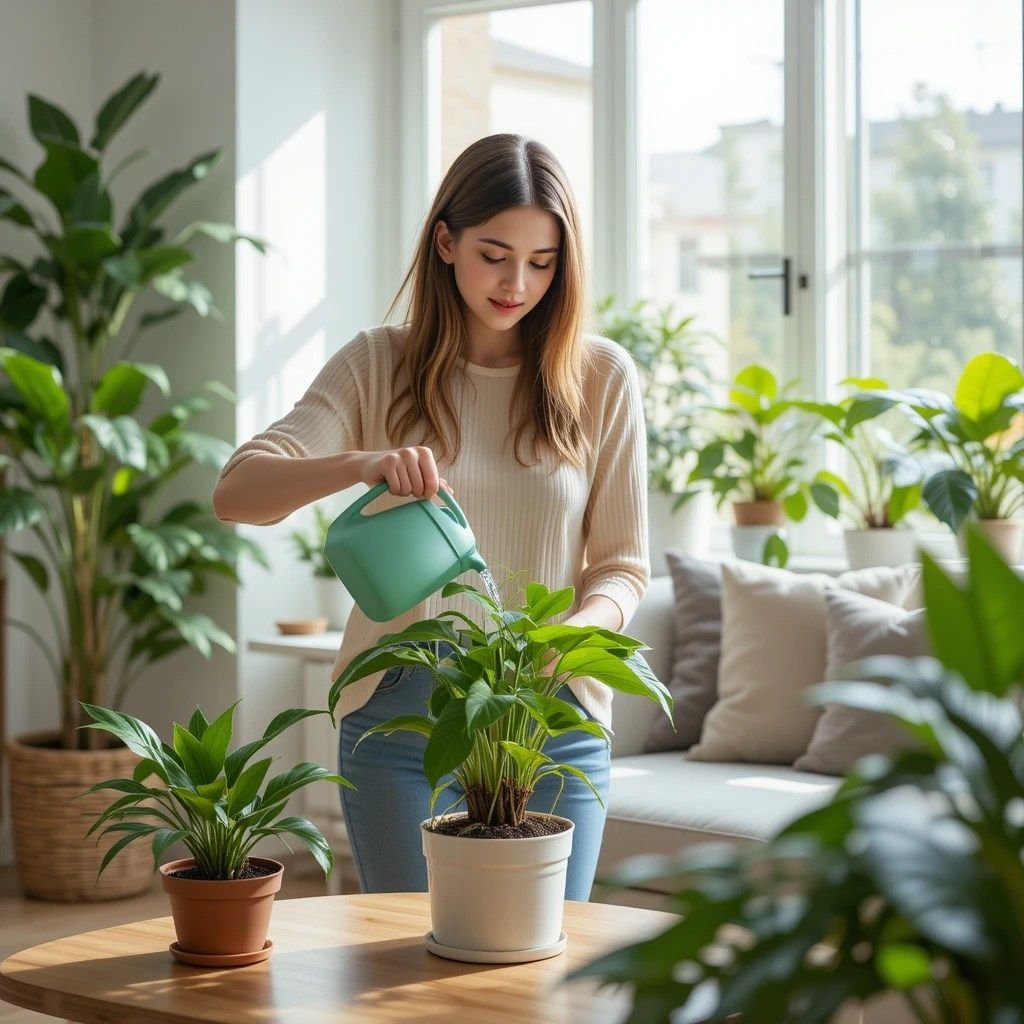
Hack #3 — The Shower Rinse Technique
Sometimes the simplest answer is the most apparent one. Take your plant to the shower.
How to Do It
Put your plant in the tub or shower. Keep the water lukewarm — not hot or cold. Use a gentle spray (not a strong jet) and rinse leaves from the top down. Allow the water to cover both sides of each leaf completely.
After rinsing, move the plant to an area with good air circulation and indirect light so the leaves dry off naturally. Don’t set it out in direct sun immediately afterward — wet leaves left in the sun can scorch.
Best For
Ferns, Pothos, Ivy, and all plants that like humidity. This technique also removes early-stage pests.
What to Watch Out For
Don’t do this for plants that dislike wet soil, namely succulents or cacti, unless you take special precautions to ensure the pot and soil don’t become waterlogged. You can put a plastic bag over the soil if needed before you rinse.
Hack #4 — The Milk and Water Solution
This old-time gardener trick has been passed down through generations, and plant enthusiasts continue to swear by it.
The Recipe
- 1 part whole milk
- 1 part water
Combine them in a small bowl or spray bottle.
How to Do It
Dip a soft cloth into the solution or spray lightly onto the leaf. Wipe softly in the same direction with smooth strokes. The proteins and fats in milk deposit a thin, shiny coating on the leaf surface.
Buff gently with a dry cloth to eliminate any excess.
Best For
Plants with thick leaves such as Rubber Plants, Dracaena, and Snake Plants.
Important: Don’t overdo it. A thin layer is all you need. Too much milk residue can attract bacteria or bugs over time. Also avoid this approach during hot weather if your home gets very warm.
Hack #5 — Neem Oil Spray for Shine and Protection
Neem oil does double duty. It cleans your leaves and keeps the bugs off at the same time.
What Is Neem Oil?
Neem oil is derived from the seeds of the neem tree. It’s 100% natural, and gardeners have used it for centuries. It deters bugs, combats fungal problems, and adds a natural sheen to leaves. According to the Royal Horticultural Society, neem-based products are among the most effective organic options for managing common houseplant pests.
The Mix
- 1 teaspoon neem oil
- 1/2 teaspoon mild dish soap (acts as an emulsifier)
- 1 liter of water
Shake well in a spray bottle before each use, as neem oil and water separate quickly.
How to Do It
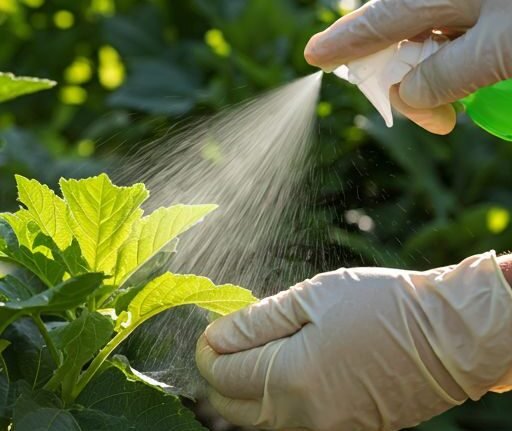
Mist the tops of leaves and turn the plant over to mist the bottoms too. Use a soft cloth to spread it evenly and prevent drips. Use this every 2–4 weeks.
Best For
Most any indoor plant, but particularly those with a history of spider mites, aphids, or powdery mildew.
Warning: Do not apply neem oil in direct sunlight or on heat-stressed plants. It can cause leaf burn.
Hack #6 — The Soft Brush Technique for Delicate Leaves
The wet cloth treatment doesn’t work for every type of plant. Fuzzy leaves, cactus spines, and delicate ferns require an entirely different strategy.
The Right Tool for the Job
Use one of these:
- A soft makeup brush
- A clean paintbrush (unused)
- A soft natural-bristle toothbrush
How to Do It
Lightly stroke the leaf surface and dust will be swept away. Work from the middle of the leaf outward to its edges. For fuzzy plants such as African Violets, brush in the direction the fuzz naturally grows to prevent any damage.
You can also use a can of compressed air (the sort you’d use for keyboards) from a distance of about 8–10 inches away. It’s fast, clean, and perfect for succulents and cacti.
Best For
African Violets, Cacti, Succulents, Air Plants, Ferns with delicate fronds.
Why This Matters: Wet cloths can mat down the tiny hairs on fuzzy leaves, trapping moisture where it might cause rot or fungal spots. Dry brushing is always safer for these plants.
Hack #7 — The DIY Leaf Shine Spray
Commercial leaf shine is a crowd favorite, but many products contain silicone or petroleum-based ingredients that gradually block the stomata. This homemade version is safer, cheaper, and just as good.
The Recipe
- 1 cup distilled water (tap water causes mineral spots)
- 1 teaspoon white vinegar
- Optional: 2–3 drops neem oil for additional pest control
Mix in a clean spray bottle. Shake before each use.
How to Do It
Spritz each leaf lightly. Let it rest for about 30 seconds. Then wipe gently with a soft cloth in the same direction. The vinegar removes mineral deposits and light grime, while the distilled water leaves no white residue behind.
Best For
Any smooth-leafed houseplant. This is particularly helpful if you are in a hard water area and white spots start appearing on leaves after regular cleaning.
Note on Commercial Leaf Shine Products: Many of these contain silicone or waxes that can make leaves look great at first, but they cover the stomata and prevent the plant from breathing properly. Natural methods are always the better choice.
Cleaning the Underside of Leaves — Do Not Skip This
Most people just wipe the tops of leaves. What’s underneath is equally important.
The underside of a leaf is where most stomata are found. It’s also where pests like to hide and breed. The underside of leaves is the favorite hiding spot of spider mites.
When you wipe leaves, always flip them over and clean the underside too. Use the same damp cloth method or a light spray. Make it a habit from the very beginning.
Tools You Should Always Have on Hand
| Tool | Purpose |
|---|---|
| Microfiber cloths | Soft, effective wiping without scratching |
| Soft makeup brushes | Dry dusting for fuzzy or delicate leaves |
| Spray bottle | Evenly applying solutions to plants |
| Distilled water | Avoids mineral spots on leaves |
| Neem oil | Cleaning + pest prevention |
| Banana peels | Free, natural leaf shine |
| Compressed air can | Quick dust removal for spiny plants |
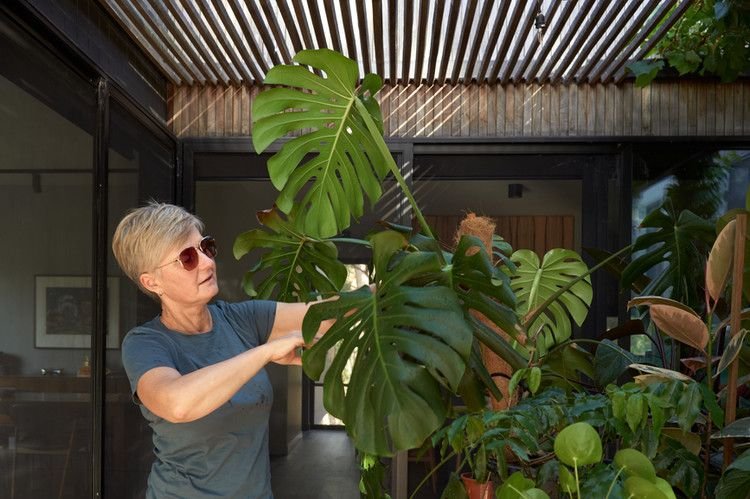
How to Tell If Your Plant Leaves Need Cleaning Right Now
Don’t know if it’s time to clean your plants? Look out for these signs:
Dull or no shine — Leaves that used to look shiny now look flat and lifeless.
Visible dust layer — Run your finger along a leaf. If you notice a gray or white trail, it’s time to clean.
Yellowing despite good care — If watering and light seem right yet leaves are turning yellow, dust is likely blocking photosynthesis.
Tiny bugs or webbing — This sounds like spider mites. Clean leaves at once and spray with neem oil.
White crusty spots — These are most likely mineral deposits from tap water. Wipe them off with the vinegar spray method.
Mistakes to Avoid While Cleaning Your Plant Leaves
Even good intentions can cause harm if you’re not careful. Here are some of the most common mistakes plant parents make:
Using cold water — Never use cold water. It stresses the leaf tissue and may cause marks.
Rubbing too hard — Leaves are fragile. Overly vigorous rubbing may damage the surface or strip away the naturally occurring waxy layer.
Cleaning in direct sunlight — Wet leaves under direct sun can get scorched. Always clean in indirect light or on a cloudy day.
Using too much product — Whether it’s milk, neem oil, or your DIY spray, more is not better. A thin layer is enough.
Ignoring the undersides — This is where most of the damage and pests originate. Always clean both sides.
Waiting too long to clean — A monthly check is the minimum. Dustier environments will require more regular maintenance.
A Simple Monthly Plant Cleaning Routine
Establishing a routine removes the guesswork when it comes to caring for your plants. Try this simple plan:
Week 1 — Wipe down large-leafed plants with a damp cloth.
Week 2 — Examine all plants for pests. Spray any plant that’s had pest problems recently with neem oil.
Week 3 — Rinse humidity-loving plants in the shower.
Week 4 — Do a full check. Clean fuzzy-leafed plants using a dry brush. Refresh your DIY spray bottle.
This whole routine requires under 30 minutes per month for an average collection of 5–10 plants. It’s worth every second.
Indoor Plant Leaf Cleaning FAQs
Q: Can I use olive oil to shine plant leaves? A: It is a suggestion that gets floated around, but it’s not recommended. Olive oil is too thick and can close up the leaf’s pores over time. Stick with the banana peel method or DIY spray for a natural sheen.
Q: What’s the best way to clean air plants (Tillandsia)? A: Air plants should be submerged in water and then turned upside down to dry every 1–2 weeks. A gentle misting in between works just as well. No wiping needed.
Q: Can I use tap water to clean the leaves? A: Yes, although hard tap water can cause white mineral spots. If this is an issue in your area, switch to distilled water or allow tap water to sit out overnight before using it.
Q: My plant’s leaves are sticky. What does that mean? A: Sticky residue tends to indicate pests — typically aphids or scale insects. Clean the leaves thoroughly with neem oil solution and give the plant a careful inspection to remove any bugs.
Q: Can I clean cactus plants? A: Yes, but carefully. Dust off with a soft dry brush or spray with compressed air. Avoid getting water on the body of the cactus.
Q: Will cleaning leaves help a sick plant recover? A: It can help. Clean leaves take in more light, giving the plant more energy to recover. But if the plant has been affected by disease or a root problem, cleaning alone won’t fix it. Combine leaf cleaning with correct watering and soil care.
Q: How soon can I water after cleaning? A: You may water at your normal time. Leaf cleaning does not affect your watering schedule. Just make sure the leaves are dry before placing the plant in direct sunlight.
Wrapping It All Up
Healthy, shiny foliage isn’t just luck or expensive products. It’s the result of simple, consistent care — care anyone can do with things most of us already have at home.
The 7 hacks in this guide — from the simple damp cloth wipe to the neem oil spray — give you everything required to keep your indoor plants looking and feeling their absolute best. Every method is safe, inexpensive, and based on solid plant science.
Start small. Choose one plant that appears dull. Try the banana peel trick or a simple wipe-down this week. Once you experience the difference, you’ll want to do every plant in your home.
A clean leaf is a happy, healthy leaf. A healthier plant means a more beautiful, vibrant living space for you.
Your plants are already doing their best. A little help from you goes a long way.