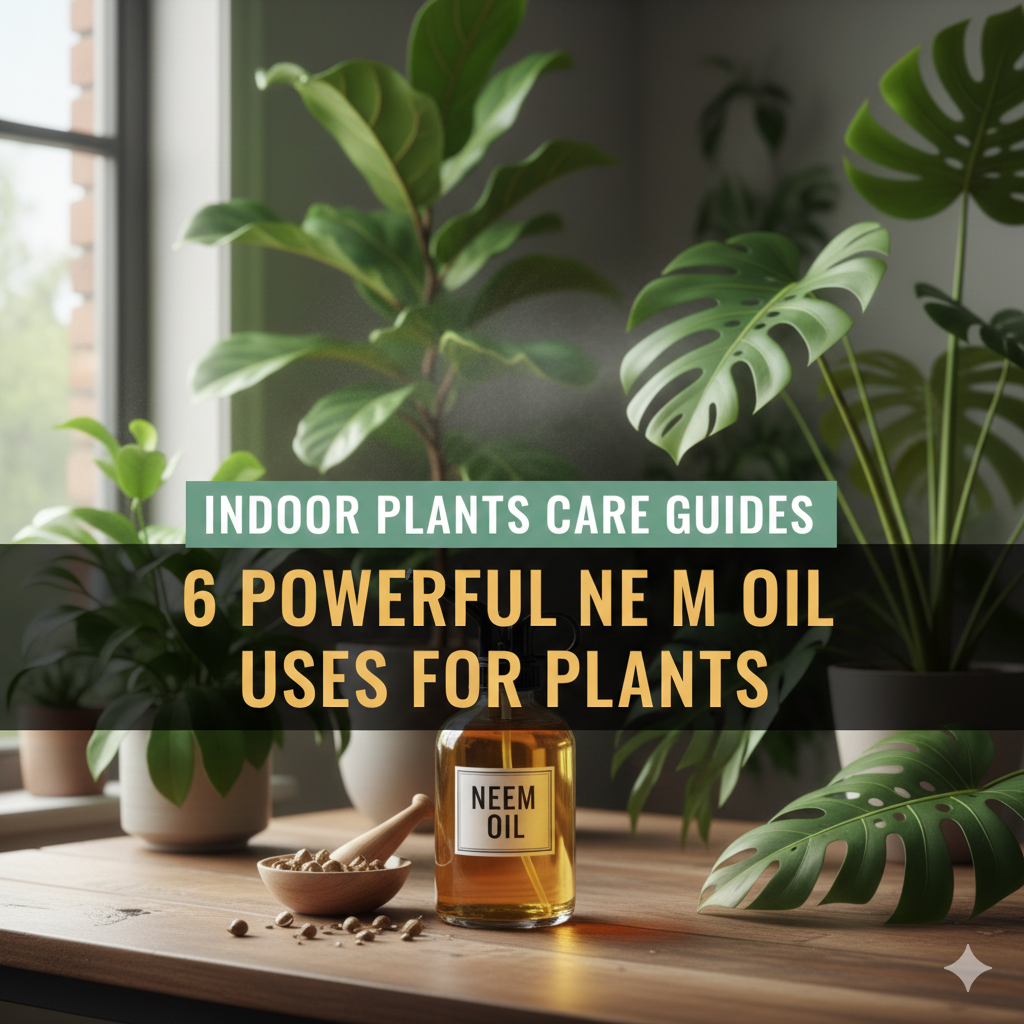
6 Strong Neem Oil Uses for Plants
If you have indoor plants, chances are that you’ve dealt with pests, wilted leaves or mysterious white spots at some point. It’s frustrating. You water your plants, offer them light and still something goes wrong.
Enter neem oil.
Neem oil is one of the most reliable products used in natural plant care. It is extracted from the seeds of the neem tree (Azadirachta indica), which thrives in South Asia and Africa. It’s been used for thousands of years — in medicine, skincare, and farming.
To plant enthusiasts, neem oil is the Swiss Army knife. It takes care of pests and diseases, and even makes your plants look better.
You’ll discover what neem oil really is, how it works, and the 6 most effective neem oil uses for plants — all with simple explanations and step-by-step instructions.
Why Neem Oil Is So Good for Your Plants
Azadirachtin is a plant-derived compound found in neem oil. This is the main active ingredient. It disrupts the life cycle of insects, making it more difficult for them to grow, feed and reproduce.
But that’s not all. Neem oil also contains:
- Fatty acids that cover and suffocate soft-bodied insects
- Antifungal abilities that prevent the spread of mold and mildew
- Antibacterial substances that shield plant tissue
It’s harmless to humans and pets when used properly. It doesn’t poison the environment as chemical pesticides do. And best of all — it works.
Can You Use Neem Oil Indoors?
Yes, you can use neem oil indoors. It has an intense odor (some describe it as pungent garlic and peanuts), but the smell dissipates rapidly.
A few things to keep in mind:
- Always dilute neem oil when spraying it on plants, as pure neem oil can harm plant foliage
- Use it in the evening or when your plant is no longer under direct sun
- Do not allow pets near treated plants until the spray has dried
Neem oil breaks down naturally on its own within a few days.
What You’ll Need Before You Begin
Before jumping into the 6 uses, here’s a handy list of what you’ll typically need:
| Item | Why You Need It |
|---|---|
| Cold-pressed neem oil | The most effective and pure form |
| Mild liquid dish soap | Helps neem oil mix with water |
| Spray bottle | Makes application simple and even |
| Warm water | Cold water makes mixing harder |
| Measuring spoons | For accurate diluting |
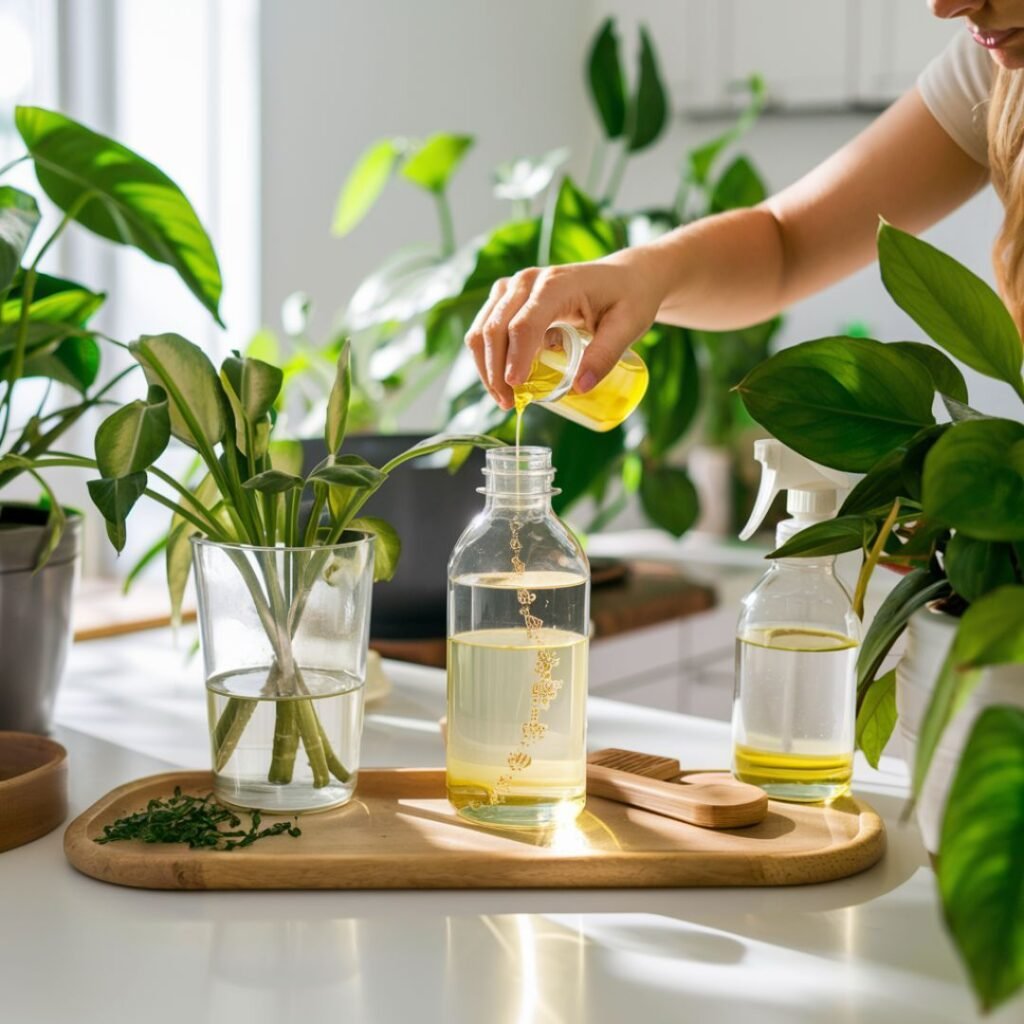
Basic Neem Oil Spray Recipe: Mix 1 teaspoon of neem oil + 1/2 teaspoon of dish soap + 1 quart of warm water. Shake well before every use.
6 Effective Neem Oil Uses for Plants
Use #1 — Tackle Common Indoor Plant Pests
This is the most common of all neem oil uses for plants, and it makes sense. It works.
Indoor plants attract a long list of pests. The most common ones include:
- Spider mites — look for little red or brown dots under leaves
- Fungus gnats — tiny flying insects that buzz around soil
- Mealybugs — white fluffiness near the base of stems
- Aphids — tiny green or black bugs on new growth
- Scale insects — brown bumps on stems
Neem oil is effective on all of these insects.
How It Works on Insects
Azadirachtin (neem oil’s active ingredient) isn’t a quick kill for insects. Instead, it:
- Blocks their ability to feed
- Stops their eggs from hatching
- Disrupts their molting process (how they grow)
- Dulls their urge to lay further eggs
The pest population eventually crashes. In fact, it’s a better solution than chemical sprays, which often end up leaving behind resistant pest populations.
How to Apply
Spray the solution all over the plant — top and bottom of leaves, stems, and the soil surface. Repeat every 5–7 days for 2–3 weeks until the infestation is gone.
Pro Tip: To get rid of mealybugs, apply undiluted neem oil to the white clusters with a cotton swab. This works faster than spraying.
Use #2 — Halt Fungal Disease in Its Tracks
Fungal problems are sneaky. They begin subtly — a few white spots or a yellowish patch — and in no time your plant’s entire appearance looks sick.
Neem oil has potent antifungal properties. It acts on a number of common plant fungal diseases:
| Fungal Disease | What It Looks Like |
|---|---|
| Powdery mildew | White powder coating on leaves |
| Black spot | Dark circular spots on leaves |
| Leaf blight | Brown, dry, spreading leaf edges |
| Root rot (early stages) | Yellowing, drooping, mushy base |
| Downy mildew | Gray or purple fuzzy patches |
Why Neem Oil Works on Fungi
A thin film of neem oil remains on the treated leaves. This prevents fungal spores from landing on the plant and germinating.
It also fights already-infected leaves by halting the spread and giving the plant time to recover.
How to Apply for Fungal Issues
Mix your typical neem oil spray and apply it to all leaf surfaces. In case of powdery mildew, spray every 3–4 days for the first two weeks.
Be sure you’re not overwatering your plants either — fungal diseases thrive in wet, humid environments. A combination of neem oil spray and a better watering schedule will help you gain control faster.
Use #3 — Drench the Soil to Kill Fungus Gnats
Fungus gnats are probably the most irritating pests indoor plant enthusiasts have to face. The adult flies are just annoying, but the real damage comes from their larvae — tiny worms that live underground and eat plant roots.
That’s where a neem oil soil drench comes in.
A soil drench is not the same as spraying leaves. Instead, you water your plant with a diluted neem oil solution, letting it soak into the soil.
How the Soil Drench Works
When neem oil gets into the ground:
- Fungus gnat larvae ingest it and cease feeding
- Azadirachtin disrupts their growth cycle
- Larval numbers decline rapidly within 1–2 weeks
- Without larvae around, the adult flies no longer show up either
Soil Drench Recipe
Combine 2 teaspoons of neem oil + 1 teaspoon of dish soap + 1 gallon of water. Pour directly into the soil — enough to reach the roots. Apply weekly for 3–4 weeks.
Important: Only drench moist soil. Pouring neem oil into bone-dry soil can shock the root system of the plant.
This is one of the least common neem oil uses for plants, but it works very well.
Use #4 — Prevent Future Pest Attacks and Protect New Growth
Most people only use neem oil when they encounter an issue. But here’s something smarter — use it as a preventive shield.
Consider this: when there is a film of neem oil on your plant, any pest that lands upon it will:
- Have trouble feeding
- Be less likely to lay eggs
- Move on to find another unprotected plant
This is particularly handy if you:
- Just brought a new plant home
- Are moving plants in and out of their living space
- Live in a warm, humid climate where bugs thrive
How Often to Apply Preventively
For prevention, spray your plants with a diluted neem oil mixture once every 2–3 weeks. This is sufficient to maintain protection without overburdening the plant.
Which Plants Benefit Most
| Plant Type | Why Prevention Helps |
|---|---|
| Tropical plants (pothos, philodendrons) | Spider mite and aphid magnets |
| Herbs (basil, mint, rosemary) | Indoor fungus gnat attractors |
| Succulents and cacti | Mealybug targets |
| Ferns | Extremely delicate — prevention beats treatment |
| Flowering plants | Aphids love new buds |
Establish a monthly neem oil routine and you’ll find far fewer pest issues over time. For more tips on keeping your indoor plants healthy, visit Indoor Plants Guide — a great resource for plant care advice and guides.
Use #5 — Make Leaves Shiny With Natural Leaf Polish
Here’s a neem oil use you probably didn’t know about — it acts as a natural leaf polish.
Indoor plant leaves gather dust. This is a real problem because:
- Dust prevents sunlight from reaching the surface of leaves
- It clogs the small pores (stomata) through which plants breathe
- It makes your plant look dull and unhealthy
Commercial leaf shine products are typically packed with chemicals that further clog pores. Neem oil is different.
How to Apply Neem Oil as Leaf Polish
Mix a few drops of neem oil into water (much weaker than your pest spray). Soak a clean, soft cloth in the solution and gently wipe each leaf — top surface only.
The result:
- Leaves look bright and glossy
- Dust is removed
- The plant can photosynthesize more efficiently
- As a bonus, you get light pest and fungal protection
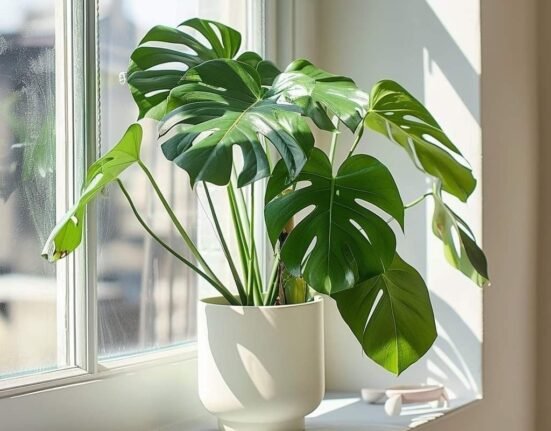
It works particularly well for plants with big, flat leaves such as monsteras, rubber plants, peace lilies and snake plants.
Skip this approach for: Fuzzy-leaved plants (such as African violets) and succulents. Neem oil tends to clog the fine hairs of fuzzy leaves and doesn’t get along well with the waxy coating on some succulents.
Use #6 — Treat and Recover Stressed or Sick Plants
Occasionally, a plant just looks… off. Yellowing leaves. Slow growth. Drooping stems. You’re not quite sure what’s wrong, but something isn’t right.
In many cases, a mix of minor pests, early-stage fungal infection, or bacterial stress is occurring all at the same time. This is where neem oil comes in as a broad-spectrum plant treatment.
Because neem oil works against:
- Insects
- Fungi
- Some bacteria
- Soil-borne pathogens
It can help a struggling plant bounce back even when you don’t know for certain what the problem is.
How to Apply Neem Oil for Plant Recovery
Do a full treatment:
- Spray all leaf surfaces with diluted neem oil
- Follow up after three days with a soil drench
- Repeat the spray every 5 days for 3 weeks
- Move the plant to a location with good airflow
Track your plant’s progress. New healthy growth is a good sign that recovery is working.
What Neem Oil Can’t Fix
Keep your expectations about neem oil in check:
| Can Help With | Cannot Fix |
|---|---|
| Pest infestations | Overwatering damage |
| Fungal diseases | Nutrient deficiencies |
| Bacterial surface infections | Root rot in advanced stages |
| General plant stress | Physical damage (torn leaves) |
| Preventive protection | Poor light conditions |
If your plant isn’t getting better after 4–5 weeks of neem oil treatment, the problem may be environmental — too much water, poor light, or bad soil mix. Neem oil works best when combined with proper plant care.
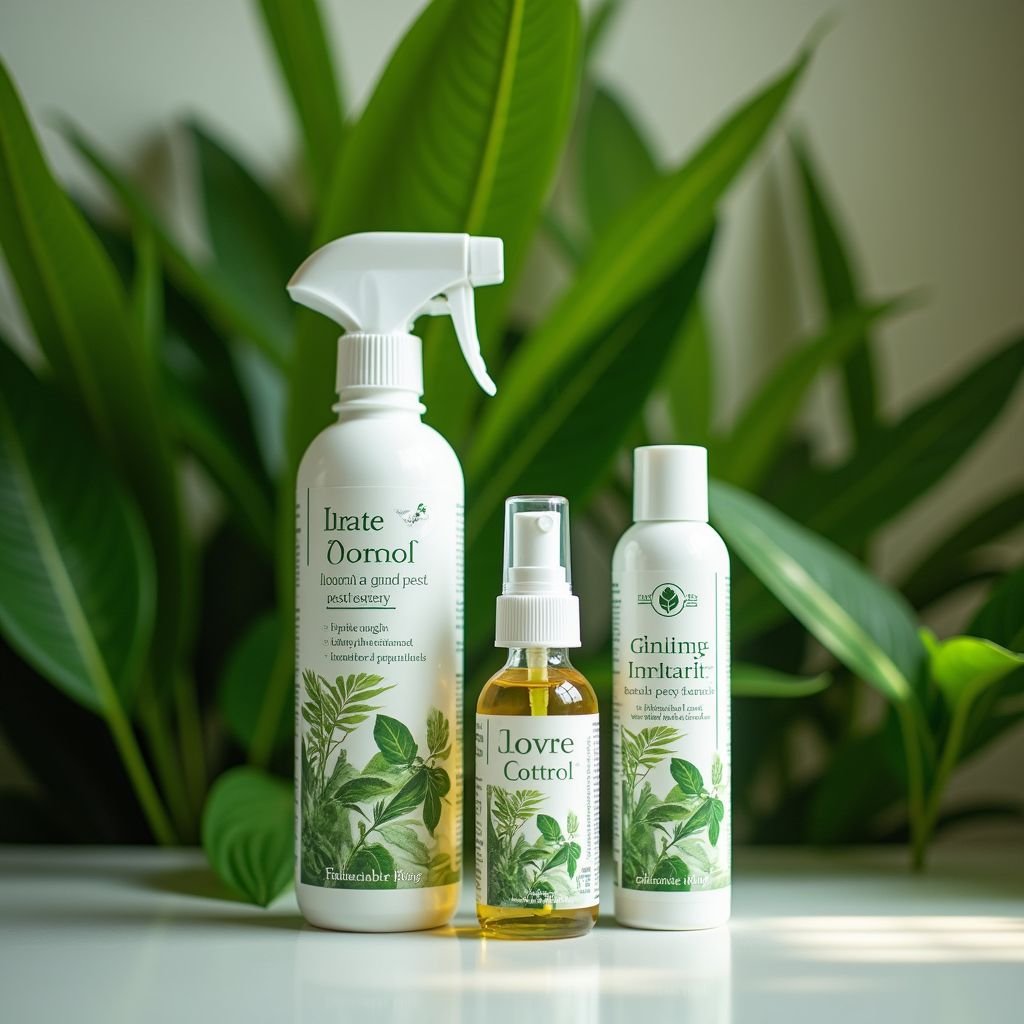
How to Make the Perfect Neem Oil Spray at Home
Here’s a step-by-step breakdown of making an effective neem oil spray:
Step 1: Heat 1 quart of water until warm — not boiling.
Step 2: Add 1/2 teaspoon of mild liquid dish soap. This acts as an emulsifier — it helps oil and water mix.
Step 3: Add 1 teaspoon of cold-pressed neem oil.
Step 4: Shake the bottle vigorously for 30 seconds before every use. Neem oil and water separate when left sitting still.
Step 5: Apply to your plants immediately. Homemade neem oil spray loses potency within 8 hours.
Pro Tip: Always do a patch test first. Spray one or two leaves and wait 24 hours. If there’s no burning or damage, proceed with the full plant.
According to the University of California Statewide Integrated Pest Management Program, neem oil is one of the most recommended organic pest control options for both indoor and outdoor plants.
Mistakes With Neem Oil That People Make Unknowingly
Even seasoned plant keepers can mess this up. Here are the top mistakes to avoid:
Mistake 1: Overdoing it with neem oil More is not better. Too much neem oil can burn leaves and clog pores. Stick to the recommended dilution.
Mistake 2: Applying in direct sunlight Neem oil + sunlight = leaf scorch. Apply in the evening or move plants away from windows before treating.
Mistake 3: Not shaking the bottle Oil and water naturally separate. If you don’t shake before spraying, you’re basically spraying plain water.
Mistake 4: Quitting too early Neem oil is not a knockdown product. It works over 1–3 weeks. Be patient and consistent.
Mistake 5: Applying to drought-stressed plants Never use neem oil when a plant is severely underwatered. The plant is already under stress and neem oil may add to it. Water first, wait a day, then treat.
Neem Oil Uses — Quick Reference Chart
| Use | Method | Frequency |
|---|---|---|
| Pest control | Leaf spray | Every 5–7 days |
| Fungal disease | Leaf spray | Every 3–4 days |
| Fungus gnat larvae | Soil drench | Once a week |
| Prevention | Leaf spray | Every 2–3 weeks |
| Leaf polish | Cloth wipe | Monthly |
| Sick/stressed plants | Spray + drench | Every 5 days |
FAQs About Neem Oil Uses for Plants
Q: Can I use neem oil on all my indoor plants? Neem oil is well tolerated by most indoor plants. But avoid using it on seedlings, very young plants, or fuzzy-leaved plants like African violets. Always do a 24-hour patch test before full use.
Q: How long does the neem oil scent last? The garlic-like smell of neem oil does disappear after a short while, especially with decent airflow. If the smell bothers you, open a window after spraying.
Q: How quickly does neem oil work on pests? You should start seeing a difference in pest population within 7–14 days. It may take 3–4 weeks of continued treatment to fully eliminate a pest colony.
Q: Can I spray neem oil on edible herbs indoors? Yes, neem oil is safe for edible plants. Be sure to rinse the leaves thoroughly with clean water before eating or cooking with the herbs.
Q: Does neem oil kill beneficial insects like bees? Neem oil can harm beneficial insects if directly sprayed on them. But because you’re using it indoors and applying in the evening when plants aren’t actively flowering, there is minimal risk.
Q: What is the proper way to store neem oil? Keep neem oil in a cool, dark place. It is prone to solidifying in cold temperatures — if it does, set the bottle in a bowl of warm water for a couple of minutes and it will liquefy again. Stored properly, it lasts up to 1–2 years.
Q: Can neem oil scorch plant leaves? Yes, if applied too concentrated or in direct sunlight. Always use a correctly diluted mix and apply when light is low.
Q: Is neem oil organic? Cold-pressed neem oil derived from the seed of the neem tree is considered a natural pesticide. It’s certified for organic use by several regulatory agencies in various countries.
The Bottom Line
One of the greatest things you can add to your indoor plant care routine is neem oil. It’s natural, versatile, and it works.
Whether you’re battling a full-blown spider mite situation, attempting to halt the spread of powdery mildew, or simply want your monstera leaves to look their best — there’s a neem oil use for that.
The 6 effective neem oil uses for plants covered in this guide are:
- Eliminating common indoor plant pests
- Stopping and preventing fungal diseases
- Soil drenching to kill fungus gnat larvae
- Preventing future pest attacks proactively
- Polishing and cleaning plant leaves naturally
- Treating and recovering stressed or sick plants
Begin with the basic spray recipe, stay consistent, and be patient. Neem oil rewards the determined plant owner with cleaner, healthier, and more resilient flora.
Your plants are worth it.