Indoor Plants Care Guides: 6 Quick Cures for Drooping Leaves
You go to your favorite houseplant to find that something is wrong. The leaves are hanging low. They appear gloomy, flattened, and dead. Sound familiar?
One of the major issues that plant owners encounter is drooping leaves. The good news? In the majority of cases, it is a trivial solution. It does not require you to be an expert in gardening. All you have to do is know what to look for.
This handbook takes you through six quick and proven solutions to ensure your plants recover. This article will be of value to you whether you are a first-time plant parent or one who has long been a houseplant grower.
Let us get into it.
Why Do Houseplant Leaves Droop in the First Place?
You must be aware of the cause of the problem before you fix it.
Drooping is one of the things your plant does to send you an SOS. Plants are not capable of speaking, yet they can demonstrate that something is wrong. Drooping normally indicates that the plant is stressed.
The stress may come from various origins — too much water, too little water, incorrect light, poor soil, pests, or even improper temperature. There is a different solution to each cause. And that is what we are going to discuss here.
The following is a brief description of the most typical causes:
| Cause | What It Looks Like | How Common Is It? |
|---|---|---|
| Overwatering | Tender, squashy stems, yellow leaves | Very Common |
| Underwatering | Dry soil, crispy edges of the leaves | Very Common |
| Too Much or Too Little Light | Pale leaves, bent toward light | Common |
| Root Bound Plants | Roots growing out of drainage holes | Moderate |
| Pests or Disease | Spots, webs, sticky residue | Moderate |
| Temperature Stress | Sudden leaf drop, wilting near vents | Less Common |
Now let us dig into the fixes.
Fix #1 — Check Your Watering Habits First
This is the number one cause of leaf drop in houseplants. And here comes the tricky part — too much water can cause leaves to droop, and so will too little water.
Too Much Water Is Actually Worse Than Too Little
The majority of individuals believe that they are excellent plant parents by watering their plants frequently. However, there is no quicker method of killing a plant than overwatering.
Roots that sit long in wet soil are unable to breathe. They start to rot. Rotting roots are unable to transport water and nutrients to the leaves. Therefore, though the soil is moist, the plant is literally drying up on the inside.
Overwatering is manifested in these signs:
- Soft, droopy leaves — not crispy
- Leaves that are yellow and fall off very easily
- The soil smells musty or rotten
- Soil that remains wet for over one week
The Fix: Stop watering immediately. Relocate the plant to a place that has indirect light. Allow the soil to dry up completely. In case the roots are rotten, you might be required to repot the plant in fresh soil and remove any black or mushy roots.
When Your Plant Is Just Plain Thirsty
On the other hand, leaves also droop due to underwatering. However, this drooping looks different. The foliage is dry and papery. The soil is bone dry and contracting toward the sides of the pot.
The Fix: Give the plant a deep drink. Put the pot in a tray of water and leave it for 30 minutes to allow it to absorb water from the bottom. This is referred to as bottom watering, and it is quite effective when dealing with plants that have dried out completely.
A Simple Watering Rule to Follow
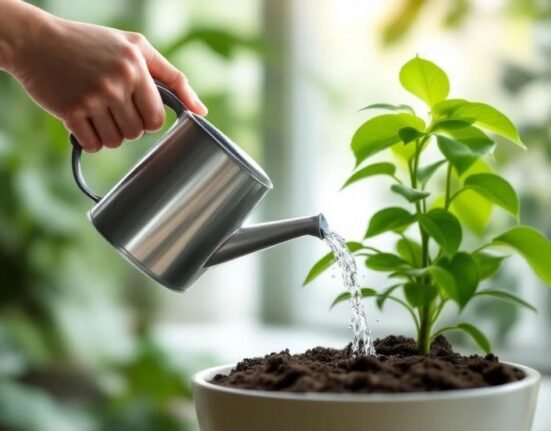
Insert your finger 1 inch into the soil. If it is dry, water the plant. If it still feels damp, wait another couple of days. This finger test is effective with the majority of houseplants.
Fix #2 — Take a Hard Look at the Light
Light is plant food. In the absence of the right amount, your plant will not be able to generate energy. And without energy, leaves begin to droop.
Too Much Direct Sunlight
Some plants burn easily. Direct afternoon sun through a window can burn leaves, causing them to curl, dry out, and droop.
Cacti and succulents are fond of full sunshine. However, the majority of tropical houseplants — such as pothos, peace lilies, and monsteras — prefer bright, indirect light.
The Fix: Relocate the plant several feet back from the window. A sheer curtain can also help filter harsh light without blocking it completely.
Not Enough Light
Another typical issue is low light. Plants that receive insufficient light become weak. They reach out toward whatever source of light they can find, and their stems grow too thin to support the leaves.
The Fix: Relocate the plant nearer to a window. South-facing and east-facing windows normally provide the best natural lighting indoors. A grow light can make a big difference if natural light is insufficient.
Quick Light Guide for Popular Houseplants
| Plant | Ideal Light Level |
|---|---|
| Pothos | Low to Medium Indirect Light |
| Snake Plant | Low to Bright Indirect Light |
| Fiddle Leaf Fig | Bright Indirect Light |
| Peace Lily | Low to Medium Indirect Light |
| Monstera | Bright Indirect Light |
| Succulent | Bright Direct Light |
Fix #3 — See What Is Going on Underground
Sometimes it is not what you can observe on top of the soil. It is what is going on in the roots below.
Root Bound Plants Run Out of Room
A plant that grows for a long time in the same pot will eventually fill every inch of space. This is referred to as being “root bound.” The roots no longer have the space to grow and thus begin to circle around the base of the pot or even protrude out of the drainage holes.
A root bound plant is not able to absorb water and nutrients well. The result? Drooping leaves, stunted growth, and a plant that wilts quickly even right after watering.
Signs your plant is root bound:
- Roots are visibly coming out of the drainage hole
- Water flows directly through the pot without being absorbed
- The plant dries out unusually fast
- The pot looks too small for the size of the plant
The Fix: Repot the plant into a new container that is 1–2 inches wider than the current one. Use fresh potting mix. Gently loosen the roots before placing the plant in its new home. This gives the roots fresh space and nutrients to work with.
Do not go too big with the new pot. An oversized pot holds excess moisture, which can lead back to root rot.
Root Rot Is a Real Emergency
In the event that your plant has long been sitting in wet soil, the roots may have started to rot. Root rot is caused by a fungus that thrives in wet environments.
Symptoms include black or brown mushy roots, a foul odor from the soil, and drooping leaves despite the soil being wet.
The Fix: Take the plant out of the pot carefully. Rinse the roots under water. Use clean scissors to cut off all black, soft, and slimy roots. Repot in fresh, well-draining soil. Allow the plant to rest in a shaded area for a week before reinstating a normal routine.
Fix #4 — Deal With Pests Before They Take Over
Pests are sneaky. They are usually too tiny to notice right away, but they can do severe damage before you realize what is happening.
Common Pests That Cause Drooping Leaves
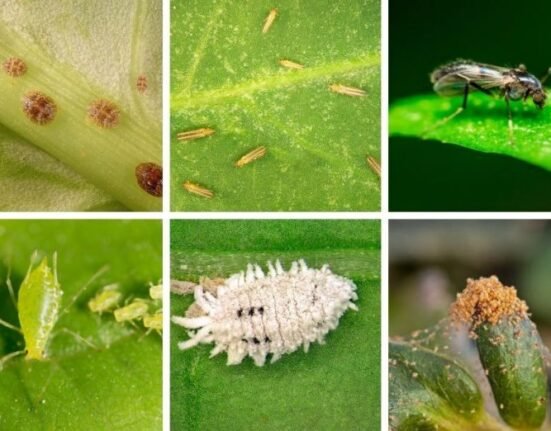
Spider Mites are minuscule insects that extract moisture from plant cells. They leave behind fine webbing on the undersides of leaves. Infested plants look dusty and droopy.
Fungus Gnats are small flying insects that deposit their eggs in damp soil. Their larvae weaken a plant by chewing its roots, thus causing it to wilt.
Mealybugs resemble miniature clusters of cotton at the base of leaves or along stems. They drain the plant’s sap, causing it to turn yellow and droop.
Scale Insects are tiny, flat, brownish bugs that attach to stems and suck out nutrients.
How to Spot a Pest Problem Early
- Check the undersides of leaves regularly
- Look for sticky residue (called honeydew) on leaves
- Watch for discolored spots or tiny moving dots
- Check the soil surface for small flying insects
The Fix for Pests
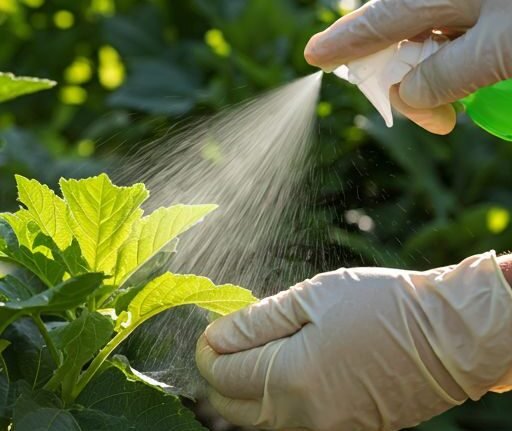
For the majority of soft-bodied pests, neem oil combined with water works well. Mix one teaspoon of neem oil with a few drops of dish soap and one cup of water. Apply it to every part of the plant, including under the leaves.
For fungus gnats, allow the top inch of soil to dry completely between waterings. This destroys the larvae, which require damp soil to survive.
Repeat treatment every 5–7 days for at least 3 weeks to break the pest lifecycle.
💡 Pro Tip: For a complete library of houseplant pest guides, watering schedules, and care tips for every plant type, visit Indoor Plants Guide — your go-to resource for keeping houseplants healthy year-round.
Fix #5 — Fix the Temperature and Humidity Around Your Plant
Your home may be comfortable to you, but your plants have their own preferences.
Cold Drafts and Heat Vents Are Leaf Killers
A great number of houseplants come from tropical or subtropical environments. They cannot cope with sudden changes in temperature or dry, blasted air.
Placing a plant near an air conditioning vent in summer or a heating vent in winter causes leaves to droop, curl, or even fall off. Cold drafts through windows in winter have the same effect.
The Fix: Relocate your plant away from vents, radiators, air conditioners, and drafty windows. The majority of houseplants thrive at temperatures between 60°F and 80°F (15°C to 27°C).
Humidity Makes a Bigger Difference Than You Think
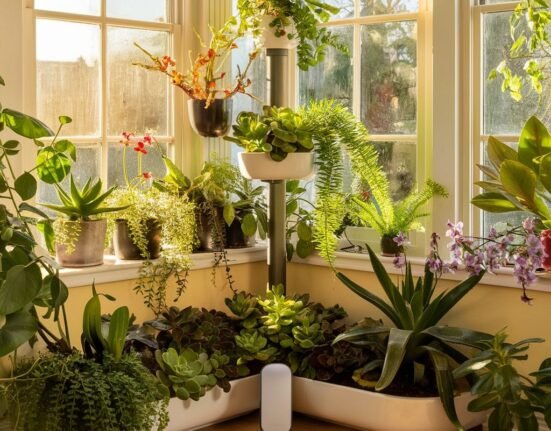
Tropical plants like ferns, calatheas, and orchids require higher humidity to grow. Most households — especially during winter when heating dries out the air — sit around 30–40% relative humidity. But these plants prefer 50–70%.
Low humidity causes leaf edges to turn brown, and leaves to curl or droop.
Fixes for Low Humidity:
- Group plants together so that moisture is shared through transpiration
- Place a tray of pebbles and water under the pot (make sure the pot sits above the waterline)
- Keep a small humidifier near your plants
- Mist the leaves lightly every couple of days (works well for ferns and calatheas)
According to the University of Minnesota Extension, maintaining consistent humidity and temperature levels is one of the most overlooked yet impactful aspects of indoor plant care.
Fix #6 — Feed Your Plant the Right Nutrients
Potted plants do not have the ability to search for nutrients the way plants in nature can. The nutrients in potting soil get depleted with time. Once that occurs, the plant begins to struggle.
Signs Your Plant Is Running Low on Nutrients
- Pale or yellowing leaves that were once vibrant green
- Slow or no growth even during the growing season
- Leaves drooping despite watering and light appearing fine
- Small, weak new leaves
What Nutrients Do Plants Actually Need?
Plants require three primary nutrients — nitrogen (N), phosphorus (P), and potassium (K). These are listed as N-P-K on fertilizer packaging.
- Nitrogen assists in the growth of leafy greens
- Phosphorus aids in root development and flowering
- Potassium assists in the general health of plants and stress resistance
| Nutrient | Signs of Deficiency | Good For |
|---|---|---|
| Nitrogen (N) | Yellowing old leaves, slow growth | Leafy green plants |
| Phosphorus (P) | Purple or reddish leaves, weak roots | Flowering plants |
| Potassium (K) | Brown leaf edges, drooping | All-purpose health |
The Fix for Nutrient Deficiency
Apply a balanced liquid fertilizer during the growing season — normally spring through early fall. A 10-10-10 or 20-20-20 blend works well for most houseplants.
During the growing season, feed your plant once every 2–4 weeks. Reduce or stop entirely during winter when the plant is dormant.
Do not over-fertilize. Excessive fertilizer burns the roots and gives you the same sort of drooping you are attempting to remedy. Always follow the recommended dosage on the label, or use half the dose to be safe.
A Quick Diagnosis Checklist Before You Start
Not sure where to begin? Use this simple checklist to narrow down the problem.
| Question | Yes | Possible Cause |
|---|---|---|
| Is the soil soggy or does it smell bad? | Yes | Overwatering or root rot |
| Is the soil completely dry and pulling away from the pot? | Yes | Underwatering |
| Are roots growing out through the drainage hole? | Yes | Root bound |
| Do you see tiny bugs, webbing, or white fluffy clusters? | Yes | Pest infestation |
| Is the plant near a vent or drafty window? | Yes | Temperature stress |
| Has it been a long time since you last fertilized? | Yes | Nutrient deficiency |
Work through this list before switching to solutions. It saves time and prevents you from making the problem worse.
How Long Does It Take for a Drooping Plant to Recover?
The recovery time is determined by how long the problem went on and which fix was applied.
A plant that was just underwatered may bounce back within a few hours of watering. A plant recovering from root rot or a heavy pest infestation may take several weeks.
Here is an approximate recovery timeline:
- Underwatering fix: 1–6 hours
- Overwatering fix (no root rot): 3–7 days
- Root rot fix: 2–4 weeks
- Pest treatment: 2–4 weeks (with repeat treatments)
- Repotting: 1–2 weeks of adjustment time
- Fertilizing fix: 2–4 weeks to see improvement
Be patient. Plant recovery happens at its own pace. Keep conditions constant, avoid making several changes simultaneously, and allow the plant to stabilize.
FAQs About Drooping Houseplant Leaves
Q: My plant drooped suddenly overnight. What happened? The cause of a sudden droop is normally underwatering, temperature shock, or being moved to a very different environment. Check the soil first. If it is dry, water deeply. In case you have just shifted the plant, it will take a week or two before it can settle into its new location.
Q: Can a drooping plant be saved if the damage looks severe? Yes, in most cases. Even a very stressed plant can recover if you act fast. Remove any dead or badly damaged leaves, correct the underlying cause, and provide the plant with stable conditions. Many plants are tougher than they appear.
Q: Why does my plant droop after I water it? This may occur when the roots have already been damaged from overwatering. The plant cannot absorb the water properly and thus remains wilted. Check the roots for rot. It can also occur when you are bottom watering a very dry plant — allow time for the water to be fully absorbed before checking again.
Q: Should I cut off drooping leaves? Not right away. A drooping leaf is still alive and may recover once the underlying issue is corrected. Only remove leaves that are completely dead, yellowed all the way through, or showing signs of disease to prevent it from spreading.
Q: How often should I check my houseplants for problems? Once a week is a great habit. During your check, feel the soil, look under the leaves for pests, examine the color and texture of the leaves, and check the drainage holes. Problems are much easier to resolve when caught in the early stages.
Q: Does the type of pot matter for drooping leaves? Yes. Pots without drainage holes retain water and cause overwatering problems. Terracotta pots dry out faster, making them better suited for succulents, while tropical plants may require more frequent watering in them. It is always advisable to use a pot with at least one drainage hole at the bottom.
Wrapping It All Up
Drooping leaves are frustrating, yet they can nearly always be corrected.
The six fixes discussed in this indoor plants care guide address the most prevalent causes of drooping houseplant leaves — problems with watering, lighting, roots, pests, temperature stress, and nutrient deficiency. The easiest checks should be done first, such as the watering finger test and inspecting for pests, before proceeding to more serious steps like repotting.
The trick is to watch your plants regularly and act before it is too late. A small issue discovered early is always easier to resolve than a large one left too long.
Your plant is not yet lost. It only requires some attention and the right fix at the right moment. With the tips in this indoor plants care guide, you have everything you need to make your drooping leaves stand tall once more.