Indoor Plants Care Guides: 6 Easy Ways to Repair Yellow Leaves
One morning you just wake up and pass through your favorite houseplant and find it — yellow leaves. Not one or two. A bunch of them. Your heart sinks a little. What went wrong?
The good news here is that yellow leaves are among the most widespread plant problems in the world. And the fix is easier, most of the time, than you imagine.
This is a guide to all you need to know. You will know why the leaves turn yellow, how to determine what is actually making it happen, and — the most important thing — how to correct it.
This guide is not only for first-time plant owners but also for those with a complete indoor jungle.
What Is the Reason Behind Indoor Plants Leaving the Leaves Yellow?
It is always good to know why this is happening before rushing to solutions.
Leaves are green because they have a pigment called chlorophyll. Chlorophyll helps plants receive sunlight and produce food. The plant is not able to generate enough chlorophyll when something goes wrong — too much water, not enough light, bad soil. The green fades. Yellow takes over.
Imagine it as a warning signal. Something is trying to be said to you by your plant.
The tricky part? The yellow symptom has its cause in a number of various issues. You need to play detective, then.
The following is a brief listing of the most prevalent causes:
| Cause | What It Looks Like |
|---|---|
| Overwatering | Yellowing from bottom up, soil is wet |
| Underwatering | Crispy dry edges + yellow in color |
| Insufficient Light | Yellowish, particularly on lower leaves |
| Nutrient Deficiency | Yellow with green veins or general fading |
| Pests | Yellow spots, sticky residue, little bugs |
| Natural Aging | Only the oldest/lowest leaves become yellow |
Now let’s go into every fix, one after the other.
Fix #1 — Stop Overwatering Your Plant (This Is the #1 Cause)
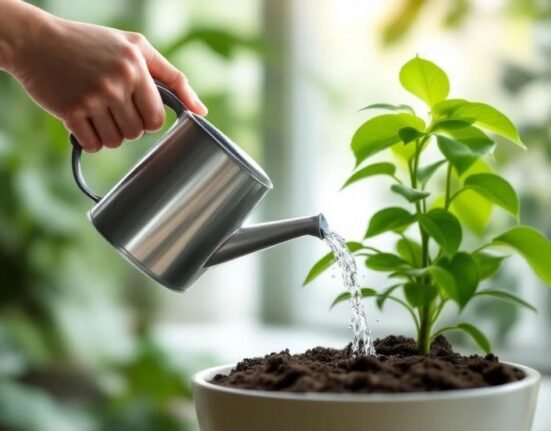
The most widespread cause of houseplant leaves developing yellow color is overwatering. Most people believe that more water means more love. But plants don’t work that way.
The roots are unable to breathe when the soil remains wet over an extended period of time. They start to rot. A rotting root system is unable to supply nutrients to the leaves. Thus they become yellow, go limp, and fall off.
How to Tell Whether Overwatering Is the Problem
Check the soil first. Insert your finger approximately an inch into the dirt. When it is wet or muddy — and it has been days since you last watered — that is a red flag.
Other signs of overwatering:
- Leaves are yellow AND soft or mushy
- The pot feels very heavy
- You see mold or smell a musty smell in the soil
- Lower leaves are turning yellow first
How to Fix It
Stop watering immediately. Allow the soil to dry up completely before you water again.
In case the problem is serious, remove the plant out of its pot. Look at the roots. Healthy roots are white or light tan. Rotten roots are brown, black, and mushy. Cut off the rotten roots with clean scissors. Repot in fresh, dry soil.
In the future, the finger test should be used before every watering. Water only when the top inch of soil is dry.
Pro Tip: Most indoor plants only need watering every 7–14 days. Some, like cacti and succulents, go even longer.
Fix #2 — Water Your Plant Enough (Yes, Too Little Also Causes Yellow Leaves)
On the other side, there is also the issue of underwatering. When your plant does not receive sufficient water, it starts to shut down. It sheds leaves in order to save energy. Those leaves tend to turn yellow before they fall.
Signs Your Plant Is Thirsty
- Leaves are yellow and the soil is bone dry
- Leaves feel dry, thin, or papery
- The edges of the leaves turn crispy and brown
- The plant appears droopy or wilted
This contrasts with overwatering. When underwatering, the soil is dry. In case of overwatering, the soil is wet. That’s the key difference.
How to Fix It
Water your plant thoroughly. Allow water to pass through until it comes out of the bottom of the pot. This ensures the entire root system gets hydrated.
Next, establish a routine of watering. Set a phone reminder if needed. Each plant is unique, but the following gives a general guide:
| Plant Type | Watering Frequency |
|---|---|
| Tropical plants (pothos, philodendron) | Every 7–10 days |
| Succulents and cacti | Every 14–21 days |
| Ferns | Every 5–7 days |
| Snake plants | Every 14–21 days |
| Peace lilies | Every 7–10 days |
Fix #3 — Change the Position of Your Plant to a Brighter Spot
Light is like food for plants. They are unable to produce chlorophyll without sufficient quantities of it. Without chlorophyll, the leaves become pale and yellow.
Low light is one of those tricky causes since it occurs gradually. It may take weeks or even months to realize. And one day you look at your plant and see that it is looking washed out and sad.
For a deeper look at how different plants respond to light conditions, the team at Indoor Plants Guide covers a wide range of species-specific care tips worth checking out.
How to Know If Your Plant Needs More Light
- Leaves are a pale, faded yellow — not bright yellow
- New growth is small and feeble
- The plant is bending toward the closest window
- Lower leaves are turning yellow and falling away
- Growth has slowed down a lot
What Counts as “Good Light” for Indoor Plants?
Here’s a simple breakdown:
Bright indirect light — Close to a window, but not in direct sunlight. Most tropical houseplants do well with this.
Direct sunlight — Right in the sun’s path. Good for cacti, succulents, and certain herbs.
Low light — Far from windows or in dark rooms. Very few plants truly thrive here (such as ZZ plants and cast iron plants).
How to Fix It
Bring your plant nearer to a window. South-facing and east-facing windows tend to receive the most light indoors.
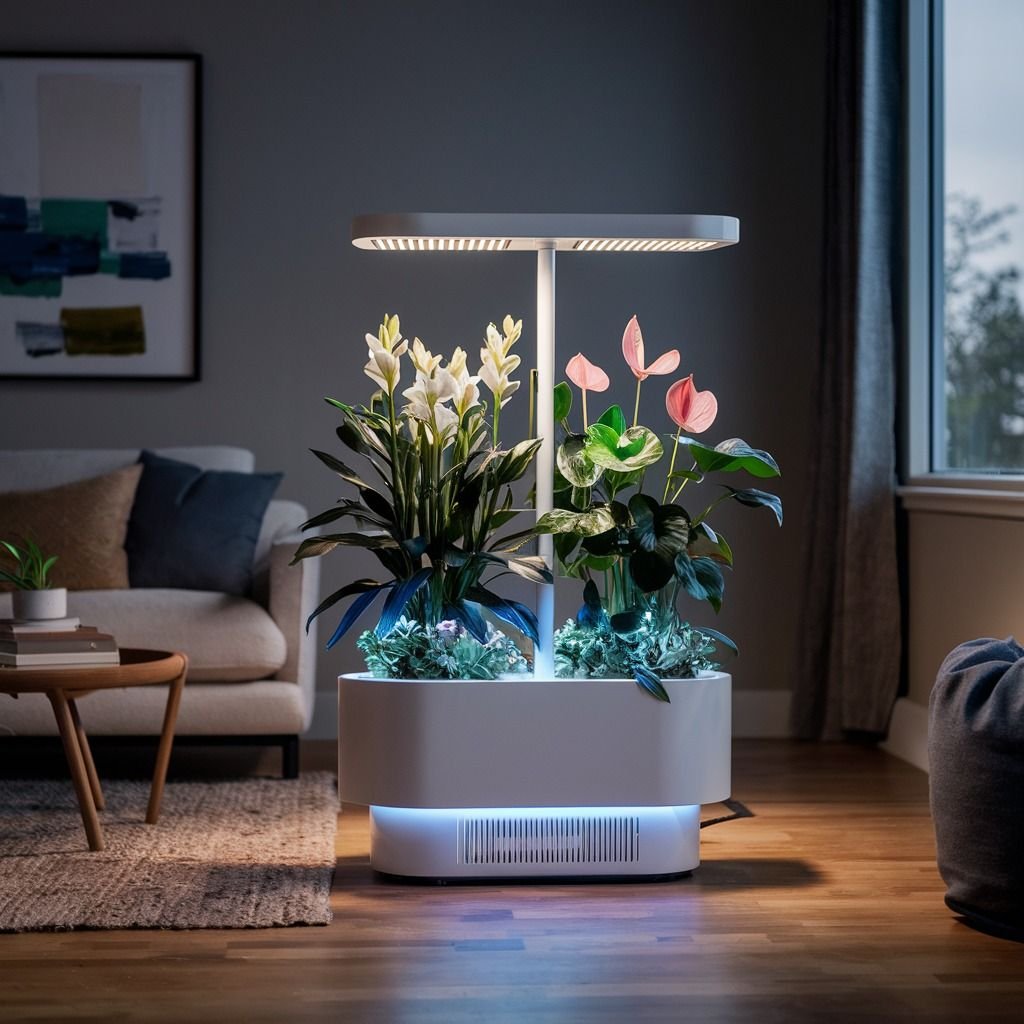
In case your house does not receive a lot of natural light, a grow light is worth considering. These are affordable LED lights that replicate sunlight. They perform well for plants in dark apartments or rooms without large windows.
One thing to watch: Do not go from low light to direct sun all at once. That can burn the leaves and result in more yellow spots. Move the plant gradually — a little closer to the window each week.
Fix #4 — Feed Your Plant the Right Nutrients
Plants do not just need water and sunlight. They need nutrients too. The three big ones are nitrogen (N), phosphorus (P), and potassium (K). Other minor nutrients include iron, magnesium, and calcium.
A plant that is missing any of these will reveal it in the leaves.
What Nutrient Deficiency Looks Like
It is here that it becomes a bit specific. Different missing nutrients result in different yellowing patterns:
| Missing Nutrient | What You Will See |
|---|---|
| Nitrogen | Leaves begin to turn yellow starting from the bottom |
| Iron | Yellow leaves with green veins (especially on new leaves) |
| Magnesium | Yellow patches in the middle of leaves |
| Calcium | Yellowing edges, curling leaves |
| Potassium | Yellow and brown leaf edges |
Why Does This Happen?
Indoor plants survive on a limited amount of soil. The plant eventually uses up all the nutrients in that soil. Tap water adds nothing back. So the plant slowly starves.
How to Fix It
Start fertilizing. Apply a balanced liquid fertilizer — something labeled 10-10-10 or 20-20-20. These numbers represent equal amounts of nitrogen, phosphorus, and potassium.
Fertilize once a month during the growing season (spring and summer). During fall and winter, most plants slow down, so you can pause or fertilize every 6–8 weeks.
Don’t over-fertilize either. Too much fertilizer burns roots and also causes yellowing. Always follow the label directions — and when in doubt, use less than recommended.
If you suspect a specific deficiency (such as iron), you can purchase a specific supplement. Most garden centers carry them. According to the Royal Horticultural Society, identifying the exact nutrient deficiency early can prevent long-term damage to your plant.
Fix #5 — Check for Pests Hiding on Your Plant
This one surprises many people. But little insects can cause big damage — including yellow leaves.
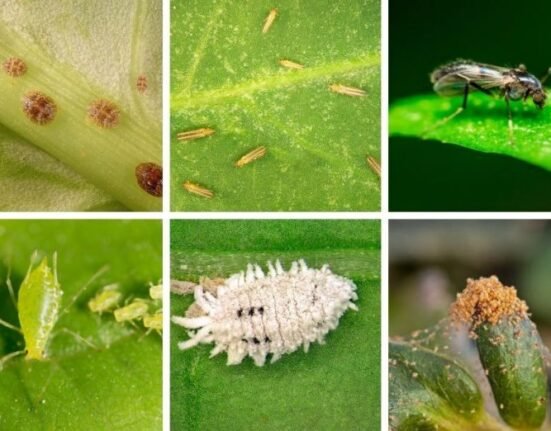
Pests like spider mites, aphids, and fungus gnats feed on your plant’s sap or roots. Once they do, the plant loses nutrients and gets stressed. Yellow spots or patches appear on the leaves.
Common Houseplant Pests and What They Do
Spider mites — Tiny dots on the underside of leaves. They spin fine webs. Cause yellow speckles on the leaves.
Aphids — Small green, white, or black insects. They cluster on stems and new growth. Cause curled, yellow leaves.
Mealybugs — White, cottony blobs in the leaf joints. Cause yellowing and sticky residue.
Fungus gnats — Tiny flies that hover around the soil. Their larvae feed on roots, causing yellow leaves from the ground up.
Scale insects — Brown bumps stuck to stems. They suck sap and cause slow, spreading yellowing.
How to Check for Pests
Look under the leaves. That is where most pests hide. Check the stems too. Use a magnifying glass if you can.
How to Fix It
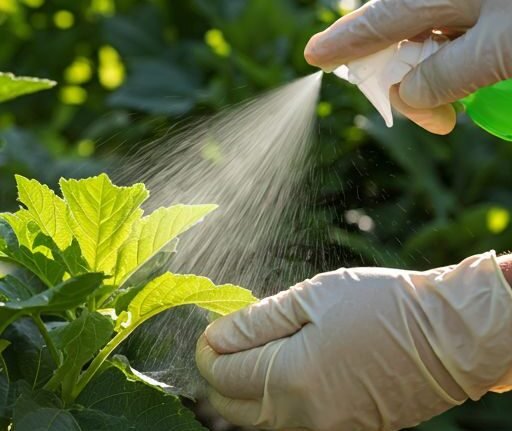
Most pests can be managed with a basic soap spray. Mix a few drops of dish soap with water in a spray bottle. Spray the whole plant — top and bottom of leaves. Repeat every few days for two to three weeks.
For spider mites, wipe the leaves with a damp cloth first. Then apply neem oil. Neem oil is a natural, plant-safe pesticide that works on most common pests.
For fungus gnats, let the soil dry out between waterings. This kills the larvae. You can also use yellow sticky traps to catch adult gnats.
Isolate any infected plant from your others. Pests spread fast.
Fix #6 — Know When Yellow Leaves Are Totally Normal
Here is a fix that requires zero effort: sometimes, you just do nothing.
Yellow leaves do not necessarily mean something is wrong. Plants naturally shed their older, lower leaves as they grow. It is part of their normal life cycle.
How to Tell If It Is Just Natural Aging
- Only the oldest, lowest leaves are yellowing
- The rest of the plant looks healthy and green
- Strong new growth is coming in at the top
- The yellowing happens slowly — just one or two leaves at a time
If this sounds like your plant, relax. It’s fine. All you need to do is cut off the yellow leaves with clean scissors. They are no longer needed by the plant.
When Should You Actually Worry?
You should take action when:
- Many leaves are yellowing at the same time
- Yellow leaves are appearing on new growth, not just old leaves
- The plant looks generally weak, droopy, or stunted
- You see other signs like spots, pests, or soggy soil
A Simple Step-by-Step Diagnosis Guide
Not sure which fix applies to your plant? Use this quick checklist:
Step 1: Check the soil. Is it wet or dry?
- Wet → Overwatering (Fix #1)
- Bone dry → Underwatering (Fix #2)
Step 2: Check the light. Is the plant getting enough?
- Dark corner, far from windows → Low light (Fix #3)
Step 3: When did you last fertilize?
- Never or months ago → Nutrient deficiency (Fix #4)
Step 4: Look under the leaves and at the stems.
- Bugs, webs, or sticky residue → Pests (Fix #5)
Step 5: Look at which leaves are yellow.
- Only the lowest, oldest ones → Normal aging (Fix #6)
Best Indoor Plants That Are Less Likely to Get Yellow Leaves
Some plants are naturally tough and resistant to yellowing. If you continue to struggle, consider switching to these low-maintenance options:
| Plant Name | Why It’s Great |
|---|---|
| Snake Plant | Tolerates low light and infrequent watering |
| ZZ Plant | Nearly indestructible, handles neglect well |
| Pothos | Adaptable to most indoor conditions |
| Cast Iron Plant | Lives up to its name — very hard to kill |
| Chinese Evergreen | Thrives in low light with minimal feeding |
Frequently Asked Questions on Yellow Leaves on Houseplants
Is it possible to restore green to yellow leaves?
Usually, no. When a leaf becomes completely yellow, the chlorophyll is gone and it will not return. But you can prevent further yellowing by fixing the root cause. Remove yellow leaves to enable the plant to channel its energy toward healthy growth.
Should I remove the yellow leaves from my plant?
Yes. Use clean shears or pruning scissors. Yellow leaves no longer help the plant. Removing them keeps the plant tidy and prevents the spread of disease or pests.
How often should I water my houseplants?
It varies with the plant, size of the pot, type of soil, and season. A good general rule is to water when the top inch of soil feels dry. Most tropical houseplants need water every 7–10 days. Cacti and succulents can last 2–3 weeks.
Which fertilizer is most suitable for indoor plants with yellow leaves?
A balanced liquid fertilizer (such as 10-10-10) works for most cases. If the yellowing shows green veins on the leaf (a sign of iron deficiency), use an iron-specific supplement. Always follow the instructions on the package.
Can low humidity cause yellow leaves?
Yes, it can. Most houseplants are tropical and prefer higher humidity. In dry indoor air — especially during winter when the heater is on — leaves may turn yellow and develop brown tips. Try misting your plants, placing a tray of water nearby, or using a small humidifier.
How would I know if my plant has root rot?
Take it out of the pot and look at the roots. Healthy roots are white or light-colored and firm. Rotted roots are brown or black and feel mushy or slimy. Cut off the damaged roots and repot in fresh, dry soil.
Is it normal for lower leaves to turn yellow?
Yes, it is completely normal for the lowest and oldest leaves to turn yellow as the plant grows. It is just natural leaf shedding. The problem arises only when many leaves are getting yellow at the same time, or when it is happening on new growth.
Wrapping It All Up
Yellow leaves are your plant’s way of asking for help. The good news is that most causes are easy to fix once you know what to look for.
Here is a brief recap of the 6 fixes covered in this guide:
- Stop overwatering — Allow the soil to dry before watering again
- Water more consistently — Stick to a schedule based on your plant type
- Improve the light — Move closer to a window or use a grow light
- Add nutrients — Fertilize regularly during the growing season
- Remove pests — Use soap spray or neem oil and isolate infected plants
- Appreciate natural aging — Sometimes yellow leaves are just normal
The most important thing is to listen to your plant. Look at it regularly. Check the soil. Notice the leaves. The more you observe, the sooner you will pick up on issues — and the simpler they will be to fix.
With some attention and the right knowledge, indoor plants can be kept healthy, lush, and green throughout the year. You’ve got this.