Five Quick-Fix Natural Remedies
The five common household remedies for your houseplants. These items can all be found in your kitchen, and save you from chemicals — and money — in equal measure!
You water it. You put it in the sun. Sometimes, you talk to it (no judgment). But one morning, you go over there and something just isn’t right. Yellow leaves. Withering stalks. White crusty stuff on the back of soil. The brown tips proliferated like a bad mood.
But before you give up on the plant and run to a greenhouse, stop. Everything you need may be right there in your kitchen.
This guide offers five natural approaches that actually work to fix your plants fast. They are not difficult to do. With everyday materials, thousands of plant parents say they really work.
Let’s save your plants in a very green way — does that sound good to you?
What’s Ailing Your Houseplant (And How to Fix It Without Chemicals)
Reasons most houseplants suffer: pests, or because they’ve caught a fungus disease or don’t get enough food. Or maybe direct water damage is causing it to rot off. Soil trouble.
In emergencies, people turn to chemical sprays or fertilizers. Sometimes that is successful. But chemical treatments can burn roots, kill good bacteria in the soil, and snap problems if not treated properly.
Natural remedies work in a different way. They are softer. They deal with the cause rather than hide symptoms. And they are harmless to your children, pets, and the air in your home.
This is why indoor plant care guides are so useful — they cause you to stop, have a look at what is happening, and then give targeted, easy fixes.
How to Pinpoint the Problem Before You Treat It
Before addressing a remedy, check out what exactly is wrong. Treating the wrong problem wastes time and can harm your plant.
| Symptom | Probable Cause |
|---|---|
| Yellow leaves (older, lower) | Overwatering or nitrogen deficiency |
| Brown tips that are brittle | Low humidity or underwatered plants |
| White powder on leaves | Mildew — fungi |
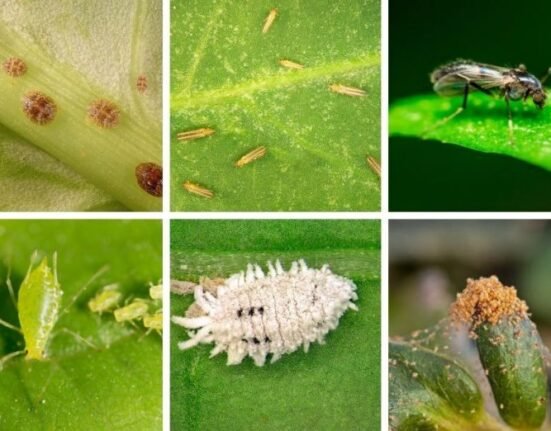
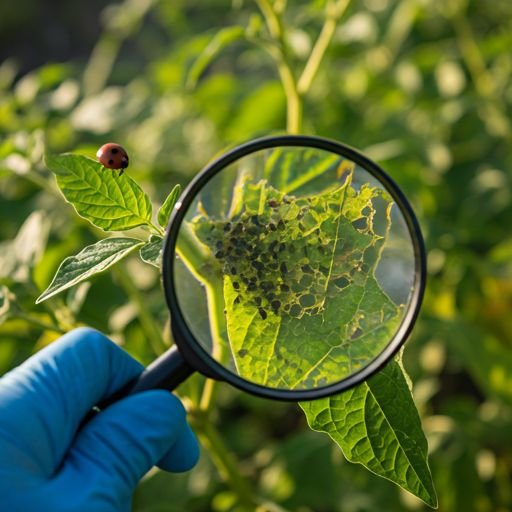
| Tiny red spiders and webbing between leaves | Spider mites or aphids |
| Wilting despite watering | Root rot |
| Color looks pale as though washed out | Too much sunlight or lacks nutrients |
| Sticky substance on leaves | Mealybugs or scale insects |
| Black spots | Fungal disease or bacteria |
Two minutes spent with this list will save you time and give your plant a quicker recovery.
Remedy #1 — Neem Oil: An All-in-One Plant Protector
Perhaps there’s no single natural remedy that every plant parent should know about like neem oil.
Neem oil — every drop of which comes from the seeds of the neem tree — has been used for farming and natural treatment for thousands of years. As a pesticide, fungicide, and general plant tonic all at once, it works wonders for indoor plants.
What It Treats
Neem oil is very useful against spider mites, aphids, whiteflies, fungus gnats, mealybugs, and powdery mildew. It only disturbs the life cycle of pests without killing off beneficial insects, as long as you do it right.
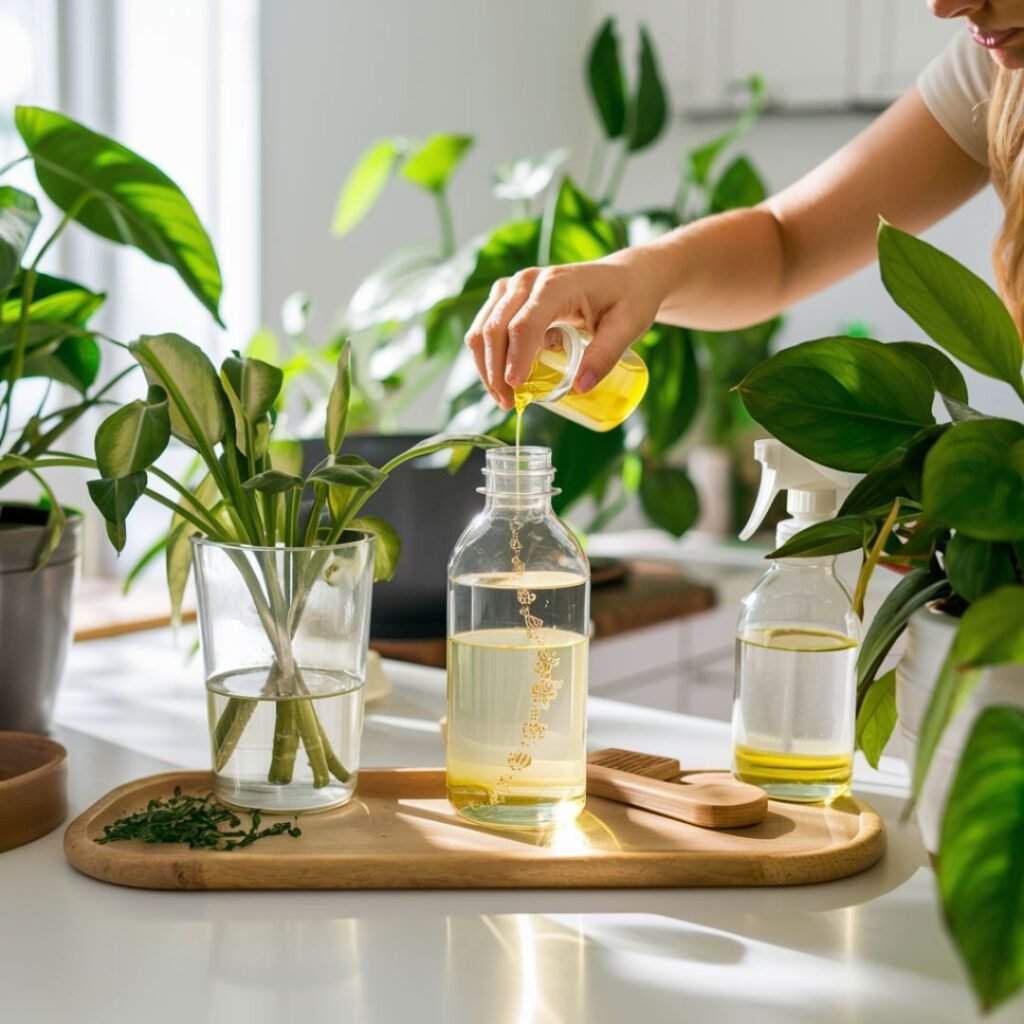
Make Your Own Neem Oil Spray at Home
To make a neem oil spray at home, you need raw neem oil, a couple of drops of liquid dish soap, and water.
Ingredients:
- 1 liter of warm water
- 2 teaspoons of cold-pressed neem oil
- ½ teaspoon of mild dish soap
Shake it thoroughly. The soap acts as an emulsifier to help the oil mix with the water properly.
How to Apply
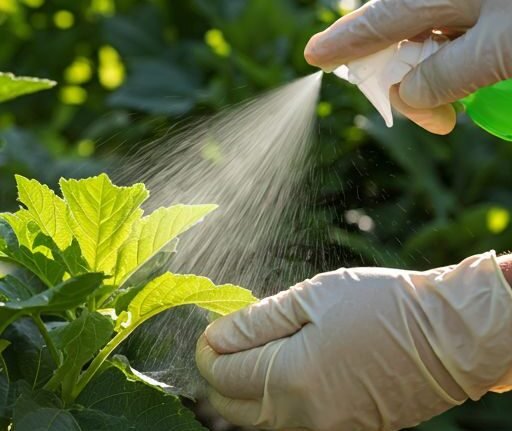
Spray directly on the entire plant — all leaves, stems, tops and bottoms, and also the surface of the soil. The best time for this is in the evening or when your plant is not in direct sunlight. On a brightly lit plant, it can cause mild leaf burn.
Repeat every seven days for three to four weeks. With a severe infestation, spray every five days.
Important Note
Always do a test on one leaf first. Wait 24 hours before reapplying to check whether the plant is sensitive to oil-based sprays. Some plants — especially those with thin, waxy leaves — may not react well to them.
Remedy #2 — Cinnamon Powder: The Fungus Killer in Your Pantry
Cinnamon isn’t just good for oatmeal and lattes — it’s also a surprisingly powerful antifungal agent.
Cinnamon’s active compound, cinnamaldehyde, naturally kills fungus and mold. It also has mild antibacterial properties. And unlike chemical fungicides, it won’t hurt your plant, your soil’s biology, or your lungs.
What It Treats
Cinnamon works best on:
- Powdery mildew
- Damping off (young plants collapsing at their bases)
- Root rot prevention
- Mold on the soil surface
How to Use Cinnamon on Your Plants
For soil mold: Sprinkle a thin layer of ground cinnamon right on top of the soil wherever you see white fuzzy mold. Reapply after watering.
For seedlings: Gently dust a thin layer around the base of each seedling to prevent damping off — a fungal disease that kills young plants at their stems.
For pruning or cuts: If you snip off a damaged leaf or stem, lightly dust cinnamon powder over the cut end. It functions as a natural bandage and helps prevent infection.
For cuttings: Dip the bottom of a fresh cutting into cinnamon before planting it in soil or water. This keeps it free from rot and actually stimulates rooting.
A Word on Cinnamon Tea
You can also make a cinnamon “tea” by soaking two cinnamon sticks in hot water for 20 minutes and then letting it cool completely. Use the liquid to water your plants. This method is gentler and works well against early-stage fungal problems in the soil.
Remedy #3 — Diluted Dish Soap Spray: Simple Pest Control That Works in Hours
This remedy could seem too basic to be true, but a diluted dish soap solution is one of the fastest ways to deal with indoor plant pest problems.
The soap coats the soft bodies of insects like aphids, spider mites, and whiteflies. It blocks their breathing pores (called spiracles) and suffocates them. It also destroys the protective coating on their exoskeletons.
The best part? Results often show within a few hours.
What It Treats
Dish soap spray targets soft-bodied insects: aphids, mealybugs, spider mites, thrips, and whiteflies.
It doesn’t work on hard-shelled pests like scale insects, though it can smother them when used heavily.
The Right Recipe
This matters more than it sounds. Too much soap damages plant cells. Too little won’t do anything.
Safe recipe:
- 1 liter of water (room temperature)
- 1 teaspoon of pure liquid dish soap (fragrance-free, dye-free is best)
Do not use antibacterial soaps. Avoid dish soaps with added moisturizers or heavy fragrances. Plain, basic dish soap is what you want.
How to Apply
Spray every part of the plant, focusing especially on the undersides of leaves — that’s where most pests hide and lay eggs.
Apply in the morning or evening. Avoid direct midday light after spraying.
Rinse the plant with plain water after 30 to 60 minutes. This removes any soap residue that could gradually block leaf pores over time.
Repeat every three to five days until the pests are gone.
Remedy #4 — Banana Peel Fertilizer: Slow-Release Potassium for Healthier Plants
That banana peel is not garbage. It is plant food.
Banana peels are high in potassium, and they also contain phosphorus, calcium, and magnesium. These are nutrients vitally important to your indoor plants — especially flowering plants and fruiting varieties.
Potassium helps plants regulate their water intake, improves resistance to disease, and encourages strong root growth. If your plant looks lacklustre, wilted, or stops flowering, potassium might be just what it needs.
What It Helps With
- Limp or leggy new growth
- Lack of flowering
- Dull, yellowish leaves (when overwatering has been ruled out)
- Generally stunted, slow growth
Three Ways to Use Banana Peels
Method 1 — Banana Peel Water Chop one or two banana peels into pieces. Soak them in a jar of water for 24 to 48 hours. Strain out the peels and use that water to water your plants once every two weeks.
Method 2 — Dried Peel Powder Bake banana peels at low heat in the oven (around 200°F or 93°C) until they are completely brittle. Grind them into powder. Mix a little into your potting soil or sprinkle it over the surface.
Method 3 — Direct Burial Cut banana peels into small pieces and bury them about two inches deep in your plant’s pot. As they decompose, they slowly release nutrients into the soil.
Nutrient Breakdown
| Nutrient | Benefit to Plants |
|---|---|
| Potassium | Root health, water regulation, disease resistance |
| Phosphorus | Flowering and fruiting |
| Calcium | Cell wall strength |
| Magnesium | Chlorophyll production (green color) |
This remedy releases nutrients gradually, so don’t expect overnight results. Give it one to three weeks. But used regularly, banana peels truly make a difference to plant vitality.
Remedy #5 — Apple Cider Vinegar Solution: pH Balancer and Fungus Gnat Killer
Apple cider vinegar has two major functions in plant care. It balances soil pH in alkaline conditions, and it traps and kills fungus gnats — those tiny, annoying flies that hover around houseplant soil.
Let’s look at both.
Job #1 — Fixing Alkaline Soil
Most indoor plants prefer slightly acidic soil — generally around pH 5.5 to 6.5. Tap water in many areas is alkaline (pH 7 or higher). Over time, repeated watering with alkaline water raises your soil’s pH, making it harder for plants to absorb nutrients.
Signs of alkaline soil:
- Lower leaves yellowing despite regular fertilizing
- Slow growth
- Leaf tips going brown
How to use ACV for pH balancing:
- Add 1 tablespoon of raw apple cider vinegar to 1 gallon of water
- Use this solution to water acid-loving plants like ferns, peace lilies, pothos, and spider plants
- Do this once a month, but no more
Never pour undiluted vinegar on plants or soil. It is highly acidic and will burn roots. According to the RHS (Royal Horticultural Society), maintaining the right soil pH is one of the most important factors in keeping plants healthy and nutrient-ready.
Job #2 — Trap and Kill Fungus Gnats
These tiny bugs are a curse. They lay eggs in wet soil, the larvae eat roots, and no matter how hard you wave at them the adults just keep coming back. ACV traps work surprisingly well.
How to make one:
- Fill a shallow dish with apple cider vinegar and a few drops of dish soap
- Place it near your infested plant
- The gnats are attracted to the vinegar smell, fly in, and can’t escape because of the soap
Replace the trap every two to three days.
For a stronger approach: Let the soil dry out completely between waterings (this kills larvae naturally) and use the ACV trap to deal with the adults at the same time.
Natural Remedy Comparison Chart
| Remedy | Best For | Speed of Results | How Often to Use |
|---|---|---|---|
| Neem Oil Spray | Pests + fungal issues | 3–7 days | Every 5–7 days |
| Cinnamon Powder | Fungus + mold + rot | 1–3 days | As needed |
| Dish Soap Spray | Soft-bodied insects | Hours | Every 3–5 days |
| Banana Peel | Nutrient deficiency | 1–3 weeks | Every 2 weeks |
| Apple Cider Vinegar | Gnats + pH balance | 1–5 days | Monthly (pH) / Daily (traps) |
Tips to Make Any Remedy Work Better
Remedies work faster when the rest of your plant care routine is on point. Here’s what to pair with any treatment:
Check Your Watering Habits First
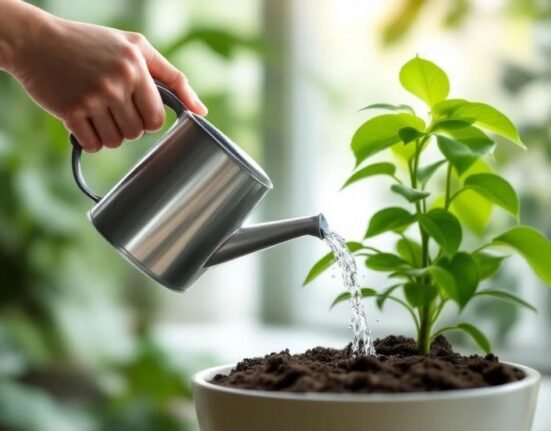
Most indoor plant problems begin with overwatering. Before you add any remedy, stick your finger about two inches down into the soil. If it’s still wet, hold off on watering. Soggy soil invites pests and root rot.
Let There Be (The Right) Light
A stressed plant in poor light will struggle to recover even with treatment. Make sure your plant is getting what it actually needs — not just what looks nice in your living room arrangement.
Quarantine Sick Plants
If one plant gets seriously infected, keep it away from your other plants indoors — plant diseases and pests can spread between them. Pests like spider mites multiply fast and move to neighboring plants. Always keep a sick plant separate from your collection while you treat it.
Clean the Leaves Regularly
Dust on leaves blocks light absorption and creates a happy hiding place for bugs. Wipe leaves gently with a damp cloth every two to three weeks. Clean plants respond to treatment faster.
FAQs About Natural Plant Remedies
Q: How quickly do natural remedies work compared to chemical ones? Natural remedies typically take a bit longer to show full results — say three days to two weeks, depending on the problem. Chemical pesticides can work faster, but natural choices are safer for the long-term health of plants, soil biology, and the air in your home.
Q: Can I use all five remedies at the same time? You can use a combination of remedies, but don’t apply them all on the same day. Give your plant a day or two between treatments. Using too many substances at once can put extra stress on the plant itself.
Q: Is neem oil safe for all indoor plants? Neem oil is safe for most plants, but some are sensitive — especially those with thin, tender leaves such as ferns and orchids. Always do a patch test on one leaf and wait 24 hours before making a full application.
Q: How do I know if my plant has root rot? If your plant is wilting in moist soil, lift it out of the pot and check its roots. Healthy roots are white or light tan and feel firm. Dead roots are brown, black, mushy, and may smell rancid.
Q: Can I use regular cinnamon from the grocery store? Yes. Ordinary ground cinnamon from the grocery store works perfectly well. Ceylon cinnamon is said to be a little more potent, but the common cassia variety still performs just as well.
Q: My plant has bugs and mold at the same time. What should I do first? It’s best to fix one thing at a time. Start with pests using neem oil or dish soap spray. After the bug problem has been treated successfully (usually after two to three treatments), go after the fungal infection with cinnamon. Trying to fix everything at once may overwhelm the plant itself.
Q: How can I avoid plant problems coming back? Prevention is always better than cure. Keep leaves clean, avoid overwatering, and quarantine new plants for two weeks before adding them to your collection. Encourage good airflow around your plants. Use neem oil as a monthly preventative spray even when everything looks healthy.
When Natural Remedies Aren’t Enough
These five remedies solve the majority of common indoor plant problems. However, there are still situations where things may have gone too far.
Signs your plant may need more intervention:
- Root rot has destroyed most of the root system
- The plant has completely collapsed despite treatment
- Pest infestation is severe and has spread to multiple plants
In these cases, ask yourself whether repotting in fresh soil, heavy pruning, or starting a new cutting from the healthiest part of the plant is a better option than continuing treatment.
Knowing when to give up on a plant — or a badly damaged portion of one — is all part of truly caring for your plants.
Finishing Up: Your Plants Just Need a Bit of Help
You don’t have to go out and get a whole shelf full of expensive products to keep your indoor plants happy. A bottle of neem oil, some cinnamon from the spice rack, a banana peel you’d otherwise throw away, basic dish soap, and apple cider vinegar. That’s your toolkit.
These indoor plant care guides are here to remind you that plant care need not be complicated or costly. Most problems have relatively easy solutions. And the faster you spot something wrong, the faster your plant will recover.
This week, spend five minutes examining each of your plants. Look under the leaves. Feel the soil. Notice any color changes. When caught early, each remedy on this list works twice as fast.
Your plants are tougher than you think. They just need you to notice — and the odd sprinkle of cinnamon once in a while wouldn’t hurt either.