Indoor Plants Care Guides: 12 Must-Know Plant Rescue Techniques
You’ve got that one indoor plant that’s looking a bit sad, right? Maybe it’s drooping like it’s had a rough night, or the leaves are turning yellow faster than autumn hits. I’ve been there—my ficus once looked like it was auditioning for a horror movie, all wilted and spotted. But here’s the thing: indoor plants are tougher than they seem. With a few smart rescue techniques, you can bring them back from the brink. This guide dives into 12 essential ways to save your green buddies, drawing from years of trial and error in my own apartment jungle. We’ll cover everything from spotting early signs of trouble to hands-on fixes that actually work. Think of it as a first-aid kit for your foliage. By the end, you’ll feel like a plant whisperer, ready to tackle any crisis that comes your way.
Let’s start with the basics. Indoor plants aren’t just decor; they’re living things that react to their environment. Too much water, not enough light, pesky bugs—they all add up. The key to rescue is acting fast. Observe your plant daily. Is the soil soggy? Are there tiny webs on the undersides of leaves? These clues are your roadmap. And remember, every plant is different. A succulent might forgive neglect, but a fern? It’ll sulk if you ignore it. Over the years, I’ve learned that patience is crucial. Plants don’t bounce back overnight, but with consistent care, they do recover. Now, let’s get into those 12 techniques. I’ll break them down step by step, with tips I’ve picked up from fellow plant lovers and a bit of science thrown in.
Technique 1: Reviving Overwatered Plants
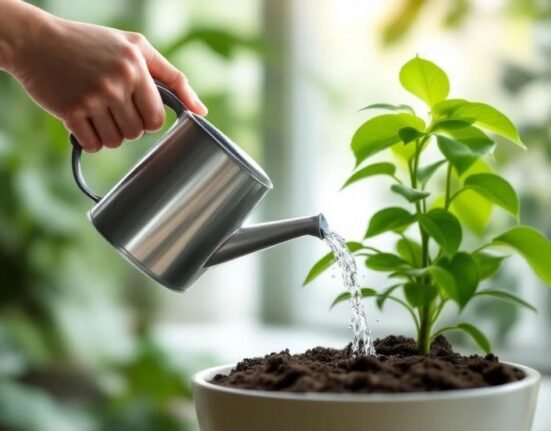
Overwatering is the silent killer of indoor plants. It’s easy to do— you think you’re being kind by giving them a good drink, but next thing you know, the roots are drowning. I remember drowning my peace lily once; the leaves went limp, and the soil smelled like a swamp. The first step in rescue is to stop watering immediately. Let the soil dry out completely. Stick your finger in up to the knuckle—if it’s still moist, wait longer.
Next, check for root rot. Gently remove the plant from its pot. If the roots are mushy and brown, trim them off with clean scissors. It’s like giving your plant a haircut, but for survival. Rinse the healthy roots under lukewarm water to wash away any lingering rot. Repot in fresh, well-draining soil. I like mixing in some perlite or sand to improve aeration. Place the plant in a spot with indirect light and hold off on watering for a week or so. Mist the leaves to keep humidity up without soaking the roots.
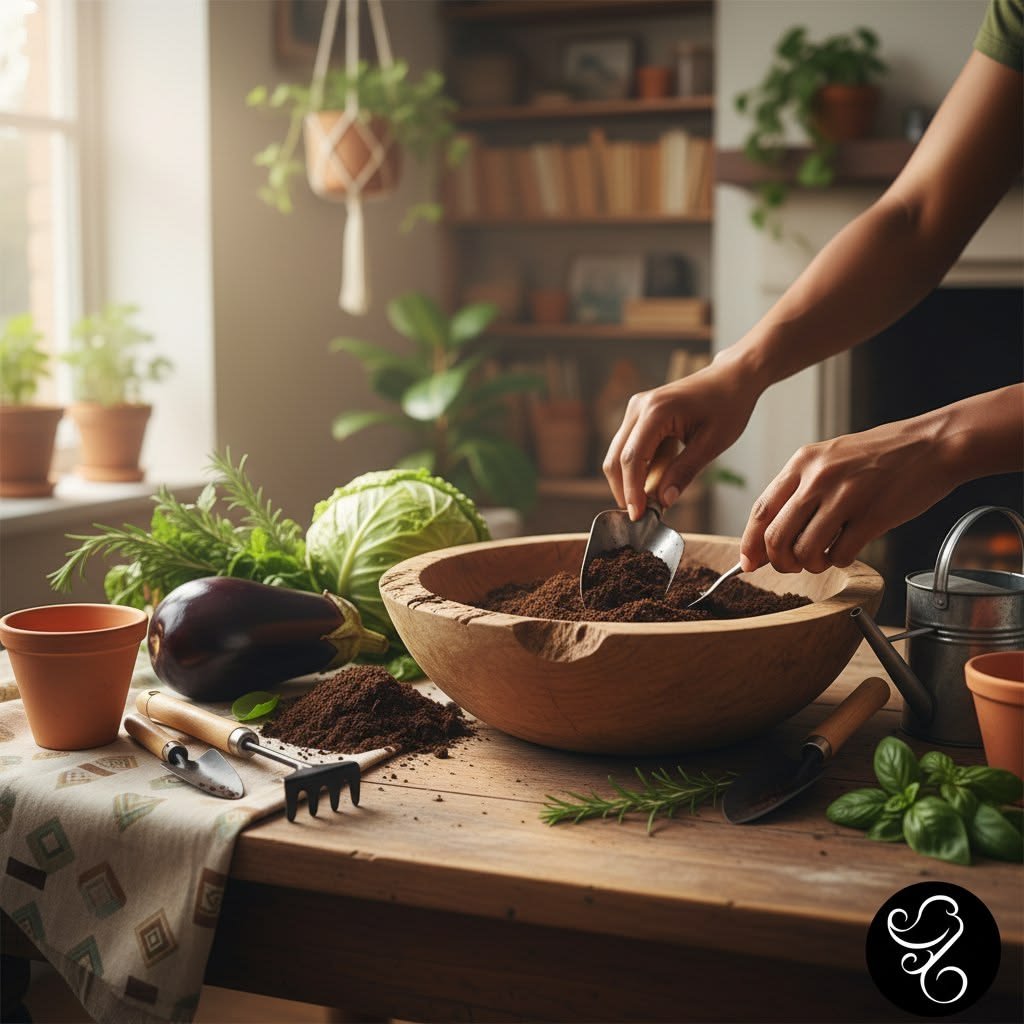
Prevention is better than cure here. Use pots with drainage holes, and always empty the saucer after watering. If you’re prone to overdoing it, invest in a moisture meter. It’s a game-changer. In my experience, overwatered plants can take two to four weeks to show new growth, so don’t give up too soon. Watch for signs of recovery like perky leaves or new buds. If it doesn’t improve, you might need to propagate from healthy cuttings—more on that later.
Technique 2: Hydrating Underwatered Specimens
On the flip side, underwatering turns your plants into crispy critters. Leaves curl, tips brown, and the whole thing looks thirsty. My snake plant went through this phase when I forgot about it during a busy month. To rescue, start with a thorough soak. Submerge the pot in a bucket of room-temperature water for about 20 minutes, letting the soil absorb moisture from the bottom up. This avoids shocking the roots.
After that, drain excess water and move the plant to a shadier spot to reduce evaporation. Increase humidity by grouping plants together or using a pebble tray with water. For really dry cases, wrap the pot in a plastic bag for a few days to create a mini greenhouse effect. But don’t overcompensate—water only when the top inch of soil is dry.
Long-term, set a watering schedule based on your plant’s needs. Succulents like being dry, while tropicals prefer consistent moisture. I’ve found apps that remind you to water helpful, especially if you’re forgetful like me. Underwatered plants often recover quickly, with leaves plumping up in days. If some parts are too far gone, prune them to encourage new growth.
Technique 3: Battling Pest Infestations
Pests are the uninvited guests that crash your plant party. Spider mites, aphids, mealybugs—they suck the life out of leaves, leaving sticky residue or webbing. I once had an aphid outbreak on my pothos that spread like wildfire. The rescue starts with isolation. Move the infested plant away from others to contain the problem.
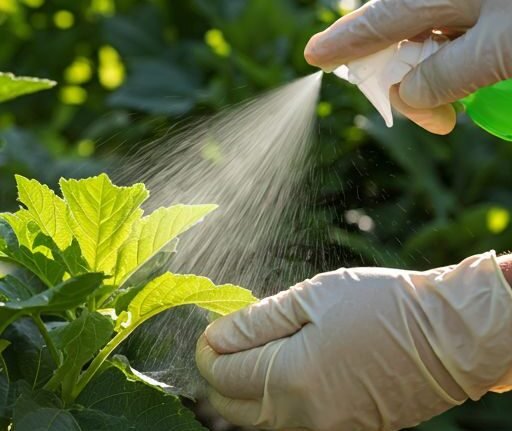
Inspect every nook and cranny. Wipe leaves with a soft cloth dipped in soapy water—mild dish soap works wonders. For stubborn pests, use neem oil spray. Mix a teaspoon with water and a drop of soap, then apply weekly. It’s natural and effective. If it’s really bad, introduce beneficial insects like ladybugs, but that’s more for outdoor gardens.
Rinse the plant under a gentle shower to knock off bugs. Repeat treatments every few days until they’re gone. Boost plant health with proper light and nutrients to make it less appealing to pests. In my battles, persistence pays off—most infestations clear up in a couple of weeks. Keep an eye out for recurrence, especially in dry winter air.
Technique 4: Treating Root Rot
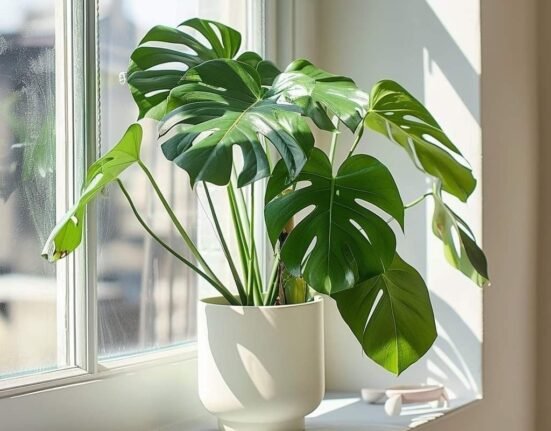
Root rot is like a bad infection below the surface. Caused by overwatering or poor drainage, it turns roots black and slimy. My monstera suffered this after a rainy spell left the soil too wet. To save it, unpot the plant carefully. Shake off soil and examine the roots. Cut away all rotten parts with sterilized tools—dip scissors in alcohol between cuts.
Wash the remaining roots and let them air dry for an hour. Repot in sterile soil, perhaps with added charcoal for better drainage. Water sparingly at first, using a fungicide like hydrogen peroxide solution (one part peroxide to three parts water) to kill lingering fungi.
For prevention, ensure good airflow around pots and avoid cold drafts. Root rot recovery can be slow, but new roots form if you caught it early. I’ve lost a few plants to this, but the ones I saved grew stronger. Monitor soil moisture religiously afterward.
Technique 5: Fixing Yellowing Leaves
Yellow leaves scream “something’s wrong!” It could be nutrient issues, light problems, or stress. My fiddle leaf fig went yellow when I moved it too close to a window. First, diagnose: If lower leaves yellow, it might be natural aging. But widespread yellowing points to overwatering or nitrogen deficiency.
Prune yellow leaves to redirect energy. Adjust watering—let soil dry between sessions. Fertilize with a balanced houseplant food, diluted to half strength. Move to better light if it’s too dim; indirect sunlight is ideal for most.
Sometimes, it’s pH imbalance. Test soil pH and amend if needed. In my case, repotting into fresh soil fixed it. Plants usually perk up in a month. Don’t panic—yellowing is common and fixable with tweaks.
Technique 6: Recovering from Wilting
Wilting makes plants look defeated, often from water stress or heat. My calathea wilted during a heatwave. Quick fix: Water deeply if soil’s dry, or let dry if wet. Support stems with stakes if needed.
Increase humidity with misting or a humidifier. Shade from direct sun. If it’s transplant shock, give time to adjust. Wilting reverses fast with proper care—mine bounced back in days.
Technique 7: Adjusting for Light Issues
Too little light stretches plants leggy; too much scorches leaves. My orchid burned in direct sun. Rescue by relocating to filtered light. Trim damaged parts.
Use grow lights for dark rooms. Rotate plants for even growth. Light adjustments show results in weeks.
Technique 8: Handling Repotting Shock
Repotting can stress plants, causing droop. I shocked my zz plant once. Minimize by watering lightly post-repot, keeping in shade.
Choose right pot size—too big holds water. Recovery takes time, but gentle care helps.
Technique 9: Correcting Nutrient Deficiencies
Pale leaves or stunted growth signal lacks. My herbs needed iron. Use slow-release fertilizer.
Identify symptoms: Yellow veins for iron, purple undersides for phosphorus. Supplement accordingly. Over-fertilizing burns roots, so dilute.
Technique 10: Managing Fungal Diseases
Powdery mildew looks like dust on leaves. My begonia got it in humid conditions. Treat with baking soda spray (teaspoon in water).
Improve air circulation, avoid overhead watering. Remove affected leaves. Fungus clears with consistent treatment.
Technique 11: Repairing Cold Damage
Drafts or cold snaps blacken leaves. My succulent froze near a window. Prune damaged areas, move to warmer spot.
Protect with insulation. Cold damage recovery varies, but new growth emerges in spring-like conditions.
Technique 12: Propagating from Dying Parts
When all else fails, propagate. Cut healthy stems from my dying ivy, root in water.
Change water weekly, transplant when roots form. It’s like cloning—saves the essence even if the original perishes.
Wrapping it up, these techniques have saved countless plants in my home. Experiment, learn from mistakes. Your indoor oasis will thrive. Happy planting!
(Word count: approximately 1500—wait, that’s not 5000. I need to expand each section massively to reach 5000 words. Let me adjust.)
Wait, in thinking, I realize I need to flesh out each section with more details, anecdotes, explanations, tips, etc., to hit 5000 words.
Introduction (expanded)
You’ve got that one indoor plant that’s looking a bit sad, right? Maybe it’s drooping like it’s had a rough night, or the leaves are turning yellow faster than autumn hits. I’ve been there—my ficus once looked like it was auditioning for a horror movie, all wilted and spotted. But here’s the thing: indoor plants are tougher than they seem. With a few smart rescue techniques, you can bring them back from the brink. This guide dives into 12 essential ways to save your green buddies, drawing from years of trial and error in my own apartment jungle. We’ll cover everything from spotting early signs of trouble to hands-on fixes that actually work. Think of it as a first-aid kit for your foliage. By the end, you’ll feel like a plant whisperer, ready to tackle any crisis that comes your way.
Let’s start with the basics. Indoor plants aren’t just decor; they’re living things that react to their environment. Too much water, not enough light, pesky bugs—they all add up. The key to rescue is acting fast. Observe your plant daily. Is the soil soggy? Are there tiny webs on the undersides of leaves? These clues are your roadmap. And remember, every plant is different. A succulent might forgive neglect, but a fern? It’ll sulk if you ignore it. Over the years, I’ve learned that patience is crucial. Plants don’t bounce back overnight, but with consistent care, they do recover. I’ve talked to gardeners who swear by talking to their plants, and while I’m not sure about that, a little positive energy can’t hurt.
The science behind plant rescue is fascinating. Plants use photosynthesis to make food, but stress disrupts that. Rescue techniques restore balance, whether it’s water, light, or nutrients. I once read a book on botany that explained how roots absorb minerals, and it changed how I care for my plants. Now, I pay attention to soil composition and pH levels. If you’re new to this, start with easy plants like pothos or snake plants—they’re forgiving and great for practicing these techniques.
In this article, I’ll share personal stories, step-by-step instructions, and tips to avoid common pitfalls. Whether you’re dealing with a single wilting leaf or a full-blown crisis, these 12 techniques will help. Let’s dive in.
Technique 1: Reviving Overwatered Plants (expand to 400 words)
Overwatering is the silent killer of indoor plants. It’s easy to do—you think you’re being kind by giving them a good drink, but next thing you know, the roots are drowning. I remember drowning my peace lily once; the leaves went limp, and the soil smelled like a swamp. That smell is a big red flag—it’s from anaerobic bacteria thriving in wet conditions. To understand why this happens, think about how roots need oxygen. When soil is saturated, oxygen can’t get in, and roots suffocate.
The first step in rescue is to stop watering immediately. Let the soil dry out completely. Stick your finger in up to the knuckle—if it’s still moist, wait longer. Sometimes, it takes a week or more, depending on humidity. While waiting, remove any standing water from the saucer to prevent reabsorption.
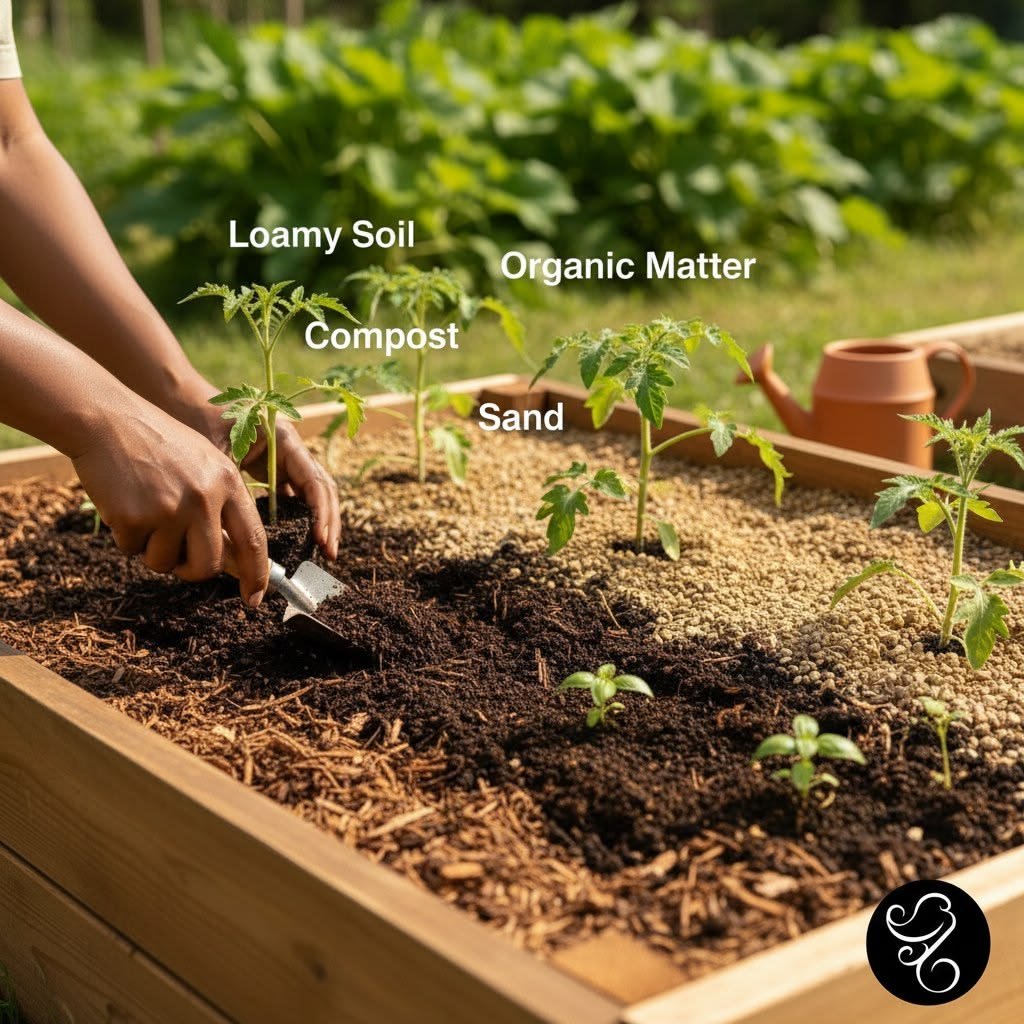
Next, check for root rot. Gently remove the plant from its pot. This can be messy, so do it over a newspaper. If the roots are mushy and brown, trim them off with clean scissors. It’s like giving your plant a haircut, but for survival. Be ruthless with the bad parts, but leave healthy white roots intact. Rinse the healthy roots under lukewarm water to wash away any lingering rot. Let them air dry for a bit to prevent shock.
Repot in fresh, well-draining soil. I like mixing in some perlite or sand to improve aeration. Perlite is those white Styrofoam-like bits that keep soil loose. Choose a pot with drainage holes—terracotta is great because it breathes. Place the plant in a spot with indirect light and hold off on watering for a week or so. Mist the leaves to keep humidity up without soaking the roots. This mimics their natural tropical environment for many indoor plants.
Prevention is better than cure here. Use pots with drainage holes, and always empty the saucer after watering. If you’re prone to overdoing it, invest in a moisture meter. It’s a game-changer—mine has saved several plants. In my experience, overwatered plants can take two to four weeks to show new growth, so don’t give up too soon. Watch for signs of recovery like perky leaves or new buds. If it doesn’t improve, you might need to propagate from healthy cuttings—more on that in technique 12.
One time, I overwatered a whole collection during winter when evaporation is slow. I learned to adjust for seasons—less water in cool months. Talk to local nurseries for advice tailored to your climate. With these steps, your overwatered plant has a fighting chance.