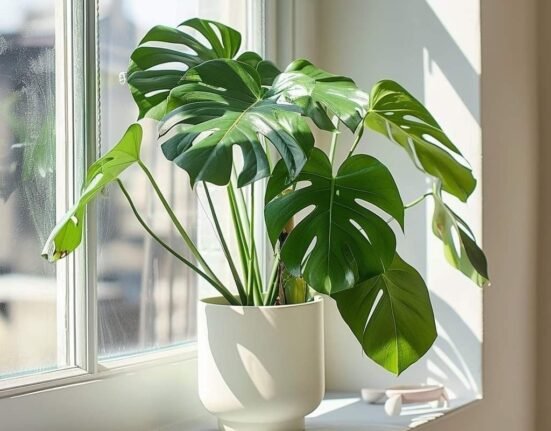
Indoor Plants Care Guides: 12 Common Mistakes Beginners Must Avoid
You finally bought your first houseplant. You water it every day. You place it near the window. You talk to it (no judgment). But a few weeks later, the leaves turn yellow. The stems go soft. And before you know it, your plant is gone.
Sound familiar?
You are not alone. Millions of beginners make the same mistakes with indoor plants every single year. The good news? Every single one of those mistakes is avoidable.
This guide is your go-to indoor plants care guide. It breaks down the 12 most common errors beginners make and shows you exactly how to fix them. Whether you just bought your first succulent or you are trying to keep a fiddle leaf fig alive, this article has something for you.
Let’s get into it.
Why Most Beginners Struggle With Indoor Plants
Houseplants look simple. Buy the plant, water it, done. But plants are living things. They have needs. They give signs. And when something is wrong, they show it through their leaves, roots, and soil.
Most beginners do not fail because they do not care. They fail because nobody taught them what to actually look for.
That is exactly what this guide is here to fix.
Mistake #1 — Watering Too Much (The #1 Plant Killer)
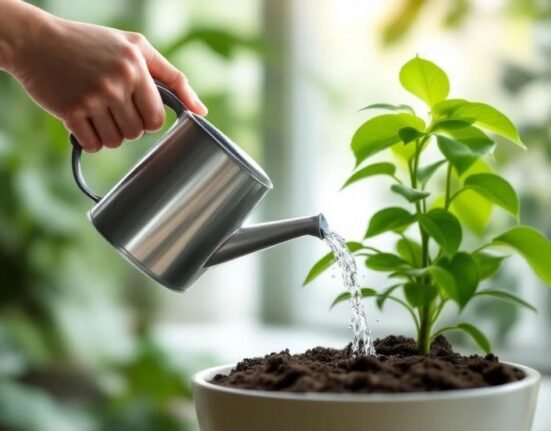
Overwatering kills more houseplants than anything else. This surprises a lot of people. Most beginners think more water equals more love. But plants do not work that way.
When the soil stays wet for too long, the roots cannot breathe. They start to rot. Once root rot sets in, it spreads fast and is very hard to reverse.
Signs you are overwatering:
- Yellow leaves that feel soft or mushy
- Soggy soil that never seems to dry out
- A sour or musty smell from the pot
- Wilting even when the soil is wet
The fix: Before you water, stick your finger about one inch into the soil. If it still feels wet or cool, wait. Only water when the top inch of soil feels dry. For succulents and cacti, let the soil dry out completely between watering sessions.
Mistake #2 — Ignoring Drainage (Your Pot Matters More Than You Think)
Even if you get your watering schedule right, the wrong pot can still drown your plant.
Pots without drainage holes trap water at the bottom. That trapped water soaks the roots constantly, causing the same damage as overwatering.
What to do instead:
Always use pots with at least one drainage hole. If you love a decorative pot without holes, use it as an outer cover. Keep your plant in a plain nursery pot with drainage, then place that inside the decorative one. Empty the saucer under your pot after every watering session so water does not sit there.
Mistake #3 — Putting Plants in the Wrong Light Spot
Light is food for plants. Without the right amount, your plant slowly starves.
Here is the problem: most beginners either place plants in full direct sun that burns them, or shove them in a dark corner where they barely survive.
| Light Level | What It Looks Like | Good Plant Examples |
|---|---|---|
| Bright Direct Light | Sunbeams hit the plant directly | Cacti, Succulents, Aloe |
| Bright Indirect Light | Near window but no direct sun | Pothos, Monstera, Fiddle Leaf Fig |
| Medium Light | A few feet from a window | Snake Plant, Peace Lily |
| Low Light | Far from windows, dim rooms | ZZ Plant, Cast Iron Plant |
How to fix it: Read the care tag that comes with your plant. If it says “bright indirect light,” that means near a window but not in direct sunbeams. South and west-facing windows give the most light in the Northern Hemisphere.
Mistake #4 — Using the Wrong Soil for the Wrong Plant
Soil is not just dirt. It is the environment your plant lives in. Different plants need very different soil types.
Succulents and cacti need fast-draining, gritty soil. If you plant them in regular potting mix, the soil holds too much water and the roots rot.
Tropical plants like pothos or peace lilies need moist-retaining, loamy soil.
Orchids need a completely different medium, usually bark chips, because their roots need air as much as they need moisture.
Simple soil guide:
| Plant Type | Best Soil Mix |
|---|---|
| Succulents and Cacti | Cactus mix or regular soil + perlite (50/50) |
| Tropical Houseplants | All-purpose potting mix |
| Orchids | Orchid bark mix |
| Ferns | Peat-based mix that holds moisture |
Never use garden soil for indoor plants. It gets too compact, drains poorly, and can carry pests or disease.
Mistake #5 — Fertilizing at the Wrong Time
Fertilizer is plant food. But giving your plant food at the wrong time is like waking someone up in the middle of the night to force-feed them a meal.
Many beginners either never fertilize — leaving plants starved of nutrients — or they fertilize during winter when the plant is resting and does not need it.
The right approach:
Fertilize during the growing season, which is spring through early fall. Use a balanced liquid fertilizer once a month during this period. Do not fertilize in late fall or winter. The plant is in rest mode and adding fertilizer can actually burn the roots.
Also, always follow the instructions on the fertilizer label. More is not better. Too much fertilizer causes fertilizer burn, which shows up as brown, crispy leaf tips.
Mistake #6 — Repotting Too Late (Or Too Early)
Plants need to be moved to bigger pots as they grow. But timing matters.
Signs your plant needs repotting:
- Roots are growing out of the drainage holes
- The plant dries out too quickly after watering
- The plant has stopped growing despite proper care
- The soil looks cracked and pulls away from the pot edges
Signs you are repotting too soon:
- Repotting a brand-new plant right after bringing it home
- Moving to a pot that is way too large (more than 2 inches bigger)
When you repot, go up just one pot size. Too large a pot holds too much moisture and causes root problems. The best time to repot is in spring, right before the growing season starts.
Mistake #7 — Not Cleaning the Leaves
This one surprises a lot of beginners. Indoor plants collect dust on their leaves. That dust blocks the tiny pores that the plant uses to breathe and absorb light.
A dusty plant is a stressed plant.
How to clean plant leaves:
Use a damp, soft cloth and gently wipe each leaf from base to tip. Do this once a month or whenever the leaves look dull. For small-leafed plants like ferns, you can gently mist them and let them air dry.
Do not use leaf shine sprays unless they are made specifically for plants. Many leave a residue that clogs leaf pores over time.
Mistake #8 — Placing Plants Near Vents, Radiators, or Cold Drafts
Most indoor plants come from tropical regions. They love steady, warm temperatures. They hate sudden swings in heat or cold.
Placing a plant near a heating vent dries it out fast. Placing it near an air conditioning vent or a drafty window in winter can cause cold damage or shock.
Signs of temperature stress:
- Leaves curling inward
- Brown or black patches on leaves
- Sudden leaf drop
What to do: Keep your plants away from heating vents, radiators, and cold windows during winter. Most common houseplants do best between 60°F and 80°F (15°C to 27°C). Avoid placing plants directly on cold windowsills in winter — the cold from the glass can damage the roots and leaves.
Mistake #9 — Skipping Humidity (Tropical Plants Need Moisture in the Air)
If you live in a dry climate or use central heating in winter, the air inside your home can get very dry. For tropical houseplants, this is a big problem.
Plants like ferns, orchids, calatheas, and peace lilies love high humidity. When the air is too dry, their leaf edges turn brown and crispy. They look like they need water, but the issue is in the air, not the soil.
For a deeper dive into which plants thrive in humid conditions and how to create the perfect indoor environment, visit Indoor Plants Guide — a great resource for houseplant care tips and plant-specific guides.
Easy ways to raise humidity:
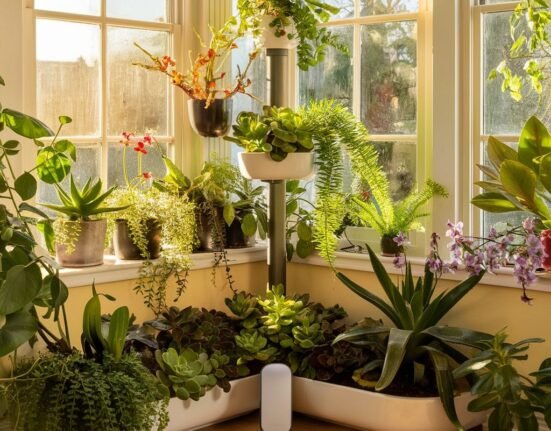
- Group plants together — they create a mini humid microclimate
- Place a tray of water with pebbles under your pot — the evaporating water adds humidity
- Use a small humidifier near your plants
- Mist the leaves lightly in the morning, not at night — damp leaves overnight can cause fungal issues
Mistake #10 — Ignoring Pests Until It Is Too Late
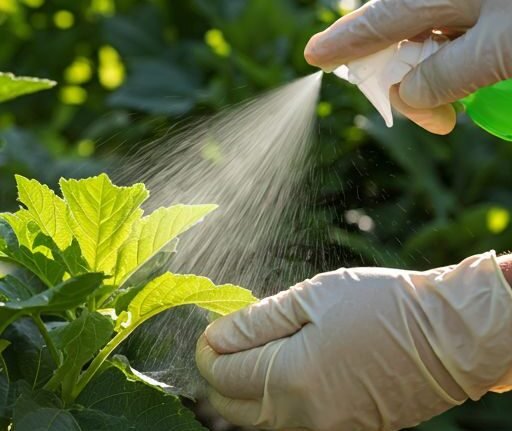
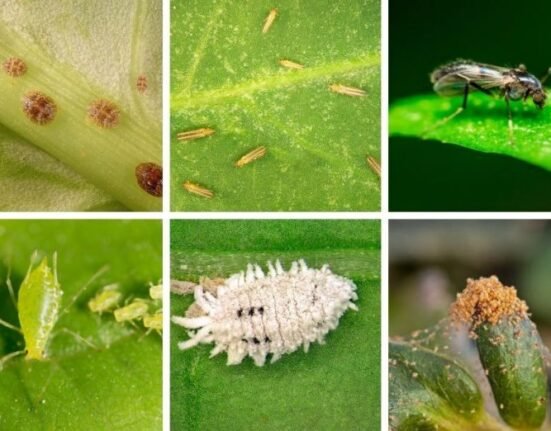
Pests are sneaky. They usually start small — a few tiny bugs on the underside of a leaf. But if you miss them, they spread fast and can take over an entire plant collection.
Common indoor plant pests and what they look like:
| Pest | What to Look For | Quick Fix |
|---|---|---|
| Spider Mites | Tiny webs, yellow speckling on leaves | Neem oil spray or insecticidal soap |
| Fungus Gnats | Tiny flies around soil | Let soil dry out, use sticky traps |
| Mealybugs | White cottony spots on stems | Wipe with rubbing alcohol on a cotton swab |
| Scale | Brown bumps on stems and leaves | Scrape off, treat with neem oil |
| Aphids | Clusters of tiny green or black bugs | Spray with water, then neem oil |
Prevention tips: Check your plants every week. Look at the undersides of leaves, the soil surface, and the stems. Catching a pest problem early makes it ten times easier to fix.
Also, always isolate a new plant for at least two weeks before placing it near your other plants. New plants can carry hidden pests. According to the University of Minnesota Extension, inspecting new plants thoroughly before bringing them indoors is one of the most effective ways to prevent pest outbreaks.
Mistake #11 — Giving Up Too Quickly After Leaf Drop
Here is something most beginners do not know: dropping leaves is not always a sign that your plant is dying. Sometimes it is completely normal.
When you bring a new plant home, it goes through what is called transplant shock or adjustment stress. It was living in a greenhouse. Now it is in your living room. The light, temperature, and humidity are all different. The plant might drop a few leaves while it adjusts. That is okay.
Similarly, plants naturally shed older leaves at the base as they grow new ones at the top.
When leaf drop IS a problem:
- Dropping many leaves quickly
- Dropping new growth, not just older leaves
- Combined with other signs like yellowing, wilting, or mushy stems
When it is probably fine:
- Losing a few lower leaves after being moved
- Shedding old leaves as new ones appear at the top
Give your new plant four to six weeks to adjust before panicking. Keep the care consistent, and most plants bounce back.
Mistake #12 — Not Learning Your Specific Plant’s Needs
This is the big one that ties everything together.
There is no one-size-fits-all rule for houseplants. A snake plant and a fern can live in the same room but need completely different care. What works for your succulent will kill your calathea.
Many beginners treat all plants the same. They water everything on the same schedule. They put every plant in the same light spot. And then they wonder why some thrive while others suffer.
What to do instead:
When you buy a new plant, spend five minutes researching its specific needs. Look up:
- How much light does it need?
- How often should it be watered?
- Does it like humidity?
- What soil type does it prefer?
- What temperature range works best?
Keep a simple notebook or use your phone’s notes app to track each plant’s care schedule. Over time, you will start reading your plants naturally. You will notice when something is off before it becomes a real problem.
Quick Reference: All 12 Mistakes at a Glance
| # | Mistake | Quick Fix |
|---|---|---|
| 1 | Overwatering | Water only when top inch of soil is dry |
| 2 | No drainage | Always use pots with drainage holes |
| 3 | Wrong light | Match light level to plant’s needs |
| 4 | Wrong soil | Use the right mix for each plant type |
| 5 | Wrong fertilizing time | Fertilize spring to early fall only |
| 6 | Bad repotting timing | Repot in spring, go one size up |
| 7 | Dusty leaves | Wipe leaves monthly with a damp cloth |
| 8 | Near vents or drafts | Keep plants away from temperature extremes |
| 9 | Low humidity | Mist, pebble tray, or humidifier |
| 10 | Ignoring pests | Check weekly, isolate new plants |
| 11 | Giving up on leaf drop | Give the plant 4–6 weeks to adjust |
| 12 | Same care for all plants | Research each plant’s specific needs |
How to Build a Simple Plant Care Routine
Once you know what to avoid, building a good care routine is easy. Here is a simple weekly and monthly structure to keep your plants happy:
Every week:
- Check soil moisture before watering
- Look for pests on leaves and soil
- Remove dead or yellowing leaves
- Make sure plants are not sitting in water
Every month:
- Wipe down leaves with a damp cloth
- Check if the plant is getting enough light
- Fertilize during growing season (spring through fall)
- Rotate the pot so all sides get even light exposure
Every few months:
- Check if roots are outgrowing the pot
- Refresh the top layer of soil if it looks compacted
- Deep-water the plant until water flows out of the drainage holes
FAQs — Indoor Plants Care Guides
Q1: How do I know if my plant is getting too much or too little water?
Too much water = yellow, soft leaves and soggy soil. Too little water = dry, crispy leaves and bone-dry soil that pulls away from the pot edges. The finger test (stick one inch into soil) is the most reliable way to check.
Q2: Can I use tap water for my houseplants?
Most plants are fine with tap water. However, some sensitive plants like peace lilies and calatheas can react to chlorine or fluoride in tap water. If you notice brown leaf tips on these plants, try using filtered water or leave tap water in an open container overnight before using it. This allows chlorine to evaporate.
Q3: Why are my plant’s leaves turning yellow?
Yellow leaves can mean overwatering, underwatering, too little light, nutrient deficiency, or pest damage. Look at other signs. Soft yellow leaves with wet soil usually mean overwatering. Pale yellow leaves with dry soil often mean underwatering or low light.
Q4: What are the easiest indoor plants for absolute beginners?
Start with a pothos, snake plant, ZZ plant, or spider plant. These are tough, forgiving, and can handle beginner mistakes much better than more sensitive plants like fiddle leaf figs or calatheas.
Q5: How often should I fertilize indoor plants?
Once a month during spring and summer is a good general rule. Stop fertilizing in fall and completely skip it in winter. Always dilute liquid fertilizer to half the recommended strength to avoid burning the roots.
Q6: My plant was fine and then suddenly dropped all its leaves. What happened?
Sudden leaf drop is usually caused by a major change — being moved to a new location, exposure to cold drafts, a sudden temperature change, or root rot. Check the roots first. If they are brown and mushy, root rot is the likely cause. If the roots look healthy and white, the plant may just be adjusting. Keep care consistent and give it time.
Q7: Is it normal for my plant to grow slowly?
Yes. Most houseplants grow slowly, especially in fall and winter. As long as your plant looks healthy — firm leaves, good color, no pests — slow growth is nothing to worry about.
Bringing It All Together
Taking care of indoor plants is not complicated. But it does require some attention and basic knowledge — the kind that this indoor plants care guide was built to give you.
The 12 mistakes covered here are the ones that trip up almost every beginner. From overwatering and poor drainage to ignoring pests and treating every plant the same way, each mistake has a clear, simple solution.
The biggest mindset shift you can make as a plant parent? Start observing instead of just reacting. Look at your plants regularly. Learn what healthy looks like for each one. And when something seems off, check the basics first — water, light, soil, and pests.
You do not need a green thumb. You just need the right information and a little consistency.
Your plants are rooting for you. Quite literally.