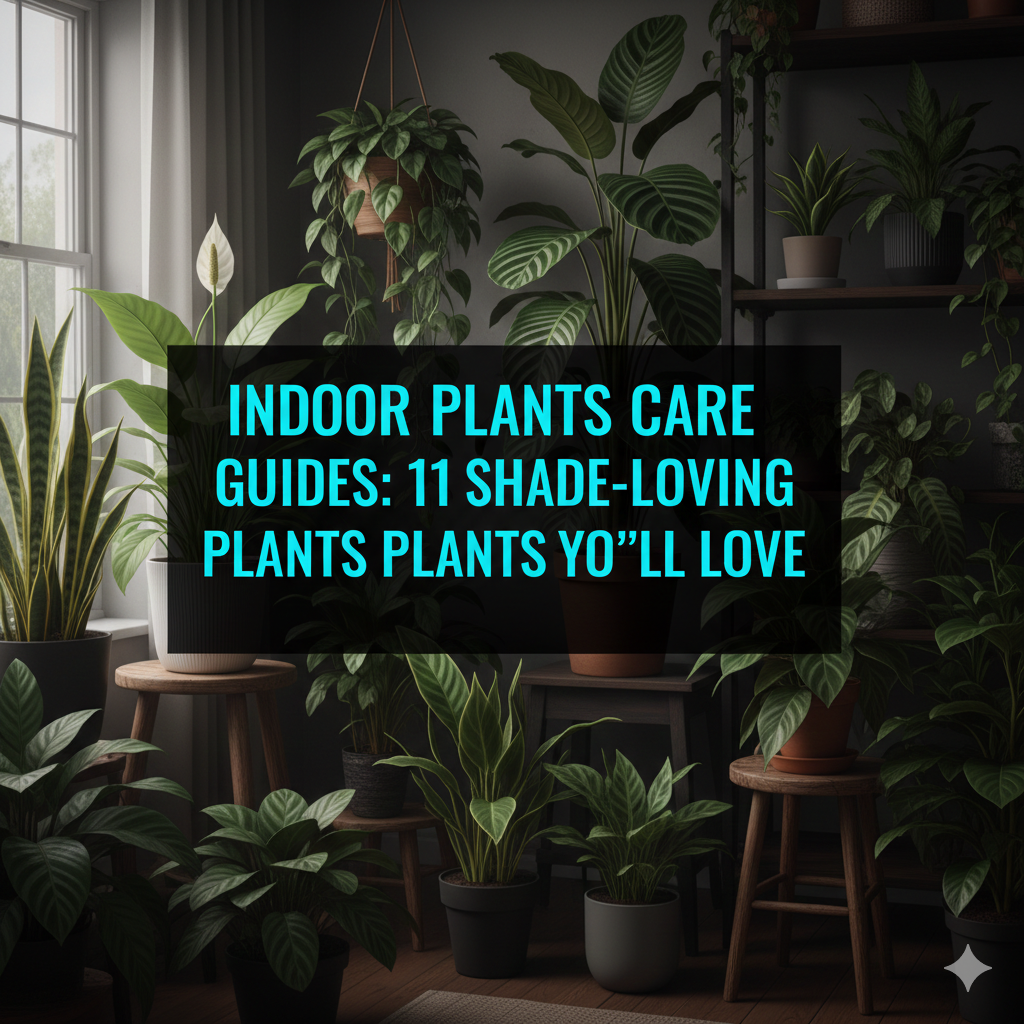
Indoor Plants Care Guides: 11 Shade-Loving Plants You’ll Love
Not all homes are blessed with the sun. Maybe your apartment is facing north. Maybe your windows are small or blocked with tall buildings. Whatever the reason, low light doesn’t have to mean no plants.
The good news? Some of the most beautiful houseplants actually like the shade. They don’t merely live in dark corners — they thrive in dark corners.
This guide goes through 11 of the best indoor shade-loving plants, how to care for them, and why they might turn out to be the perfect fit for your space. Whether you’re a first-time plant parent, or someone who’s killed a couple of succulents in the sunny window, this list is for you.
Why Some Plants Actually Love the Shade
In nature, there are many plants growing under the canopy of tall trees. They never see the direct rays of the sun. Instead, they’ve adapted to filter light — dappled, soft, indirect rays that reach them through leaves above.
When you bring these plants indoors, they are exactly at home away from the harsh sunlight.
Low-light plants generally:
- Grow slower (which means less repotting and pruning)
- Need less water
- Are more forgiving for beginners
- Live in offices, bathrooms, and dark hallways
That said, “low light” doesn’t mean “no light.” Every plant requires some light to live. A good rule of thumb — if you can comfortably read a book in that spot without turning on a lamp, then there’s enough light for most shade-loving plants.
What “Low Light” Really Means for Indoor Plants
Before jumping into the list, it helps to know what people mean when they say “low light” when talking about plants.
| Light Level | What It Looks Like | Distance from Window |
|---|---|---|
| Bright Indirect | Close to a window with no direct sun | 1–3 feet |
| Medium Light | Some natural light, away from window | 4–8 feet |
| Low Light | Away from windows, dim rooms | 8+ feet or no window |
| No Light | Closets, dark hallways | Not good for most plants |
Most of the plants in this guide do best in medium to low light. A few can tolerate near-darkness for brief periods but prefer indirect light near a window.
11 Shade-Loving Indoor Plants You’ll Love
1. Pothos (Epipremnum aureum)
Difficulty Level: Beginner-Friendly Light Needed: Low to medium indirect light Watering: Every 1–2 weeks
Pothos is the undisputed king of low-light houseplants. Its trailing vines and heart-shaped leaves look stunning on a shelf or hanging basket. It is the most neglect-tolerant of all.
Care Tips:
- Water when the top inch of soil is dry
- Dust leaves occasionally with a wipe
- Cut back vines if they get too long — cuttings root easily in water
Pothos can tolerate poorly lit rooms but will grow more quickly and have better leaf patterns with some indirect light. Yellow leaves, in most cases, means overwatering and not lack of light.
Why you’ll love it: Grows quickly, looks beautiful, and tells you when it is thirsty by drooping slightly.
2. Snake Plant (Sansevieria trifasciata)
Difficulty Level: Nearly Indestructible Light Needed: Low to bright indirect light Watering: Every 2–6 weeks
Snake plants are ideal for people who forget to water. Their tall, stiff, sword-shaped leaves come in gorgeous patterns of green and yellow. They can tolerate very little light and can go weeks without water.
Care Tips:
- Use well-draining soil — root rot from overwatering is the #1 killer
- Don’t mist the leaves
- Repot only if badly root-bound
They are slow-growing under low light but remain healthy and striking.
Why you’ll love it: You cannot possibly kill it. Great for travelers, students, or busy people.
3. ZZ Plant (Zamioculcas zamiifolia)
Difficulty Level: Beginner-Friendly Light Needed: Low to medium indirect light Watering: Every 2–3 weeks
The ZZ plant looks like it came from a design magazine. Its glossy, dark green leaves have a wonderful reflective quality. It stores water in its thick rhizomes (underground stems), which means it survives drought easily.
Care Tips:
- Let the soil dry out completely between waterings
- Keep away from children and pets — mildly toxic if eaten
- Turn the pot from time to time for even growth
Why you’ll love it: Zero fuss. Maximum style. Perfect for contemporary home decoration.
4. Peace Lily (Spathiphyllum)
Difficulty Level: Easy Light Needed: Low to medium indirect light Watering: Once a week or when soil has dried
Peace lilies are one of the few shade-loving plants that flower indoors. Their white blooms stand out against dark green leaves and make a beautiful addition to any room. They’re also known to improve indoor air quality.
Care Tips:
- They droop dramatically when thirsty — an easy signal to water
- Mist leaves in dry climates to maintain humidity
- Wipe leaves with a damp cloth to keep them shiny
- Keep away from direct sun, which scorches the leaves
Why you’ll love it: It blooms indoors without needing a sunny windowsill.
5. Cast Iron Plant (Aspidistra elatior)
Difficulty Level: Very Easy Light Needed: Very low light Watering: Every 1–2 weeks
True to its name, the cast iron plant is hard as nails. It copes with cold drafts, dust, dry air, and very low light — the kind of conditions that would kill most plants. Victorian homes loved it for a reason.
Care Tips:
- Avoid direct sunlight — it will bleach the leaves
- Feed with diluted fertilizer once a month in spring and summer
- Wipe leaves clean, as dust clogs pores
It grows very slowly but lives for decades with minimal care.
Why you’ll love it: Thrives where others fail. Great for hallways and offices.
6. Chinese Evergreen (Aglaonema)
Difficulty Level: Easy to Moderate Light Needed: Low to medium indirect light Watering: Every 1–2 weeks
Chinese evergreens come in a gorgeous range of colors — from deep green to silver, pink, red, and cream. They’re one of the most attractive foliage plants on offer for shady locations.
Care Tips:
- Darker varieties can tolerate lower light; brighter/pink varieties require a little more light
- Keep away from drafts and cold windows
- Don’t overwater — they’re susceptible to root rot
Why you’ll love it: The range of colors available means there’s a Chinese evergreen for every type of home decor.
7. Dracaena
Difficulty Level: Easy Light Needed: Low to medium indirect light Watering: Every 1–2 weeks
Dracaenas are tall, dramatic plants with long strap-like leaves. They come in many varieties — some with green leaves, others striped with yellow, white, or red. They provide height and structure in a room.
Care Tips:
- Use filtered or distilled water — they’re sensitive to the fluoride in tap water
- Brown leaf tips are often a sign of too much fluoride or low humidity
- Don’t allow the plant to stand in water
Why you’ll love it: Their tall, architectural form fills empty corners beautifully.
8. Boston Fern (Nephrolepis exaltata)
Difficulty Level: Moderate Light Needed: Low to medium indirect light Watering: Frequently — keep soil moist
Boston ferns are lush and feathery. Their arching fronds look incredible in hanging baskets. They prefer humidity, which makes them great for bathrooms.
Care Tips:
- Keep the soil evenly moist but not waterlogged
- Mist frequently or set up a pebble tray with water to increase humidity
- Brown fronds mean low humidity — not lack of water
- Feed monthly during the growing season
Why you’ll love it: It adds a soft, natural, jungle-like feeling to any space.
9. Heartleaf Philodendron (Philodendron hederaceum)
Difficulty Level: Beginner-Friendly Light Needed: Low to medium indirect light Watering: Every 1–2 weeks
Similar to pothos but with a velvety texture, heartleaf philodendrons are fast-growing with a beautiful trailing habit. They’re very adaptable and easy to propagate.
Care Tips:
- Let the top 1–2 inches of soil dry out before watering
- Prune leggy vines to promote bushier growth
- Root cuttings easily in water or soil
Why you’ll love it: Fast-growing, easy to propagate, and that gorgeous heart-shaped leaf makes it endlessly charming.
10. Spider Plant (Chlorophytum comosum)
Difficulty Level: Very Easy Light Needed: Low to bright indirect light Watering: Every 1–2 weeks
Spider plants are cheerful, striped, and super-tough. They produce “babies” — small offshoots that dangle from the mother plant on long stems. These babies can be potted to grow new plants.
Care Tips:
- They prefer to be slightly root-bound
- Avoid fluoride in water (use filtered water if possible)
- Brown tips are common and mostly harmless — trim them if you prefer a cleaner look
Why you’ll love it: It grows new plants for free. Perfect for sharing with friends and family.
11. Parlor Palm (Chamaedorea elegans)
Difficulty Level: Easy Light Needed: Low to medium indirect light Watering: Every 1–2 weeks
If you’ve ever dreamed of having a palm tree indoors, the parlor palm makes it possible — even in rooms with low lighting. Its graceful, feathery fronds give a tropical feel without needing a tropical climate.
Care Tips:
- Keep away from direct sun, which burns the fronds
- Water when the top inch of soil is dry
- Mist occasionally and avoid cold drafts
- Grows very slowly — be patient
Why you’ll love it: Tropical vibes. No sunroom required.
Side-by-Side Comparison: All 11 Plants at a Glance
| Plant | Light Level | Watering Frequency | Pet Safe? | Difficulty |
|---|---|---|---|---|
| Pothos | Low–Medium | Every 1–2 weeks | No | Easy |
| Snake Plant | Low–Bright | Every 2–6 weeks | No | Very Easy |
| ZZ Plant | Low–Medium | Every 2–3 weeks | No | Easy |
| Peace Lily | Low–Medium | Weekly | No | Easy |
| Cast Iron Plant | Very Low | Every 1–2 weeks | Yes | Very Easy |
| Chinese Evergreen | Low–Medium | Every 1–2 weeks | No | Easy |
| Dracaena | Low–Medium | Every 1–2 weeks | No | Easy |
| Boston Fern | Low–Medium | Frequently | Yes | Moderate |
| Heartleaf Philodendron | Low–Medium | Every 1–2 weeks | No | Easy |
| Spider Plant | Low–Bright | Every 1–2 weeks | Yes | Very Easy |
| Parlor Palm | Low–Medium | Every 1–2 weeks | Yes | Easy |
Common Mistakes People Make With Shade-Loving Plants
Overwatering Is the #1 Killer
Most low-light plants grow slowly. Slow growth means they use water slowly too. If you keep watering on a schedule without checking the soil first, roots can rot.
Always check the soil before watering. Stick your finger an inch into the soil. If it’s still moist, wait.
Putting Them in Complete Darkness
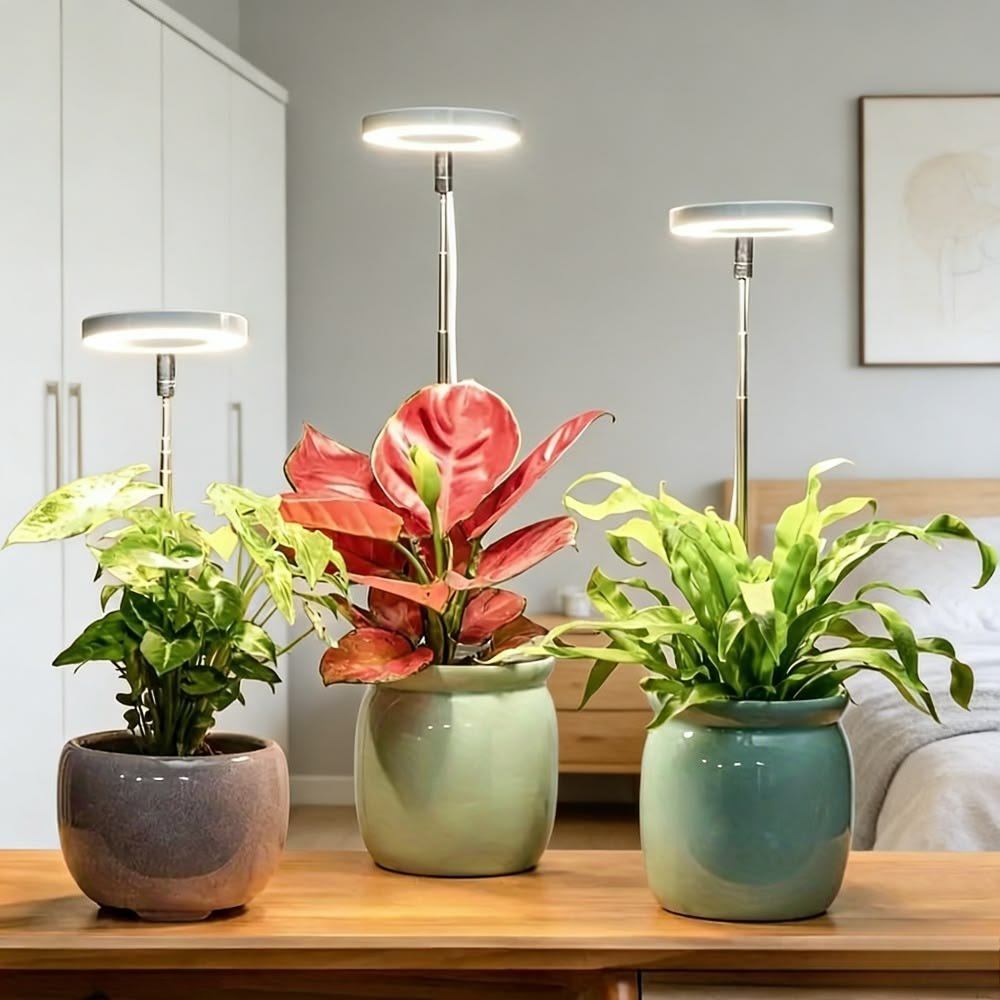
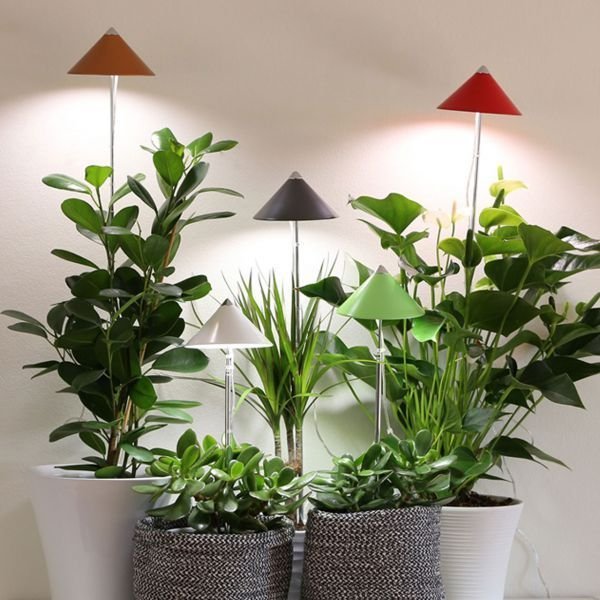
“Shade-loving” doesn’t mean “darkness-loving.” These plants still require light to photosynthesize. No plant can survive forever in a totally dark room. If your space gets no natural light at all, consider a grow light on a timer.
Using the Wrong Soil
Many beginners use heavy garden soil from outside. Indoors, you need well-draining potting mix. Heavy soil retains too much moisture and leads to root rot.
Ignoring Humidity
Plants like Boston ferns and peace lilies prefer higher humidity. Dry indoor air — especially in winter with the heat running — can cause brown tips and wilting. A simple humidifier or pebble tray that holds water nearby can make a big difference.
Best Spots in Your Home for Low-Light Plants
Not sure where to put your new plants? Here’s a quick guide:
Bathroom: Peace lily, Boston fern, pothos — they love the humidity from showers.
Office desk: Snake plant, ZZ plant, Chinese evergreen — low maintenance and air-purifying.
Hallway or staircase: Cast iron plant, dracaena, parlor palm — they handle drafts and low light.
Bedroom: Spider plant, heartleaf philodendron, pothos — safe and calming.
Living room corner: ZZ plant, snake plant, parlor palm — dramatic and architectural.
For more detailed plant placement tips and growing guides, visit Indoor Plants Guide — a great resource for both beginner and experienced plant parents.
Easy Care Routine for Low-Light Indoor Plants
Here is a quick routine you can follow:
Every week:
- Check soil moisture before watering
- Look out for yellowing or drooping leaves
- Remove dead leaves or spent flowers
Every month:
- Wipe leaves with a damp cloth to remove dust
- Fertilize in spring and summer (skip in winter)
- Rotate pots for even growth
Every few months:
- Check for root-bound conditions (roots coming out of drainage holes)
- Repot into a slightly larger container if needed
- Check for pests like spider mites or mealybugs on the undersides of leaves
According to the University of Vermont Extension, most common houseplant problems — including yellowing leaves and wilting — are caused by improper watering rather than lack of light, which makes choosing the right low-light plant even more important for beginners.
FAQs About Shade-Loving Indoor Plants
Q: Can low-light plants survive on artificial light only? Yes, many can — especially under full-spectrum grow lights. Snake plants, pothos, and ZZ plants grow well under office fluorescent lighting. For best results, leave the light on for 12–16 hours a day.
Q: How do I know if my plant isn’t getting enough light? Watch out for these signs: leggy, stretched stems reaching toward the light source; smaller new leaves; pale or yellowing leaves; slow or no growth for several months.
Q: Are shade-loving plants safe for pets? Not all. Pothos, ZZ plants, peace lilies, philodendrons, dracaena, and Chinese evergreens are toxic to cats and dogs if ingested. Spider plants, Boston ferns, cast iron plants, and parlor palms are generally considered pet-safe. Always check before bringing a new plant into a home with animals.
Q: Do low-light plants need fertilizer? Yes, but less often. Fertilize once a month in spring and summer with a diluted liquid fertilizer. Don’t fertilize in fall and winter when plants are resting.
Q: Why are my plant’s leaves turning yellow? Usually overwatering. Check the soil. If it’s soggy, ease off watering and make sure your pot has drainage holes. Yellow leaves can also indicate the plant needs a little more light.
Q: What’s the easiest shade-loving plant for a complete beginner? Snake plant or ZZ plant. Both tolerate neglect, irregular watering, and low light better than almost anything else.
Q: Can I put these plants in a bathroom with no windows? For short periods, yes — but not permanently. Without any natural light, even the hardiest plants will eventually decline. A grow light makes windowless bathrooms plant-friendly.
Bringing It All Together
Low light is not a death sentence for your plant collection. In fact, it opens the door to some of the most elegant, low-maintenance, and visually stunning plants available.
From the near-indestructible snake plant to the tropical look of the parlor palm, there’s a shade-loving plant for every corner of your home. The key is finding the right plant for your specific light situation and learning the watering habits that keep them healthy.
Start with one or two. Learn what works. Then build from there.
Before long, even your darkest room will be filled with green life — and you’ll wonder why you ever thought low light was a problem in the first place.