11 Secrets To Keeping Those Leaves Pest-Free
You water your plant. You give it sunlight. You even speak to it occasionally.
And then one day — tiny bugs. Sticky leaves. Brown spots where they weren’t before.
It feels frustrating, right? As if you did everything right and then the pests showed up anyway.
Here’s the reality, says Daniel Gilrein, an entomologist with Cornell Cooperative Extension of Suffolk County: Indoor plant pests mostly don’t materialize out of thin air. They appear because of tiny habits, or conditions, that we don’t even notice. The good news? Once you discover the secrets of how to manage them, keeping your plants free from pests is relatively simple.
That’s why in this guide, I will dissect 11 real and practical tips that are not limited to “just spray neem oil” advice. Whether you’re a new plant parent or have decades of experience caring for houseplants, these indoor plants care guides will help you safeguard every leaf in your home.
Let’s get into it.
Why Your Indoor Plants Are So Attractive to Pests
Before we get to the tips, let’s find out why indoor plants draw pests in the first place.
Nature has its own checks and balances on pest populations for outdoor plants — birds, predatory insects, rain and wind all help. None of that exists for houseplants. So if one little spider mite or fungus gnat discovers your plant, there’s no predator getting in the way of it multiplying quickly.
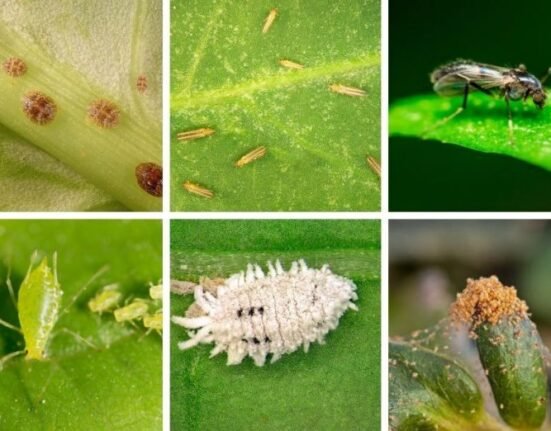
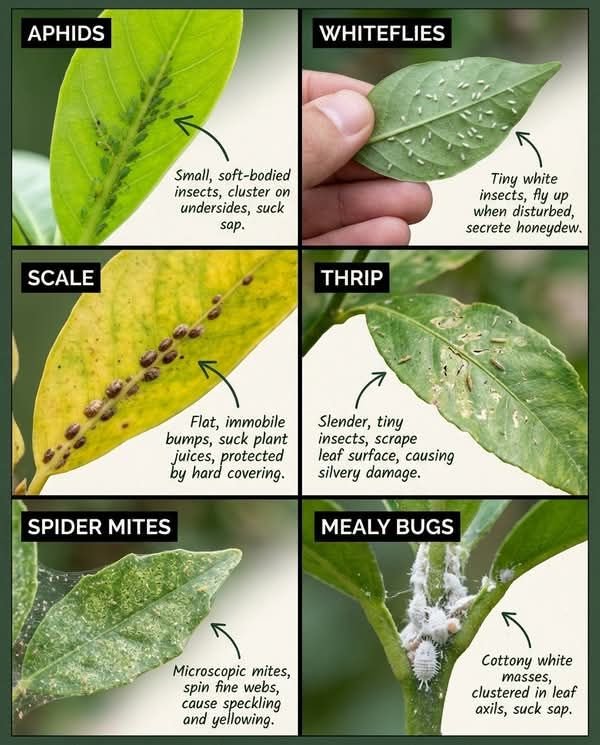
Common indoor plant pests include:
| Pest | What It Does | Signs to Look For |
|---|---|---|
| Spider Mites | Suck sap from leaves | Tiny webs, yellow dots |
| Fungus Gnats | Lay eggs in moist soil | Small flies near soil |
| Mealybugs | Feed on plant tissue | White cottony clusters |
| Scale Insects | Drain plant energy | Brown bumps on stems |
| Aphids | Cluster on new growth | Curled leaves, sticky residue |
| Thrips | Scrape and feed on leaves | Silver streaks, distorted leaves |
The majority of these pests do well when plants are overwatered, sited in low light, or carried indoors from outside without being examined. Now let’s discuss how to shut them down.
Tip 1: Quarantine New Plants Before Bringing Them In
This is the first rule most plant lovers break.
If you bring home a new plant — whether from the nursery, the grocery store or a neighbor’s yard — it could be infested with pests hiding in its soil or under its leaves. You can’t always see them with the naked eye.
What to do:
Quarantine each new plant in a room of its own for at least 1–2 weeks before bringing it into proximity with your other plants. Inspect the leaves (both top and bottom), stems, and soil every few days during this period.
This single habit can stop an infestation from traveling through your whole collection.
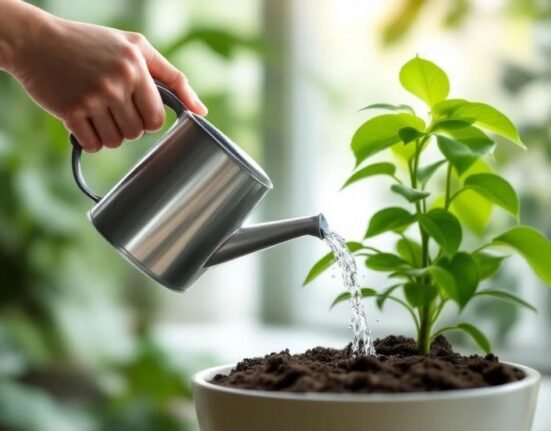
Tip 2: Stop Overwatering — Wet Soil Is a Pest Hotel
If there’s one thing that attracts pests more than anything else, it’s wet soil.
Fungus gnats, for instance, require moist soil in which to lay their eggs. Their larvae dwell in the ground and feed on roots. Overwatering also reduces a plant’s natural defenses, making it easier for other pests to move in.
How to check if you’re overwatering:
Stick your finger into the soil, about an inch deep. If it still feels moist, hold off on watering. Most houseplants like to dry out a bit between drinks.
For even more certainty, a basic soil moisture meter (available for just a few dollars) can eliminate all the guesswork.
Signs You’re Watering Too Much
- Yellowing lower leaves
- Mushy stems at the base
- A musty smell from the soil
- Fungus gnats flying around the pot
Correcting your watering schedule is one of the easiest indoor plants care steps you can follow — and it really matters.
Tip 3: Keep That Foliage Clean (Honestly)
Dusty leaves are more than just unsightly. Dust blocks sunlight, stresses the plant and makes a good hiding spot for spider mites and other tiny pests.
Cleaning your leaves every 2 to 3 weeks is a great way to keep the plant healthy and catch early signs of an infestation.
How to wash plant leaves:
- Use a soft, damp cloth
- Wipe each leaf from both sides
- Apply a diluted neem oil solution once a month for prevention
- For plants with lots of tiny leaves, rinse them gently under the faucet or in the shower
This simple habit is underrated. It takes under five minutes per plant and can save you weeks of dealing with an all-out pest infestation.
Tip 4: Get the Right Humidity Levels
Different pests love different conditions. Spider mites, in particular, love dry air. When there isn’t much humidity, they reproduce at an incredible rate.
But overly moist conditions result in trouble with fungi and other pests.
Most houseplants prefer humidity between 40% and 60%.
| Humidity Level | What Happens |
|---|---|
| Below 30% | Spider mites multiply quickly |
| 30% – 40% | Some plants stress; pests could appear |
| 40% – 60% | Most houseplants thrive |
| Above 70% | Fungal growth, gnats in soil, risk of rot |
A simple digital hygrometer costs very little and makes monitoring this a breeze. If your home is very dry, a small humidifier near your plants will help. If it’s too humid, improved air circulation is beneficial.
Tip 5: Choose the Right Soil — Not Just Any Bag From the Store
Not all potting soils are created equal. Some cheaper potting mixes retain too much moisture, and this is where fungus gnats thrive — and worse still — root rot sets in.
A well-draining potting mix is what you are looking for. Drainage can be improved by adding perlite or coarse sand. This prevents water from pooling at the roots while still holding enough moisture for the plant to drink.
What to Add to Your Potting Mix
- Perlite – Loosens soil and aids drainage
- Coarse sand – Helps water move through faster
- Coco coir – Holds moisture without getting soggy
- Activated charcoal – Prevents bacteria and fungal growth in soil
Refreshing your potting mix every 1 to 2 years also helps remove any pest eggs or larvae lurking in old, compacted soil.
Tip 6: Boost Your Plant’s Immune System With Proper Fertilizing
A healthy, well-fed plant is its own best defence. It’s the same concept as a person with a strong immune system falling sick less frequently.
But here’s something most guides don’t tell you: over-fertilizing with nitrogen can actually encourage pests. Too much nitrogen results in rapid, soft new growth — and pests such as aphids and thrips love nothing more than tender new growth.
The better approach:
- Feed with a balanced fertilizer (equal parts N-P-K)
- Use less fertilizer during fall and winter when growth slows
- Consider slow-release fertilizers for steady, consistent feeding
- Don’t fertilize a stressed or pest-damaged plant — fix it first
A good feeding regime is one of the most neglected tips in indoor plants care guides. It keeps your plant strong without giving pests an invitation.
Tip 7: Examine the Underside of Every Leaf — That’s Where They Hide
Most pests don’t sit out in the open where you can easily spot them. They hide.
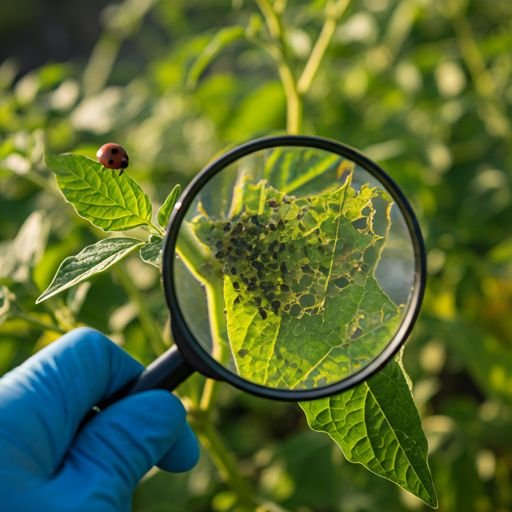
Spider mites, mealybugs, aphids and scale insects typically hide on the underside of leaves. When you inspect your plants, flipping the leaves and examining what lies beneath is non-negotiable.
Make It a Weekly Habit
Set a reminder to spend a few minutes inspecting all your plants once a week. It takes just a few minutes. Look for:
- Tiny moving dots (spider mites)
- Cottony white fluff (mealybugs)
- Brown bumps on stems and undersides (scale)
- Sticky residue on leaves (aphid honeydew)
- Curling or distorted new leaves (thrips or aphids)
It is 10 times easier to catch these pests early — when there are just a few — than to deal with a full-blown infestation.
Tip 8: Let Fresh Air In — Good Airflow Is a Natural Pest Repellent
Stale air makes pests and fungal diseases feel right at home. Good air circulation makes the environment unpleasant for most common pests and also helps the soil dry out faster.
You don’t need to do anything fancy here.
- Open a window near your plants for a few hours each day
- Place a small fan on a low setting near your plant shelf
- Avoid crowding plants too close together
When plants are crammed tightly together, pests can easily spread from one to another. Giving each plant a little breathing room slows that spread down significantly.
Spacing Guide for Common Houseplants
| Plant Type | Recommended Spacing |
|---|---|
| Small Succulents | 2–4 inches apart |
| Medium Foliage Plants | 6–12 inches apart |
| Large Tropical Plants | 12–24 inches apart |
Tip 9: Use Natural Pest Deterrents Before Problems Start
Prevention is always better than cure. There are a number of natural ingredients that repel pests without damaging your plants or the air quality inside your home.
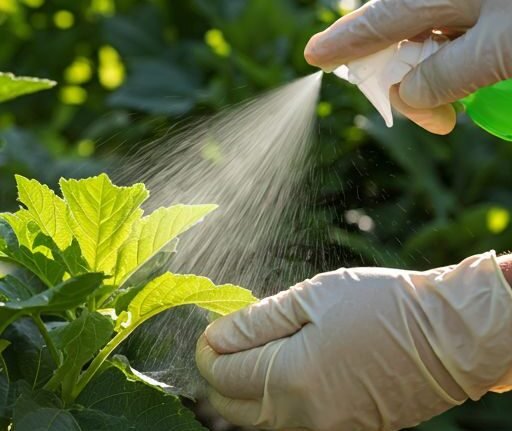
Neem oil is the most widely used option — and for good reason. It works against a wide range of pests, disrupts their life cycle and is safe for humans and pets when used properly. According to the University of Florida IFAS Extension, neem-based products are among the most effective and eco-friendly options for managing common houseplant pests. Mix a teaspoon with a few drops of dish soap and one liter of water, then spray it on your plants as a preventive treatment every 2 to 3 weeks.
Other natural deterrents include:
- Diatomaceous earth – Sprinkle on top of soil to kill crawling insects
- Cinnamon powder – Dust on soil to deter fungus gnats and fungal growth
- Sticky yellow traps – Placed near plants to catch flying pests like gnats and whiteflies
- Diluted rubbing alcohol – Dab on mealybugs with a cotton swab to kill on contact
- Garlic spray – Diluted garlic water spray deters most soft-bodied insects
These are not folk remedies — most of the following have solid science behind them and are recommended in professional indoor plants care guides worldwide.
Tip 10: Repot Plants That Keep Getting Pests
Sometimes, no matter how much you spray or treat, pests just keep coming back. If that’s the case, the issue might be in the soil itself.
Fungus gnat larvae and other pests can live deep in the soil where sprays don’t reach. Repotting is the most effective solution in that case.
How to repot to eliminate pests:
- Carefully remove the plant from its pot
- Gently shake off as much of the old soil as possible
- Rinse the roots gently under room-temperature water
- If you notice root rot (brown, mushy roots), trim those off with clean scissors
- Let the roots air dry for 30 to 60 minutes
- Repot into fresh, well-draining potting mix in a clean pot
- Avoid watering heavily for the first few days
This resets the growing environment and removes the hidden habitat where pests were surviving.
Tip 11: Keep a Simple Plant Care Log
This last tip sounds simple — but it’s more powerful than you might think.
When you track what you’re doing — when you watered, when you fertilized, when you last inspected — you start to notice patterns. You may find you always get fungus gnats in winter when the heating is on and you’re watering more. Or that your monsteras always get spider mites when the humidity drops.
A basic notebook or even a notes app on your phone works perfectly.
What to track:
- Date of watering
- Fertilizer applied
- Any pest signs noticed
- Treatments used
- Humidity and temperature if possible
Over time, this becomes your own personal indoor plants care guide — built on real experience with your actual plants, in your actual home.
Quick Reference: 11 Tips at a Glance
| # | Tip | Why It Works |
|---|---|---|
| 1 | Quarantine new plants | Prevents pests from entering your collection |
| 2 | Avoid overwatering | Eliminates gnat breeding grounds |
| 3 | Clean foliage regularly | Removes pests and increases light absorption |
| 4 | Balance humidity | Prevents spider mite and fungal conditions |
| 5 | Use well-draining soil | Reduces root rot and soil pest habitat |
| 6 | Fertilize correctly | Strengthens plant without attracting pests |
| 7 | Inspect leaf undersides | Catches pests before they spread |
| 8 | Improve airflow | Disrupts pest-friendly environments |
| 9 | Use natural deterrents | Prevents infestations without harsh chemicals |
| 10 | Repot when needed | Removes hidden pest colonies in soil |
| 11 | Keep a care log | Helps you spot patterns and act early |
When Nature’s Defenses Aren’t Enough — When to Use Stronger Treatments
Occasionally an infestation takes hold before you realize it. If natural solutions aren’t working after 2 to 3 weeks of consistent treatment, you may need an extra boost.
Look for insecticidal soap sprays, horticultural oils or systemic insecticides designed for houseplants. Be sure to read labels closely, keep treated plants away from children and pets during application, and never apply to a stressed or wilting plant.
Also, don’t be afraid to quarantine — or even discard — a heavily infested plant that’s putting your other plants at risk. It’s a tough call, but it can be the right one.
FAQs: Indoor Plants Care Guides and Pest Control
Q: How often should I check my plants for pests? Once a week is ideal. A visual inspection of the leaves (both sides), soil and stems takes only a few minutes, but can help stop an infestation before it has a chance to grow.
Q: Is neem oil safe around pets and children? Neem oil is generally safe when used as directed. But it’s always a good idea to keep pets away from treated plants until the spray has dried — and never use it near food or in enclosed spaces without ventilation.
Q: Can pests travel through the air from one plant to another? A few pests, including spider mites and fungus gnats, can be airborne or fly short distances. That’s why spacing plants apart and quarantining new or infested ones is so important.
Q: My plants keep getting fungus gnats no matter what I do. Why? Fungus gnats almost always return because of consistent overwatering. Try allowing the top 2 inches of soil to dry out completely between waterings, use sticky traps to reduce adult populations, and sprinkle cinnamon or diatomaceous earth on the soil surface.
Q: Does the type of pot make any difference in pest problems? Yes. Terracotta pots allow soil to dry more quickly than plastic ones, making overwatering and fungus gnats less likely. Good drainage holes in any pot are a must.
Q: My plant has pests. Should I still fertilize it? No — not until the infestation is under control. A stressed plant can’t use fertilizer efficiently, and excess nutrients may even encourage soft growth that attracts more pests.
Q: What’s the quickest way to get rid of mealybugs? Dab each mealybug cluster directly with a cotton swab soaked in rubbing alcohol. This kills them on contact. Follow up with a neem oil spray every week for one month to catch any that hatch from eggs.
Wrapping It All Up
Keeping your indoor plants free of pests isn’t about finding a magic spray or a one-time trick. It’s about building a set of habits that work together — proper watering, regular inspections, clean leaves, the right soil and a measure of prevention.
The 11 tips in this indoor plants care guide form a complete system. Each one supports the others. When you stop overwatering and improve airflow and inspect weekly, your plants become a much tougher target for pests.
Start with two or three tips that feel most manageable for your current routine. Add more as they become habits. Before long, you’ll have a plant collection that looks healthy, stays clean and rarely — if ever — needs emergency pest treatment.
Your plants are depending on you. And now you have the knowledge to show up for them.