Indoor Plants Care Guides: 10 Ultimate Tips for Lush Indoor Greens
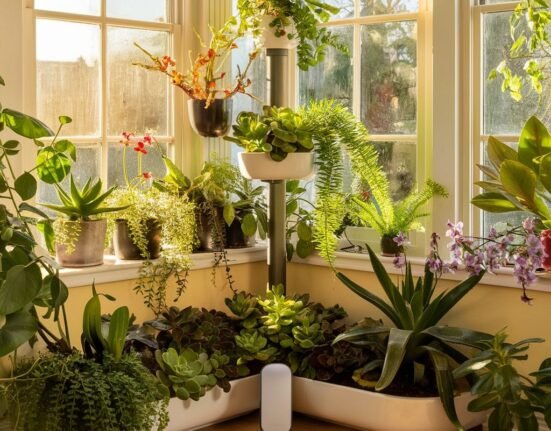
I’ve been messing around with houseplants for more years than I care to count—started back when I was in a tiny apartment with barely any windows, killing one succulent after another until something finally clicked. These days my living room looks like a mini jungle, with pothos trailing everywhere, a couple of monsteras throwing out new leaves like they’re showing off, and even a few finicky ferns that somehow survive my occasional neglect. The secret? It’s not magic or some rare fertilizer. It’s just paying attention to what they actually need instead of what I think they need. If you’re tired of plants turning yellow or drooping no matter what you do, these ten tips have saved more of my green friends than I can remember. They’re straightforward, based on trial and error (mostly error on my part), and they work across most common indoor varieties.
Tip 1: Match the plant to your actual light situation, not what the label dreams of.
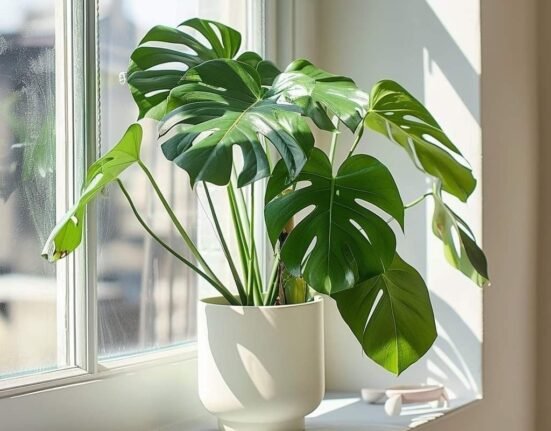
Light is the make-or-break factor—way more than water for most people. I used to buy whatever looked pretty at the store, stick it in a dim corner, and wonder why it sulked. Now I scout my space first. South-facing windows blast bright light all day; east gets gentle morning sun; north is low and indirect. Pick accordingly. Snake plants, ZZ plants, pothos—these tough guys handle low light like champs and still push out lush growth. If you want something showier like a fiddle leaf fig or monstera, they crave that brighter spot but hate direct harsh afternoon rays that scorch leaves. Move things around seasonally too—winter light drops off, so shift plants closer to windows or supplement with a cheap LED grow light if things start looking leggy. Leggy growth is the plant stretching desperately for more sun; catch it early and you’ll keep that full, bushy look.
Tip 2: Water only when the soil tells you to, not because it’s Tuesday.
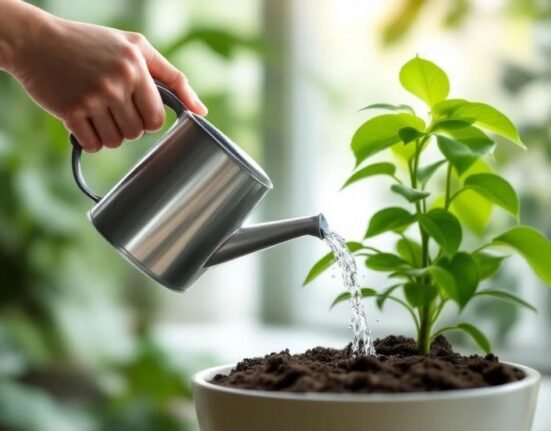
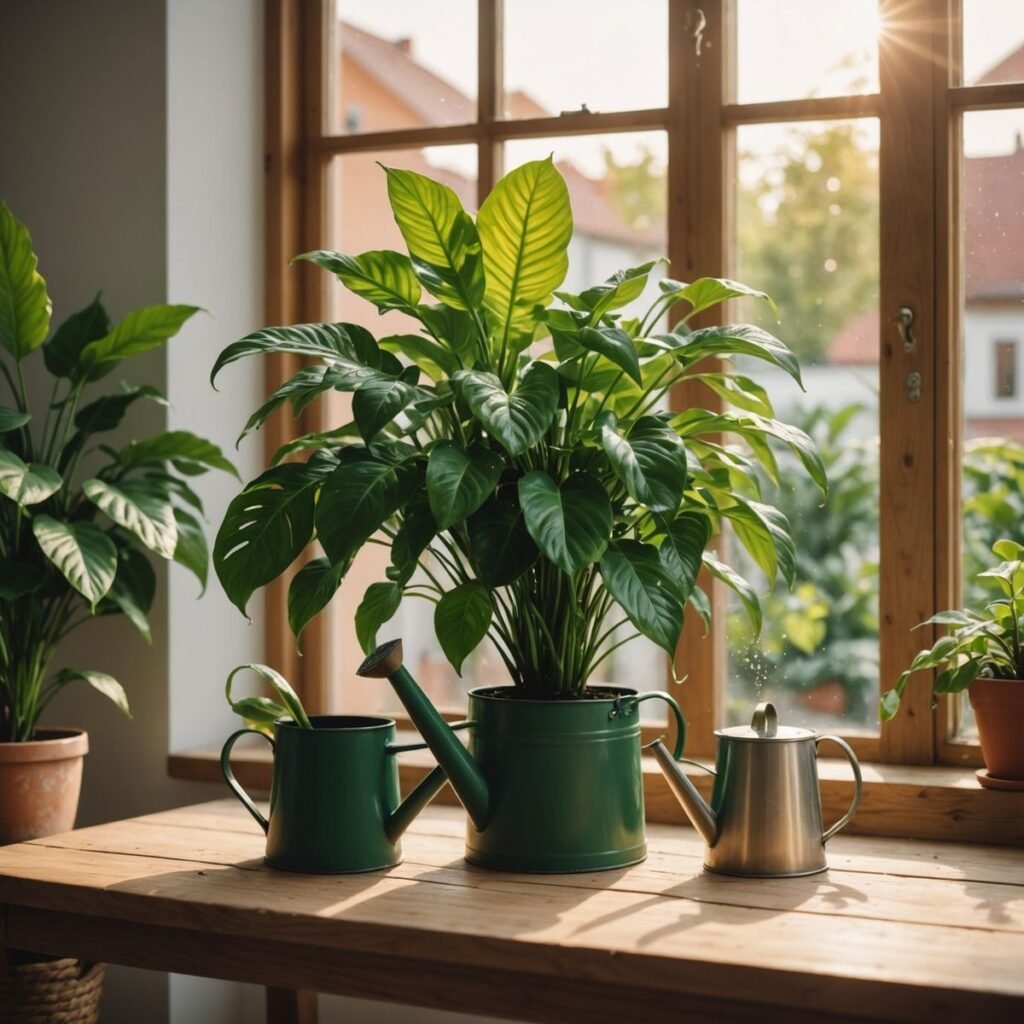
Overwatering kills more houseplants than anything else. I learned this the hard way with a beautiful peace lily that I drowned weekly. The rule is simple: stick your finger in the top two inches of soil. Dry? Water. Still damp? Wait. Every plant has its preference—succulents and snake plants want to dry out completely between drinks, while ferns and calatheas like consistently moist but never soggy. When you do water, go thorough: pour until it runs out the bottom drainage holes, then dump the saucer so roots don’t sit in water. Room-temperature water is best; cold shocks tropicals. Bottom watering works great for some—set the pot in a tray of water for 20-30 minutes and let it soak up what it needs. This avoids wetting leaves unnecessarily and reduces fungus risk. Track your routine for a few weeks; patterns emerge, and suddenly you’re not guessing anymore.
Tip 3: Choose pots with drainage and the right size—roots hate swimming or being cramped.
No drainage holes? Instant root rot waiting to happen. I repotted a gorgeous rubber plant into a cute ceramic pot without holes once—beautiful for a month, then mushy stems. Always use pots with holes, or drill them if you fall in love with something decorative (then use a liner or cache pot). Size matters too. Too big a pot holds excess moisture that rots roots; too small and the plant gets root-bound fast, stunting growth. When repotting, go up just one size—maybe two inches wider—and refresh the soil. Terracotta breathes and dries faster, great for overwaterers like me; plastic retains moisture longer, good for forgetful types. Whatever you choose, make sure excess water escapes freely.
Tip 4: Get the soil mix right—generic potting soil often isn’t enough.
Straight bagged potting soil from the store can compact over time, suffocating roots. Most houseplants do best in a loose, well-aerating mix. I usually go for something with perlite or vermiculite for drainage, maybe some orchid bark or coco coir for chunkiness. For aroids like monstera or philodendron, add extra bark to mimic their epiphytic roots. Succulents and cacti need gritty, fast-draining cactus mix. If you’re reusing old soil, refresh it or sterilize in the oven to kill pests. Good soil holds just enough moisture without staying wet, and it gives roots room to breathe. Healthy roots mean lush tops—it’s that simple.
Tip 5: Boost humidity without turning your home into a sauna.
Most indoor plants come from humid tropics, but our heated or air-conditioned homes are bone-dry. Crispy brown leaf tips are the classic cry for help. Grouping plants together helps—they create a microclimate. I keep a tray of pebbles and water under pots (pot not sitting in water) for passive evaporation. A small humidifier in the room works wonders during winter. Misting? It’s temporary at best and can invite leaf spot if you overdo it—better for quick refresh than long-term fix. Bathrooms and kitchens naturally humid; if light’s decent, put moisture-lovers there. My ferns and prayer plants exploded once I moved them near the shower steam.
Tip 6: Fertilize smartly during growth season—don’t force feed in winter.
Plants aren’t eating much when dormant. I fertilize spring through early fall, every 4-6 weeks with a balanced liquid houseplant fertilizer at half strength. Overdoing it burns roots and salts build up. Flush soil monthly with plain water to rinse excess. In winter, I skip or cut way back—maybe once every couple months if growth continues. Organic options like fish emulsion or worm castings give slow-release nutrients without the burn risk. Watch for pale leaves or slow growth; that’s often a hunger sign. But lush doesn’t come from dumping fertilizer; it comes from balanced care.
Tip 7: Prune and clean leaves regularly for that full, vibrant look.
Dead or yellow leaves sap energy—snip them off at the base with clean scissors. Leggy stems? Pinch or cut back to encourage bushier growth. I prune pothos and philodendrons aggressively in spring; they respond with thicker vines. Dust buildup on leaves blocks light and photosynthesis—wipe with a damp cloth monthly. For fuzzy leaves like African violets, use a soft brush. Clean plants just look healthier, and they actually are—better light absorption means more energy for new growth.
Tip 8: Watch for pests early—prevention beats treatment.
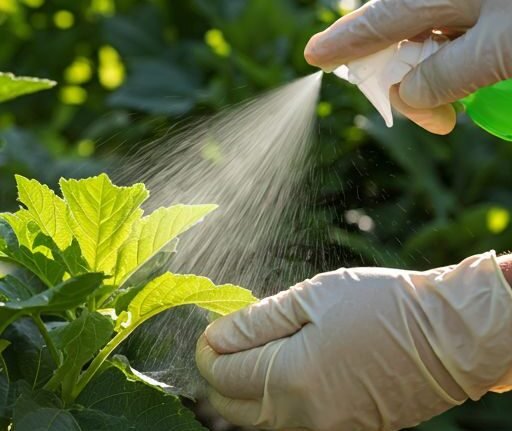
Spider mites, mealybugs, scale—they show up sneaky. I inspect undersides of leaves weekly, especially new plants. Quarantine newcomers for a couple weeks. Neem oil or insecticidal soap handles most issues if caught soon. Wipe leaves with soapy water for light infestations. Good airflow helps prevent outbreaks—stagnant air invites trouble. My worst spider mite invasion hit during a dry winter; now I keep a fan circulating gently. Healthy plants resist pests better, so circle back to light, water, and humidity.
Tip 9: Repot thoughtfully and at the right time.
Root-bound plants stop thriving—roots circle the pot, soil compacts, water runs straight through. Check yearly: if roots are packed or poking out holes, repot in fresh mix. Spring is ideal, before heavy growth. Loosen roots gently, trim any dead ones. After repotting, water well and keep out of direct sun a week to recover. Sometimes just top-dressing with fresh soil helps if the pot size is still good.
Tip 10: Rotate and observe—small adjustments make big differences.
Plants lean toward light; rotate every week or two for even growth. Notice changes: drooping might mean thirst, yellow lower leaves overwatering, spots pests or fungus. Keep a casual journal or phone notes—what worked, what didn’t. Over time, you develop an instinct. My collection thrives because I treat each plant like an individual, tweaking as needed.
Putting it all together takes patience, but the payoff is incredible—lush, vibrant greens that purify air, calm the space, and make every room feel alive. Start small, maybe with a pothos or snake plant if you’re new. Experiment, learn from flops (we all have them), and soon you’ll have that jungle vibe. Your home deserves it, and honestly, so do you.