Indoor Plants Care Guides: 10 Musts to Keep Your Leaves Healthy
Every plant parent has been there. You buy a beautiful green plant, you take it home, you put it on a shelf — and then it slowly turns yellow and sad. Most of the time it is not the water or the soil that are the culprit. It’s the light.
Light is the single most important factor in keeping your indoor plants alive and thriving. Without the correct amount, type, and direction of light, even the hardiest of plants will have a hard time. And yet, most beginner guides barely scratch the surface on this topic.
This article breaks down 10 light rules from indoor plants care guides that will completely change the way you grow plants at home. Whether you’re a complete novice or a person who has lost a few too many plants, these rules will help you make sense of your home’s light conditions and match the right plants to the right spots.
Let’s get into it.
Why Light Is the Heartbeat of Each Indoor Plant
Plants don’t consume food like humans do. They make their own food using a process called photosynthesis — and light is the fuel that makes photosynthesis work. Without sufficient light, a plant cannot produce the energy it needs to grow new leaves, remain green, or battle disease.
Too little light and the plant slowly starves. Too much intense light and the leaves burn or dry up. The sweet spot is different for every plant species — and that’s exactly why it’s important to know the rules.
Here’s a quick look at what light does affect:
| What Light Impacts | What Happens Without It |
|---|---|
| Leaf color | Leaves become pale, yellow, or brown |
| Growth rate | Plants grow gradually or cease growing |
| Stem strength | Stems become thin and leggy |
| Root health | Roots weaken over time |
| Flowering | Flowers may never bloom |
| Pest resistance | Weak plants attract more pests |
Understanding these connections makes it easier to diagnose problems and fix them before they get worse.
Rule 1: Get to Know the Four Zones of Light in Your House
Before you place a single plant, you need to map out the light zones in your space. Every room has areas that receive varying amounts of natural light for different parts of the day.
The four main zones are:
Bright Direct Light — This is sunlight that strikes the plant directly, often within 1–2 feet of a south or west-facing window. This is only enjoyed by a few indoor plants, such as cacti and succulents.
Bright Indirect Light — This is strong light that doesn’t land directly on the plant. Think of a spot by a sunny window but to one side. Many popular houseplants such as pothos, monsteras, and fiddle leaf figs do well here.
Medium Light — Located further from windows, or near north-facing windows. Plants here receive some light but nothing intense. Snake plants and ZZ plants do well here.
Low Light — Deep corners, hallways, or rooms with small windows. Very few plants really survive in low light — they simply tolerate it longer before they decline.
Pro Tip: Take a walk through your home at various times of day and take note of where the sun actually lands. Morning, noon, and afternoon light are totally different in intensity and direction.
Rule 2: South-Facing Windows Are Your Best Friends
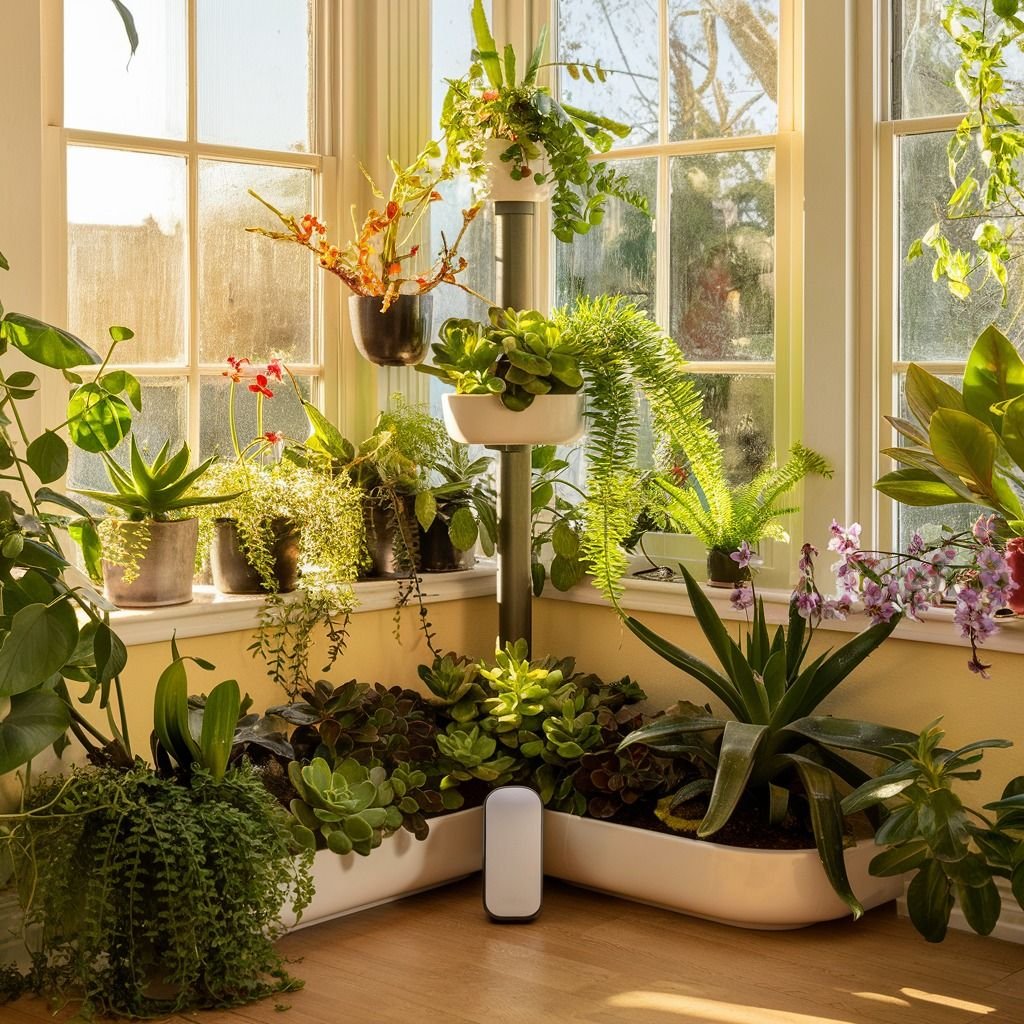
All windows are not created equal. The direction your window faces has a massive impact on how much light your plants get.
Here’s a simple breakdown:
| Window Direction | Light Level | Best Plants |
|---|---|---|
| South-facing | Brightest, longest duration | Cacti, succulents, herbs |
| East-facing | Gentle morning light | Ferns, orchids, peace lilies |
| West-facing | Strong afternoon light | Pothos, spider plants, aloe |
| North-facing | Low, consistent light | Snake plants, ZZ plants, cast iron plants |
South-facing windows receive the greatest number of hours of sunlight all year round. If you have one, it is prime real estate for your light-hungry plants.
East-facing windows are excellent for plants that prefer bright but not harsh light. The morning sun is less harsh and is less likely to burn leaves.
North-facing windows are the trickiest. The light is consistent but low, so only go for plants specifically labeled as low-light tolerant.
Rule 3: Distance From the Window Is Everything
Here’s something most people don’t realize: moving a plant a few feet from a window can cut the light it receives by more than half.
Light intensity decreases drastically the further you are from a window. This is called the inverse square law — and while this sounds technical, the takeaway is simple. The farther away the plant is from the source of light, the less light it actually receives.
How This Looks in Practice
- 0–2 feet from a sunny window = Bright direct or bright indirect light
- 2–5 feet from a sunny window = Medium light
- 5–10 feet from a sunny window = Low light
- Beyond 10 feet = Very low light (most plants will not survive long-term)
Always put your most light-hungry plants as close to the window as possible. Even a few inches closer can make a real difference over weeks and months.
Rule 4: Seasons Change the Light — So Should Your Plant Placement
Your home doesn’t receive the same amount of light in January as it does in July. The sun is positioned at a different angle in the sky depending on the season, which changes how light enters your windows.
During summer, the sun is higher in the sky. Light enters at a steeper angle, which means less direct sunlight comes through south-facing windows but more hits east and west-facing ones.
In winter, the sun sits lower. This actually means south-facing windows can get more direct sun on clear days — but the days are shorter, so total light hours drop drastically.
Seasonal Light Adjustments to Make
- Spring/Summer: Move sensitive plants slightly back from south windows to prevent leaf burn
- Fall/Winter: Move plants closer to any window to take advantage of available light
- Year-round: Rotate plants a quarter turn every 1–2 weeks so all sides receive even exposure
Seasonal awareness is one of the most overlooked tips in indoor plants care guides — but it makes a huge difference in keeping your plants healthy year-round.
Rule 5: Read Your Plant’s Leaves Like a Light Report Card
Your plant is always sending you messages. The leaves, in particular, are one of the best indicators of whether your plant is receiving the right amount of light.
Once you know what to look for, diagnosing light problems becomes much easier.
Signs Your Plant Is Lacking Light
- Leaves turning pale green or yellow
- New leaves growing smaller than older ones
- Stems growing long and leggy, reaching toward windows
- Soil staying wet too long (low light slows down water uptake)
- Slow or no growth even during the growing season
Signs Your Plant Is Getting Too Much Light
- Brown, crispy tips or edges on leaves
- Bleached or washed-out leaf color
- Leaves curling inward or drooping during the day
- Dry soil that requires watering very often
- Leaves that feel warm or hot to the touch
If you notice any of these symptoms, change the location of the plant before doing anything else. Many plant problems attributed to watering are in fact light problems in disguise.
Rule 6: Not All “Low Light” Plants Are the Same
Walk into any garden center and you will see plants labeled “low light tolerant.” But there’s a big difference between a plant that thrives in low light and one that merely survives it.
Very few plants really like low light. What most actually prefer is medium indirect light — they just tolerate lower conditions better than others.
Genuinely Tough Low-Light Plants
| Plant Name | Why It Works in Low Light |
|---|---|
| ZZ Plant (Zamioculcas) | Stores water and energy in thick roots |
| Cast Iron Plant | Extremely slow-growing, very resilient |
| Snake Plant | Efficient at using small amounts of light |
| Pothos | Adapts well, though grows faster in more light |
| Chinese Evergreen | Handles shade but prefers medium light |
Even these plants will grow more slowly, produce fewer leaves, and appear less vibrant in truly dark spots. If you want a low-light area to actually look lush, consider rotating plants between brighter and darker spots every few weeks to let them “recharge.”
Rule 7: Artificial Grow Lights Are a Legitimate Tool
Many indoor plants care guides gloss over grow lights, but they’re really one of the most useful tools for indoor gardening — especially in dark apartments or during winter months.
Grow lights work by providing the specific wavelengths of light that plants use for photosynthesis. The two most important ones are:
- Blue light (400–500nm): Promotes leafy, compact growth
- Red light (600–700nm): Promotes flowering and fruiting
Most modern grow lights (especially full-spectrum LED ones) offer a good balance of both. According to the University of Minnesota Extension, the quality, duration, and intensity of light all play a role in how well plants grow indoors — making grow lights a smart supplement in low-light environments.
How to Use Grow Lights Effectively
- Place the light 6–12 inches above most leafy plants
- Run it for 12–16 hours per day using a timer
- Don’t leave it on 24/7 — plants need a dark period to rest
- Choose full-spectrum LEDs for energy efficiency and versatility
Grow lights are particularly useful for herbs, seedlings, and tropical plants that naturally come from high-light environments. They’re no substitute for natural sunlight, but they’re a solid backup — and sometimes the only option in windowless rooms.
Rule 8: Dirty Windows and Sheer Curtains Block More Light Than You Think
This one surprises people. A dirty window can block up to 40% of incoming light. A sheer curtain can reduce light by 50% or more.
If your plants are near a window but still not thriving, look for these common light blockers:
- Dusty or grimy windows — Clean them at least twice a year, more if you live in a dusty area
- Sheer curtains or blinds — These filter light significantly, often too much for sun-loving plants
- Overhanging eaves or awnings — These can cast shade for hours depending on the season
- Nearby trees or buildings — Outdoor shade changes with the seasons as trees leaf out or lose leaves
The fix is usually simple. Clean the windows, open the blinds, or relocate the plant to a position where nothing is between it and the light source.
Rule 9: Matching Light to Plant Origin Gets Better Results
Every plant evolved in a specific environment. Matching your care to a plant’s natural habitat is one of the smartest strategies in any indoor plants care guide.
Think about where the plant originally grew:
- Tropical rainforest floor plants (like peace lilies, calatheas) — Evolved under a thick forest canopy. They want bright indirect light, not direct sun.
- Desert plants (like cacti, aloe, agave) — Evolved in full, intense sun. They want the brightest spot in your home.
- Jungle canopy plants (like monsteras, pothos) — Grew in dappled light among tree branches. Bright indirect light is their sweet spot.
- Mediterranean herbs (like basil, rosemary, thyme) — Love long hours of direct sun on a south-facing windowsill.
When you are shopping for a plant, research where it is native to. That one piece of information will tell you almost everything you need to know about its light, water, and humidity requirements.
Rule 10: Consistency Beats Perfection Every Time
Here’s the last rule — and it’s probably the most important one. Plants don’t need perfect light. They need consistent light.
Moving a plant every week, shifting it from bright to dark rooms, or constantly changing its position causes stress. Plants adapt to their environment slowly. When conditions keep changing, they can’t settle into a stable growth pattern.
Build a Consistent Light Routine
- Choose a permanent or semi-permanent spot based on your light assessment
- Only move a plant if it shows clear signs of light stress (as described in Rule 5)
- When you do move a plant to more light, do it gradually — increase exposure over 1–2 weeks
- Keep a simple log of where plants are and how they respond over time
Consistency also means keeping your windows clean, maintaining grow lights on a timer, and doing your seasonal adjustments on a predictable schedule. Small, steady habits always beat dramatic rescues.
A Quick-Reference Light Guide for Popular Houseplants
| Plant | Ideal Light | Avoid |
|---|---|---|
| Fiddle Leaf Fig | Bright indirect | Direct harsh sun, dark corners |
| Monstera | Bright indirect | Low light (causes small leaves) |
| Pothos | Medium to bright indirect | Direct sun (burns leaves) |
| Snake Plant | Low to medium | Direct intense sun |
| ZZ Plant | Low to medium | Direct sun |
| Peace Lily | Medium indirect | Direct sun |
| Succulents | Bright direct | Low light |
| Cacti | Bright direct | Dark rooms |
| Spider Plant | Medium to bright indirect | Direct harsh sun |
| Aloe Vera | Bright direct to bright indirect | Low light |
FAQs About Indoor Plant Light Care
Q: Can I use a regular LED bulb to grow plants indoors? Regular LED bulbs don’t emit the correct spectrum of light for photosynthesis. They work a little, but not nearly as well as proper full-spectrum grow lights. If you’re serious about growing plants in low-light spaces, invest in a real grow light.
Q: How many hours of light do indoor plants need per day? Most houseplants do best with 8–16 hours of light per day. Low-light plants can manage on 8–10 hours. Tropical and high-light plants prefer 12–16 hours. Using a timer for grow lights makes this easy to manage.
Q: My plant is near a window but still looks unhealthy. What’s wrong? Check a few things: Is the window dirty? Are there curtains blocking light? Does the window face north? Is it wintertime? Any of these can reduce light dramatically. Also check the plant for other issues such as overwatering or pests, which can cause symptoms similar to light stress.
Q: Can too much indirect light hurt a plant? In most cases, no. Bright indirect light is the safest zone for the majority of houseplants. It’s direct harsh light — especially intense afternoon sun through south or west windows — that causes burning and leaf damage.
Q: Do plants need light in winter? Yes. Plants still need light in winter, though many slow down their growth naturally. Days are shorter and light is weaker, so move plants closer to windows or supplement with grow lights during the darker months.
Q: What’s the easiest way to test my home’s light level without a meter? Hold your hand about a foot above a white piece of paper near your plant. If you see a sharp, clear shadow — that’s bright light. A soft, blurry shadow means medium light. No shadow at all means low light.
The Bottom Line: Light Is a Skill Worth Learning
Most plant problems trace back to light. Too little, too much, the wrong direction, or just inconsistent placement — these are the hidden reasons so many houseplants struggle.
The 10 rules covered in this guide aren’t complicated. They’re practical, actionable, and based on how plants actually work. Once you start seeing your home through the lens of light zones, window directions, and seasonal changes, you’ll make better decisions every single time you bring a new plant home.
Indoor plants care guides say it again and again: get the light right, and everything else becomes easier. Your plants will be healthier, more vibrant, and far more forgiving when you understand the one thing they need most.
Start with one rule. Apply it this week. Then build from there.
Your plants will thank you.