9 Easy Indoor Plants: Light & Placement Fixes That Changed Everything
There was a time when my home was a graveyard of good intentions. I bought plants with optimism, watered them faithfully for two weeks, and then slowly watched them yellow, droop, and give up. I blamed myself. I blamed the pots. I blamed the weather.
What I didn’t understand—what many beginner plant owners don’t understand—is that most indoor plant struggles are not about watering schedules or fertilizer brands. They’re about light and placement.
Once I began adjusting where my plants lived instead of how often I fussed over them, everything changed. Leaves thickened. New growth appeared. Stems straightened. The house felt alive in a way it hadn’t before.
This article walks through nine easy indoor plants and the simple light and placement fixes that made the biggest difference. You’ll find practical tables, placement charts, and room-by-room guidance to help you avoid the mistakes that cost me years.
Why Light & Placement Matter More Than You Think
Plants don’t fail randomly. They respond precisely to their environment. Indoors, that environment is often wildly different from their natural habitat.
Outdoors, light moves, humidity shifts, air circulates, and soil drains freely. Indoors, we create static conditions: fixed windows, artificial lighting, dry air, and decorative pots without drainage.
Before diving into specific plants, here’s a simple breakdown of indoor light categories.
Indoor Light Levels Explained
| Light Level | What It Actually Means | Ideal Distance from Window | Typical Room Example |
|---|---|---|---|
| Low Light | No direct sun; can read without turning lights on | 6–12 ft from window | Hallway, interior bedroom |
| Medium Light | Bright room, no harsh direct sun | 3–6 ft from window | Living room with sheer curtains |
| Bright Indirect | Near window, filtered sunlight | 1–3 ft from window | East or north-facing window |
| Direct Sun | Unfiltered sun rays hitting plant | Right in window | South or west-facing window |
Many plant labels say “low light tolerant.” Tolerant does not mean thriving. Most plants survive low light but grow beautifully in bright indirect light.
The 9 Easy Indoor Plants (and the Fixes That Changed Everything)
1. Snake Plant (Sansevieria)
The Common Mistake
Placing it in a dark corner because it’s “low light tolerant.”
The Fix
Move it closer to a bright window—without direct scorching sun.
Snake plants are famously resilient. They can handle neglect. But when placed in medium to bright indirect light, they transform. Leaves grow taller and thicker. Variegation becomes more vivid. Growth speeds up noticeably.
Ideal Placement Chart
| Condition | Result |
|---|---|
| Dark hallway | Survives, slow growth |
| 6 ft from bright window | Steady, moderate growth |
| 2–3 ft from bright window | Fast growth, strong upright leaves |
Bonus Placement Tip
Rotate the pot every month. Snake plants lean toward light, and rotating keeps them upright.
2. Pothos (Devil’s Ivy)
The Common Mistake
Letting it trail in dim light and wondering why the leaves shrink.
The Fix
Give it brighter indirect light to maintain large, vibrant leaves.
Pothos will live almost anywhere, but light determines leaf size and color intensity. In low light, variegation fades. In bright indirect light, leaves grow larger and more dramatic.
Leaf Size Comparison by Light
| Light Condition | Average Leaf Size | Variegation Intensity |
|---|---|---|
| Low light | Small | Faded |
| Medium light | Moderate | Visible |
| Bright indirect | Large | Bold & high contrast |
Placement Strategy
- Hang near east-facing window.
- Avoid harsh afternoon sun from west windows.
- Let vines cascade where they receive consistent light.
3. ZZ Plant (Zamioculcas zamiifolia)
The Common Mistake
Keeping it in a low-light office corner and overwatering.
The Fix
Place it in moderate indirect light and reduce watering.
ZZ plants store water in their rhizomes. When placed in better light, they produce glossy, thick stems faster.
Growth Response Table
| Light Level | New Shoot Frequency |
|---|---|
| Low | 1–2 per year |
| Medium | 3–5 per year |
| Bright indirect | 6+ per year |
Key Placement Rule
Keep it away from cold drafts near doors. Temperature stability boosts growth significantly.
4. Peace Lily
The Common Mistake
Treating drooping as a sign of death instead of thirst—or light deficiency.
The Fix
Bright, indirect light improves flowering dramatically.
Peace lilies bloom far more frequently when placed near bright filtered light.
Flower Production vs Light
| Light Exposure | Bloom Frequency |
|---|---|
| Low | Rare |
| Medium | Occasional |
| Bright indirect | Regular blooms |
Placement Reminder
Avoid direct midday sun. It burns leaves quickly.
5. Spider Plant
The Common Mistake
Putting it in full sun, causing crispy tips.
The Fix
Bright but indirect light produces fuller growth and baby offshoots.
Spider plants love light—but not harsh rays.
Growth Characteristics
| Placement | Baby Plant Production |
|---|---|
| Low light | Few |
| Bright indirect | Abundant |
| Direct sun | Stressed |
6. Rubber Plant
The Common Mistake
Placing it too far from windows and expecting tall growth.
The Fix
Bright indirect light encourages vertical growth and deep leaf color.
Rubber plants are dramatic when properly lit. Without enough light, they stall.
Height Growth Rate
| Light Level | Annual Growth |
|---|---|
| Low | Minimal |
| Medium | 6–12 inches |
| Bright indirect | 12–24 inches |
Placement Strategy
Near south window with sheer curtain works beautifully.
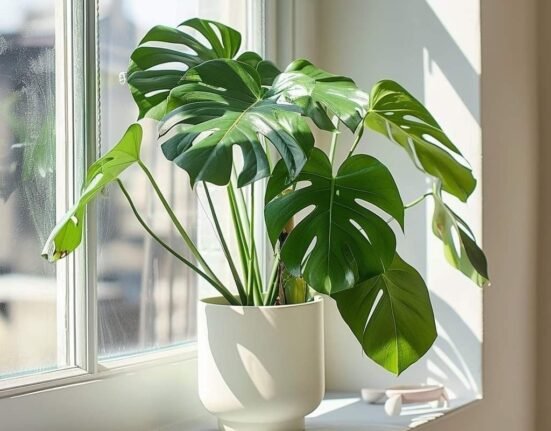
7. Monstera Deliciosa
The Common Mistake
Assuming any bright room works.
The Fix
Position where it receives strong filtered light to encourage leaf splits.
Fenestrations (those iconic splits) develop with sufficient light.
Fenestration Development Chart
| Light Exposure | Split Development |
|---|---|
| Low | No splits |
| Medium | Few splits |
| Bright indirect | Large, dramatic splits |
Bonus Tip
Use a moss pole near a well-lit wall to mimic natural climbing behavior.
8. Parlor Palm
The Common Mistake
Placing in direct sun, causing frond bleaching.
The Fix
Medium light away from direct beams.
This plant tolerates lower light but thrives in consistent moderate brightness.
Frond Health Indicators
| Condition | Leaf Appearance |
|---|---|
| Too dark | Thin, pale |
| Too bright | Yellowed tips |
| Medium light | Full, rich green |
9. Aloe Vera
The Common Mistake
Treating it like a shade plant.
The Fix
Direct sunlight for several hours daily.
Aloe is a succulent and needs strong light.
Ideal Sun Exposure
| Window Direction | Suitability |
|---|---|
| North | Poor |
| East | Good |
| South | Excellent |
| West | Good (monitor heat) |
Room-by-Room Placement Guide
Different rooms present unique light challenges. Here’s how to optimize them.
Living Room
| Feature | Recommendation |
|---|---|
| Large south window | Rubber plant, Monstera |
| East window | Pothos, Spider plant |
| Low-light corner | Snake plant, ZZ plant |
Bedroom
| Feature | Recommendation |
|---|---|
| Sheer curtain window | Peace lily |
| Dresser near window | Pothos |
| Interior wall | Snake plant (rotate monthly) |
Kitchen
| Feature | Recommendation |
|---|---|
| Sunny sill | Aloe |
| Fridge top near light | Spider plant |
| Bright shelf | ZZ plant |
Bathroom
If there’s a window:
- Parlor palm thrives.
- Pothos adapts well.
No window?
- Use grow lights.
Understanding Window Direction
Light direction affects intensity.
| Window Direction | Light Type | Best For |
|---|---|---|
| North | Soft, low | Snake plant, ZZ |
| East | Gentle morning sun | Pothos, Peace lily |
| South | Bright, strong | Rubber plant, Aloe |
| West | Hot afternoon sun | Spider plant (filtered) |
Signs Your Plant Needs a Placement Change
| Symptom | Likely Cause | Fix |
|---|---|---|
| Leggy stems | Too little light | Move closer to window |
| Yellowing leaves | Overwatering + low light | Increase light |
| No growth | Insufficient brightness | Adjust placement |
| Leaf burn | Direct harsh sun | Add sheer curtain |
| Leaning | Uneven light | Rotate weekly |
The 30-Day Light Adjustment Plan
If your plants are struggling, follow this gradual approach:
Week 1
Observe leaf direction and color.
Week 2
Move plant 1–2 feet closer to window.
Week 3
Rotate weekly.
Week 4
Assess new growth.
Consistency is key. Plants take time to respond.
The Hidden Factor: Distance Matters
Even two feet can dramatically change growth.
Light Intensity Drop Chart
| Distance from Window | Light Intensity (Approx %) |
|---|---|
| 1 ft | 100% |
| 3 ft | 60% |
| 6 ft | 25% |
| 10 ft | 10% |
This is why “bright room” doesn’t always equal bright light for plants.
Final Thoughts
Most indoor plant problems aren’t about complicated care routines. They’re about understanding how light behaves inside a home and positioning plants accordingly.
Once you stop asking, “How often should I water this?” and start asking, “Is this getting enough light?” your success rate changes dramatically.
These nine plants are forgiving. They adapt. But when you give them better placement, they don’t just survive—they flourish.
A slight shift in location can mean the difference between stagnation and steady, vibrant growth.
Frequently Asked Questions (FAQs)
1. How do I know if my room has bright indirect light?
Stand in the spot during midday. If the room feels bright but no direct sunbeam hits that exact location, it’s likely bright indirect light. You should be able to read comfortably without artificial lights.
2. Can I use grow lights instead of moving plants?
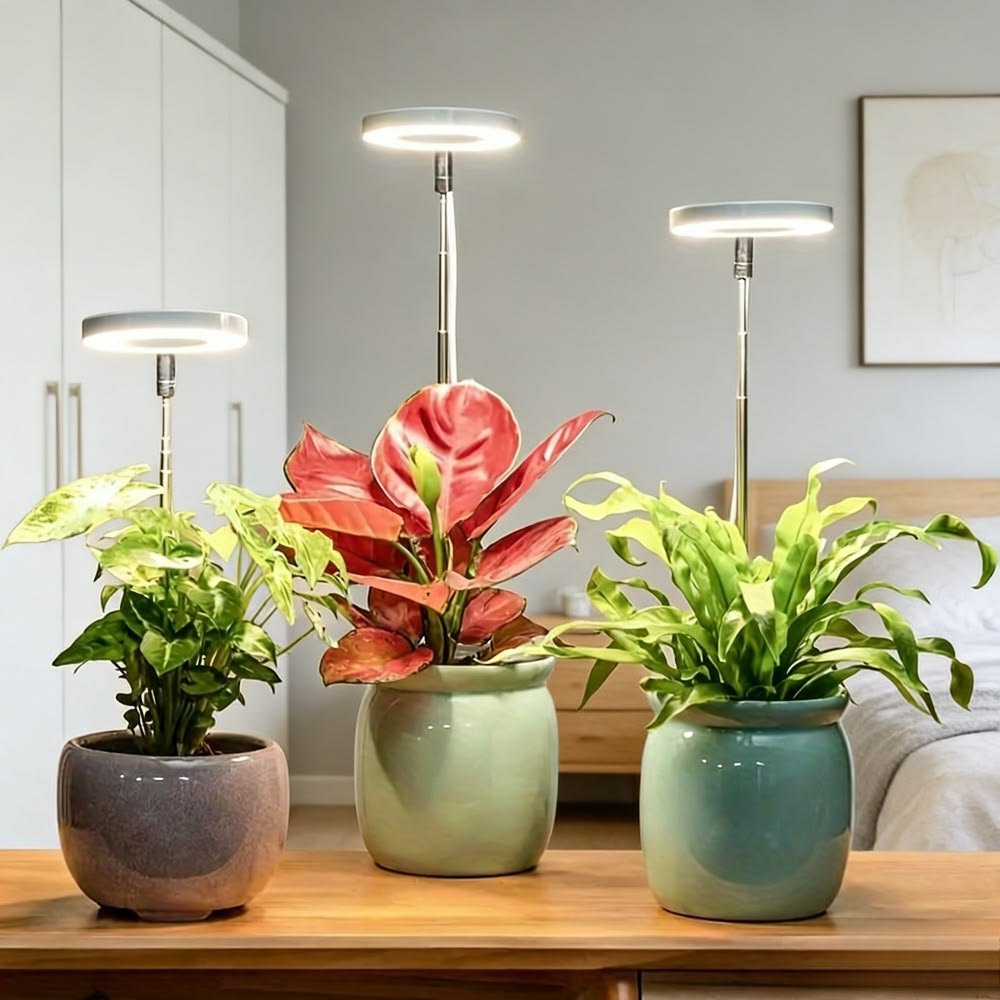
Yes. Grow lights are excellent for rooms without natural light. Position them 6–12 inches above foliage and run them 10–12 hours daily for best results.
3. Why does my plant survive in low light but not grow?
Survival and growth are different. In low light, plants conserve energy. They may remain alive but won’t produce new leaves or stems.
4. How often should I rotate my plants?
Every 2–4 weeks is ideal. Rotating prevents leaning and ensures even growth.
5. What’s the biggest placement mistake beginners make?
Putting plants too far from windows. Light intensity drops quickly with distance, even in bright rooms.
6. Should I change placement seasonally?
Yes. In winter, move plants slightly closer to windows. In summer, protect them from harsh afternoon sun if necessary.
Indoor gardening isn’t about perfection. It’s about observation and small adjustments. Once you learn how light shapes plant health, you stop guessing and start growing with confidence.