8 Proven Pest & Problem Control Tips That Saved My Indoor Plants
Indoor plants transformed my home. They softened sharp corners, cleaned the air, and made every room feel alive. But along with the lush foliage came a reality I wasn’t prepared for: pests, yellowing leaves, moldy soil, fungus gnats hovering like tiny helicopters, and mysterious brown spots that appeared overnight.
I nearly gave up more than once.
Instead, I started observing. I tracked watering habits, sunlight patterns, humidity levels, and even seasonal pest outbreaks. Over time, I developed a system—eight practical, proven pest and problem control tips that completely changed the health of my indoor jungle.
This article isn’t just a list of advice. It includes practical charts, tracking tables, and decision guides you can use immediately. These are the strategies that saved my plants—and they can save yours too.
Why Indoor Plants Struggle (Even in Loving Homes)
Before diving into solutions, it helps to understand why indoor plants are vulnerable:
- Indoor environments lack natural predators for pests.
- Overwatering is extremely common.
- Air circulation is often poor.
- Soil in pots behaves very differently than garden soil.
- Stress from improper light weakens plant defenses.
Healthy plants resist pests naturally. Stressed plants become easy targets.
Tip 1: Master the Art of Proper Watering
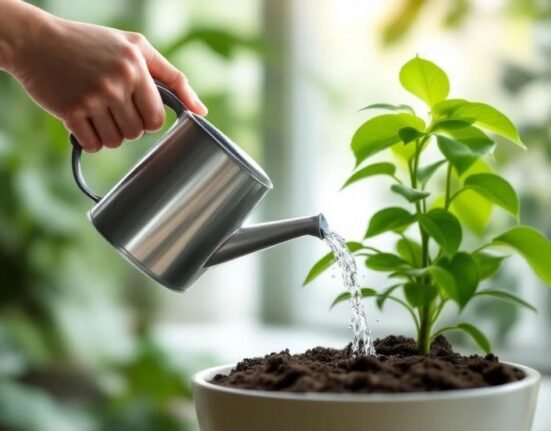
If there’s one silent killer of indoor plants, it’s improper watering.
Too much water leads to:
- Root rot
- Fungus gnats
- Mold growth
- Yellowing leaves
Too little water leads to:
- Crispy edges
- Wilting
- Stunted growth
The Finger Test Saved Me
Instead of watering on a schedule, I started checking the soil 1–2 inches deep with my finger.
- Dry at that depth → Water
- Still moist → Wait
Watering Frequency Guide
| Plant Type | Typical Watering Frequency | Soil Preference | Warning Signs of Overwatering |
|---|---|---|---|
| Succulents | Every 2–3 weeks | Very dry | Mushy stems, black spots |
| Snake Plants | Every 2–4 weeks | Dry between | Yellowing lower leaves |
| Pothos | Every 7–10 days | Slightly moist | Soft, drooping leaves |
| Peace Lily | Weekly | Moist | Brown leaf tips, mold smell |
| Ferns | 5–7 days | Consistently moist | Leaf drop, fungus gnats |
Soil Moisture vs Root Health Chart
Too Dry        Optimal Zone           Too Wet
|----|-----------|----------------|-----------|
  Stress        Strong Roots      Root Rot Risk
When I adjusted watering habits alone, pest outbreaks reduced dramatically. Moist soil attracts fungus gnats like a magnet.
Tip 2: Quarantine Every New Plant
This was a painful lesson.
I once brought home a beautiful new plant and placed it right next to my collection. Within two weeks, spider mites spread to six plants.
Now, I quarantine every new plant for 14 days.
Quarantine Checklist
| Step | Action |
|---|---|
| 1 | Inspect leaves (top & underside) |
| 2 | Check stems and soil surface |
| 3 | Wipe leaves with damp cloth |
| 4 | Keep isolated from other plants |
| 5 | Monitor daily for pests |
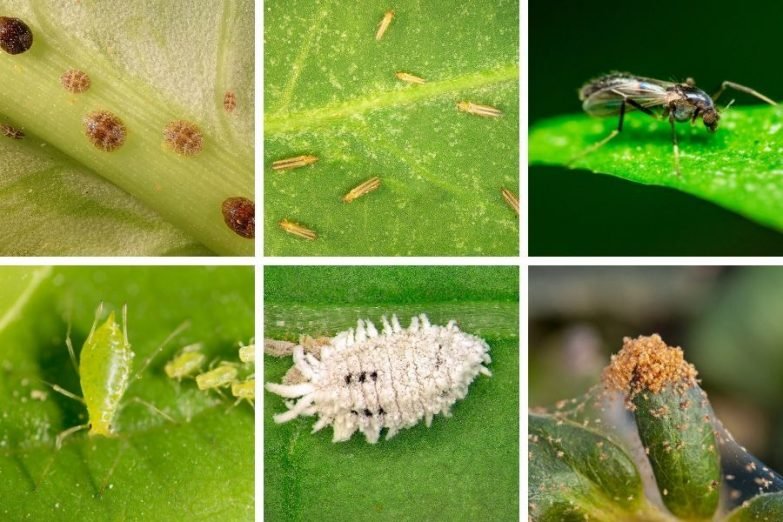
Common Hitchhiker Pests
| Pest Type | Where They Hide | First Signs |
|---|---|---|
| Spider mites | Underside of leaves | Fine webbing |
| Mealybugs | Leaf joints | White cottony clusters |
| Aphids | New growth tips | Sticky residue |
| Fungus gnats | Soil | Tiny flying insects |
Quarantine is boring—but it prevents infestations from becoming disasters.
Tip 3: Improve Air Circulation
Still air is paradise for pests.
Poor airflow:
- Encourages fungal diseases
- Increases humidity pockets
- Helps spider mites multiply
Once I added a small fan near my plant shelf, mold and mildew problems dropped significantly.
Airflow Effect on Pest Growth
| Air Movement Level | Pest Activity |
|---|---|
| None | High |
| Low | Moderate |
| Moderate | Low |
| Strong (indirect) | Minimal |
Ideal Setup
- Use a small oscillating fan.
- Avoid direct wind on delicate plants.
- Open windows when weather allows.
Air circulation strengthens stems and reduces stagnant moisture.
Tip 4: Use Preventative Leaf Cleaning
Dusty leaves weaken plants.
Dust blocks:
- Photosynthesis
- Gas exchange
- Natural defense
I now wipe leaves every 2–4 weeks.
Cleaning Solutions I Use
| Solution Type | Best For | Frequency |
|---|---|---|
| Plain water | Regular maintenance | Monthly |
| Mild soapy water | Active pests | Weekly until clear |
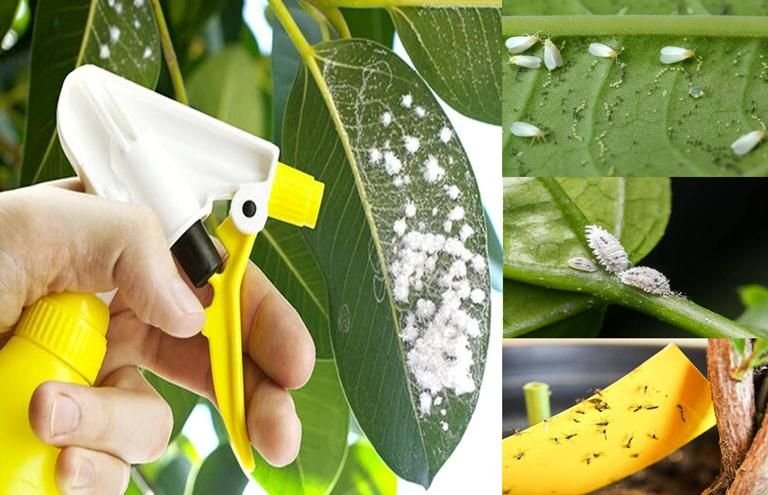
| Neem oil mix | Prevention | Every 2–3 weeks |
| Alcohol swab | Mealybugs | As needed |
Pest Prevention Impact
Before Cleaning:  High Pest Attraction
After Cleaning:   Reduced Egg Laying & Spread
Clean leaves = stronger plant immunity.
Tip 5: Switch to Well-Draining Soil Mix
Standard potting soil can retain too much moisture.
I started mixing:
- 60% potting soil
- 20% perlite
- 20% orchid bark
The improvement was dramatic.
Soil Drainage Comparison
| Soil Type | Drainage Speed | Root Health | Gnat Attraction |
|---|---|---|---|
| Standard potting soil | Slow | Moderate | High |
| Soil + Perlite | Moderate | Good | Medium |
| Soil + Perlite + Bark | Fast | Excellent | Low |
Root Rot Risk Chart
Compacted Soil        Mixed Soil         Chunky Blend
|----------|-----------|-----------|
High Risk       Medium Risk       Low Risk
Well-draining soil alone eliminated recurring fungus gnat infestations in my home.
Tip 6: Introduce Natural Pest Controls
Chemical pesticides indoors can be harsh. I switched to safer methods.
My Natural Control Toolkit
| Method | Targets | How Often |
|---|---|---|
| Neem oil spray | Spider mites, aphids | Weekly |
| Sticky traps | Fungus gnats | Continuous |
| Hydrogen peroxide soil flush | Gnat larvae | Once per outbreak |
| Predatory mites | Spider mites | Severe infestations |
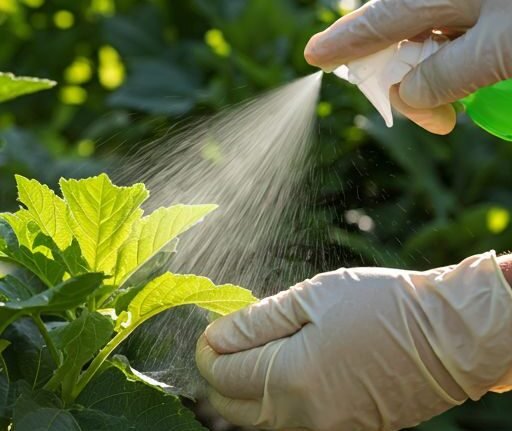
Neem oil became my go-to.
Basic Neem Spray Recipe
- 1 liter warm water
- 1 teaspoon neem oil
- A few drops of dish soap
Shake before use and spray undersides thoroughly.
Consistency matters more than strength.
Tip 7: Adjust Light Before Blaming Pests
Weak plants invite pests.
When I increased light exposure for certain plants, pest issues reduced without any spraying.
Light Requirement Table
| Light Level | Suitable Plants | Pest Resistance |
|---|---|---|
| Low light | Snake plant | Moderate |
| Medium light | Pothos | High |
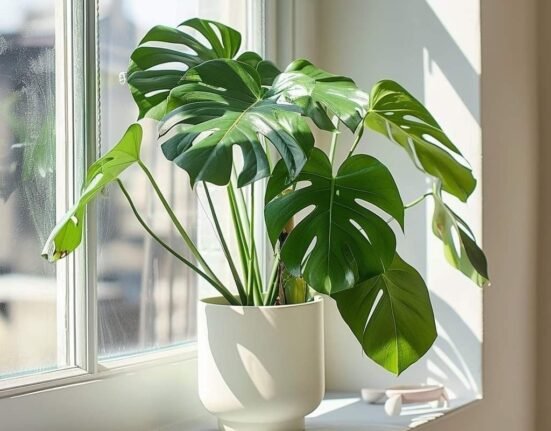
| Bright indirect | Monstera | Very high |
| Direct sun | Succulents | Very high |
Plants grown in proper light:
- Develop thicker leaves
- Produce stronger stems
- Recover faster from attacks
Light = immunity.
Tip 8: Monitor and Track Patterns
This was the real game changer.
I began logging:
- Watering dates
- Fertilizing
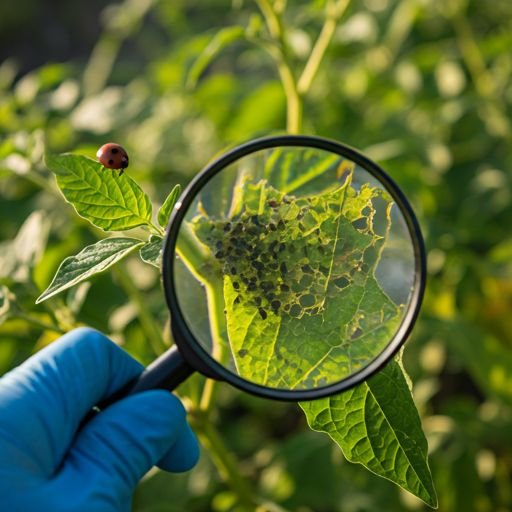
- Pest sightings
- Leaf changes
Patterns emerged.
Example Plant Health Tracker
| Date | Watered | Fertilized | Pest Sightings | Notes |
|---|---|---|---|---|
| Jan 2 | Yes | No | None | Soil dry |
| Jan 9 | Yes | Yes | 2 gnats | Slight overwatering |
| Jan 16 | No | No | None | Soil still moist |
| Jan 22 | Yes | No | None | Healthy growth |
Within months, pest problems became predictable and preventable.
Seasonal Pest Activity Chart
Winter     Low
Spring     Moderate
Summer     High
Fall       Moderate
Most outbreaks happened in late spring and early summer when humidity rose.
Quick Pest Diagnosis Chart
| Symptom | Likely Cause | Solution |
|---|---|---|
| Sticky leaves | Aphids | Neem spray |
| White cotton clusters | Mealybugs | Alcohol swab |
| Fine webbing | Spider mites | Increase humidity + neem |
| Tiny black flies | Fungus gnats | Dry soil + sticky traps |
| Yellowing leaves | Overwatering | Improve drainage |
The Hidden Truth: Stress Invites Pests
After years of experimentation, I realized pests are usually a symptom—not the core problem.
Healthy plant checklist:
- Correct light
- Balanced watering
- Good drainage
- Air circulation
- Clean leaves
- Consistent monitoring
When these are in place, pests struggle to gain a foothold.
Indoor Plant Rescue Flowchart
Notice Problem
      ↓
Check Soil Moisture
      ↓
Inspect Leaves (Top & Bottom)
      ↓
Identify Pest or Stress
      ↓
Adjust Environment First
      ↓
Apply Targeted Treatment
      ↓
Monitor for 2 Weeks
This simple system prevented panic-based over-treatment.
Long-Term Prevention Strategy
| Prevention Habit | Frequency | Impact Level |
|---|---|---|
| Soil check | Weekly | High |
| Leaf cleaning | Monthly | High |
| Pest inspection | Weekly | Very High |
| Repotting | Yearly | Moderate |
| Fertilizing | Growing season | High |
Prevention always costs less than recovery.
Final Thoughts
Indoor plants don’t fail randomly. They communicate constantly through leaves, soil, and growth patterns.
When I stopped reacting emotionally and started observing scientifically, everything changed.
These eight pest and problem control tips didn’t just save my plants—they made plant care predictable, calm, and rewarding.
You don’t need expensive sprays or complex systems. You need awareness, consistency, and small adjustments.
And once you understand that pests target weak plants, your goal shifts from killing insects to building resilience.
That mindset makes all the difference.
Frequently Asked Questions (FAQs)
1. How often should I inspect my indoor plants for pests?
Ideally once a week. Early detection prevents infestations from spreading and makes treatment much easier.
2. Is neem oil safe for all indoor plants?
Most plants tolerate diluted neem oil well, but always test on one leaf first. Avoid spraying in direct sunlight to prevent leaf burn.
3. Why do fungus gnats keep coming back?
They thrive in consistently moist soil. Let the top 1–2 inches dry out completely and use sticky traps to break their breeding cycle.
4. Can over-fertilizing cause pest problems?
Yes. Excess fertilizer creates weak, overly soft growth that attracts aphids and mites. Fertilize moderately during active growth only.
5. Should I throw away a heavily infested plant?
Not necessarily. If roots are healthy and stems are firm, aggressive treatment and isolation can save it. However, severely rotted plants are often not recoverable.
6. What is the biggest mistake new indoor plant owners make?
Overwatering. It causes more plant deaths and pest outbreaks than any other issue.
If you apply even half of these strategies consistently, your indoor plants will reward you with stronger growth, fewer pest invasions, and long-term health.