If you’ve ever brought home a lush, vibrant houseplant only to watch it stall, stretch, or slowly decline, you’re not alone. Most indoor plant struggles don’t come from bad luck—they come from light and placement mistakes.
The truth is simple: light is food. Placement is strategy. When you master both, growth doesn’t just improve—it accelerates.
In this in-depth guide, you’ll discover 5 powerful indoor plants and the specific light and placement tricks that unlock explosive growth. You’ll also find practical tables, light charts, placement maps, and actionable adjustments you can apply immediately.
Let’s turn your home into a thriving indoor jungle.
Why Light & Placement Matter More Than Water
Watering mistakes are common, but most long-term plant issues begin with incorrect light exposure. Indoors, light is:
- Filtered through windows
- Reflected off walls
- Blocked by furniture
- Altered by season
Placement determines:
- Growth speed
- Leaf size
- Color vibrancy
- Root development
- Overall plant health
Before we explore specific plants, let’s quickly understand indoor light intensity.
Understanding Indoor Light (Without Complicated Science)
Light intensity indoors is usually described as:
- Low Light – 50–250 foot-candles (fc)
- Medium Light – 250–1,000 fc
- Bright Indirect Light – 1,000–2,000 fc
- Direct Sunlight – 2,000+ fc
Indoor Light Zone Chart
| Window Direction | Light Intensity | Best For | Risk Level |
|---|---|---|---|
| North-facing | Low to medium | Shade-tolerant plants | Slow growth |
| East-facing | Gentle morning sun | Most tropical plants | Very low |
| West-facing | Harsh afternoon sun | Sun-loving plants | Leaf scorch |
| South-facing | Bright all day | Fast growers | Burn risk without filtering |
Now, let’s explore the 5 powerful plants and how to position them for explosive growth.
1. Snake Plant – The Indestructible Growth Machine
Botanical Name: Sansevieria (Dracaena trifasciata)
The snake plant is famous for surviving neglect—but survival isn’t growth. When placed strategically, it grows dramatically faster and produces thicker leaves.
Light Trick for Explosive Growth
Most people place snake plants in dark corners. That keeps them alive—but limits growth.
Explosive Growth Strategy:
- Place 3–6 feet from a bright south or west window.
- Allow 1–2 hours of gentle direct morning sun.
- Rotate every 2 weeks.
Placement Strategy
| Placement | Growth Outcome |
|---|---|
| Dark corner | Minimal growth |
| 6 ft from south window | Strong vertical growth |
| Near east window | Thick, compact leaves |
| Under grow light (12 hrs/day) | Fastest growth |
Pro Placement Tip
Place the snake plant near a bright hallway intersection where reflected light hits from multiple angles. This stimulates symmetrical growth.
2. Pothos – The Trailing Powerhouse
Botanical Name: Epipremnum aureum
Pothos adapts easily—but its growth rate depends entirely on light exposure.
Light Trick for Explosive Growth
Variegated pothos varieties need more light than solid green ones.
Explosive Growth Strategy:
- Bright indirect light for 8–10 hours daily.
- Avoid deep shade if you want long vines.
- Hang near east-facing windows.
Placement Map
| Location | Vine Length Growth Rate |
|---|---|
| Bathroom with small window | Slow |
| 8 ft from window | Moderate |
| 3 ft from east window | Fast |
| Hanging in bright kitchen | Very Fast |
Trick: Vertical Encouragement
Pothos climbs toward light. Give it:
- A moss pole near a bright window.
- A wall with indirect sunlight.
Climbing pothos produces larger leaves than trailing ones.
3. Fiddle Leaf Fig – The Statement Grower
Botanical Name: Ficus lyrata
The fiddle leaf fig is dramatic—and demanding.
Light Trick for Explosive Growth
It requires consistent bright light, not occasional bursts.
Explosive Growth Strategy:
- Place directly in front of a south-facing window.
- Sheer curtain for light filtering.
- Do not move frequently.
Ideal Placement Table
| Distance from South Window | Result |
|---|---|
| 1–2 ft | Rapid leaf production |
| 4–6 ft | Moderate growth |
| 8+ ft | Leaf drop risk |
| Corner placement | Stagnation |
Bonus Trick: One-Direction Growth Control
Rotate 90° every two weeks to prevent leaning.
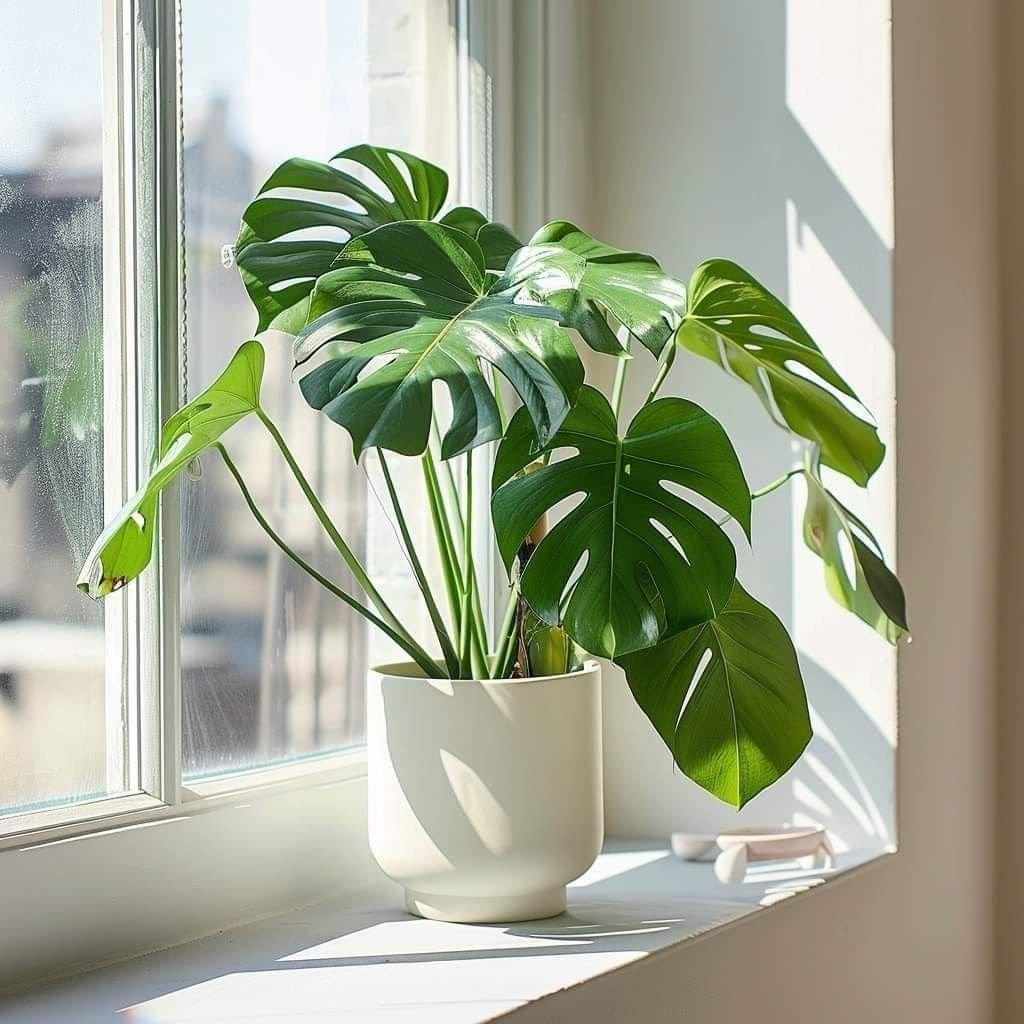
4. Monstera – The Split-Leaf Accelerator
Botanical Name: Monstera deliciosa
Monstera becomes massive indoors—if light is correct.
Light Trick for Explosive Growth
It needs bright indirect light to produce large split leaves.
Explosive Growth Strategy:
- 3–5 ft from south or west window.
- Bright room with reflective surfaces.
- Use a moss pole for vertical support.
Light vs Leaf Size Chart
| Light Level | Leaf Size | Splits |
|---|---|---|
| Low | Small | None |
| Medium | Medium | Few |
| Bright Indirect | Large | Many |
| Direct Sun | Burned edges | Damaged |
Placement Trick
Place near white walls to amplify reflected light. This increases leaf size noticeably.
5. ZZ Plant – The Silent Grower
Botanical Name: Zamioculcas zamiifolia
The ZZ plant survives in low light—but thrives in medium brightness.
Light Trick for Explosive Growth
To speed growth:
- Place in medium indirect light.
- Avoid dark corners long-term.
- Give 1 hour of gentle morning sun weekly.
Growth Response Table
| Light Level | Growth Speed |
|---|---|
| Very Low | Dormant |
| Medium | Steady |
| Bright Indirect | Fast |
| Direct Sun | Leaf scorch |
Smart Placement Hack
Place near a bright doorway where ambient light shifts throughout the day.
The “Light Bounce” Trick (Advanced Placement Strategy)
Most homes don’t have perfect windows. But you can increase light exposure by:
- Using white curtains
- Placing plants near mirrors
- Using light-colored walls
- Elevating plants on stands
Reflective Surface Impact Chart
| Surface | Light Amplification |
|---|---|
| Dark wall | -20% |
| White wall | +30% |
| Mirror | +50% |
| Glass table | +15% |
Small placement changes = dramatic growth improvements.
Seasonal Light Adjustment Guide
Light shifts throughout the year.
Seasonal Placement Chart
| Season | Window Adjustment |
|---|---|
| Winter | Move plants closer to window |
| Spring | Maintain distance |
| Summer | Filter harsh sun |
| Fall | Gradually increase exposure |
Explosive growers adjust seasonally.
Signs Your Plant Needs Repositioning
Watch for:
- Leggy growth
- Small leaves
- Leaning stems
- Yellowing lower leaves
- No new growth for months
These signal insufficient light or poor placement.
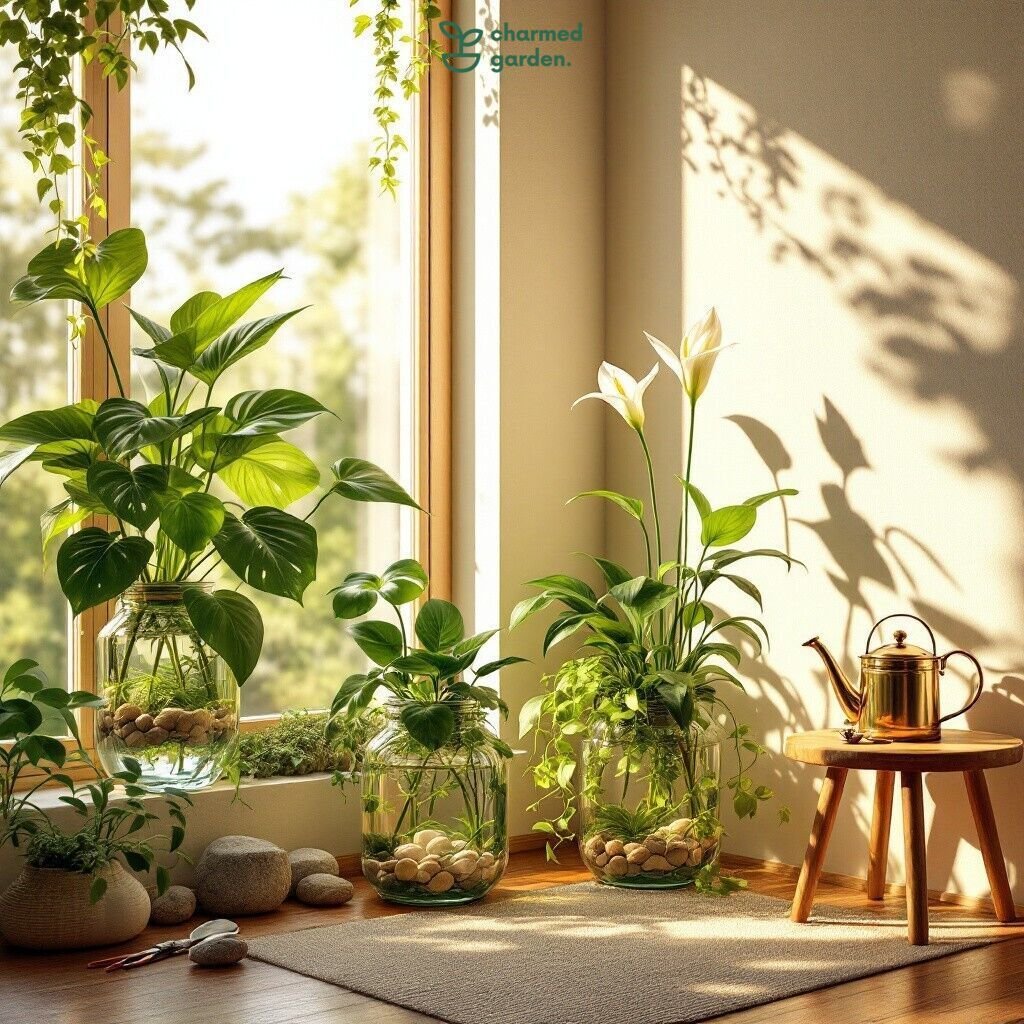
Indoor Light Measurement Tips
You can:
- Use a light meter app
- Use a dedicated lux meter
- Observe shadow sharpness
Sharp shadow = bright light
Faint shadow = medium light
No shadow = low light
Growth Acceleration Checklist
For explosive results:
- ✅ Bright indirect light
- ✅ Proper window direction
- ✅ Seasonal adjustments
- ✅ Reflective surroundings
- ✅ Occasional rotation
- ✅ Support structures (moss poles)
Master these and growth becomes predictable.
FAQ Section
1. Can indoor plants grow in rooms without windows?
Only with artificial grow lights. Most tropical plants require consistent light exposure for healthy growth.
2. How far should plants be from a south-facing window?
Typically 1–6 feet depending on plant tolerance. Sensitive leaves may require sheer curtain filtering.
3. Why is my plant growing tall but thin?
This is called “leggy growth” and indicates insufficient light.
4. Do grow lights replace natural sunlight?
Yes, if they provide adequate intensity and duration (10–14 hours daily).
5. Should I rotate all indoor plants?
Most benefit from rotation every 1–2 weeks to prevent leaning.
6. What is the fastest growing indoor plant on this list?
Pothos and Monstera typically show the fastest visible growth in bright indirect light.