11 Smart Watering & Feeding Lessons I Learned the Hard Way
I used to think watering and feeding plants was simple. Water when dry. Fertilize occasionally. Keep them in sunlight. Done.
That assumption cost me dozens of plants, hundreds of dollars, and more than a few bruised gardening egos.
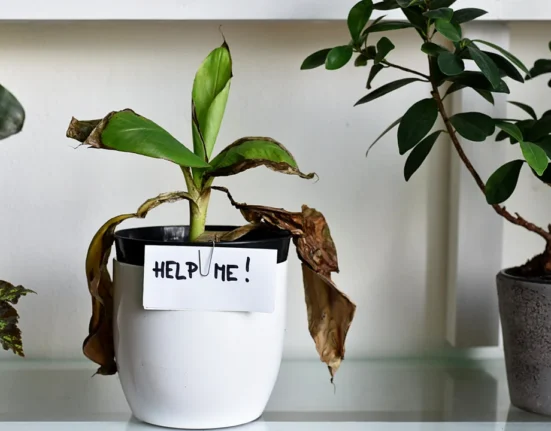
Over time — through root rot disasters, crispy leaves, nutrient burn, fungus gnats, and painfully slow growth — I began to understand something: watering and feeding are not basic tasks. They are the foundation of plant health.
Here are the 11 smart watering and feeding lessons I learned the hard way — so you don’t have to.
Lesson 1: Overwatering Isn’t About “Too Much Water” — It’s About Oxygen
For years, I thought overwatering meant giving too much water at once.
It doesn’t.
Overwatering really means watering too frequently, which prevents oxygen from reaching roots. Roots need air as much as water. When soil stays constantly wet, air pockets disappear. Roots suffocate, then rot.
What Healthy vs. Overwatered Roots Look Like
| Condition | Root Color | Smell | Texture | Plant Symptoms |
|---|---|---|---|---|
| Healthy Roots | White/cream | Neutral | Firm | Steady growth, vibrant leaves |
| Early Rot | Light brown | Slightly sour | Slightly soft | Yellowing lower leaves |
| Advanced Rot | Dark brown/black | Rotten odor | Mushy | Wilting despite wet soil |
Hard lesson: If your plant is wilting and the soil is wet, water is not the solution.
Lesson 2: The Top Inch Rule Is Not Universal
You’ve probably heard: “Water when the top inch of soil is dry.”
That advice only works for certain houseplants.
Plants with thick roots (like snake plants or ZZ plants) need deeper drying. Tropical plants may need consistent moisture. Seedlings need shallow, frequent watering.
Soil Dryness Guidelines by Plant Type
| Plant Type | When to Water |
|---|---|
| Succulents & Cacti | When soil is completely dry |
| Snake Plant / ZZ Plant | When 75–100% of soil is dry |
| Tropical Foliage | When top 1–2 inches are dry |
| Seedlings | When surface begins to dry |
| Vegetables in Containers | When top inch is dry (often daily) |
Hard lesson: Learn the plant, not the rule.
Lesson 3: Drainage Holes Are Non-Negotiable
I once planted a beautiful peace lily in a decorative ceramic pot without drainage. I thought I could “manage” watering carefully.
Three weeks later, the roots were soup.
Drainage holes allow excess water to escape and fresh oxygen to enter the soil. Without them, even careful watering can create stagnation.
If you love decorative pots:
- Use them as cache pots
- Keep plants in nursery containers inside them
- Remove to water thoroughly
Lesson 4: Light Dictates Watering Frequency
I used to water plants on a schedule — every Sunday evening.
Big mistake.
Plants in bright light use water faster. Plants in low light use water slowly. Watering on a schedule ignores environmental changes.
How Light Impacts Water Use
| Light Level | Growth Rate | Water Consumption | Risk If Overwatered |
|---|---|---|---|
| Bright Direct | High | High | Moderate |
| Bright Indirect | Moderate | Moderate | Moderate |
| Low Light | Slow | Low | Very High |
Hard lesson: Less light = less water needed.
Lesson 5: Fertilizer Is Not Plant Food (Exactly)
This one shocked me.
Plants make their own food via photosynthesis. Fertilizer is more like a vitamin supplement — providing essential nutrients like nitrogen (N), phosphorus (P), and potassium (K).
Overfeeding doesn’t make plants grow faster. It causes nutrient burn.
Common Fertilizer Nutrients Explained
| Nutrient | Function | Deficiency Signs |
|---|---|---|
| Nitrogen (N) | Leaf growth | Pale yellow leaves |
| Phosphorus (P) | Root & flower development | Weak roots, poor blooming |
| Potassium (K) | Overall resilience | Brown leaf edges |
| Magnesium | Chlorophyll production | Yellowing between veins |
| Calcium | Cell structure | Distorted new growth |
Hard lesson: More fertilizer ≠ more growth.
Lesson 6: Dilution Is Your Best Friend
When I first started fertilizing, I followed package instructions exactly.
Then I learned most experienced growers use fertilizer at half strength — sometimes even quarter strength — especially for houseplants.
Why?
Because indoor plants grow slower and accumulate salts faster.
Safe Fertilizer Dilution Guide
| Fertilizer Label Suggests | Safer Indoor Mix |
|---|---|
| 1 tbsp per gallon | ½ tbsp per gallon |
| 1 tsp per liter | ½ tsp per liter |
| Weekly feeding | Every 2–4 weeks |
If in doubt: dilute more.
Lesson 7: Seasonal Changes Matter More Than You Think
I used to fertilize year-round.
But most plants slow down in fall and winter due to lower light levels. Feeding during dormancy can stress roots.
Seasonal Feeding Chart
| Season | Watering Frequency | Fertilizing Frequency |
|---|---|---|
| Spring | Increase gradually | Every 2–4 weeks |
| Summer | Peak watering | Every 2–3 weeks |
| Fall | Reduce slightly | Monthly or stop |
| Winter | Minimal | Usually stop |
Hard lesson: Match feeding to growth, not the calendar.
Lesson 8: Soil Quality Changes Everything
Cheap soil stays soggy too long.
I learned this after battling fungus gnats for months. Dense peat-heavy mixes hold too much moisture indoors.
Now I amend soil for airflow.
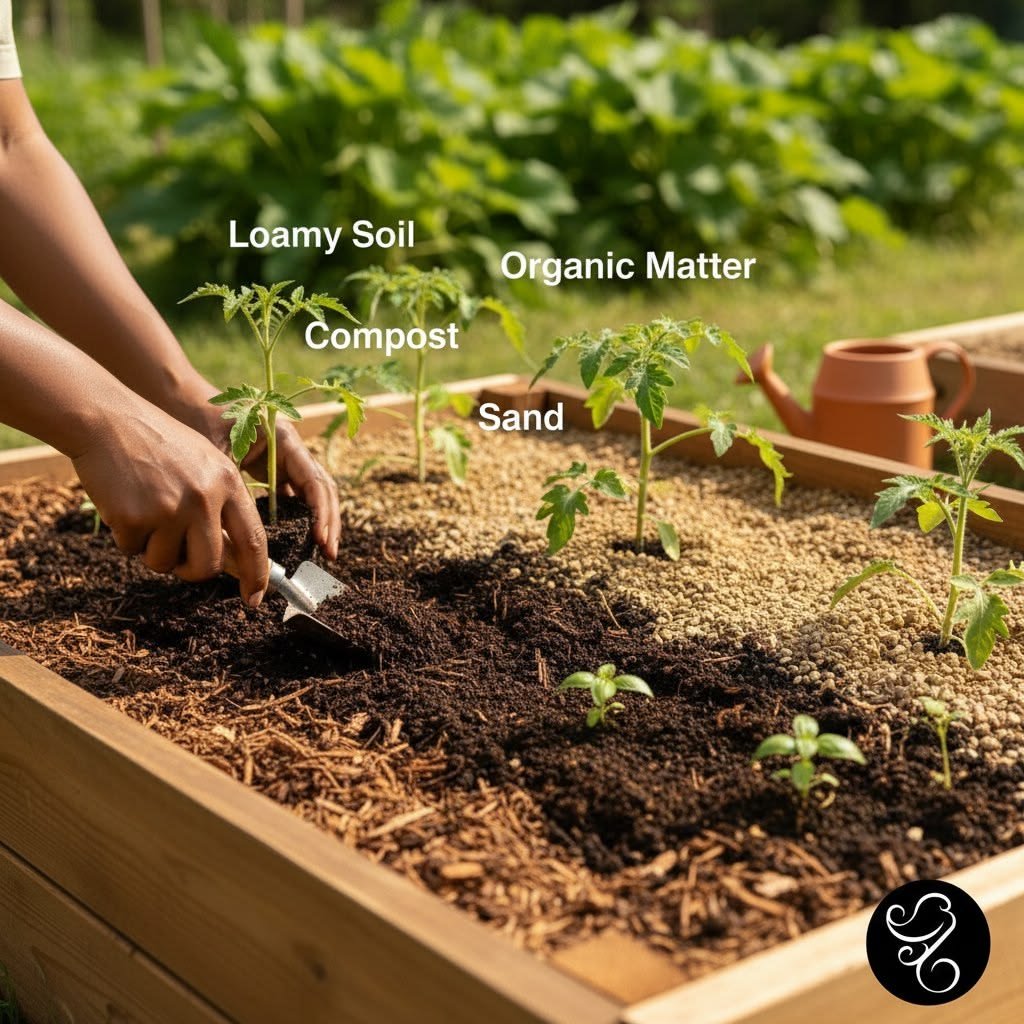
Ideal Houseplant Soil Mix Components
| Component | Purpose |
|---|---|
| Potting soil | Base organic matter |
| Perlite | Improves drainage |
| Orchid bark | Increases airflow |
| Coco coir | Retains balanced moisture |
| Compost | Adds slow-release nutrients |
A well-draining mix prevents 80% of watering mistakes.
Lesson 9: Signs of Overfeeding Mimic Other Problems
One of my worst mistakes was misdiagnosing fertilizer burn as underwatering.
Crispy brown edges? I watered more.
The real issue? Salt buildup from excess fertilizer.
Fertilizer Burn Symptoms
- Brown leaf tips
- White crust on soil surface
- Sudden leaf drop
- Wilting despite moist soil
How to Fix It
- Flush soil thoroughly with distilled water.
- Let drain completely.
- Pause feeding for 4–6 weeks.
Lesson 10: Small Pots Dry Faster — Much Faster
I once moved cuttings into small nursery pots and kept watering them like mature plants.
They dried out in a day.
Pot size dramatically affects moisture retention.
Pot Size vs Drying Speed
| Pot Diameter | Average Drying Time (Indoor) |
|---|---|
| 3 inches | 1–3 days |
| 5 inches | 3–5 days |
| 8 inches | 5–10 days |
| 12+ inches | 10–21 days |
Always adjust watering to container size.
Lesson 11: Observe the Plant, Not the Soil Alone
The final lesson took the longest to learn.
Plants communicate constantly:
- Slight drooping
- Dull leaf sheen
- Slower growth
- Leaf color changes
Watering and feeding should be responsive, not automatic.
Visual Summary: Smart Watering & Feeding Framework
LIGHT → Influences → WATER NEEDS
WATER → Influences → ROOT HEALTH
ROOT HEALTH → Influences → NUTRIENT UPTAKE
NUTRIENTS → Influence → GROWTH & RESILIENCE
SEASON → Influences → EVERYTHING
Everything is connected.
Common Watering & Feeding Mistakes (Quick Reference Table)
| Mistake | Consequence | Better Approach |
|---|---|---|
| Watering on a schedule | Root rot | Check soil before watering |
| Using pots without drainage | Oxygen deprivation | Always ensure drainage |
| Full-strength fertilizer | Salt burn | Use half strength |
| Fertilizing in winter | Root stress | Pause during dormancy |
| Ignoring light levels | Overwatering | Adjust based on exposure |
| Cheap compact soil | Poor aeration | Amend with perlite/bark |
The Big Realization
Healthy plants are not about perfect technique.
They’re about rhythm.
You learn their pace. Their light. Their thirst. Their growth cycles.
Watering and feeding are not chores — they are conversations.
And once you start listening, everything changes.
Frequently Asked Questions (FAQs)
1. How do I know if I’m overwatering or underwatering?
Check the soil 2–3 inches deep. If it’s wet and the plant is wilting, it’s likely overwatered. If soil is dry and leaves feel thin or limp, it’s underwatered. Root inspection gives the most accurate answer.
2. How often should I fertilize indoor plants?
During active growth (spring and summer), every 2–4 weeks at half strength is generally safe. Reduce or stop during fall and winter.
3. Can I use tap water for my plants?
Most plants tolerate tap water, but mineral-heavy water can cause salt buildup. If you notice white crust on soil, consider filtered or distilled water occasionally.
4. Should I mist my plants instead of watering?
Misting does not replace watering. It provides minimal humidity and does not hydrate roots. Focus on proper soil moisture first.
5. What is the safest beginner fertilizer?
A balanced liquid fertilizer (like 10-10-10 or 20-20-20) diluted to half strength is typically safe for most foliage plants.
6. Why are my leaf tips turning brown even though I water regularly?
Possible causes:
- Fertilizer burn
- Low humidity
- Salt buildup
- Inconsistent watering
Flush soil and evaluate feeding frequency.
If I could go back to my first year of plant parenting, I’d change one thing:
I would stop trying to control the plant — and start trying to understand it.
Water wisely. Feed gently. Observe closely.
Your plants will tell you the rest. 🌿